retreat@sitaramayurveda.com
 +91 813 8888 912


Dhanyamla Dhara Preparation: Ingredients, Process, Procedure & What to Expect

By Vignesh Devraj
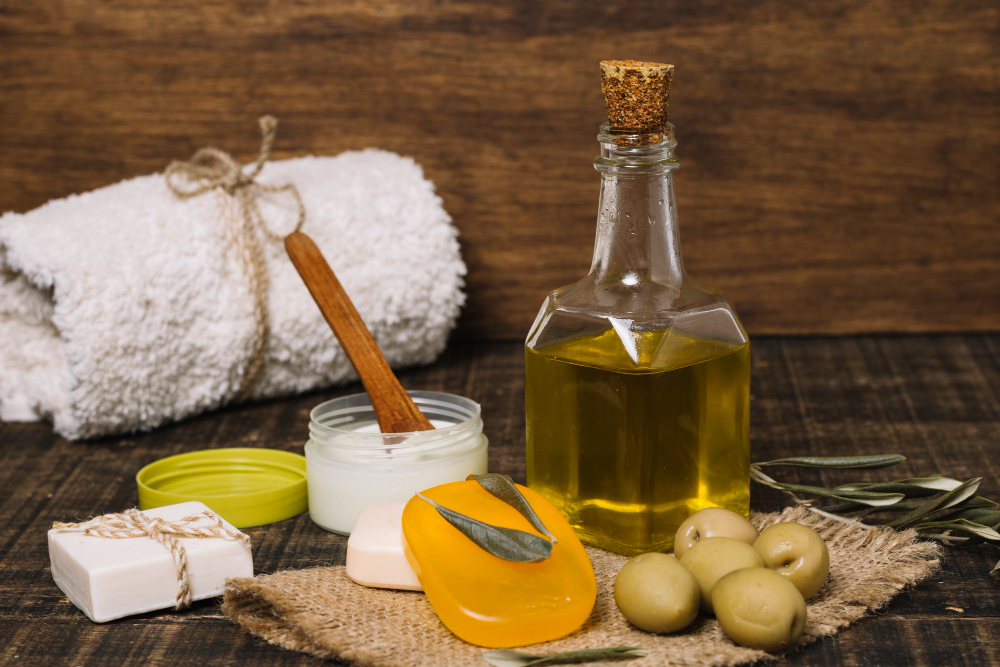
Dhanyamla Dhara traditionally involves grains, pulses, herbs, spices, water, and sour ingredients, followed by a controlled fermentation process. The resulting fermented liquid is strained, warmed to a suitable temperature and continuously poured over the body or a specific area as part of an Ayurvedic treatment protocol.
Dhanyamla Dhara preparation involves creating a traditionally fermented, grain-based Ayurvedic liquid that is later warmed and used for continuous pouring during therapy. The exact ingredients and method can vary according to the classical formulation and practitioner’s protocol. At Sitaram Retreat, this therapy forms part of personalised Ayurvedic care. But what goes into this traditional preparation, and why does each step matter?
What Is Dhanyamla Dhara?
Dhanyamla Dhara is an external Ayurvedic therapy in which a warm, fermented liquid made from grains and other ingredients is poured continuously over the entire body or a specific affected area.
The name itself describes the basic concept:
- Dhanya refers to grains.
- Amla refers to sourness or fermentation.
- Dhara means a continuous stream or pouring.
The therapy is traditionally associated with warm-liquid fomentation and is used within Ayurvedic treatment programmes for selected concerns involving pain, stiffness and musculoskeletal discomfort. The liquid may be applied with or without oil, depending on the individual treatment plan.
Unlike a simple herbal bath, Dhanyamla Dhara involves a carefully prepared formulation, controlled warmth, continuous application and a prescribed treatment duration. These factors are considered together rather than treating the fermented liquid as an isolated remedy.
What Are the Ingredients Used in Dhanyamla Dhara Preparation?
The ingredients used in Dhanyamla Dhara preparation can vary according to the traditional formulation followed, regional practice and the Ayurvedic physician’s assessment.
A traditionally referenced formulation includes:
- Rice
- Flattened or pressed rice
- Horse gram
- Puffed rice
- Foxtail millet
- Kodo millet
- Dry ginger
- Citrus or lemon
- Aromatic spices
- Water
Sitaram Retreat’s current information notes that these ingredients may be used in different proportions depending on the formulation and treatment protocol. A commonly referenced traditional formulation, for example, includes larger quantities of puffed rice alongside rice, flattened rice and horse gram, with smaller quantities of selected herbs and spices. Explore dhanyamla dhara ingredients to learn about the traditional herbal and fermented grain-based ingredients used in this Ayurvedic therapy and their role in supporting overall wellness.
Why Are Grains Used?
Grains form an important part of the traditional preparation. Rice may appear in more than one form, while pulses and millets contribute to the broader formulation.
These ingredients are not simply selected because they are readily available. In Ayurveda, the ingredients, proportions and processing method are considered together when preparing a therapeutic formulation.
Why Are Ginger, Citrus and Spices Included?
Dry ginger, citrus and aromatic ingredients are traditionally included alongside the grain-based components. The sour or fermented character is an important part of the preparation.
The purpose is therefore not to create a flavoured herbal liquid. The ingredients are combined as part of a traditional Ayurvedic formulation whose properties are shaped by both its components and its processing.
How Is Dhanyamla Dhara Prepared?
The preparation process is more involved than simply boiling herbs in water. It generally involves ingredient selection, processing, controlled fermentation and preparation of the liquid for therapeutic application.
1. Ingredients Are Selected
The required grains, pulses, herbs, spices and sour ingredients are selected according to the prescribed formulation.
Ingredient quality matters because the final preparation depends on the characteristics of the raw materials as well as their proportions.
2. Ingredients Are Processed
The individual ingredients are cleaned and prepared according to the chosen traditional method. Some ingredients may require separate processing before they are combined.
3. Water Is Added
The ingredients are combined with water in an appropriate vessel. The quantity of water and proportions of the ingredients depend on the formulation being followed.
4. Fermentation Takes Place
Fermentation is a defining feature of the preparation. Traditional methods describe controlled processing over a prescribed period, with attention to cleanliness, temperature and the condition of the preparation.
The precise fermentation method is not universally identical. Classical references and Ayurvedic practitioners may follow different formulations or processing approaches.
5. The Liquid Is Prepared for Treatment
Once the formulation reaches the required stage, the usable liquid is obtained and prepared for application.
The final preparation is not simply judged by appearance. Its suitability for therapy depends on the prescribed formulation and treatment protocol.
6. The Preparation Is Warmed
Before application, the fermented liquid is warmed to a suitable temperature.
Temperature control is particularly important because Dhanyamla Dhara involves continuous contact with the skin. The liquid should be comfortably warm rather than excessively hot. Explore ayurvedic treatment for sciatica to learn about traditional Ayurvedic approaches, supportive lifestyle practices, and the importance of professional guidance for managing sciatica symptoms.
Why Does the Preparation Process Matter?
The quality of the final therapy depends on more than the list of ingredients.
Important factors include:
- The formulation being followed
- Ingredient quality
- Proportions
- Fermentation method
- Hygiene during preparation
- Temperature
- Treatment duration
- Application technique
- Individual treatment requirements
This is why an online ingredient list should not be treated as a universal home recipe. Traditional Ayurvedic preparation is part of a wider treatment protocol, and the appropriate formulation can differ from person to person. Discover what is panchakarma to understand this traditional Ayurvedic cleansing practice, its main therapies, and its role in supporting overall wellness.
How Is Dhanyamla Dhara Performed?
Once the fermented preparation is ready, the therapy follows a structured process.
Ayurvedic Assessment
The process begins with an assessment of the individual’s condition, physical strength, symptoms and treatment requirements. Sitaram Retreat explains that its Ayurvedic treatments are selected after consultation and evaluation, with factors such as body type and overall condition influencing the treatment plan.
Preparation for Treatment
The treatment area is prepared, and positioning is adjusted according to whether the therapy is being performed over the whole body or a particular region.
Oil application may or may not be included depending on the prescribed protocol.
Continuous Pouring
The warmed fermented liquid is then poured continuously over the selected area or the whole body.
Maintaining a steady flow and suitable temperature is an important part of the procedure. The treatment is therefore actively supervised rather than treated as a passive soaking process.
Rewarming During the Procedure
The used liquid may be collected and reheated for continued application during the prescribed treatment period. This allows the temperature to be maintained rather than allowing the preparation to become cold during therapy.
Post-Treatment Care
After the therapy, the practitioner may recommend rest, cleansing or other supportive measures according to the broader Ayurvedic programme.
The appropriate aftercare depends on the treatment plan rather than following one universal routine.
What Are the Traditional Benefits of Dhanyamla Dhara?
Dhanyamla Dhara is traditionally used for concerns involving pain, stiffness and selected inflammatory or musculoskeletal complaints.
Its traditional applications include:
- Supporting comfort in muscular or joint stiffness
- Providing a warming external therapy
- Supporting physical comfort and mobility
- Supporting circulation within the traditional Ayurvedic framework
- Promoting sweating as part of therapeutic fomentation
- Being incorporated into selected Ayurvedic programmes for musculoskeletal concerns
Sitaram Retreat describes the therapy in relation to pain, inflammation, arthritis, rheumatism and circulation-related concerns. These are traditional therapeutic applications and should not be interpreted as guaranteed medical outcomes.
If you have persistent, severe or worsening pain, swelling or another unexplained symptom, appropriate medical evaluation remains important.
Who May Be Considered for This Therapy?
An Ayurvedic physician may consider Dhanyamla Dhara when it fits the individual’s condition and treatment objectives.
It may be incorporated into an Ayurvedic programme for people experiencing:
- Muscular or joint stiffness
- Selected musculoskeletal complaints
- Rheumatic discomfort
- Certain inflammatory presentations
- Physical heaviness or sluggishness
- Wellness programmes requiring a warming external therapy
Having a particular condition does not automatically mean that this treatment is appropriate. Ayurvedic therapies are selected according to the individual rather than a diagnosis alone.
Can Dhanyamla Dhara Be Prepared at Home?
It is better to receive this therapy under qualified professional supervision.
Although the basic ingredients may appear straightforward, the preparation involves fermentation, hygiene, temperature control and a specific application method. An incorrectly prepared or excessively hot liquid can create unnecessary risks.
Professional care also allows the treatment to be adjusted according to the person’s condition, treatment area and response.
For these reasons, online instructions should be viewed as educational information rather than a substitute for an Ayurvedic physician’s assessment or a clinical preparation protocol.
Is Dhanyamla Dhara the Same as Dhanyamlakizhi?
No. Although the names and fermented preparation are related, the application methods are different.
Dhanyamla Dhara involves continuously pouring the warm fermented liquid over the body or a prescribed area.
Dhanyamlakizhi uses pouches that are dipped into heated Dhanyamla and applied to the body using stamping strokes. Sitaram Retreat lists Dhanyamlakizhi and Dhanyamladhara as separate Ayurvedic therapies.
Understanding this difference is useful when researching Ayurvedic treatments because the two therapies should not be treated as interchangeable.
How Long Does Dhanyamla Dhara Treatment Take?
There is no single treatment duration that applies to every person.
The length can depend on:
- The condition being addressed
- The treatment area
- The individual’s strength and requirements
- The physician’s protocol
- Whether Dhanyamla Dhara is part of a broader Ayurvedic programme
Sitaram Retreat describes broader treatment phases such as preparation, main cleansing and rejuvenation, but these programme durations should not be confused with one fixed Dhanyamla Dhara session length.
Why Does Professional Preparation Matter?
The most important point to understand about Dhanyamla Dhara preparation is that the ingredients are only one part of the therapy.
Professional Ayurvedic care considers:
- Which formulation is appropriate
- Whether the therapy is suitable
- How the preparation should be processed
- What temperature should be maintained
- Which body area should be treated
- Whether oil application is indicated
- How long the treatment should continue
- What aftercare is required
Sitaram Retreat follows a personalised treatment approach in which Ayurvedic physicians evaluate the individual before selecting therapies, with oils, herbs, diet and other supportive practices customised according to the treatment plan.
Experience Personalised Dhanyamla Dhara at Sitaram Retreat
Understanding the traditional preparation is a useful first step, but the value of Dhanyamla Dhara lies in how the entire therapy is planned and administered.
At Sitaram Retreat, Dhanyamla Dhara is offered as part of a broader Ayurvedic care environment, alongside a range of traditional therapies and personalised treatment programmes.
If you are considering Dhanyamla Dhara for stiffness, musculoskeletal discomfort or an Ayurvedic wellness programme, speak with the Sitaram Retreat team to understand whether the therapy is appropriate for your individual needs.
Explore Dhanyamla Dhara at Sitaram Retreat and begin your personalised Ayurvedic care journey.
Frequently Asked Questions
Q1. How is Dhanyamla Dhara preparation done?
The traditional process involves selecting grains, pulses, herbs, spices and sour ingredients, combining them with water, and allowing the formulation to undergo controlled fermentation. The resulting liquid is then prepared and warmed for therapeutic application.
Q2. Can the ingredients in Dhanyamla Dhara vary?
Yes. Traditional formulations can vary according to the classical reference, regional Ayurvedic practice and the physician’s treatment protocol. The ingredients and proportions should therefore not be assumed to be identical in every treatment setting.
Q3. Is Dhanyamla Dhara suitable for everyone?
No. Suitability depends on individual health, symptoms, physical condition and the Ayurvedic treatment plan. Professional assessment is particularly important when a person has an existing medical condition, significant pain or skin sensitivity.
Q4. What are the main ingredients used in Dhanyamla Dhara?
Commonly referenced ingredients include rice, flattened rice, horse gram, puffed rice, millets, dry ginger, citrus and aromatic spices, together with water. Exact ingredients and proportions can vary according to the formulation.
Q5. Why is Dhanyamla fermented?
Fermentation is a defining part of the traditional preparation. Dhanyamla is a fermented grain-based formulation, and the processing method contributes to the character of the liquid used during Dhanyamla Dhara therapy.
Q6. Will Dhanyamla Dhara help with joint pain?
It is traditionally used in Ayurveda for selected pain, stiffness, arthritis and rheumatic complaints. However, the therapy is not a guaranteed treatment for every type of joint pain, and persistent or severe symptoms require appropriate medical assessment.
Q7. What is the difference between Dhanyamla Dhara and Dhanyamlakizhi?
Dhanyamla Dhara uses a continuous stream of warm fermented liquid, whereas Dhanyamlakizhi uses pouches dipped in heated Dhanyamla and applied to the body using a different technique.
Q8. Why should Dhanyamla Dhara be professionally administered?
Professional administration helps ensure appropriate formulation, fermentation, hygiene, temperature, treatment duration and application. It also allows the therapy to be selected and modified according to the individual’s Ayurvedic assessment.
TABLE OF CONTENTS
- What Is Dhanyamla Dhara?
- What Are the Ingredients Used in Dhanyamla Dhara Preparation?
- How Is Dhanyamla Dhara Prepared?
- Why Does the Preparation Process Matter?
- How Is Dhanyamla Dhara Performed?
- What Are the Traditional Benefits of Dhanyamla Dhara?
- Who May Be Considered for This Therapy?
- Can Dhanyamla Dhara Be Prepared at Home?
- Is Dhanyamla Dhara the Same as Dhanyamlakizhi?
- How Long Does Dhanyamla Dhara Treatment Take?
- Why Does Professional Preparation Matter?
- Experience Personalised Dhanyamla Dhara at Sitaram Retreat
- Frequently Asked Questions