retreat@sitaramayurveda.com
 +91 813 8888 912


Dhanyamla Dhara Therapy: Benefits, Procedure, Uses & Ayurvedic Approach

By Vignesh Devraj
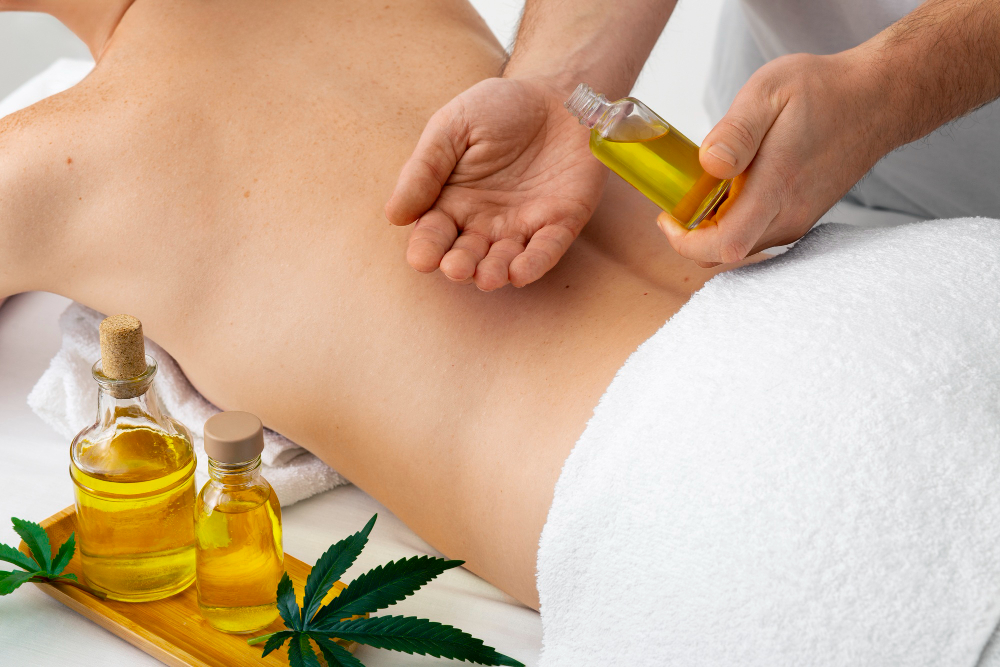
Dhanyamla Dhara therapy is a traditional Ayurvedic external treatment in which a warm, fermented grain-based herbal decoction is poured continuously over the body or a specific area. It is traditionally used for pain, stiffness, and inflammatory or musculoskeletal concerns, with suitability determined through individual Ayurvedic assessment.
At Sitaram Retreat, therapies are selected after consultation according to individual needs rather than following a fixed protocol. If stiffness or physical discomfort is affecting your daily movement, understanding this traditional treatment is a useful place to begin.
What Is Dhanyamla Dhara Therapy?
Dhanyamla Dhara is an external Ayurvedic therapy in which a warm, fermented grain-based herbal decoction is poured continuously over the whole body or a specific affected area. The preparation is maintained at an appropriate temperature throughout the procedure.
The name itself explains the basic concept:
- Dhanya refers to grain.
- Amla refers to sourness or fermentation.
- Dhara refers to a continuous stream or pouring.
The treatment therefore centres on the controlled application of a warm, fermented preparation rather than a conventional oil massage. Sitaram Retreat describes the decoction as grain-fermented and uses the therapy within personalised Ayurvedic care.
How Does Dhanyamla Dhara Therapy Work in Ayurveda?
In Ayurveda, external therapies are selected according to the individual’s constitution, symptoms, physical strength and overall treatment requirements. The physician considers these factors before deciding which therapy, preparation and application method are appropriate.
The warm liquid is continuously applied to the body or a selected area. The combination of warmth and steady application creates a distinctive therapeutic experience and is traditionally used when stiffness, heaviness, discomfort or inflammatory complaints are part of an individual’s presentation.
The treatment may involve:
- Whole-body application
- Localised application to a specific area
- Continuous pouring at a controlled temperature
- A prescribed treatment duration
- Integration with other Ayurvedic therapies, diet or lifestyle guidance
This personalised approach matters because the same therapy is not necessarily appropriate for every person or every condition. Explore ayurvedic treatment for sciatica to learn about traditional Ayurvedic approaches, supportive lifestyle practices, and the importance of professional guidance for managing sciatica symptoms.
Dhanyamla Dhara Benefits
The traditional Dhanyamla Dhara benefits are primarily associated with physical comfort, warmth and support for selected musculoskeletal concerns. These benefits should be understood within the Ayurvedic framework and should not be interpreted as guaranteed medical outcomes.
May Support Relief From Pain and Stiffness
Warm external application can provide a soothing treatment experience for areas affected by stiffness or physical discomfort. In Ayurveda, the therapy may be selected when restricted movement, heaviness or muscular and joint discomfort are present.
Traditionally Used for Inflammatory Complaints
Dhanyamla Dhara is traditionally used for inflammatory and rheumatic complaints, including arthritis and rheumatism. Persistent swelling, severe pain or unexplained symptoms should always receive appropriate medical evaluation rather than being self-treated.
May Support Circulation
The warmth and continuous application are traditionally associated with supporting blood and lymph circulation. Within an Ayurvedic treatment plan, this warming approach may be selected according to the individual’s needs.
May Support Comfortable Movement
Stiffness can make everyday activities feel more difficult. A warming external therapy may be incorporated into an Ayurvedic programme to support physical comfort and mobility.
Can Form Part of a Broader Ayurvedic Programme
The therapy does not always need to stand alone. Depending on the individual’s assessment, it may be combined with other therapies, dietary measures, yoga and lifestyle guidance as part of a wider Ayurvedic programme. Sitaram Retreat follows this personalised treatment philosophy across its Ayurvedic therapies.
Dhanyamla Dhara for Arthritis and Joint Stiffness
Ayurvedic practitioners may consider this therapy for selected joint and musculoskeletal complaints, including stiffness associated with arthritis and rheumatic conditions. Sitaram Retreat specifically lists arthritis, rheumatism, pain and inflammatory concerns among its traditional applications.
However, arthritis is not one single condition. Different forms of arthritis can have different causes, symptoms and medical requirements. That is why an Ayurvedic physician should assess the individual’s condition before recommending a treatment.
The goal is not to replace appropriate medical diagnosis or prescribed treatment. Instead, the therapy can be considered within an individualised Ayurvedic care plan when the physician considers it suitable. Discover what is panchakarma to understand this traditional Ayurvedic cleansing practice, its main therapies, and its role in supporting overall wellness.
Dhanyamla Dhara Procedure: What to Expect
The Dhanyamla Dhara procedure involves several controlled steps rather than simply pouring a liquid over the body.
1. Ayurvedic Consultation
Treatment begins with an assessment of the individual’s symptoms, constitution, physical condition and treatment goals. Sitaram Retreat’s broader Ayurvedic approach places physician consultation at the beginning of the treatment journey.
2. Preparation of the Decoction
A fermented grain-based herbal decoction is prepared according to the treatment protocol. The exact preparation may depend on the individual’s Ayurvedic requirements.
3. Controlled Warming
The preparation is warmed and maintained at a suitable temperature for the treatment.
4. Continuous Application
The warm decoction is poured continuously over the whole body or a specific affected area. The steady flow is a defining feature of Dhara therapies.
5. Maintaining Consistency
Temperature, flow and duration are controlled throughout the procedure to maintain a consistent treatment experience.
6. Completion and Aftercare
After the procedure, the Ayurvedic team may provide recommendations concerning rest, diet, hydration or additional therapies depending on the overall treatment plan.
How Long Does Dhanyamla Dhara Therapy Take?
There is no single duration that applies to every person. The length and frequency of treatment depend on the individual’s condition, treatment objectives and the Ayurvedic physician’s recommendations.
It is also important to distinguish an individual therapy session from the length of an Ayurvedic retreat programme. Sitaram Retreat describes broader treatment programmes in phases that can include preparation, main cleansing and rejuvenation, with the exact plan determined after consultation.
Who May Consider Dhanyamla Dhara?
A physician may consider this traditional therapy when an individual presents with concerns such as:
- Joint or muscular stiffness
- Physical discomfort
- Selected inflammatory complaints
- Rheumatic concerns
- A feeling of heaviness
- Certain musculoskeletal conditions
Suitability depends on the person rather than the condition name alone. Factors such as constitution, strength, symptoms and overall health can influence the treatment decision.
Who Should Seek Professional Advice Before Treatment?
Self-selecting an Ayurvedic therapy based only on an online article is not advisable, particularly when symptoms are persistent or severe.
Professional assessment is especially important if you:
- Have unexplained or severe pain
- Have significant swelling or an acute condition
- Have a skin problem in the treatment area
- Are sensitive to heat
- Take regular medicines
- Have an existing medical condition
- Are pregnant or recently postpartum
An Ayurvedic physician can determine whether this therapy is appropriate or whether another approach is more suitable.
Dhanyamla Dhara vs Dhanyamlakizhi
Although their names and preparations are related, these are different Ayurvedic procedures.
Dhanyamla Dhara involves the continuous pouring of a warm fermented decoction over the body or a selected area.
Dhanyamlakizhi uses herbal pouches that are heated by dipping them into heated Dhanyamla and then applied to the body using therapeutic strokes. Sitaram Retreat lists Dhanyamlakizhi separately and describes its use for selected painful swellings, spasms and stiffness.
The appropriate therapy depends on the individual’s Ayurvedic assessment and treatment plan.
Is Dhanyamla Dhara the Same as Kanji Dhara?
The terms can be used in related contexts because both refer to therapies involving a fermented or sour liquid preparation. However, terminology and formulations can vary between Ayurvedic traditions and practitioners.
Rather than assuming that every similarly named treatment follows an identical protocol, ask the practitioner about the preparation, ingredients, application method and intended therapeutic purpose.
Can Dhanyamla Dhara Be Done at Home?
A professional Dhanyamla Dhara therapy should not be recreated at home simply by following an online recipe.
The procedure requires appropriate preparation, temperature control, hygiene, application technique and treatment duration. More importantly, the therapy itself should be selected according to the individual’s condition.
Professional Ayurvedic care allows these factors to be assessed before treatment rather than treating the procedure as a generic wellness technique.
Why Choose Sitaram Retreat for Dhanyamla Dhara?
Sitaram Retreat follows a physician-guided and personalised approach to Ayurveda. Treatments are selected after consultation, with the individual’s constitution, symptoms, physical strength and treatment requirements considered before the treatment course is determined.
Sitaram also brings a long Ayurvedic heritage to its retreat experience. The organisation traces its journey back to 1921 and combines traditional Ayurvedic therapies with personalised care, nutrition, yoga and restorative environments.
This approach means the focus extends beyond a single procedure. The therapy can be considered within a broader plan designed around the individual’s needs.
Begin Your Ayurvedic Journey at Sitaram Retreat
The right Ayurvedic treatment begins with understanding the person, not simply selecting a therapy from a list. If you are considering Dhanyamla Dhara therapy for stiffness, physical discomfort or a broader Ayurvedic wellness programme, speak with the experienced Ayurvedic team at Sitaram Retreat.
Explore personalised Ayurvedic care at Sitaram Retreat and discover whether Dhanyamla Dhara is appropriate for your individual needs. Book a consultation and take the first step towards a thoughtfully guided Ayurvedic healing experience.
Frequently Asked Questions
Q1. How is Dhanyamla Dhara performed?
A warm, fermented grain-based herbal decoction is poured continuously over the whole body or a specific area while temperature and flow are controlled throughout the procedure.
Q2. How long does Dhanyamla Dhara treatment take?
The duration varies according to the individual’s condition and treatment plan. An Ayurvedic physician determines the appropriate duration and frequency.
Q3. Can Dhanyamla Dhara help with joint stiffness?
It is traditionally used for pain, stiffness and selected musculoskeletal complaints. Whether it is appropriate for a particular joint problem depends on individual assessment.
Q4. Can Dhanyamla Dhara be used for arthritis?
It may be considered within Ayurvedic care for selected arthritis and rheumatic complaints. It should not replace appropriate medical diagnosis or treatment.
Q5. Is Dhanyamla Dhara safe for everyone?
No. Ayurvedic therapies are not one-size-fits-all. Suitability should be determined after considering the individual’s condition, constitution, strength and overall health.
Q6. Is Dhanyamla Dhara the same as Dhanyamlakizhi?
No. Dhara involves continuous pouring of the fermented preparation, while Dhanyamlakizhi uses heated herbal pouches dipped in Dhanyamla.
Q7. What is used in Dhanyamla Dhara?
The treatment uses a warm, fermented grain-based herbal decoction. The specific preparation can be determined according to the Ayurvedic treatment protocol.
Q8. Why is professional Ayurvedic assessment important before treatment?
Assessment helps determine whether the therapy suits the individual’s constitution, symptoms, strength and treatment goals. Sitaram Retreat follows consultation-led treatment selection rather than applying identical therapies to every guest.
TABLE OF CONTENTS
- What Is Dhanyamla Dhara Therapy?
- How Does Dhanyamla Dhara Therapy Work in Ayurveda?
- Dhanyamla Dhara Benefits
- Dhanyamla Dhara for Arthritis and Joint Stiffness
- Dhanyamla Dhara Procedure: What to Expect
- How Long Does Dhanyamla Dhara Therapy Take?
- Who May Consider Dhanyamla Dhara?
- Who Should Seek Professional Advice Before Treatment?
- Dhanyamla Dhara vs Dhanyamlakizhi
- Is Dhanyamla Dhara the Same as Kanji Dhara?
- Can Dhanyamla Dhara Be Done at Home?
- Why Choose Sitaram Retreat for Dhanyamla Dhara?
- Begin Your Ayurvedic Journey at Sitaram Retreat
- Frequently Asked Questions