retreat@sitaramayurveda.com
 +91 813 8888 912

Dhanyamla Dhara in Obesity: Ayurvedic Therapy, Benefits & What to Expect

By Vignesh Devraj
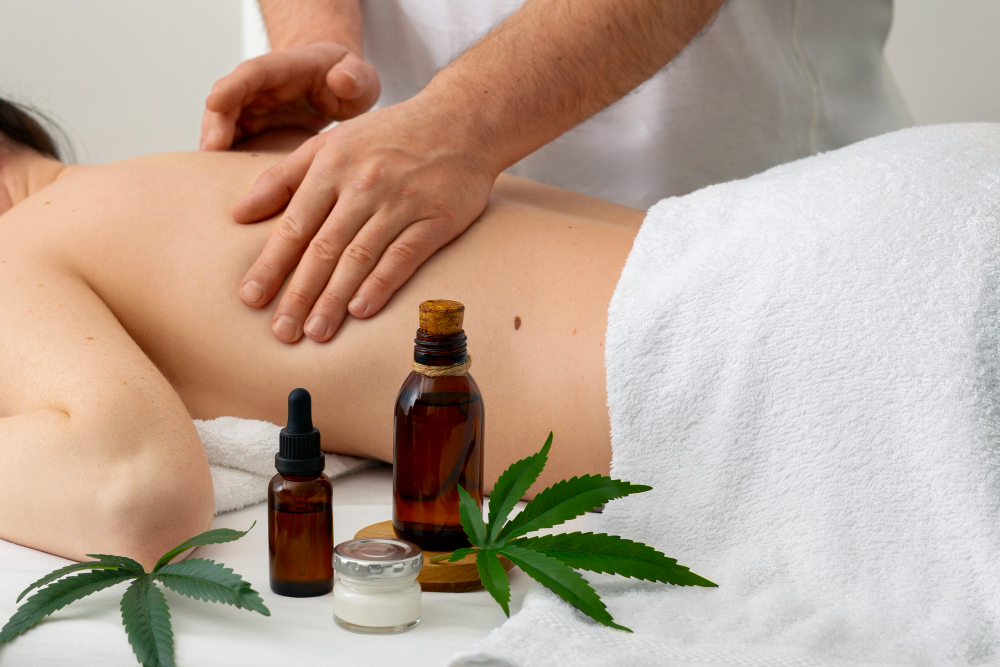
Dhanyamla Dhara in obesity refers to the traditional use of a warm, fermented grain-based herbal decoction poured continuously over the body or a prescribed area. Within Ayurveda, it may be included in a personalised weight-management plan alongside diet, lifestyle guidance, and other therapies rather than used as a standalone weight-loss treatment.
Dhanyamla Dhara in obesity can be considered as part of a personalised ayurvedic treatment for Weight management. At Sitaram Retreat, the therapy is selected according to individual assessment and may be combined with appropriate Ayurvedic therapies, nutrition, yoga and lifestyle guidance. The important question is not simply whether the therapy is suitable, but how it fits into your overall health journey.
What Is Dhanyamla Dhara?
Dhanyamla Dhara is a traditional Ayurvedic therapy in which a warm fermented herbal decoction is poured continuously over the whole body or a specific area. The name describes the therapy itself: Dhanya refers to grain, Amla refers to something sour or fermented, and Dhara means a continuous stream or pouring.
The decoction is prepared by fermenting grains and other ingredients and is maintained at a consistent temperature during treatment. Depending on the individual’s Ayurvedic assessment, the therapy may be performed with or without prior oil application.
Unlike a general massage, Dhanyamla Dhara involves a continuous flow of the prepared decoction. The temperature, duration, area treated, and supporting therapies are determined according to the prescribed treatment plan.
How Is Dhanyamla Dhara Connected With Obesity?
In Ayurveda, obesity is traditionally described through concepts such as Sthoulya or Atisthaulya, involving excess accumulation of Meda and an imbalance in metabolic processes. Ayurvedic assessment may also consider factors such as Kapha, Agni, digestion, lifestyle, sleep, and emotional wellbeing.
This approach recognises that persistent weight gain can have several contributing factors. At Sitaram Retreat, weight-management programmes therefore begin with individual assessment rather than applying one identical therapy to everyone.
Dhanyamla Dhara can be considered within this broader framework when an Ayurvedic physician determines that it is appropriate. It should not be understood as a therapy that independently removes excess body fat or guarantees a particular amount of weight loss.
How Does Dhanyamla Dhara Work?
The traditional application of the warm decoction is associated with several therapeutic purposes within Ayurveda.
Supports Circulation
The continuous warm application is traditionally used to promote circulation. Sitaram Retreat also describes the therapy as supporting blood and lymphatic circulation.
Supports Comfort and Mobility
Dhanyamla Dhara is particularly associated with traditional Ayurvedic care for pain, stiffness and inflammatory musculoskeletal concerns. This can be relevant when excess weight is accompanied by physical discomfort or reduced mobility.
Fits Into a Broader Ayurvedic Approach
For weight management, the therapy is better understood as one possible component of a larger plan. Nutrition, physical activity, sleep, stress management and physician-selected Ayurvedic therapies can all contribute to a more comprehensive approach.
Dhanyamla Dhara Benefits for Obesity and Weight Management
The potential role of Dhanyamla Dhara should always be considered in relation to the individual’s condition and treatment plan.
Traditionally, the therapy may help to:
- Support circulation and lymphatic flow
- Relieve feelings of stiffness and physical discomfort
- Support the management of inflammation
- Complement other Ayurvedic therapies
- Support metabolic and tissue-cleansing processes described in Ayurveda
- Contribute to a structured wellness programme
Sitaram Retreat describes Dhanyamla Dhara as traditionally beneficial for inflammation, pain and circulation and places it among therapies that may be selected according to individual needs.
It is important to distinguish these traditional therapeutic uses from guaranteed clinical weight-loss outcomes. Sustainable weight management requires attention to the wider factors influencing health and body weight. Explore ayurvedic treatment for weight loss to learn about traditional Ayurvedic approaches, balanced dietary habits, and lifestyle practices that support healthy weight management and overall well-being.
Dhanyamla Dhara Procedure: What Happens During the Therapy?
The procedure is performed under an established Ayurvedic protocol.
1. Ayurvedic Assessment
Treatment begins with an assessment of your constitution, current condition, health history and treatment requirements. This helps determine whether the therapy is appropriate.
2. Preparation of the Decoction
A fermented grain-based herbal decoction is prepared for the therapy. The preparation and application are carried out according to the prescribed Ayurvedic protocol.
3. Preparing the Body
Depending on the treatment plan, Dhanyamla Dhara may be performed with or without oil application.
4. Continuous Pouring
The warmed decoction is poured continuously over the prescribed body area or across the whole body. The temperature and flow are maintained consistently during the session.
5. Completion of the Session
The used decoction may be collected, reheated and reused for the prescribed duration. The exact treatment time, area and supporting procedures are decided by the Ayurvedic physician.
Dhanyamla Dhara and Other Ayurvedic Therapies for Obesity
A personalised Ayurvedic weight-management programme may involve more than one therapy. Depending on individual assessment, therapies such as Udwarthanam, Swedana and selected Panchakarma procedures may be incorporated.
- Udwarthanam uses herbal powders in an upward massage technique and is traditionally included in Ayurvedic approaches to weight management.
- Swedana involves therapeutic sweating or steam-based treatment and may be prescribed as part of a broader Ayurvedic protocol.
- Panchakarma represents a broader therapeutic system rather than a single treatment. Specific procedures are selected according to the individual’s condition and physician assessment.
At Sitaram Retreat, therapeutic choices are personalised rather than automatically combining every available procedure. Discover what is panchakarma to understand this traditional Ayurvedic cleansing practice, its main therapies, and its role in supporting overall wellness.
Can Dhanyamla Dhara Alone Help With Obesity?
No single external therapy should be presented as a complete solution for obesity. Dhanyamla Dhara can form part of an Ayurvedic weight-management programme when considered appropriate by a qualified Ayurvedic physician.
A comprehensive programme can address several areas:
- Personalised Ayurvedic assessment
- Appropriate therapies
- Therapeutic nutrition
- Yoga and pranayama
- Sleep and daily routine
- Physical activity
- Stress and emotional eating
- Long-term lifestyle habits
Sitaram Retreat’s weight-management approach combines physician-led assessment with personalised therapies, nutrition, yoga, breathing practices and lifestyle guidance.
Who May Be Considered for Dhanyamla Dhara?
Dhanyamla Dhara may be considered for people experiencing pain, stiffness or inflammatory musculoskeletal concerns when an Ayurvedic physician finds the therapy appropriate. Its suitability depends on the individual’s constitution, health history and treatment goals.
For people seeking Ayurvedic treatment for obesity, the physician may consider factors such as:
- Current weight and health status
- Digestive function
- Lifestyle and activity levels
- Sleep patterns
- Stress
- Existing health concerns
- Current treatment or medication
- Individual Ayurvedic constitution
Professional assessment is especially important when obesity occurs alongside chronic health conditions.
Is Dhanyamla Dhara Safe for Everyone?
Dhanyamla Dhara should not be treated as a universally suitable therapy. Its application, temperature, duration and treatment area should be determined by an Ayurvedic physician after assessment.
People with significant health concerns, acute illness, recent surgery, pregnancy, skin problems affecting the treatment area or other medical considerations should seek professional advice before undergoing any therapeutic procedure.
At Sitaram Retreat, the treatment plan is personalised after reviewing health history and current condition, and therapies can be adjusted when they are not appropriate for an individual.
What Results Can You Expect From Dhanyamla Dhara?
The results of an Ayurvedic therapy vary from person to person. Factors such as age, constitution, health history, lifestyle, treatment duration and adherence can influence outcomes.
When used within a broader weight-management programme, the focus can extend beyond the number on the weighing scale. Improvements in digestion, energy, mobility, sleep, eating habits and overall wellbeing may also form part of a person’s health goals. Sitaram Retreat emphasises personalised treatment and recognises that individual outcomes vary.
For this reason, it is more appropriate to view Dhanyamla Dhara as a supportive component of Ayurvedic care than as a guaranteed weight-loss procedure.
Why Choose Sitaram Retreat for Dhanyamla Dhara?
Sitaram Retreat brings traditional Ayurvedic therapies into a structured, physician-led healing environment. Its Ayurvedic heritage dates back to 1921, and the retreat combines traditional therapies with personalised nutrition, yoga, meditation and lifestyle practices.
For someone exploring Dhanyamla Dhara, this integrated approach matters because the therapy can be considered in the context of the person’s wider health rather than selected in isolation.
Sitaram Retreat’s weight-management approach includes:
- Detailed Ayurvedic assessment
- Personalised treatment planning
- Selected Ayurvedic therapies
- Therapeutic Ayurvedic nutrition
- Yoga and pranayama
- Lifestyle guidance
- Physician-led monitoring
This creates a more considered path for people seeking Ayurvedic weight management rather than a short-term, one-size-fits-all solution.
Begin Your Ayurvedic Weight-Management Journey at Sitaram Retreat
If you are exploring Dhanyamla Dhara as part of an Ayurvedic approach to obesity, begin with an individual assessment rather than choosing a therapy based on a general recommendation. At Sitaram Retreat, Ayurvedic physicians evaluate your health and treatment needs before developing a personalised plan that may include appropriate therapies, nutrition, yoga and lifestyle guidance.
Explore Dhanyamla Dhara at Sitaram Retreat and speak with our Ayurvedic team to understand whether this traditional therapy is appropriate for your wellness journey.
Frequently Asked Questions
Q1. How is Dhanyamla Dhara performed?
A warm fermented grain-based herbal decoction is poured continuously over the prescribed area or whole body. The temperature, duration and treatment area are determined by the Ayurvedic physician.
Q2. Can Dhanyamla Dhara help with weight loss?
It may be included in a personalised Ayurvedic weight-management programme, but it should not be presented as a standalone or guaranteed weight-loss treatment.
Q3. Is Dhanyamla Dhara safe for everyone?
No. Suitability depends on individual health, constitution and treatment needs. An Ayurvedic physician should assess you before the therapy.
Q4. Will Dhanyamla Dhara reduce body fat?
Dhanyamla Dhara should not be presented as a guaranteed method of reducing body fat. Its role is determined as part of an individual’s broader Ayurvedic treatment plan.
Q5. What are the benefits of Dhanyamla Dhara?
It is traditionally used to support circulation and provide relief from pain, stiffness and inflammation, depending on the individual’s condition.
Q6. How many Dhanyamla Dhara sessions are needed?
There is no universal number. The duration and frequency depend on the Ayurvedic physician’s assessment and the overall treatment plan.
Q7. Can Dhanyamla Dhara be combined with other Ayurvedic therapies?
Yes. When appropriate, it may be incorporated into a broader programme that includes therapies such as Udwarthanam, Swedana, Panchakarma, nutrition and lifestyle practices.
Q8. Why choose Sitaram Retreat for Dhanyamla Dhara?
Sitaram Retreat combines traditional Ayurvedic therapies with physician-led assessment, personalised treatment, therapeutic nutrition, yoga and lifestyle guidance within a structured healing environment.
TABLE OF CONTENTS
- What Is Dhanyamla Dhara?
- How Is Dhanyamla Dhara Connected With Obesity?
- How Does Dhanyamla Dhara Work?
- Dhanyamla Dhara Benefits for Obesity and Weight Management
- Dhanyamla Dhara Procedure: What Happens During the Therapy?
- Dhanyamla Dhara and Other Ayurvedic Therapies for Obesity
- Can Dhanyamla Dhara Alone Help With Obesity?
- Who May Be Considered for Dhanyamla Dhara?
- Is Dhanyamla Dhara Safe for Everyone?
- What Results Can You Expect From Dhanyamla Dhara?
- Why Choose Sitaram Retreat for Dhanyamla Dhara?
- Begin Your Ayurvedic Weight-Management Journey at Sitaram Retreat
- Frequently Asked Questions