retreat@sitaramayurveda.com
 +91 813 8888 912

Dhanyamla Dhara Ingredients: Complete List, Preparation, Benefits & Procedure

By Vignesh Devraj
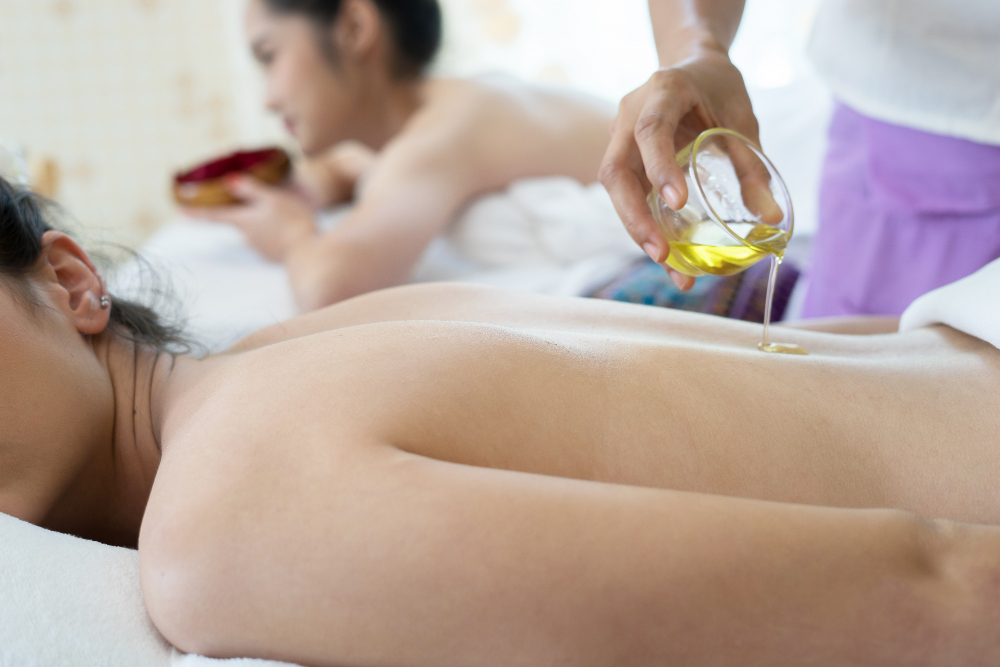
Dhanyamla Dhara ingredients traditionally include rice, flattened rice, horse gram, puffed rice, millets, ginger, citrus, and aromatic spices, combined with water and fermented to prepare Dhanyamla. The exact formulation can vary by classical reference and physician. The fermented liquid is then used as a warm, continuous stream during the therapy.
Dhanyamla Dhara ingredients traditionally form a fermented grain-based preparation used in Ayurveda for Dhanyamla Dhara, where the warm liquid is poured continuously over the body or a specific area. At Sitaram Retreat, this therapy is administered as part of personalised Ayurvedic care. But what exactly goes into this traditional preparation, and why are these ingredients selected?
What Is Dhanyamla Dhara?
Dhanyamla Dhara is an Ayurvedic therapy in which a fermented liquid prepared from grains and other ingredients is poured over the body in a continuous stream while maintaining a suitable temperature. The name itself explains the therapy: Dhanya refers to grain, amla indicates sour or fermented, and dhara means a continuous stream or pouring.
Sitaram Retreat describes the therapy as the continuous pouring of a fermented grain preparation over the entire body or a specific affected region. It may be performed with or without oil application, depending on the treatment plan.
In Ayurvedic literature, Dhanyamla Dhara is associated with Parisheka Sweda, a form of therapeutic fomentation involving warm liquids. It is also discussed in the context of Drava Sweda.
The therapy is therefore more than simply pouring a fermented liquid over the body. Its formulation, temperature, duration, and method of application are important parts of the treatment protocol.
Dhanyamla Dhara Ingredients: Traditional List
The Dhanyamla Dhara ingredients can vary according to the classical formulation followed and the physician’s treatment protocol. One traditional formulation described in a study based on Sahasrayoga includes the following:
| Ayurvedic Ingredient | Common Name | Traditional Formulation |
| Tandula | Rice | 5 parts |
| Pruthuka | Flattened/pressed rice | 5 parts |
| Kulatha | Horse gram | 5 parts |
| Laja | Puffed rice | 20 parts |
| Kangubeeja | Foxtail millet | 4 parts |
| Kodrava | Kodo millet | 2 parts |
| Nagara | Dry ginger | 1 part |
| Nimbuka | Citrus/lemon | 4 parts |
| Dipyaka | Aromatic spice | 2 parts |
| Water | Water | 100 parts |
The traditional source notes that Dhanyamla can be prepared using different drugs and identifies this particular combination as a Sahasrayoga formulation. It also states that traditional physicians in Kerala commonly follow this combination.
Explore, ayurvedic treatment for stress to support relaxation, emotional balance, and overall well-being.
What Are the Main Grains Used?
The grain component is central to the preparation. Rice appears in several forms, including ordinary rice, flattened rice and puffed rice. Horse gram and millets add further grain and pulse components.
These ingredients should not be viewed as interchangeable ingredients in a home recipe. Their proportions, preparation and fermentation process form part of the traditional formulation.
Explore, ayurvedic treatment for sleep improvement for better relaxation, restful sleep, and overall well-being.
Why Are Ginger, Citrus and Aromatic Ingredients Added?
Nagara, or ginger, and other aromatic ingredients are included alongside the grains in the traditional formulation. Nimbuka contributes the sour component, while Dipyaka is another aromatic ingredient described in the classical preparation.
From an Ayurvedic perspective, individual ingredients are selected for their traditional properties and their role within the overall formulation rather than simply for flavour.
Explore, what is panchakarma treatment to understand its traditional Ayurvedic approach and how it is used to support cleansing, balance, and overall well-being.
Dhanyamla Dhara Ingredients in Malayalam
For people searching for dhanyamla dhara ingredients malayalam, knowing the commonly used regional names can make the formulation easier to understand.
| Ayurvedic/Sanskrit Name | English Name | Malayalam Name |
| Tandula | Rice | അരി |
| Kulatha | Horse gram | മുതിര |
| Shunthi/Nagara | Dry ginger | ചുക്ക് |
| Nimbuka | Lemon/citrus | നാരങ്ങ |
| Ajamoda* | Carom/Ajwain | അയമോദകം |
| Laja | Puffed rice | മലരരി |
*Ingredient names and formulations can differ between references, so Malayalam names should be verified with an Ayurvedic practitioner or pharmacist when preparing a clinical formulation.
The important point is that a Malayalam search for dhanyamla dhara ingredients malayalam may refer to traditional ingredient names rather than one universally standardised recipe.
How Is Dhanyamla Prepared?
Preparation is an important part of the traditional formulation because Dhanyamla is a fermented preparation, rather than a simple herbal decoction.
A traditional method described in the literature involves:
- Selecting and preparing the ingredients.
- Separately processing the required grains and herbs.
- Placing the ingredients with water in a suitable vessel.
- Maintaining gentle, continuous heating under controlled conditions.
- Allowing the preparation to develop through the prescribed fermentation process.
- Extracting the required liquid for therapeutic use.
One documented traditional method describes gentle heating for seven days, with attention to cleanliness and temperature control.
Another academic review describes a seven-day preparation using a specific combination of grains, horse gram, ginger, carom seeds and water, while noting that some physicians may use an alternative dark-fermentation method.
Discover, abhyanga benefits for relaxation, nourishment, improved circulation, and overall Ayurvedic wellness.
Does the Formulation Always Stay the Same?
No. This is an important distinction.
The Dhanyamla Dhara ingredients may differ depending on:
- The classical reference being followed
- Regional Ayurvedic practice
- The physician’s assessment
- The patient’s condition
- The intended therapeutic approach
- Availability and quality of raw materials
For this reason, an online ingredient list should be treated as educational information rather than a prescription for preparing Dhanyamla independently.
Learn, the panchakarma meaning to understand its traditional Ayurvedic principles and role in promoting balance and overall well-being.
Ayurvedic Properties of Dhanyamla
Classical descriptions discuss Dhanyamla in terms of Ayurvedic properties such as Rasa, Guna, Vipaka and Veerya. A traditional source describes its taste as sour and records various properties associated with the formulation.
The preparation is also described within the broader Ayurvedic concept of Sandhana Kalpana, referring to fermented formulations. The fermentation process is therefore an essential part of its traditional identity.
Rather than focusing only on individual ingredients, Ayurveda considers the preparation as a whole. The combined formulation, processing method, dosage or application, temperature and the patient’s condition all influence how a therapy is selected.
Explore, Shirodhara massage to learn about this traditional Ayurvedic therapy and its potential benefits.
Dhanyamla Dhara Benefits
Dhanyamla Dhara is traditionally used in Ayurvedic practice for conditions associated with pain, stiffness and inflammatory or musculoskeletal complaints.
Sitaram Retreat describes the therapy as being used for inflammation and pain and lists arthritis, rheumatism and other inflammatory conditions among its therapeutic applications. Its page also describes circulation-related effects.
Potential traditional applications may include:
- Supporting comfort in stiffness and pain
- Supporting management of selected musculoskeletal conditions
- Use in certain Vata-Kapha-associated conditions
- Promoting sweating as part of Swedana
- Supporting circulation according to traditional Ayurvedic practice
These should be understood as traditional therapeutic applications, not as guarantees of medical outcomes. The suitability of Dhanyamla Dhara depends on an individual’s health status and Ayurvedic assessment.
How Is Dhanyamla Dhara Performed?
The actual procedure is carefully controlled because the temperature, flow and duration of the liquid matter.
Purva Karma: Preparation
Depending on the treatment plan, preparation may include:
- Ayurvedic consultation and assessment
- Positioning the patient appropriately
- Abhyanga or oil application when indicated
- Preparing the treatment area
- Ensuring the Dhanyamla is at a tolerable temperature
Pradhana Karma: Main Treatment
During the main procedure, the warmed fermented liquid is poured continuously over the prescribed body area or the entire body.
Sitaram Retreat states that the preparation is warmed and poured over the affected region or whole body, with the used liquid collected and reheated for reuse during the prescribed treatment period.
Temperature should be monitored carefully. Ayurvedic treatment literature emphasises that the liquid should be comfortably warm rather than excessively hot.
Paschat Karma: Aftercare
After the procedure, the patient may be gently cleaned and allowed to rest. Further aftercare depends on the overall Ayurvedic treatment programme.
A Sri Sri University review describes post-treatment cleaning, head application and rest before a warm bath as part of one documented procedure.
How Long Does Dhanyamla Dhara Take?
There is no single duration that applies to every person.
The treatment time can depend on the patient’s condition, treatment objective, body area being treated and the physician’s assessment. One Ayurvedic source describes treatment continuing until appropriate signs of sweating occur and gives different durations according to the clinical context.
This is why the duration should be decided by the treating Ayurvedic physician rather than copied from a generic online schedule.
Who May Be Recommended Dhanyamla Dhara?
A physician may consider this therapy when a person’s condition and Ayurvedic assessment indicate that it is appropriate.
Traditional and contemporary Ayurvedic literature discusses its use particularly in:
- Musculoskeletal complaints
- Certain arthritis-related conditions
- Stiffness and pain
- Selected Vata-Kapha conditions
- Certain inflammatory presentations
The Sri Sri University review specifically discusses its use in musculoskeletal disorders and arthritis-related and inflammatory Vata-Kapha conditions.
However, having a particular condition does not automatically mean Dhanyamla Dhara is suitable. Ayurvedic therapies are selected according to the individual rather than the diagnosis alone.
Who Should Take Precautions With Dhanyamla Dhara?
Dhanyamla Dhara involves heat, continuous liquid application and a fermented preparation, so professional supervision is important.
You should consult an Ayurvedic physician before undergoing the therapy if you:
- Have an existing medical condition
- Are taking regular medication
- Have sensitivity to heat
- Are pregnant or recently postpartum
- Have skin problems in the treatment area
- Are unsure whether the therapy suits your current condition
Do not attempt to reproduce a clinical Dhanyamla Dhara procedure at home based solely on an online recipe. Ingredient selection, fermentation, hygiene, temperature and treatment duration all require appropriate judgement.
Dhanyamla Dhara vs Dhanyamlakizhi
Although their names are similar, these are different Ayurvedic procedures.
Dhanyamla Dhara involves pouring the fermented preparation continuously over the body or a prescribed area.
Dhanyamlakizhi, in contrast, uses pouches that are dipped into heated Dhanyamla and applied to the body through a different technique.
Sitaram Retreat lists Dhanyamlakizhi separately from Dhanyamla Dhara among its Ayurvedic therapies, reflecting the distinction between the two procedures.
How Does Professional Ayurvedic Care Make a Difference?
The ingredients are only one part of Dhanyamla Dhara. Professional treatment also considers:
- Whether the therapy is appropriate
- Which formulation should be used
- Where it should be applied
- Suitable temperature
- Duration of treatment
- Whether oil application is required
- Appropriate pre- and post-treatment care
At Sitaram Retreat, Dhanyamla Dhara is offered as an Ayurvedic therapy, with an Ask Our Doctor and appointment pathway available through its website.
This personalised approach is important because two people with similar symptoms may not necessarily require the same Ayurvedic treatment.
Experience Personalised Dhanyamla Dhara at Sitaram Retreat
Understanding the ingredients can help you appreciate the traditional foundation of Dhanyamla Dhara, but the therapy itself goes beyond the formulation. The preparation, temperature, application technique, duration and aftercare all need to work together.
At Sitaram Retreat, Dhanyamla Dhara is offered within a professional Ayurvedic care setting where treatment can be selected according to individual needs.
If you are considering Dhanyamla Dhara for pain, stiffness, musculoskeletal concerns or an Ayurvedic wellness programme, speak with the Sitaram Retreat team before beginning treatment.
Explore Dhanyamla Dhara Therapy at Sitaram Retreat
Frequently Asked Questions
Q1. How are Dhanyamla ingredients prepared?
They are traditionally combined with water and processed through a controlled fermentation method. The exact process varies according to the formulation and physician’s protocol.
Q2. Can Dhanyamla Dhara ingredients vary?
Yes. Traditional formulations can differ according to the classical reference, regional practice, and the Ayurvedic physician’s treatment plan.
Q3. Is Dhanyamla Dhara used for arthritis?
Yes. Ayurvedic literature and Sitaram Retreat describe its traditional use in selected arthritis and musculoskeletal conditions, but suitability should be determined by an Ayurvedic physician.
Q4. What are the main Dhanyamla Dhara ingredients?
Commonly referenced ingredients include rice, flattened rice, horse gram, puffed rice, millets, ginger, citrus and aromatic spices, along with water.
Q5. Why is Dhanyamla fermented?
Fermentation is fundamental to the traditional preparation. Dhanyamla is described as a fermented grain-based formulation rather than an ordinary decoction.
Q6. Will Dhanyamla Dhara work for everyone?
No. Ayurvedic therapies are individualised, and the suitability and expected response can vary from person to person.
Q7. How is Dhanyamla Dhara different from Dhanyamlakizhi?
Dhanyamla Dhara uses a continuous stream of the fermented liquid, while Dhanyamlakizhi applies heated pouches dipped in Dhanyamla.
Q8. What are Dhanyamla Dhara ingredients in Malayalam?
Common Malayalam names include അരി for rice, മുതിര for horse gram, ചുക്ക് for dry ginger and നാരങ്ങ for lemon. Exact regional terminology may vary.
TABLE OF CONTENTS
- What Is Dhanyamla Dhara?
- Dhanyamla Dhara Ingredients: Traditional List
- Dhanyamla Dhara Ingredients in Malayalam
- How Is Dhanyamla Prepared?
- Ayurvedic Properties of Dhanyamla
- Dhanyamla Dhara Benefits
- How Is Dhanyamla Dhara Performed?
- How Long Does Dhanyamla Dhara Take?
- Who May Be Recommended Dhanyamla Dhara?
- Who Should Take Precautions With Dhanyamla Dhara?
- Dhanyamla Dhara vs Dhanyamlakizhi
- How Does Professional Ayurvedic Care Make a Difference?
- Experience Personalised Dhanyamla Dhara at Sitaram Retreat
- Frequently Asked Questions