retreat@sitaramayurveda.com
 +91 813 8888 912

Abhyanga Benefits: A Complete Guide to Ayurvedic Self-Massage for Mind, Body & Holistic Wellness

By Vignesh Devraj
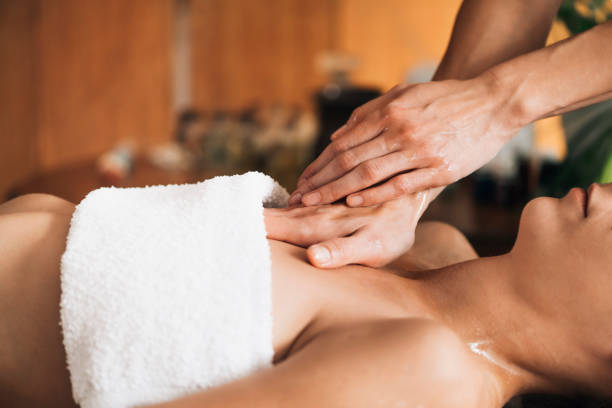
Abhyanga is a traditional Ayurvedic oil massage that helps nourish the body, calm the nervous system, improve circulation, support healthy skin, and promote overall well-being. When performed regularly with suitable herbal oils, it can become a valuable part of a holistic self-care routine and Ayurvedic lifestyle.
The many abhyanga benefits have made this ancient Ayurvedic practice increasingly popular among people seeking natural ways to support their overall wellness. While self-massage can be part of a daily routine, a professionally guided Abhyanga therapy offers a more personalized experience. At Sitaram Retreat, authentic physician-led Ayurvedic therapies are thoughtfully integrated into comprehensive wellness programs designed to support long-term health and balance.
What Is Abhyanga in Ayurveda?
Abhyanga is a traditional Ayurvedic massage that involves applying warm herbal oils to the body using rhythmic, gentle strokes. The word “Abhyanga” comes from Sanskrit and refers to oil massage performed with the intention of nourishing both the body and the mind.
In Ayurveda, Abhyanga is considered an important part of Dinacharya, or the daily wellness routine. Rather than being viewed as an occasional spa treatment, it is regarded as a preventive practice that supports healthy living through regular self-care. To understand how this fits within the broader structure of classical Ayurveda, our overview of the eight branches (Ashtanga) of classical Ayurveda provides useful context.
Warm medicated oils are selected according to an individual’s body constitution, known as Dosha (Vata, Pitta, or Kapha), making every treatment unique to the person’s needs.
Top Abhyanga Benefits for Overall Wellness
The growing interest in abhyanga benefits stems from Ayurveda’s holistic approach to caring for both physical and emotional well-being. Here are some of the most recognized advantages of incorporating this practice into your routine.
1. Helps Reduce Everyday Stress
The soothing application of warm herbal oils combined with gentle massage can encourage relaxation after physically or mentally demanding days. Many people include Abhyanga in their wellness routines to create moments of calm and mindfulness. For those dealing with persistent stress, our dedicated guide on ayurvedic treatment for stress and ayurvedic treatment for anxiety explores how Ayurveda approaches these concerns more comprehensively.
2. Supports Better Sleep
Relaxing the muscles and promoting a sense of calm may help prepare the body for restful sleep. This is one reason Abhyanga is often recommended as part of an evening self-care ritual.
3. Encourages Healthy Blood Circulation
The massage movements stimulate the body’s tissues and may support healthy circulation, allowing nutrients and oxygen to reach different parts of the body more efficiently. This circulatory benefit is also relevant for those managing conditions like varicose veins, where improved circulation plays an important role.
4. Nourishes and Softens the Skin
Herbal oils help moisturize the skin while supporting its natural protective barrier. Regular practice may leave the skin feeling softer, smoother, and healthier.
5. Helps Ease Muscle Tightness
Whether caused by long working hours, exercise, or daily activities, muscle stiffness may improve with regular oil massage that gently relaxes the muscles.
6. Supports Joint Comfort
Abhyanga is traditionally believed to lubricate joints and improve mobility, making it a valuable addition to an active lifestyle.
7. Promotes Mind-Body Awareness
Taking time for a mindful massage encourages individuals to reconnect with their bodies, helping create greater awareness of physical tension and overall well-being.
8. Complements a Holistic Lifestyle
Among the many abhyanga benefits, perhaps the greatest is its ability to encourage consistent self-care, supporting both physical wellness and emotional balance through regular practice. Seasonal Ayurvedic routines are an important part of this — our guide on staying healthy during Varsha Ritu and the principles of fasting (Upvaas) according to Ayurveda explore how Abhyanga fits into the broader seasonal and daily rhythm.
Abhyanga Massage Benefits Beyond Relaxation
The abhyanga massage benefits extend beyond simply feeling relaxed after a massage. Ayurveda considers this therapy an important wellness practice that supports multiple systems of the body simultaneously.
Regular Abhyanga may contribute to:
- Healthier-looking skin
- Greater flexibility
- Improved comfort after physical activity
- Reduced feelings of daily fatigue
- Better body awareness
- A calming self-care routine
When practiced consistently under proper guidance, these abhyanga benefits become part of a broader Ayurvedic lifestyle focused on prevention rather than correction.
How Abhyanga Supports Dosha Balance
Ayurveda teaches that every individual has a unique balance of Vata, Pitta, and Kapha energies.
Vata
Warm sesame-based herbal oils are commonly used to help nourish dry skin and support individuals who may experience restlessness or dryness.
Pitta
Cooling oils such as coconut-based preparations may be selected to provide a soothing experience for those with excess heat.
Kapha
Lighter oils combined with invigorating massage techniques may help stimulate circulation and encourage movement.
Choosing the appropriate oil and massage technique is an important reason why professional Ayurvedic consultation is valuable.
Which Oils Are Commonly Used for Abhyanga?
The effectiveness of Abhyanga depends not only on the massage technique but also on selecting suitable oils.
Common choices include:
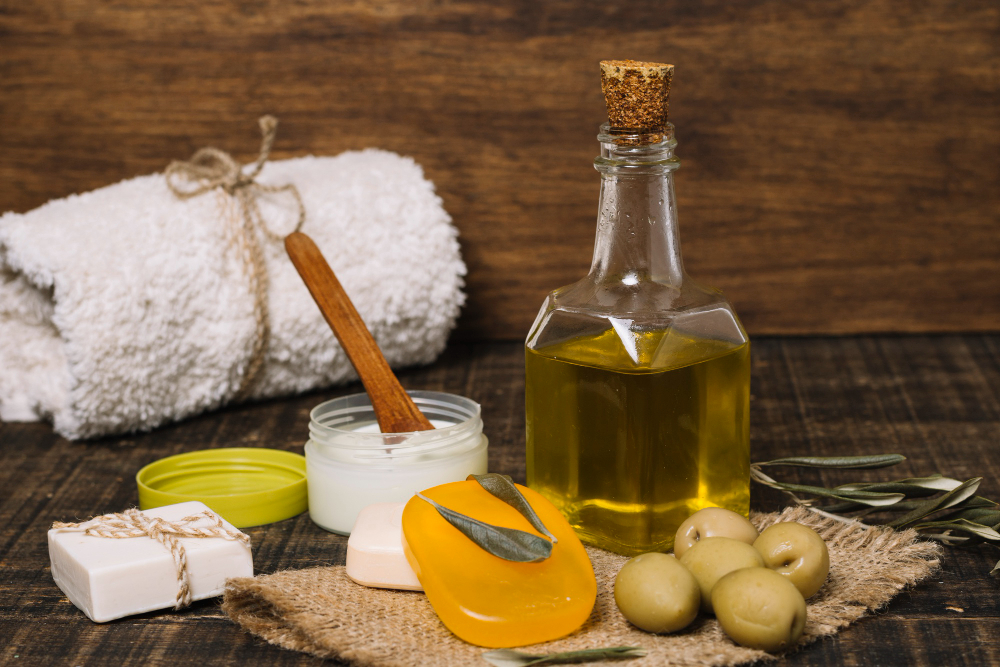
- Sesame oil for nourishing and warming
- Coconut oil for cooling and soothing
- Herbal medicated oils prepared according to Ayurvedic formulations
- Dosha-specific oils recommended by Ayurvedic physicians
At professional Ayurvedic centres, oils are carefully selected based on each person’s constitution rather than using the same product for everyone.
How to Perform Abhyanga at Home
If you’re interested in experiencing some abhyanga benefits at home, following a simple routine can be helpful.
- Warm the chosen oil slightly.
- Begin massaging the scalp, face, and neck using gentle circular movements.
- Continue towards the shoulders, arms, chest, abdomen, back, legs, and feet.
- Use circular strokes around joints and long strokes along the limbs.
- Leave the oil on for 15–20 minutes.
- Finish with a warm bath or shower.
While home practice is beneficial for many people, therapeutic Abhyanga performed by trained Ayurvedic therapists offers a more personalized and comprehensive experience.
Who Can Benefit from Abhyanga?
Many individuals choose Abhyanga as part of their wellness routine, including:
- Busy professionals managing everyday stress
- Older adults seeking gentle self-care
- Yoga and meditation practitioners
- Athletes after physical activity
- Individuals following Ayurvedic lifestyle practices
- Anyone looking to establish a consistent wellness routine
Because every person has different health needs, Ayurvedic guidance helps determine the most suitable approach.
When Should Abhyanga Be Avoided?
Although the abhyanga benefits are widely appreciated, there are situations where oil massage may not be appropriate.
It is generally advisable to avoid Abhyanga if you have:
- Fever
- Acute infections
- Open wounds
- Certain contagious skin conditions
- Severe digestive discomfort immediately after meals
If you have an existing medical condition or are unsure whether Abhyanga is suitable for you, consult a qualified healthcare professional or experienced Ayurvedic physician before beginning treatment.
Why Choose Professional Abhyanga Therapy?
While self-massage supports daily wellness, professional Abhyanga offers additional advantages.
An experienced Ayurvedic practitioner evaluates your body constitution, lifestyle, and wellness goals before selecting appropriate herbal oils and massage techniques. This personalized approach helps ensure the therapy aligns with your individual needs.
Professional Abhyanga is also commonly incorporated into Panchakarma programs, where it works alongside other traditional Ayurvedic therapies under physician supervision.
Experience Authentic Ayurveda at Sitaram Retreat
At Sitaram Retreat, Abhyanga is more than a relaxing oil massage—it’s an integral part of authentic Ayurvedic healing. With over a century of Ayurvedic heritage, experienced physicians create personalized wellness plans using traditional therapies, carefully selected herbal oils, and time-tested treatment protocols.
Whether you’re seeking stress management, preventive wellness, or a deeper Ayurvedic experience through Panchakarma, Sitaram Retreat provides a peaceful environment where nature, Ayurveda, yoga, and mindful living come together. Explore our wellness programs and experience personalized Ayurvedic care designed to support your long-term health and well-being.
Frequently Asked Questions
Q1. How is Abhyanga different from a regular oil massage?
Abhyanga follows Ayurvedic principles, using dosha-specific herbal oils and traditional massage techniques to support holistic wellness rather than focusing only on relaxation.
Q2. How often should Abhyanga be performed?
Many Ayurvedic practitioners recommend regular practice based on individual needs. Some people perform self-Abhyanga several times a week, while therapeutic sessions are scheduled according to personalized guidance.
Q3. Can Abhyanga improve sleep quality?
Many people find that Abhyanga promotes relaxation before bedtime, making it a helpful addition to a calming evening routine.
Q4. Can I perform Abhyanga at home?
Yes. Home self-massage using suitable oils is a common Ayurvedic practice. However, professional treatments provide individualized care and techniques.
Q5. Is Abhyanga suitable for everyone?
While many adults can enjoy abhyanga benefits, those with certain medical conditions, infections, or skin disorders should seek professional advice before beginning treatment.
Q6. Will Abhyanga help with everyday stress?
Many individuals use Abhyanga as part of their stress-management routine because the warm oil massage encourages relaxation and supports overall well-being.
Q7. What are the biggest Abhyanga benefits?
Some of the most recognized abhyanga benefits include relaxation, healthier skin, improved circulation, muscle comfort, better sleep, and support for a balanced Ayurvedic lifestyle.
Q8. Why should I choose professional Abhyanga instead of self-massage?
Professional Ayurvedic therapists use physician-recommended herbal oils, personalized techniques, and traditional protocols that provide a more comprehensive therapeutic experience than home self-massage.
TABLE OF CONTENTS
- What Is Abhyanga in Ayurveda?
- Top Abhyanga Benefits for Overall Wellness
- Abhyanga Massage Benefits Beyond Relaxation
- How Abhyanga Supports Dosha Balance
- Which Oils Are Commonly Used for Abhyanga?
- How to Perform Abhyanga at Home
- Who Can Benefit from Abhyanga?
- When Should Abhyanga Be Avoided?
- Why Choose Professional Abhyanga Therapy?
- Experience Authentic Ayurveda at Sitaram Retreat
- Frequently Asked Questions