retreat@sitaramayurveda.com
 +91 813 8888 912


Ayurvedic Treatment for Piles and Fissure/Fistula: What’s the Difference?

By Vignesh Devraj
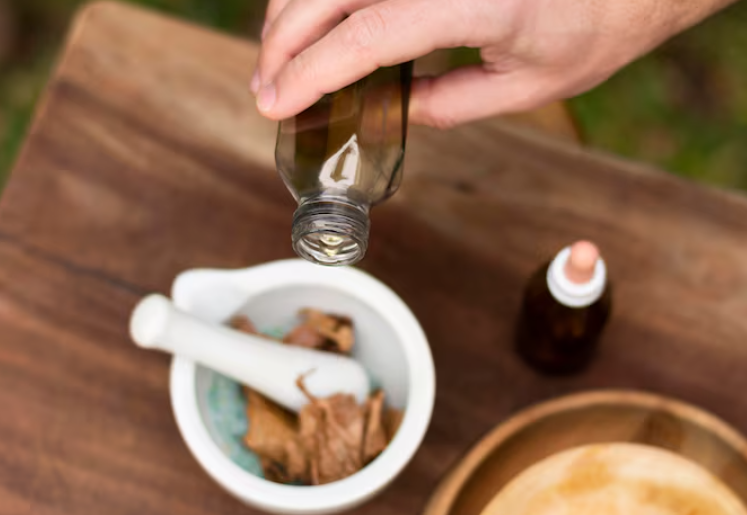
The best ayurvedic treatment for piles and fissure may include physician-guided herbal formulations, dietary changes, bowel management, and supportive therapies such as warm sitz baths. Traditional options include Chiruvilwadi Kashayam and Jatyadi preparations. For selected fistula cases, Kshara Sutra is a specialised Ayurvedic para-surgical treatment performed by trained practitioners.
Anal discomfort, bleeding, and painful bowel movements can have different causes, including piles, fissures, and fistulas. Although their symptoms sometimes overlap, their treatment needs are not the same. At Sitaram Retreat, we bring traditional Ayurvedic knowledge and personalised physician-guided wellness experiences together. Explore our Ayurvedic therapies to understand your care options.
Bowel health and digestion are closely connected, and the same dietary habits that ease constipation also support overall gut comfort. Our article on the Ayurvedic approach to GERD explains how Ayurveda looks at digestion, diet and the role of Agni in daily wellbeing.
What Is the Difference Between Piles, Fissure and Fistula?
Piles, fissures, and fistulas affect the anal region but involve different problems.
- Piles (Haemorrhoids): Swollen blood vessels inside or around the anus and lower rectum.
- Anal fissure: A small tear in the lining of the anal canal, commonly caused by passing hard stools.
- Anal fistula: An abnormal tunnel between the anal canal and the surrounding skin, usually developing after an infection or abscess.
| Factor | Piles | Fissure | Fistula |
| Main problem | Swollen blood vessels | Small tear | Abnormal tunnel |
| Common symptoms | Bleeding, itching, swelling | Sharp pain, bleeding | Discharge, swelling, pain |
| Common cause | Constipation and straining | Hard stools or diarrhoea | Infection or abscess |
| Treatment | Depends on severity | Depends on severity | Often requires a procedure |
Understanding these differences is important because treating one condition as another can delay appropriate care.
Understanding Piles: Symptoms, Causes and Ayurvedic Perspective
Piles, traditionally known as Arsha in Ayurveda, develop when blood vessels around the anus and lower rectum become swollen. They may be internal or external and are classified into four grades depending on their severity and whether they protrude outside the anus.
Common symptoms include:
- Bright-red bleeding during bowel movements.
- Itching and irritation around the anus.
- Swelling or lumps near the anal opening.
- Discomfort while sitting.
- Pain, particularly with external piles or complications.
Constipation, straining, prolonged sitting, and inadequate dietary fibre can contribute to piles.
Ayurveda considers digestive function, bowel regularity, and individual constitution when approaching this condition. The concept of Agni, or digestive fire, is particularly relevant to its traditional understanding.
Anal fissures cause sharp pain and bleeding during bowel movements, and their care depends on the cause, severity and bowel habits. To see how Sitaram Retreat approaches this condition in detail, you can read about Ayurvedic treatment for fissure on our conditions page.
Understanding Anal Fissures: Symptoms and Causes
An anal fissure is a small tear in the delicate lining of the anal canal. It commonly develops after passing hard or large stools, although persistent diarrhoea can also contribute.
Common symptoms include:
- Sharp pain while passing stools.
- Burning discomfort that may continue afterwards.
- Small amounts of bright-red blood.
- Tightness or spasms around the anal opening.
Unlike piles, where swollen blood vessels are involved, fissures primarily affect the anal lining.
The best ayurvedic treatment for piles and fissure should therefore not be considered a single approach for both conditions. A suitable plan needs to account for the underlying cause, severity, bowel habits, and individual symptoms.
Understanding Anal Fistulas: Symptoms and Causes
An anal fistula, traditionally associated with Bhagandara in Ayurveda, is an abnormal passage that forms between the anal canal and nearby skin. It commonly develops following an infection that causes an abscess.
Common symptoms include:
- Persistent or recurring discharge near the anus.
- Pain and swelling.
- Skin irritation.
- Pus or blood discharge.
- Fever when an active infection or abscess is present.
Fistulas are different from both piles and fissures. Unlike many uncomplicated fissures, anal fistulas rarely heal without intervention and often require surgical treatment. A colorectal specialist should assess their location and complexity.
What Is the Best Ayurvedic Treatment for Piles and Fissure?
The best ayurvedic treatment for piles and fissure starts with understanding the condition rather than choosing a medicine based only on symptoms.
Traditional Ayurvedic management may include:
- Personalised formulations: A qualified Ayurvedic physician may recommend suitable classical formulations based on individual assessment.
- Dietary adjustments: Fibre-rich foods, vegetables, fruits, and adequate water help support regular bowel movements.
- Bowel habits: Avoid straining and prolonged sitting on the toilet.
- Warm sitz baths: These may help ease discomfort associated with fissures and piles.
- Lifestyle changes: Regular movement and appropriate daily routines can support digestive health.
Persistent fissures may require prescription medicines or procedures. Ayurvedic care should not delay appropriate medical treatment when symptoms worsen or fail to improve.
What Is the Best Ayurvedic Treatment for Piles and Fistula?
The best ayurvedic treatment for piles and fistula depends on the diagnosis and the nature of each condition. Piles and fistulas should never be treated as interchangeable problems.
Ayurveda traditionally describes several approaches to anorectal health, including selected herbal formulations and Kshara Sutra, a specialised para-surgical technique used for certain fistula cases by trained practitioners.
However, most anal fistulas require a specialist procedure or surgery. The appropriate treatment depends on the fistula’s anatomy, its relationship with the anal sphincter, and whether infection is present.
Ayurvedic support may be discussed with qualified practitioners, but it should not replace necessary surgical assessment or treatment.
Ayurvedic care is built around individual assessment, and each health concern is planned differently. To see how a condition-based plan is explained for another concern, you can explore our page on Ayurvedic treatment for joint pain to understand how Sitaram Retreat structures personalised care.
Which Ayurvedic Medicines Are Traditionally Used for Piles?
Sitaram Ayurveda offers a dedicated range of formulations for piles care, reflecting its classical Ayurvedic heritage.
One formulation featured in the collection is Chiruvilwadi Kashayam Tablets. Its traditional ingredients include Chirubilwa, Punarnava, Agni, Abhaya, Pippali, Nagara, and Saindhava. The formulation is traditionally associated with digestive function and bowel regularity.
Other products available in the collection include:
- Poothikasavam.
- Pippalyadi Anuvasana Thailam.
- Jatyadi Coconut Oil.
- Jatyadi Ghritham.
- Bahusala Gulam.
Each preparation has its own traditional formulation and intended use. The best ayurvedic treatment for piles and fissure cannot be determined by selecting a product without considering the individual’s condition.
Explore the Sitaram Ayurveda Piles Collection to learn more about the available formulations.
Always consult a qualified physician for product selection, dosage, and suitability. These formulations should not be considered proven cures for fissures or fistulas.
Diet and Lifestyle Practices That Support Bowel Health
Daily habits play an important role in maintaining bowel regularity and reducing straining.
Consider these practical measures:
- Include fibre-rich foods such as vegetables, fruits, oats, and whole grains.
- Drink sufficient water throughout the day.
- Avoid delaying bowel movements.
- Stay physically active.
- Limit prolonged sitting.
- Maintain consistent meal and sleep routines.
These habits may help reduce constipation-related discomfort, although they cannot independently treat every anorectal condition.
When Should You Consult a Doctor?
Do not ignore persistent or worsening symptoms. Seek medical assessment if you experience:
- Repeated rectal bleeding.
- Severe or increasing anal pain.
- Pus or persistent discharge.
- Swelling accompanied by fever.
- Symptoms that do not improve with basic care.
Rectal bleeding should never automatically be attributed to piles. A proper examination helps identify the cause and determine the right treatment.
Begin Your Ayurvedic Wellness Journey with Sitaram Retreat
Your health deserves attention that goes beyond temporary relief. At Sitaram Retreat, our Ayurvedic approach brings together traditional healing knowledge, personalised physician consultations, and wellness practices designed around individual needs.
With over 100 years of Ayurvedic heritage, our Beach Retreat in Thrissur and Mountain Retreat in Munnar offer thoughtfully designed environments for exploring Ayurveda through guided treatments, Panchakarma, mindful living, and Ayurvedic cuisine.
If you are exploring the best ayurvedic treatment for piles and fissure, or seeking guidance about related anorectal concerns, take the first step by speaking with our Ayurvedic physicians. They can help you understand suitable care options and whether a retreat programme is appropriate for your condition.
Discover a more mindful approach to wellbeing with Sitaram Retreat.
Explore Sitaram Retreat | Meet Our Ayurvedic Physicians | Explore Our Ayurvedic Therapies
Medical disclaimer: This article provides general educational information and is not a substitute for professional diagnosis or treatment. Ayurvedic medicines and therapies should be used under qualified medical supervision. Anal fistulas, persistent bleeding, severe pain, and signs of infection require appropriate medical evaluation.
Frequently Asked Questions
Q1. How Can I Tell Whether I Have Piles, Fissure or Fistula?
Piles commonly cause swelling, itching, and bleeding. Fissures usually cause sharp pain during bowel movements, while fistulas often produce recurring discharge, swelling, and irritation. A medical examination is necessary for diagnosis.
Q2. Can Ayurvedic Treatment Help Manage Piles and Fissures?
Traditional Ayurvedic care may support symptom management through physician-selected formulations and dietary adjustments. However, persistent or severe symptoms require medical assessment, and treatment should be based on an accurate diagnosis.
Q3. Is the Best Ayurvedic Treatment for Piles and Fistula the Same as for Fissures?
No. Piles, fissures, and fistulas have different underlying causes. Fistulas often require surgical intervention, while uncomplicated fissures and piles may respond to conservative treatment.
Q4. Will a Fissure Turn Into a Fistula?
An anal fissure does not normally turn into a fistula. They are separate conditions, although both can occur in the same person.
Q5. What Is the Best Ayurvedic Treatment for Piles and Fissure?
There is no universal treatment. A qualified Ayurvedic physician should assess the symptoms and recommend an appropriate approach. Dietary changes and bowel regularity may also support care.
Q6. What Ayurvedic Medicine Does Sitaram Offer for Piles?
Sitaram Ayurveda offers formulations such as Chiruvilwadi Kashayam Tablets, Poothikasavam, and Pippalyadi Anuvasana Thailam in its dedicated piles collection. Consult a physician before using any formulation.
Q7. Why Is Medical Consultation Important for an Anal Fistula?
An anal fistula may involve an underlying infection and rarely heals on its own. Specialist assessment helps determine its complexity and whether a surgical procedure is necessary.
Q8. Can Diet and Lifestyle Changes Prevent Piles and Fissures?
A fibre-rich diet, sufficient hydration, regular physical activity, and avoiding straining can help reduce constipation and support bowel health. These measures cannot guarantee prevention.
TABLE OF CONTENTS
- What Is the Difference Between Piles, Fissure and Fistula?
- Understanding Piles: Symptoms, Causes and Ayurvedic Perspective
- Understanding Anal Fissures: Symptoms and Causes
- Understanding Anal Fistulas: Symptoms and Causes
- What Is the Best Ayurvedic Treatment for Piles and Fissure?
- What Is the Best Ayurvedic Treatment for Piles and Fistula?
- Which Ayurvedic Medicines Are Traditionally Used for Piles?
- Diet and Lifestyle Practices That Support Bowel Health
- When Should You Consult a Doctor?
- Begin Your Ayurvedic Wellness Journey with Sitaram Retreat
- Frequently Asked Questions