retreat@sitaramayurveda.com
 +91 813 8888 912


Ayurveda vs Surgery for Piles: Which Treatment Is Best?

By Vignesh Devraj

Ayurveda offers traditional medicines and physician-guided therapies, while allopathy includes medicines, minimally invasive procedures, and surgery. Early piles may improve with conservative care, whereas advanced cases may require surgical treatment.
Piles can make everyday activities, including sitting and using the toilet, uncomfortable. When comparing Ayurvedic and conventional treatment, the right choice depends on the type and grade of piles. At Sitaram Retreat, traditional Ayurvedic care takes a personalised approach to wellness. But how do you know which treatment suits your condition?
Piles and other digestive concerns are closely linked to bowel habits, diet and acid balance, so it helps to understand how Ayurveda looks at the gut as a whole. Our article on the Ayurvedic approach to GERD explains how digestion and diet are managed in traditional care.
What Are Piles and Why Do They Develop?
Piles, medically known as haemorrhoids, are swollen blood vessels in and around the anus and lower rectum. They can cause itching, discomfort, pain, swelling, and bleeding during bowel movements.
Common causes and contributing factors include:
- Chronic constipation and straining during bowel movements.
- Low-fibre dietary habits.
- Sitting on the toilet for prolonged periods.
- Pregnancy and age-related changes.
- Chronic diarrhoea and irregular bowel habits.
Piles are classified into four grades depending on the extent of internal haemorrhoid prolapse. Grade 1 remains inside the rectum, while Grade 2 comes out during bowel movements but returns naturally. Grade 3 requires manual repositioning, and Grade 4 remains prolapsed.
Understanding the grade is important when deciding which treatment is appropriate.
Which Treatment Is Best for Piles Ayurvedic or Allopathy?
There is no universal answer to which treatment is best for piles ayurvedic or allopathy. Both approaches offer different forms of care, and their suitability depends on individual symptoms, medical history, and the severity of the condition.
1. Ayurvedic Treatment for Piles
Ayurveda approaches piles, traditionally known as Arsha, by considering digestive health, bowel regularity, dietary habits, and individual constitution.
Treatment may involve:
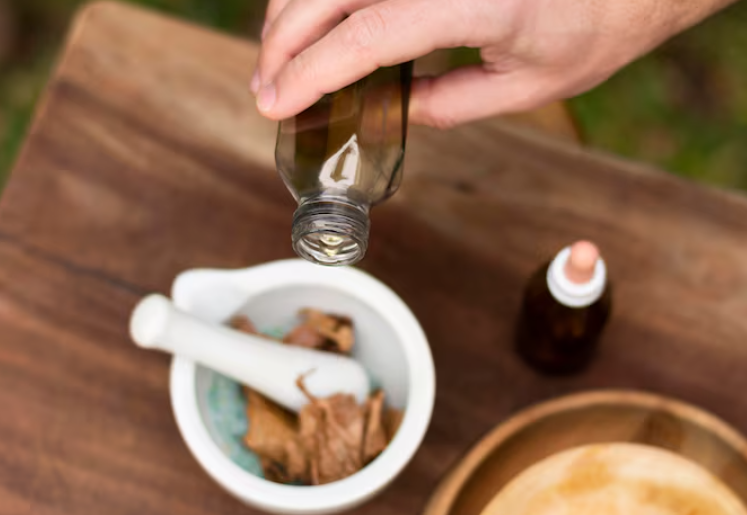
- Ayurvedic medicines: Physician-selected classical formulations based on individual assessment.
- Dietary modifications: Fibre-rich foods and suitable dietary habits to support regular bowel movements.
- Lifestyle changes: Managing constipation, avoiding straining, and maintaining physical activity.
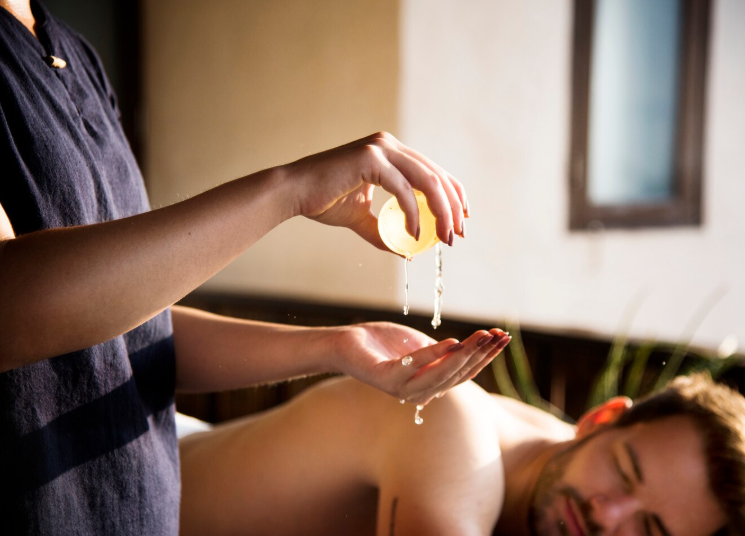
- External applications: Certain traditional preparations may be recommended by a qualified practitioner.
- Traditional procedures: Kshara Karma and Kshara Sutra may be considered in selected cases under appropriate medical supervision.
The choice of treatment depends on the patient’s condition. Ayurvedic medicines should not be considered a guaranteed cure or a substitute for necessary medical intervention.
2. Allopathic Treatment for Piles
Conventional medicine offers different treatment options depending on the symptoms and severity of haemorrhoids.
These include:
- Medicines: Topical creams, pain-relieving preparations, and other prescribed medicines may help manage discomfort.
- Stool softeners: These may help reduce straining associated with constipation.
- Rubber band ligation: A doctor places a small band around an internal haemorrhoid to cut off its blood supply.
- Sclerotherapy: A solution is injected into the haemorrhoid to help shrink it.
- Laser procedures: Selected techniques use laser energy to treat haemorrhoidal tissue.
- Haemorrhoidectomy: Surgery removes problematic haemorrhoidal tissue in appropriate cases.
Medical treatment is selected according to the diagnosis, symptoms, and response to conservative management.
Since Ayurvedic care is built around individual assessment, it is worth seeing how a condition-based plan is explained for other health concerns too. You can explore our page on Ayurvedic treatment for joint pain to see how Sitaram Retreat structures personalised care.
Ayurvedic vs Surgery for Piles: What Is the Difference?
Understanding the difference between traditional Ayurvedic management and surgical treatment helps patients make informed decisions.
| Comparison factor | Ayurvedic treatment | Surgical treatment |
| Approach | Traditional medicines, lifestyle changes, and selected procedures | Medical procedures to manage or remove haemorrhoidal tissue |
| Suitability | Depends on individual assessment | Often considered for persistent or advanced cases |
| Invasiveness | Varies depending on the treatment | Depends on the procedure |
| Recovery | Varies by medicine or procedure | Depends on the surgical technique |
| Main consideration | Individualised traditional care | Clinical effectiveness and management of problematic tissue |
When evaluating which treatment is best for piles ayurvedic or allopathy, patients should consider their diagnosis rather than choosing an approach based only on recovery expectations or personal preference.
Can Ayurvedic Treatment Help Avoid Surgery?
Some people with early-stage piles may improve through dietary changes, constipation management, and appropriate conservative treatment. Ayurvedic medicines and physician-guided care may form part of an individual treatment plan.
However, advanced prolapsed piles, persistent bleeding, or severe symptoms may require medical procedures or surgery. Delaying necessary treatment in favour of medicines alone can create additional complications.
Anal and rectal discomfort is not limited to piles, and conditions such as fissures show similar symptoms like pain and bleeding during bowel movements. To understand how a related condition is approached, you can read about Ayurvedic treatment for fissure at Sitaram Retreat.
Which Treatment Is Suitable for Different Grades of Piles?
The severity of haemorrhoids plays an important role in treatment selection.
- Grade 1: Dietary changes, fibre intake, hydration, and appropriate medical management are generally the first steps.
- Grade 2: Conservative management may help, although persistent symptoms can require procedures such as rubber band ligation.
- Grade 3: Specialist assessment is important. Office-based procedures or surgery may be considered depending on the symptoms.
- Grade 4: Surgical evaluation is generally important, particularly when the prolapse is persistent or complicated.
This is why deciding which treatment is best for piles ayurvedic or allopathy requires a proper examination. The same treatment may not be suitable for everyone.
How Can You Prevent Piles from Returning?
Healthy bowel habits can help reduce the risk of recurrent symptoms and support digestive health.
Follow these practical measures:
- Include vegetables, fruits, whole grains, and other fibre-rich foods in your diet.
- Drink adequate water throughout the day.
- Avoid straining during bowel movements.
- Do not sit on the toilet for unnecessarily long periods.
- Stay physically active.
- Address persistent constipation rather than ignoring it.
- Follow your doctor’s advice after treatment.
These habits are useful alongside appropriate medical care, regardless of the treatment approach.
Sitaram Ayurveda Medicines for Piles
For people exploring traditional Ayurvedic formulations, Sitaram Ayurveda offers a dedicated collection of products for piles.
The collection includes:
- Chiruvilwadi Kashayam Tablet: A traditional Ayurvedic formulation available in tablet form.
- Jatyadi Coconut Oil: An external Ayurvedic preparation.
- Jatyadi Ghritham: A traditional ghee-based Ayurvedic preparation.
- Bahusala Gulam: A classical Ayurvedic formulation.
- Pippalyadi Anuvasana Thailam: A traditional Ayurvedic oil preparation.
- Poothikasavam: A classical Ayurvedic formulation in liquid form.
Each preparation has its own formulation and intended use. Selection should depend on professional assessment, product directions, and individual health requirements. Consult a qualified Ayurvedic physician before using these products, particularly if you experience bleeding or persistent symptoms.
Explore the Sitaram Ayurveda Piles Medicine Collection to view the available formulations.
Explore Ayurvedic Wellness at Sitaram Retreat
Choosing between traditional Ayurvedic care and conventional treatment begins with understanding your condition. At Sitaram Retreat, Ayurveda is approached through individual assessment, traditional healing practices, and a wellness-focused way of life.
With a legacy spanning over 100 years, Sitaram brings traditional Ayurvedic experiences to its Beach Retreat in Thrissur and Mountain Retreat in Munnar. Its approach combines physician-guided care with personalised wellness experiences, dietary practices, and holistic living.
If you are exploring Ayurvedic care for piles, connect with the Sitaram team to understand the available treatment options and whether a physician-guided programme is suitable for your needs.
Take the first step towards informed Ayurvedic care.
Explore Sitaram Retreat | Learn About Ayurvedic Treatment for Piles
Medical disclaimer: This article is intended for general educational purposes and does not replace professional medical diagnosis or treatment. Rectal bleeding and persistent symptoms require appropriate medical evaluation. Treatment decisions should be made with qualified healthcare professionals.
Frequently Asked Questions
Q1. How do I choose between Ayurvedic and allopathic treatment for piles?
Start with a medical assessment to determine the type and grade of piles. Discuss the benefits and limitations of both approaches with qualified practitioners before selecting a treatment.
Q2. Can piles be treated permanently with Ayurveda?
Ayurvedic treatment may help manage certain symptoms, depending on the condition and treatment selected. However, permanent relief cannot be guaranteed, and some cases require medical procedures.
Q3. Is surgery necessary for Grade 2 piles?
No. Many Grade 2 cases respond to conservative management. Persistent symptoms may require an office-based procedure, depending on the doctor’s assessment.
Q4. Will piles return after surgery?
Recurrence is possible after surgery. Maintaining healthy bowel habits, managing constipation, and following medical advice can help reduce the risk.
Q5. What is the difference between laser surgery and Kshara Sutra?
Laser procedures use laser energy to treat haemorrhoidal tissue, while Kshara Sutra is a traditional Ayurvedic technique involving a specially prepared medicated thread. They are different procedures with different indications and recovery considerations.
Q6. Why is fibre important for piles?
Fibre helps soften stools and makes bowel movements easier. This reduces straining, which can aggravate haemorrhoids and contribute to recurring symptoms.
Q7. Can I take Ayurvedic medicine while using allopathic medicines?
Do not combine treatments without consulting your healthcare providers. Some formulations may interact with medicines or may not be suitable for certain health conditions.
Q8. What are the warning signs that require medical attention?
Persistent rectal bleeding, severe anal pain, worsening swelling, and changes in bowel habits require medical evaluation. Heavy bleeding, severe pain with fever, or abdominal discomfort should receive urgent medical attention.
TABLE OF CONTENTS
- What Are Piles and Why Do They Develop?
- Which Treatment Is Best for Piles Ayurvedic or Allopathy?
- Ayurvedic vs Surgery for Piles: What Is the Difference?
- Which Treatment Is Suitable for Different Grades of Piles?
- How Can You Prevent Piles from Returning?
- Sitaram Ayurveda Medicines for Piles
- Explore Ayurvedic Wellness at Sitaram Retreat
- Frequently Asked Questions