retreat@sitaramayurveda.com
 +91 813 8888 912

What Is Shirodhara? A Complete Guide to This Ayurvedic Therapy

By Vignesh Devraj
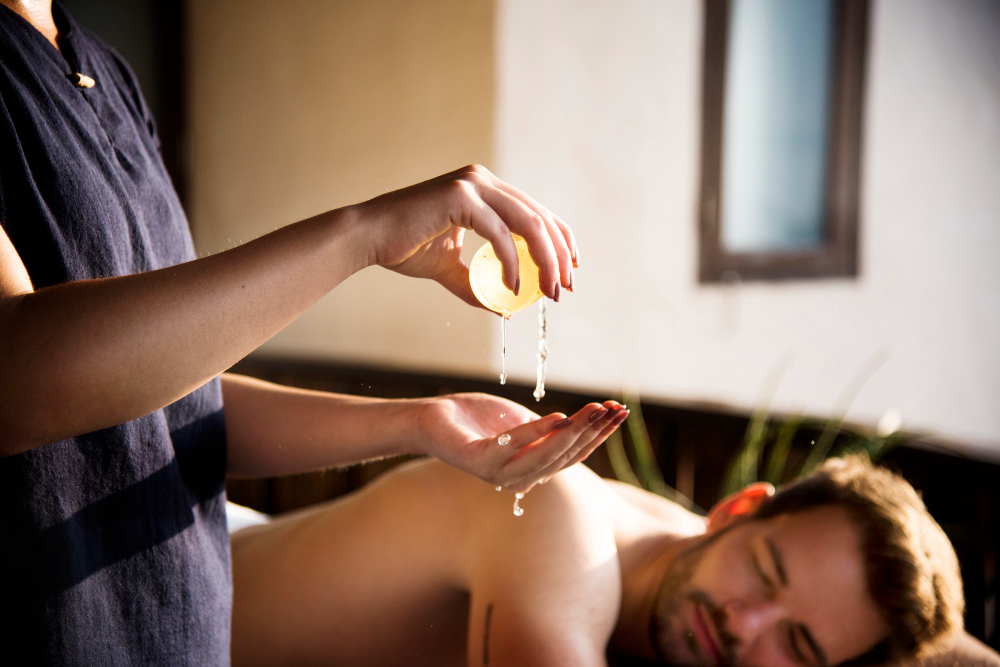
Shirodhara is a traditional Ayurvedic therapy in which a steady, gentle stream of warm oil or another selected liquid is poured over the forehead in a rhythmic flow. It is traditionally used to encourage relaxation, support mental calmness and promote overall wellbeing. The treatment is personalised according to Ayurvedic principles.
What is Shirodhara? It is a traditional Ayurvedic therapy where warm oil, herbal decoction, milk or buttermilk is gently poured over the forehead in a continuous, rhythmic stream. The practice is associated with relaxation and mental wellbeing and is selected according to individual Ayurvedic needs. At Sitaram Retreat, it forms part of a personalised Ayurvedic approach.
What Is Shirodhara in Ayurveda?
The word Shirodhara comes from two Sanskrit terms: “Shiro,” meaning head, and “Dhara,” meaning continuous flow. In Ayurveda, the therapy involves allowing a carefully selected liquid to flow steadily over the forehead while the individual rests comfortably.
Unlike a simple oil massage, the defining feature is the uninterrupted, rhythmic stream. The treatment is traditionally approached as a calming therapy for the head and mind, with the choice of liquid, duration and overall protocol determined according to the individual’s Ayurvedic assessment.
Sitaram Retreat describes the therapy as using oil, decoction, milk or buttermilk, depending on the treatment approach. Its broader Ayurvedic philosophy also emphasises that therapies, oils, herbs, diet and yoga may be customised after consultation and evaluation.
This personalised element is important. Ayurvedic therapies are not necessarily designed as identical experiences for everyone.
Learn the panchakarma meaning to understand its traditional Ayurvedic principles and role in promoting balance and overall well-being.
How Does Shirodhara Work?
The traditional Shirodhara process combines three important elements: the selected therapeutic liquid, a continuous flow and a calm treatment environment.
The liquid is allowed to fall gently onto the forehead from a vessel positioned above the head. The therapist controls the flow and moves the vessel in a measured, rhythmic manner. This creates a repetitive sensory experience that many people find deeply soothing.
From an Ayurvedic perspective, the therapy is traditionally associated with calming and balancing the mind and supporting harmony between the body and mind. Sitaram Retreat describes its use within Ayurvedic care for concerns including mental tension and sleeplessness.
It is important, however, to distinguish traditional Ayurvedic use from guaranteed medical outcomes. Individual experiences can vary, and the therapy should be administered by appropriately trained practitioners.
Explore, what is panchakarma treatment to understand its traditional Ayurvedic approach and how it is used to support cleansing, balance, and overall well-being.
What Happens During a Shirodhara Treatment?
A professional Shirodhara session is more than simply pouring oil over the forehead. Preparation, positioning, temperature, and technique all contribute to the experience.
1. Ayurvedic Assessment and Preparation
A practitioner may first consider your constitution, current concerns, physical strength, and overall condition. This helps determine whether the therapy is appropriate and which therapeutic substance and approach should be used.
Sitaram Retreat states that its Ayurvedic physicians select treatment courses following consultation and evaluation, with choices such as oils, herbs, diet and yoga customised accordingly.
2. Gentle Abhyanga
A mild Abhyanga massage, or Ayurvedic oil massage, may be performed before the main therapy. At Sitaram Retreat, this is part of the described procedure.
This preparatory step helps create a relaxed setting before the continuous flow begins.
3. Comfortable Positioning
The individual lies comfortably on a treatment table. The eyes are protected from the liquid, and a vessel containing the selected warm liquid is positioned above the forehead.
The temperature should be comfortable rather than excessively hot, and the treatment should always be supervised by a trained therapist.
4. Rhythmic Flow Over the Forehead
The therapist allows a fine stream of liquid to flow continuously over the forehead and gently moves the vessel back and forth. Sitaram Retreat describes this rhythmic movement as a central part of its procedure.
The quiet repetition is one of the defining sensory characteristics of the therapy.
5. Rest After the Treatment
After the treatment, it is generally helpful to allow some quiet time rather than immediately returning to a demanding schedule. Your practitioner can provide specific advice regarding bathing, hair care, food, and other post-treatment practices.
Discover, abhyanga benefits for relaxation, nourishment, improved circulation, and overall Ayurvedic wellness.
What Is Used in Shirodhara?
One reason Shirodhara can vary from person to person is that the liquid used does not have to be the same in every treatment.
Shirodhara Oil
Warm herbal oils are commonly associated with the therapy. The specific oil may be selected according to Ayurvedic principles and the individual’s needs.
Herbal Decoctions
Certain traditional protocols may use a prepared herbal decoction instead of oil. The choice depends on the practitioner and the intended Ayurvedic approach.
Milk or Buttermilk
Sitaram Retreat specifically notes that milk and buttermilk may also be used as part of different Shirodhara approaches.
The important point is that there is no single universally suitable liquid. Professional assessment helps determine what is appropriate.
What Are the Benefits of Shirodhara?
The benefits traditionally associated with Shirodhara are largely centred around relaxation and mental wellbeing.
Supports Deep Relaxation
The gentle, repetitive flow can create a quiet and restful treatment experience. This makes relaxation one of the most commonly discussed reasons people seek the therapy.
Helps Manage Everyday Stress
Shirodhara is traditionally used as part of Ayurvedic approaches intended to calm mental tension. Sitaram Retreat includes the therapy among treatments used in its stress-management approach.
Explore, Ayurvedic treatment for stress to support relaxation
Supports Better Sleep
Ayurvedic practitioners may consider Shirodhara when relaxation and sleep support are part of an individual’s wellness goals. Sitaram’s own materials associate the therapy with sleeplessness and sleep-related concerns.
Explore, ayurvedic treatment for sleep improvement for better restful sleep.
Promotes Mental Calmness
The slow, continuous sensory experience encourages stillness and may help create a sense of calm during and after treatment.
Supports Mental Clarity
Within Ayurveda, Shirodhara is also traditionally connected with mental balance and clarity. Sitaram Retreat describes it as part of its approach to supporting emotional wellbeing and mental clarity.
These benefits should be understood within the context of traditional Ayurvedic practice rather than as guaranteed medical effects.
Shirodhara and the Three Doshas
Ayurveda describes three doshas—Vata, Pitta and Kapha—as fundamental functional principles. An Ayurvedic practitioner may consider an individual’s constitution and current imbalance when deciding whether and how to use Shirodhara.
Vata
When Vata is considered aggravated, Ayurveda traditionally associates it with restlessness, irregularity and difficulty settling. Calming therapies may therefore form part of a personalised approach.
Pitta
Pitta is traditionally associated with heat, intensity and transformation. Treatment choices may be adjusted according to an individual’s constitution and current state.
Kapha
Kapha is associated with stability and heaviness. The overall Ayurvedic protocol may therefore differ depending on the person’s needs.
This is why professional Ayurvedic assessment matters. Sitaram Retreat specifically notes that treatment choices are customised according to factors such as body type, physical and mental strength, and individual condition.
How Long Does a Shirodhara Treatment Take?
There is no single duration that applies to every person or every Ayurvedic protocol. The length of a session can depend on the individual’s needs, the selected treatment plan, and whether Shirodhara is being provided independently or as part of a broader Ayurvedic programme.
Rather than choosing a duration based solely on an online recommendation, it is better to follow the protocol established by your Ayurvedic physician or therapist.
How Often Should You Have Shirodhara?
The appropriate frequency depends on why the therapy has been recommended, your Ayurvedic assessment, and the broader treatment plan.
Someone seeking a relaxing wellness experience may follow a different schedule from someone undergoing a structured Ayurvedic programme. Frequency should therefore be determined by a qualified practitioner rather than treated as a universal rule.
Who May Consider Shirodhara?
People commonly explore Shirodhara as part of an Ayurvedic wellness routine when they are looking for:
- A deeply relaxing therapy
- Support for managing everyday stress
- A calming pre-sleep routine
- Mental rejuvenation
- A traditional Ayurvedic experience
- Supportive care within a personalised wellness programme
It can also be incorporated into broader Ayurvedic treatment plans when considered appropriate by a practitioner. Sitaram Retreat uses Shirodhara alongside other therapies, yoga, meditation, diet and lifestyle guidance depending on the individual’s needs.
Is Shirodhara Suitable for Everyone?
No single Ayurvedic therapy should automatically be considered suitable for everyone. A qualified practitioner should assess your current health, constitution and treatment needs before recommending it.
People who are pregnant, acutely unwell, recovering from a recent head injury, or managing a condition requiring medical supervision should seek appropriate professional advice before undergoing the treatment.
If you have a diagnosed medical condition or take prescribed medication, Shirodhara should be considered complementary to—not a replacement for—medical care.
What Does Shirodhara Feel Like?
The experience is usually quiet, slow, and sensory. You lie comfortably while a warm liquid flows gently across the forehead in a repeated rhythm.
For many people, the combination of warmth, stillness and continuous movement makes the session feel calming. The experience can differ depending on the liquid used, room temperature, therapist’s technique, and individual sensitivity.
This is one reason professional treatment matters: the environment and technique are part of the overall experience, not simply the liquid itself.
Shirodhara vs Other Ayurvedic Head Therapies
Shirodhara is one of several traditional Ayurvedic therapies involving the head and upper body.
- Shirodhara centres on a continuous flow of therapeutic liquid over the forehead.
- Shiro Pichu involves placing a medicated oil-soaked material on a specific area, commonly the head.
- Talam involves applying a herbal preparation to the head.
- Sirovasthi is a specialised therapy in which therapeutic oil is retained around the head using a prepared enclosure.
These therapies have different procedures and purposes. Sitaram Retreat lists Shirodhara alongside Pichu, Talam and Sirovasthi within its Ayurvedic therapy offering.
Why Choose Professional Shirodhara Treatment?
The quality of the experience depends on much more than the oil itself. Professional care allows the treatment to be adapted to the individual.
A trained Ayurvedic team can consider:
- Your Ayurvedic constitution
- Your current condition
- Appropriate therapeutic liquid
- Temperature
- Treatment duration
- Positioning and technique
- Whether other Ayurvedic therapies may be appropriate
Sitaram Retreat’s approach places consultation and individual evaluation at the centre of treatment planning. Its wider therapy programme includes numerous traditional Ayurvedic procedures, with treatment choices customised according to individual requirements.
Experience Shirodhara at Sitaram Retreat
At Sitaram Retreat, Shirodhara is presented within a broader Ayurvedic environment rather than as an isolated spa experience. The retreat’s approach combines traditional therapies with personalised Ayurvedic guidance, alongside practices such as yoga, meditation, diet and lifestyle support.
If you are considering the therapy, the best first step is to understand whether it suits your individual Ayurvedic needs. Explore Shirodhara Therapy at Sitaram Retreat and connect with the team to learn more about a personalised treatment experience.
Frequently Asked Questions
Q1. How is Shirodhara performed?
Shirodhara is performed by allowing a continuous, gentle stream of a selected warm liquid to flow over the forehead. The person rests comfortably while a trained therapist controls the flow and rhythm. Sitaram Retreat also describes a mild Abhyanga as part of its procedure.
Q2. Can Shirodhara help with stress?
Shirodhara is traditionally used in Ayurveda to encourage relaxation and help manage mental tension. Sitaram Retreat includes it among therapies used within its Ayurvedic approach to stress management. Individual results can vary, so treatment should be personalised.
Q3. Is Shirodhara good for sleep?
Shirodhara is traditionally associated with relaxation and is used in Ayurvedic approaches that address sleeplessness. Sitaram Retreat specifically mentions the therapy in relation to sleep-related concerns. It should not be considered a guaranteed treatment for insomnia.
Q4. What oil is used for Shirodhara?
The oil or other liquid depends on the Ayurvedic treatment plan. Warm herbal oils are commonly used, while traditional approaches may also involve decoctions, milk or buttermilk. The appropriate substance should be selected by a qualified practitioner.
Q5. Why is Shirodhara performed on the forehead?
The forehead is the central application area because the therapy is designed around a steady flow over the head and forehead. In Ayurvedic tradition, this area is associated with important subtle and therapeutic concepts. The treatment is performed according to traditional Ayurvedic principles.
Q6. Will Shirodhara make you sleepy?
It may leave some people feeling deeply relaxed or ready to rest after the session. However, individual responses differ. The calming nature of the treatment is one reason it is commonly incorporated into Ayurvedic wellness routines focused on relaxation and mental wellbeing.
Q7. What is the difference between Shirodhara and Abhyanga?
Shirodhara involves a continuous flow of therapeutic liquid over the forehead, while Abhyanga is an Ayurvedic oil massage performed over the body or specific areas. They are distinct therapies but may be combined in a treatment protocol. Sitaram includes mild Abhyanga before its Shirodhara procedure.
Q8. Why should Shirodhara be done by a trained practitioner?
A trained practitioner can assess whether the therapy is appropriate, select the suitable liquid, and adjust factors such as temperature, flow, and duration. This personalised approach is especially important because Ayurvedic treatment plans are intended to reflect individual constitution and current condition.
TABLE OF CONTENTS
- What Is Shirodhara in Ayurveda?
- How Does Shirodhara Work?
- What Happens During a Shirodhara Treatment?
- What Is Used in Shirodhara?
- What Are the Benefits of Shirodhara?
- Shirodhara and the Three Doshas
- How Long Does a Shirodhara Treatment Take?
- How Often Should You Have Shirodhara?
- Who May Consider Shirodhara?
- Is Shirodhara Suitable for Everyone?
- What Does Shirodhara Feel Like?
- Shirodhara vs Other Ayurvedic Head Therapies
- Why Choose Professional Shirodhara Treatment?
- Experience Shirodhara at Sitaram Retreat
- Frequently Asked Questions