retreat@sitaramayurveda.com
 +91 813 8888 912

Thalapothichil Preparation: Ingredients, Procedure, Benefits & What to Expect

By Vignesh Devraj
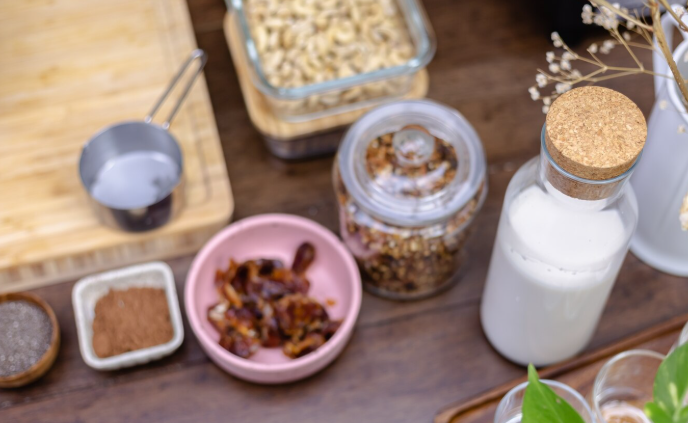
Thalapothichil preparation involves selecting Ayurvedic herbs according to an individual’s needs, preparing them into a medicinal paste, applying the paste over the head, and covering it with leaves. At Sitaram Retreat, the pack is generally kept for around 20–40 minutes, depending on the condition and herbs used.
Thalapothichil preparation begins with choosing suitable herbs and preparing them into a medicinal head pack before supervised application. The traditional Ayurvedic therapy is used as part of personalised wellness and treatment programmes at Sitaram Retreat. But what exactly goes into the preparation, and what happens during a session? Let’s explore it step by step.
What Is Thalapothichil?
Thalapothichil is a traditional Ayurvedic therapy in which a prepared herbal paste is applied over the head and covered with leaves for a prescribed period. The word Thala refers to the head, while Pothichil refers to covering or wrapping.
The therapy is traditionally associated with cooling, soothing and nourishing the head and scalp. Its formulation and application can vary depending on the person’s condition, treatment objective and Ayurvedic assessment.
At Sitaram Retreat, Thalapothichil is included among its Ayurvedic therapies, alongside treatments such as Shirodhara, Talam and Sirovasthi.
Head therapies like this are often considered alongside full-body care such as what is abhyanga massage.
Thalapothichil Preparation: What Ingredients Are Used?
The ingredients used for Thalapothichil preparation are selected according to the intended therapeutic purpose rather than following one universal recipe.
Sitaram Retreat’s current therapy information identifies gooseberry, buttermilk and other herbs among the materials used for its head pack. The exact herbal combination may vary depending on the individual’s needs.
Common components may include:
- Gooseberry (Amalaki): Traditionally valued in Ayurveda and commonly used in preparations associated with scalp and hair care.
- Buttermilk: Used as part of certain traditional Ayurvedic preparations and formulations.
- Selected herbal ingredients: Other herbs may be incorporated according to the Ayurvedic physician’s assessment.
- Leaves: Used to cover the head after the medicinal preparation has been applied.
Why Are These Ingredients Used?
Each ingredient has a specific traditional purpose. Rather than treating the paste as a fixed cosmetic mixture, Ayurvedic practitioners consider factors such as the person’s condition, constitution and treatment goal when deciding on the formulation.
This individualised approach is important because the same preparation may not be appropriate for every person.
Buttermilk is also central to another head-focused therapy, Takradhara, in which medicated buttermilk is poured over the forehead; you can read more in our guide to takradhara benefits.
How Is Thalapothichil Prepared?
The process is more than simply mixing herbs and applying them to the scalp. A professionally supervised session generally follows a sequence designed around the individual’s treatment plan.
1. Ayurvedic Assessment
The process begins with an assessment by an Ayurvedic practitioner. The practitioner considers the person’s concerns and determines whether Thalapothichil is appropriate.
This step also helps determine which herbs and preparation are suitable.
2. Preparing the Herbal Paste
The selected herbs are prepared into a medicinal paste. Gooseberry and buttermilk are among the ingredients identified by Sitaram Retreat for its Thalapothichil therapy.
The consistency needs to be suitable for application over the head and should remain in place during the treatment.
3. Preparing the Patient
The individual is positioned comfortably before the application begins. Depending on the treatment plan, the practitioner may carry out appropriate preliminary procedures before applying the head pack.
4. Applying the Paste
The prepared medicinal paste is applied over the head. The application is performed carefully so that the intended area is adequately covered.
5. Covering the Head
Leaves are placed around the prepared head pack to cover it. This forms the characteristic appearance of Thalapothichil and keeps the herbal preparation in place during the session.
6. Keeping the Pack in Place
Sitaram Retreat states that the pack is generally kept for approximately 20–40 minutes, depending on the individual’s condition and the herbs used.
The duration should not be treated as a fixed rule for everyone. A trained practitioner determines the appropriate time.
7. Removing the Pack
Once the recommended duration is complete, the pack is removed according to the practitioner’s instructions. Appropriate post-treatment care may then be provided.
Thalapothichil Preparation: Step-by-Step Overview
| Stage | What Happens |
|---|---|
| Assessment | The Ayurvedic practitioner evaluates the individual |
| Ingredient selection | Herbs are selected according to treatment requirements |
| Paste preparation | Ingredients are prepared into a suitable medicinal paste |
| Application | The paste is applied over the head |
| Wrapping | Leaves are used to cover the application |
| Treatment | The pack remains in place for the prescribed duration |
| Removal | The preparation is removed and aftercare is provided |
This structured approach is one reason professional Thalapothichil preparation should not be reduced to a generic DIY recipe.
What Are the Benefits of Thalapothichil?
Thalapothichil is traditionally used as part of Ayurvedic approaches for several head, scalp and wellness concerns. Sitaram Retreat’s current therapy page mentions applications relating to stress, sleep disorders, hormonal imbalance and hair growth.
Potential traditional wellness applications include:
- Supporting a feeling of relaxation
- Promoting a calming treatment experience
- Supporting healthy sleep routines
- Providing nourishment to the scalp
- Supporting traditional hair and scalp care
- Forming part of an individualised Ayurvedic treatment programme
These benefits should be understood in the context of Ayurveda. Thalapothichil should not be presented as a guaranteed cure for a medical condition.
Thalapothichil for Stress and Relaxation
A head-focused Ayurvedic treatment can form part of a relaxing wellness experience. The quiet setting, herbal application and time spent resting may contribute to an overall sense of calm.
However, persistent or severe psychological symptoms require assessment from an appropriately qualified healthcare professional.
Thalapothichil for Hair and Scalp
Because the herbal preparation is applied directly to the head, scalp and hair-related wellness is another area of interest. Ingredients such as gooseberry are traditionally associated with Ayurvedic hair care.
It is better to describe this as supportive scalp and hair wellness rather than promising guaranteed hair growth.
Thalapothichil and Sleep
The therapy is also traditionally used in wellness programmes where relaxation and sleep are concerns. At Sitaram Retreat, sleep disorders are among the areas mentioned on its Thalapothichil therapy page.
People experiencing ongoing insomnia should still seek appropriate medical evaluation, particularly when sleep problems are persistent or significantly affect daily life.
Who May Benefit From Thalapothichil?
Thalapothichil may be considered as part of an Ayurvedic programme for people seeking:
- A traditional head-focused wellness treatment
- Relaxation and stress support
- Scalp and hair care
- Support within a broader Ayurvedic programme
- Personalised Ayurvedic therapies based on individual needs
The important point is individual suitability. A therapy should be selected after appropriate assessment rather than solely on the basis of an online description.
How Long Does Thalapothichil Take?
At Sitaram Retreat, the head pack is generally kept in place for around 20–40 minutes, depending on the person’s condition and the herbs used.
The complete appointment may take longer because preparation, consultation, application and post-treatment care are separate parts of the experience.
What Should You Expect During a Thalapothichil Session?
Knowing what happens during a session can make the experience more comfortable, especially for someone trying the therapy for the first time.
Before the treatment The practitioner assesses your requirements and determines whether the therapy is appropriate. The ingredients and preparation can then be selected accordingly.
During the treatment The prepared herbal paste is applied to the head and covered with leaves. You remain comfortably positioned while the pack stays in place for the prescribed duration.
After the treatment The herbal preparation is removed and any recommended cleansing or aftercare is followed. Your practitioner may also provide guidance based on your individual treatment plan.
Thalapothichil vs Shirodhara: What’s the Difference?
Although both are traditional Ayurvedic head-focused therapies, their methods are different.
| Feature | Thalapothichil | Shirodhara |
|---|---|---|
| Main method | Herbal paste applied over the head | A liquid is poured rhythmically over the head/forehead |
| Preparation | Medicinal herbal pack | Selected therapeutic liquid |
| Covering | Head is wrapped with leaves | No herbal head pack |
| Experience | Resting with a herbal pack | Continuous rhythmic liquid flow |
| Selection | Based on Ayurvedic assessment | Based on Ayurvedic assessment |
The choice between the two depends on the individual’s needs and the practitioner’s recommendations.
Can Thalapothichil Be Prepared at Home?
A basic herbal paste may sound simple to prepare, but therapeutic Thalapothichil preparation should ideally be carried out under trained Ayurvedic supervision.
The reason is that the ingredients, formulation, application method and duration may need to be adapted to the individual. A homemade preparation should not be assumed to be equivalent to a professionally supervised Ayurvedic treatment.
Is Thalapothichil Suitable for Everyone?
No single Ayurvedic therapy is suitable for everyone.
People with existing health conditions, allergies, sensitivities or other special circumstances should discuss the treatment with an appropriately qualified practitioner before proceeding.
The safest approach is to disclose relevant health information during consultation and follow professional advice rather than choosing herbs or treatment duration independently.
Why Does Professional Thalapothichil Preparation Matter?
The quality of an Ayurvedic therapy depends on more than the ingredients alone. Professional preparation allows the treatment to be adapted to the individual and delivered in a controlled setting.
At Sitaram Retreat, Ayurvedic treatment programmes are developed around consultation and individual requirements. The retreat also states that medicinal raw materials undergo quality checks, with Ayurvedic physicians involved in inspection and laboratory testing processes.
This combination of assessment, appropriate preparation and supervised application provides a more responsible approach than treating Thalapothichil as a one-size-fits-all home remedy.
To understand how quality and safety standards are assessed in Ayurvedic centres, see what nabh accreditation means.
Experience Thalapothichil at Sitaram Retreat
Understanding the preparation is only the first step. The quality of the experience also depends on appropriate assessment, carefully selected ingredients and professional application.
At Sitaram Retreat, Thalapothichil forms part of a broader Ayurvedic therapy environment where treatment can be considered according to individual requirements. If you are interested in experiencing this traditional head-pack therapy, speak with the Sitaram Retreat team to understand whether it is appropriate for your needs and how it can fit into your Ayurvedic programme.
Explore Thalapothichil Therapy at Sitaram Retreat and take the next step towards a professionally guided Ayurvedic wellness experience.
Frequently Asked Questions
Q1. How is Thalapothichil prepared?
Thalapothichil is prepared by selecting suitable Ayurvedic herbs, preparing them into a medicinal paste, applying the paste over the head and covering it with leaves. The formulation can vary according to individual needs.
Q2. Can Thalapothichil be done at home?
It can be tempting to recreate the treatment at home, but therapeutic application is better performed under trained Ayurvedic supervision because ingredients, preparation and duration may need individual adjustment.
Q3. Is Thalapothichil good for hair?
Thalapothichil may support traditional scalp and hair wellness because its herbal preparation is applied directly to the head. However, it should not be presented as a guaranteed treatment for hair loss or a promise of hair growth.
Q4. Will Thalapothichil help with sleep?
Thalapothichil is traditionally used within Ayurvedic wellness programmes that may focus on relaxation and sleep-related concerns. Persistent sleep problems should also be discussed with a qualified healthcare professional.
Q5. What ingredients are used in Thalapothichil?
Sitaram Retreat identifies gooseberry, buttermilk and other herbs in its Thalapothichil preparation. The exact formulation may vary according to the individual’s condition and treatment requirements.
Q6. Why are leaves used in Thalapothichil?
Leaves are traditionally used to cover the medicinal paste applied to the head and help keep the preparation in place during the treatment.
Q7. How long is Thalapothichil kept on the head?
At Sitaram Retreat, the pack is generally kept for approximately 20–40 minutes. The exact duration depends on the individual’s condition and the herbs used.
Q8. Can Thalapothichil treat medical conditions?
Thalapothichil is a traditional Ayurvedic therapy and should not be presented as a guaranteed cure for medical conditions. People with health concerns should receive appropriate professional assessment and medical care where required.
TABLE OF CONTENTS
- What Is Thalapothichil?
- Thalapothichil Preparation: What Ingredients Are Used?
- How Is Thalapothichil Prepared?
- Thalapothichil Preparation: Step-by-Step Overview
- What Are the Benefits of Thalapothichil?
- Who May Benefit From Thalapothichil?
- How Long Does Thalapothichil Take?
- What Should You Expect During a Thalapothichil Session?
- Thalapothichil vs Shirodhara: What's the Difference?
- Can Thalapothichil Be Prepared at Home?
- Is Thalapothichil Suitable for Everyone?
- Why Does Professional Thalapothichil Preparation Matter?
- Experience Thalapothichil at Sitaram Retreat
- Frequently Asked Questions