retreat@sitaramayurveda.com
 +91 813 8888 912

Healing for Menopause: An Individualised Ayurvedic Approach to Women’s Wellbeing

By Vignesh Devraj
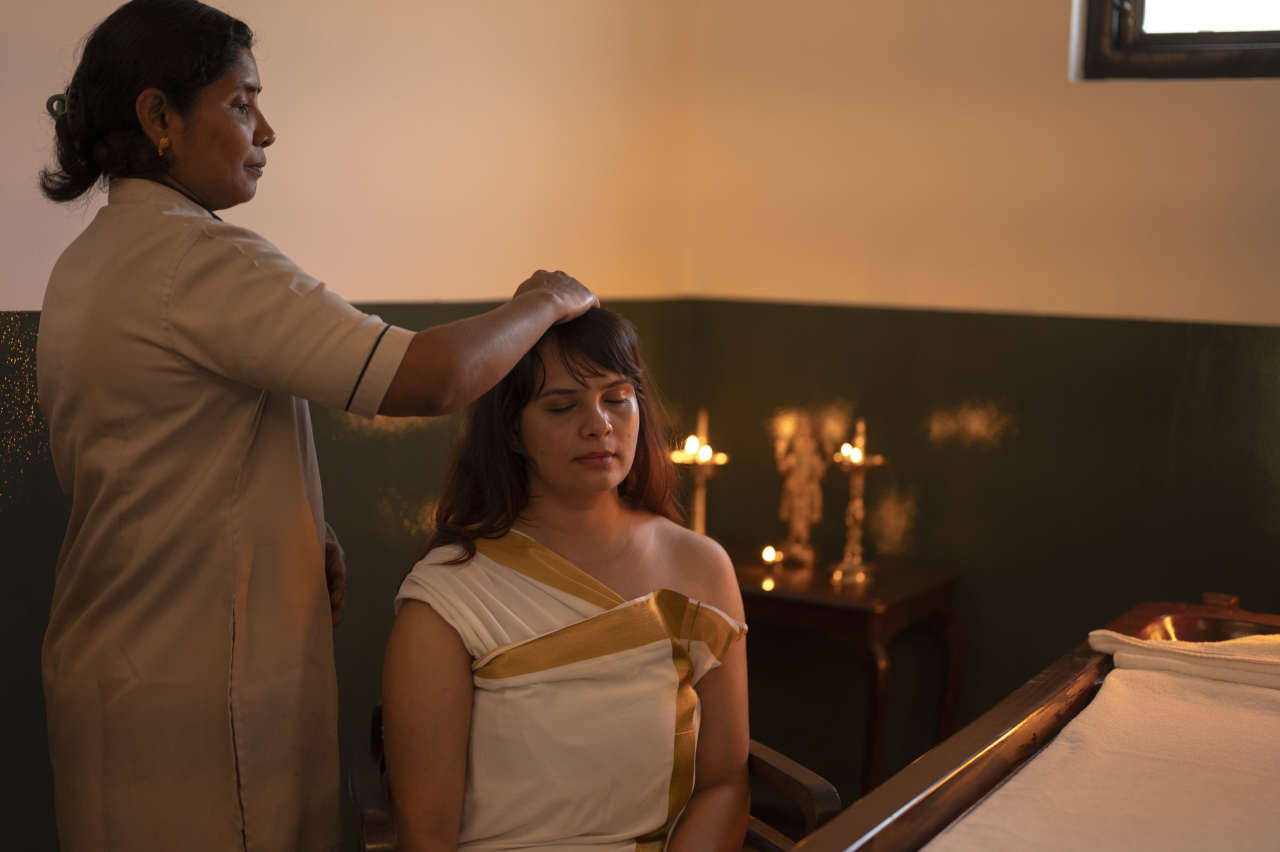
Menopause is not simply the end of menstruation. It is a significant transition in a woman’s life, bringing changes that can affect sleep, energy, mood, metabolism, digestion and overall wellbeing.
For some women, the transition is marked by hot flashes and night sweats. Others may notice changes in their sleep, concentration, emotional health or physical comfort. Some find that they no longer feel quite like themselves, even when they cannot identify one specific symptom.
Every woman’s experience is different. And understanding that difference is an important part of approaching menopause with care.
Rather than asking only, How do I manage my menopause symptoms?, it may be more useful to ask: What is my body experiencing during this transition, and what kind of support does it need?
At Sitaram Retreat, the Ayurvedic approach begins with understanding the individual, her health history, and her present needs before considering an appropriate course of care.
What Is Menopause?
Menopause is a natural biological transition that occurs when menstrual periods permanently stop following the decline in ovarian function. It is diagnosed retrospectively after 12 consecutive months without a menstrual period, provided there is no other obvious cause.
The years leading up to menopause are known as perimenopause. During this period, hormonal fluctuations can contribute to changes in menstrual cycles, sleep, mood and temperature regulation.
For some women, these changes are relatively mild. For others, they can significantly affect everyday life.
Menopause is also about more than hot flashes. Changes in sleep quality, concentration, energy, vaginal and urinary health, body composition, and emotional wellbeing may all be part of the experience. Some symptoms can overlap with other health conditions, which makes appropriate assessment important.
Understanding Menopause Through Ayurveda
Ayurveda views health through the individual’s constitution, digestion, lifestyle, age, stage of life and present state of balance.
During menopause, the body is undergoing a natural transition. Within the Ayurvedic framework, changes may be understood in relation to Vata, Pitta and Kapha, depending on the individual and the symptoms she experiences.
For one woman, sleep disturbance and anxiety may be prominent. Another may experience heat, sweating or irritability. Someone else may be more concerned about dryness, stiffness, digestive changes or fatigue.
The same symptom does not necessarily reflect the same underlying pattern in every person. This is why a standardised approach may not be suitable for everyone.
An Ayurvedic consultation considers these individual differences alongside medical history, lifestyle, nutrition, sleep and other relevant factors.
You can also explore Sitaram’s clinical programme for women navigating menopause and perimenopause, which includes physician-led assessment, personalised therapies, nutrition and daily routines.
Why Individual Assessment Matters
Changes in sleep, mood, energy, weight, digestion and menstrual patterns can have several possible causes. Existing medical conditions and medications also need to be considered.
Before choosing a therapy or wellness programme, it is important to understand what is happening, what needs attention and whether further medical evaluation is appropriate.
At Sitaram Retreat, the emphasis is on understanding the woman experiencing the symptoms rather than treating menopause as a single condition.
Learn more about Sitaram Retreat and its approach to personalised Ayurvedic care.
The Three R’s: Recognise, Restore and Rejuvenate
An individualised approach to menopause can be understood through three important ideas.
1. Recognise
The first step is understanding what is changing.
Your symptoms, menstrual history, sleep, digestion, stress levels, energy, lifestyle and overall wellbeing can provide valuable context. Recognising these changes helps create a clearer picture of your needs.
2. Restore
The next step is identifying areas that may need support.
Depending on the individual’s assessment, this may include dietary guidance, daily routines, appropriate movement, sleep support, stress management, Ayurvedic therapies or medicines when clinically appropriate.
The intention is to develop a plan suited to the individual, rather than follow a fixed protocol.
3. Rejuvenate
Menopause can also be an opportunity to focus more intentionally on long-term health.
Nourishment, strength, resilience, emotional wellbeing and healthy ageing become important parts of the conversation. The focus shifts from simply getting through the transition to building habits that can support wellbeing beyond it.
Menopause: Three Common Misconceptions
Myth 1: Every woman experiences menopause in the same way
Menopause is a natural transition, but there is no universal experience. One woman may struggle with hot flashes and disturbed sleep, while another may notice changes in mood, digestion, energy or joint comfort.
Your symptoms, health history, lifestyle and individual constitution all matter.
Myth 2: Menopause is only about hot flashes
Hot flashes are among the best-known symptoms, but they are not the whole story. Sleep, mood, concentration, energy, vaginal and urinary health and body composition may also change.
Understanding the wider picture can help women seek appropriate support rather than dismissing every concern as “just menopause”.
Myth 3: You simply have to put up with the symptoms
Menopause is natural, but significant disruption to daily life does not have to be ignored.
Depending on individual needs, support may include medical care, lifestyle changes, nutrition, exercise, psychological support and complementary approaches such as Ayurveda. These approaches should be considered thoughtfully and should not replace necessary medical care.
For a more detailed discussion of treatment choices, including HRT and Panchakarma, watch Dr. Vignesh Devraj’s Menopause Beyond Fear: HRT and Panchakarma Explained.
What Are You Actually Trying to Address?
Before choosing menopause care, begin with your experience.
Are you struggling with sleep? Feeling unusually anxious or irritable? Experiencing hot flashes or night sweats? Finding that your energy has changed? Noticing differences in digestion, weight, strength, or joint comfort? Or simply feeling unlike yourself?
These questions can help guide a conversation with a qualified healthcare professional.
Rather than starting with a list of treatments, start with what you are experiencing and how it affects your everyday life.
What to Consider Before Choosing Menopause Care
Choosing menopause care involves more than looking at a list of therapies or supplements.
Consider whether the consultation includes a review of your health history, medications, current symptoms and lifestyle. Ask how therapies are selected, whether treatment is adjusted to individual needs, and when additional medical evaluation may be recommended.
Menopause affects multiple aspects of health, so care should not be approached in isolation.
At Sitaram Retreat, the approach brings together physician assessment, personalised Ayurvedic therapies, food, daily routines, yoga, meditation, rest and lifestyle guidance within the retreat environment. The appropriate combination depends on the individual’s assessment and needs.
Explore the Prepare Your Body for Menopause programme at Sitaram × The Postcard Goa to learn more about its approach to hormonal health and individualised care.
Healing Through the Transition
Menopause is not the end of wellbeing. It can be a time to understand your body differently, pay attention to changes that may have been overlooked and become more intentional about your health.
Ayurveda offers a framework for exploring this transition through individual constitution, digestion, sleep, lifestyle, stress, nourishment and overall balance.
The goal is not to promise that every symptom will disappear. It is to create a thoughtful approach to supporting wellbeing through the transition and beyond.
Disclaimer
This blog is intended for educational purposes only and does not substitute for medical consultation, diagnosis, or treatment. Persistent, severe or worsening respiratory symptoms should be evaluated by a qualified healthcare professional. Ayurvedic formulations should be used under appropriate professional guidance.