retreat@sitaramayurveda.com
 +91 813 8888 912


Dhanyamla Dhara: Ayurvedic Therapy for Pain, Stiffness and Inflammation

By Vignesh Devraj
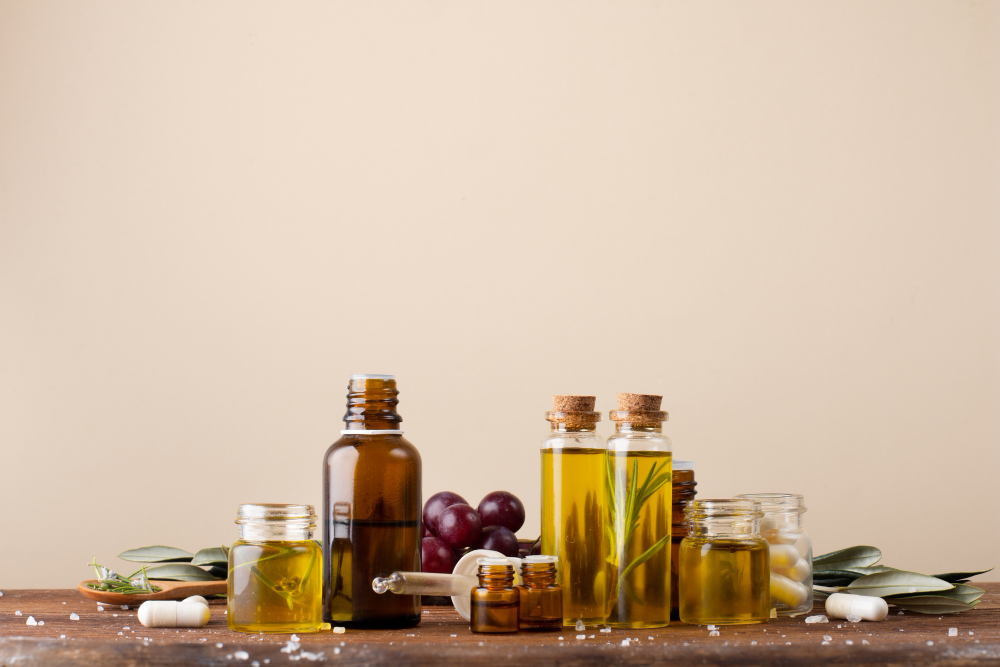
Dhanyamla Dhara Easy Ayurveda describes a traditional Ayurvedic therapy in which a warm, fermented herbal decoction is poured continuously over the body or a specific area. It is traditionally used to support comfort in pain, stiffness and inflammatory musculoskeletal concerns, with suitability determined through individual Ayurvedic assessment.
Dhanyamla Dhara Easy Ayurveda resources often introduce this therapy through its warm fermented decoction and continuous pouring method. At Sitaram Retreat, the treatment is considered within an individual Ayurvedic care plan, combining traditional therapy with physician guidance. Understanding how it works, who may benefit and what a session involves can help you make a more informed choice.
What Is Dhanyamla Dhara?
The name explains the therapy: “Dhanya” refers to grain, “amla” to sour or fermented, and “dhara” to a continuous stream. A fermented grain-based decoction is warmed and poured over a prescribed area or the body.
Dhanyamla Dhara Ayurvedic therapy is distinguished by three elements: a prepared decoction, controlled warmth and continuous application. It is not simply a warm liquid massage. The preparation, temperature, treatment area and duration are selected according to the individual treatment plan.
The therapy may be performed with or without oil application. During treatment, the used decoction may be collected, reheated and reused for the prescribed period to maintain the continuous flow.
Dhanyamla Dhara in Ayurveda: Easy Ayurveda Context
Within traditional Ayurveda, external therapies are selected according to the individual. An Ayurvedic physician considers the person’s condition, constitution, symptoms and treatment goals before recommending a therapy.
This is particularly important when considering Dhanyamla Dhara Easy Ayurveda information online. A therapy appropriate for one person may not suit another, and it can form part of a broader programme alongside prescribed therapies, nutrition, yoga and meditation.
Dhanyamla Dhara Benefits: What Easy Ayurveda Searches Cover
Dhanyamla Dhara benefits are traditionally associated with physical comfort and musculoskeletal concerns. Sitaram Retreat describes the therapy as being used to support relief from pain and inflammation and as a traditional therapy associated with arthritis, rheumatic conditions and related discomfort.
Potential areas of traditional use include:
- Supporting comfort in pain and stiffness
- Supporting blood and lymphatic circulation
- Helping address physical discomfort
- Complementing Ayurvedic care for arthritis and rheumatic conditions
How Does Dhanyamla Dhara Work?
For readers comparing Dhanyamla Dhara Easy Ayurveda guidance, the treatment combines a fermented decoction, controlled warmth and continuous pouring. The preparation is warmed and applied in a steady stream.
From an Ayurvedic perspective, warmth and continuous flow are important characteristics of the therapy. The treatment is traditionally used to support physical comfort and circulation while fitting into an individualised therapeutic plan.
Dhanyamla Dhara Procedure: What Happens During Treatment?
A typical procedure follows a structured sequence:
- Ayurvedic assessment: The physician evaluates the individual and determines whether the therapy is appropriate.
- Decoction preparation: A fermented grain-based herbal decoction is prepared according to the prescribed plan.
- Temperature preparation: The decoction is warmed to the required temperature.
- Continuous application: The warm decoction is poured steadily over the affected area or the whole body.
- Consistent flow: The stream and temperature are maintained throughout the prescribed session.
- Completion and aftercare: The treatment ends according to the physician’s plan, followed by any required guidance.
The area and duration can vary, and the therapy may be performed with or without oil. Explore dhanyamla dhara benefits to learn about the traditional Ayurvedic therapy’s potential role in relaxation, comfort, and overall wellness.
What Ingredients Are Used in Dhanyamla Dhara?
Dhanyamla Dhara Easy Ayurveda searches often focus on ingredients. The preparation is based on fermented grains and herbal ingredients, but there is no single universal recipe that should be applied to every person. Ingredients and preparation methods can vary according to the Ayurvedic tradition, therapeutic purpose and practitioner’s prescription.
Who May Benefit From Dhanyamla Dhara?
Dhanyamla Dhara may be considered for people experiencing pain, stiffness or inflammatory musculoskeletal concerns when an Ayurvedic physician determines that the therapy is suitable. It is particularly associated with traditional Ayurvedic care for arthritis and rheumatic conditions.
The therapy may be considered when:
- Stiffness affects comfort or mobility
- Musculoskeletal discomfort forms part of assessment
- A warming external therapy is appropriate
- The individual follows a broader Ayurvedic programme
Is Dhanyamla Dhara Used for Arthritis and Inflammation?
Yes. Dhanyamla Dhara is traditionally used for arthritis, rheumatic conditions and inflammatory musculoskeletal concerns. At Sitaram Retreat, its use is determined after individual assessment.
For people searching Dhanyamla Dhara Easy Ayurveda information about inflammation, the wording matters. The therapy is traditionally used to support inflammation-related discomfort, not as a guaranteed cure. Explore ayurvedic treatment for sciatica to learn about traditional Ayurvedic approaches, supportive lifestyle practices, and the importance of professional guidance for managing sciatica symptoms.
Dhanyamla Dhara vs Other Ayurvedic Therapies
Dhanyamla Dhara Easy Ayurveda therapy is one of several traditional external therapies used in Ayurveda. It differs from oil-based therapies such as Abhyanga because its central application involves a warm fermented decoction poured in a continuous stream.
It also differs from Shirodhara, where a continuous stream of liquid is directed to the head. Udwarthanam, Kizhi therapies and Kashayadhara have their own methods and therapeutic contexts.
How Long Does Dhanyamla Dhara Take?
There is no single duration that applies to every treatment. The prescribed time depends on the person, treatment area and broader Ayurvedic plan. The physician determines the duration after assessment.
What Should You Expect During a Dhanyamla Dhara Treatment?
Dhanyamla Dhara Easy Ayurveda readers can expect a structured, physician-guided procedure rather than a generic spa service.
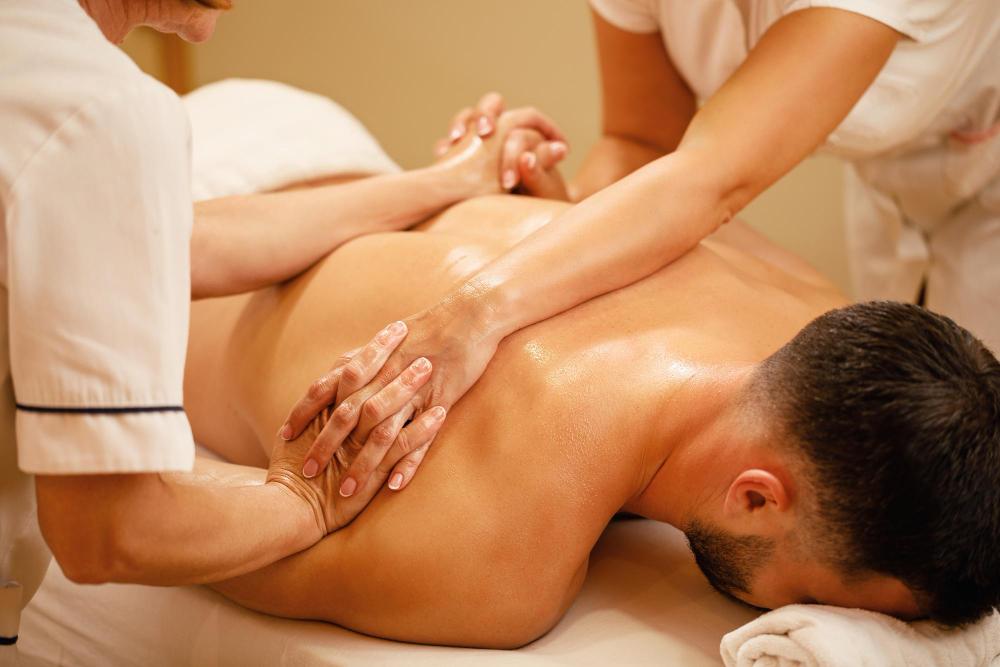
A professional session begins with assessment and preparation. The treatment area is determined, the decoction is prepared and warmed, and the continuous stream is maintained at the prescribed temperature.
During the session, the practitioner maintains the flow and follows the plan. Afterward, care is guided by the physician.
Why Choose Sitaram Retreat for Dhanyamla Dhara?
Sitaram Retreat brings traditional Ayurvedic therapies into a structured healing environment. Its Ayurvedic heritage dates back to 1921, when Sitaram began as Sitaram Anglo Ayurveda Pharmacy before developing into an Ayurvedic medicine and healthcare institution in Thrissur, Kerala.
At Sitaram Retreat, Dhanyamla Dhara can be considered within a personalised programme that may include consultation, prescribed therapies, nutrition, yoga and meditation.
For anyone researching Dhanyamla Dhara Easy Ayurveda resources, the practical takeaway is simple: understand the traditional method, seek professional assessment and choose a setting where the therapy is administered with appropriate preparation and care.
Experience Dhanyamla Dhara at Sitaram Retreat: Beyond Easy Ayurveda Searches
Dhanyamla Dhara Easy Ayurveda knowledge is a useful starting point, but this traditional therapy is best understood through proper assessment, preparation and professional administration. At Sitaram Retreat, the treatment is approached as part of personalised Ayurvedic care, supported by physician guidance and a healing environment in Kerala.
If you are considering Dhanyamla Dhara for pain, stiffness or inflammatory musculoskeletal concerns, connect with Sitaram Retreat to discuss your individual needs and explore whether this traditional therapy fits your Ayurvedic wellness plan.
Frequently Asked Questions
Q1. How is Dhanyamla Dhara performed?
A warm fermented herbal decoction is poured continuously over the prescribed area or whole body for a physician-determined duration. Temperature and flow are maintained throughout the session.
Q2. Can Dhanyamla Dhara help with pain and stiffness?
It is traditionally used to support comfort in pain, stiffness and inflammatory musculoskeletal concerns. Suitability depends on individual Ayurvedic assessment.
Q3. Is Dhanyamla Dhara good for arthritis?
It is traditionally used as supportive Ayurvedic therapy for arthritis and rheumatic conditions when an Ayurvedic physician considers it appropriate.
Q4. Will Dhanyamla Dhara reduce inflammation?
It is traditionally used to support the management of inflammation and related discomfort. It should not be presented as a guaranteed cure for inflammatory disease.
Q5. What is Dhanyamla Dhara used for?
It is traditionally used for pain, stiffness and inflammatory musculoskeletal concerns, including supportive care for arthritis and rheumatic conditions.
Q6. Why is a fermented decoction used?
Fermentation is a defining part of the traditional preparation. The decoction is made with grains and herbal ingredients according to the prescribed Ayurvedic method.
Q7. How long does Dhanyamla Dhara take?
The duration varies according to the individual treatment plan, treatment area and physician’s recommendation.
Q8. Can everyone undergo Dhanyamla Dhara?
No. The therapy is not suitable for everyone. An Ayurvedic physician should assess the individual and determine whether it is appropriate.
TABLE OF CONTENTS
- What Is Dhanyamla Dhara?
- Dhanyamla Dhara in Ayurveda: Easy Ayurveda Context
- Dhanyamla Dhara Benefits: What Easy Ayurveda Searches Cover
- How Does Dhanyamla Dhara Work?
- Dhanyamla Dhara Procedure: What Happens During Treatment?
- What Ingredients Are Used in Dhanyamla Dhara?
- Who May Benefit From Dhanyamla Dhara?
- Is Dhanyamla Dhara Used for Arthritis and Inflammation?
- Dhanyamla Dhara vs Other Ayurvedic Therapies
- How Long Does Dhanyamla Dhara Take?
- What Should You Expect During a Dhanyamla Dhara Treatment?
- Why Choose Sitaram Retreat for Dhanyamla Dhara?
- Experience Dhanyamla Dhara at Sitaram Retreat: Beyond Easy Ayurveda Searches
- Frequently Asked Questions