retreat@sitaramayurveda.com
 +91 813 8888 912

Abhyanga Oil Massage: Benefits, Procedure, Best Oils & Why Ayurveda Recommends It Daily

By Vignesh Devraj
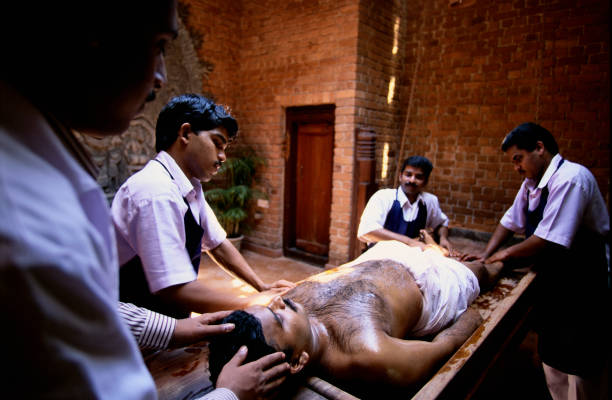
Abhyanga oil massage is a traditional Ayurvedic therapy that involves applying warm herbal oil to the body using rhythmic strokes. It is believed to nourish the skin, support circulation, calm the nervous system, ease muscle stiffness, and promote overall well-being when practiced regularly under appropriate guidance.
Abhyanga oil massage is one of Ayurveda’s oldest daily wellness practices, designed to nourish both the body and mind. At Sitaram Retreat, this time-honoured therapy is delivered by experienced Ayurvedic therapists under physician guidance, combining authentic techniques with personalized care to support holistic well-being and relaxation.
What Is Abhyanga Oil Massage?
Abhyanga is a traditional Ayurvedic full-body massage performed using warm herbal oils selected according to an individual’s unique constitution, known as Prakriti, and current health needs. Unlike a conventional spa massage, the purpose of abhyanga oil massage extends beyond relaxation. Ayurveda describes it as a therapeutic ritual that helps maintain balance within the body while supporting physical, mental, and emotional wellness.
The word Abhyanga comes from Sanskrit, meaning “to anoint” or “to massage with oil.” For centuries, this practice has been recommended as part of Dinacharya—the Ayurvedic daily routine—to help the body cope with stress, environmental changes, and the natural ageing process. To fully understand how this fits into ancient wellness medical systems, you can explore the eight branches (Ashtanga) of classical Ayurveda.
Warm medicated oils are gently massaged into the skin using synchronized, rhythmic strokes that encourage relaxation while allowing the herbal ingredients to nourish the body’s tissues.
How Does Abhyanga Oil Massage Work?
Ayurveda considers the skin more than just a protective barrier. It is viewed as an important pathway for nourishing deeper tissues and supporting overall balance.
During abhyanga oil massage, warm herbal oils are applied systematically across the body. The gentle pressure and rhythmic movements help stimulate circulation, encourage lymphatic flow, and relax tense muscles. According to Ayurvedic principles, this process also helps pacify aggravated doshas, particularly Vata, which is often associated with dryness, stiffness, anxiety, and irregular routines. If you find yourself experiencing high mental strain or physical fatigue, it can be helpful to look at how a comprehensive Ayurvedic treatment for stress can bring your body back into equilibrium.
The calming touch of the therapy also supports the nervous system, creating a sense of deep relaxation that many people find beneficial after busy days. For an even more specific fluid-flow treatment focused on calming the head and nervous system, Ayurveda frequently utilizes Takradhara treatment and its distinct benefits.
Top Benefits of Abhyanga Oil Massage
Promotes Deep Relaxation
One of the most recognized benefits of abhyanga oil massage is its ability to encourage physical and mental relaxation. The soothing warmth of herbal oils combined with slow, mindful strokes creates a calming experience that serves as an excellent Ayurvedic treatment for anxiety.
Supports Healthy Blood Circulation
Gentle massage movements stimulate circulation, allowing oxygen and nutrients to reach different tissues more efficiently while supporting overall vitality.
Nourishes Dry and Sensitive Skin
Traditional Ayurvedic oils help moisturize the skin naturally, improving softness and leaving it feeling supple. Regular oil massage can be particularly beneficial for managing chronic dryness or scaling skin, often integrated into an alternative Ayurvedic treatment of eczema.
Encourages Better Sleep
Many individuals include Abhyanga in their evening wellness routine because its relaxing effects may help prepare the body and mind for restful sleep.
Relieves Muscle and Joint Stiffness
The warmth of medicated oils, combined with therapeutic massage techniques, may help reduce feelings of tightness after physical activity or prolonged sitting.
Supports Natural Detoxification
Ayurveda believes that massage helps stimulate lymphatic circulation, assisting the body’s natural cleansing processes while promoting overall wellness.
Improves Energy and Overall Well-being
Rather than causing fatigue, many people report feeling refreshed, balanced, and energized after regular Ayurvedic oil massage sessions.
Supports Healthy Ageing
Consistent self-care practices that nourish the skin, improve mobility, and reduce daily stress can contribute to long-term health and vitality.
Who Should Consider Abhyanga Oil Massage?
This traditional Ayurvedic therapy may be beneficial for:
- Individuals experiencing everyday stress or mental fatigue
- Professionals with sedentary lifestyles
- People with dry or rough skin
- Older adults looking to maintain flexibility
- Those recovering from physically demanding routines
- Wellness enthusiasts seeking natural self-care practices
- Individuals interested in incorporating Ayurveda into their lifestyle
Since every individual has unique health requirements, a consultation with an Ayurvedic physician is recommended before beginning regular therapy, especially if you have underlying medical conditions.
How to Perform Abhyanga Oil Massage at Home
While professional treatments provide a more personalized experience, you can also practice a simplified version at home.
Choose the Right Oil
Ayurveda recommends selecting oils according to your body constitution. Sesame oil is commonly used for Vata, coconut oil for Pitta, and lighter herbal oils for Kapha, although personalized guidance is ideal.
Warm the Oil
The oil should be comfortably warm—not hot—to improve absorption and create a soothing experience.
Apply Gentle Massage Strokes
Begin from the scalp if appropriate, then massage the neck, shoulders, arms, abdomen, back, and legs using long strokes over muscles and circular movements around joints.
Allow the Oil to Absorb
Leave the oil on your body for approximately 15–30 minutes. This allows the herbal elements to fully penetrate the skin layers while you relax in a warm environment. If your ritual includes overall sensory care, you might also consider the traditional practice of Karnapooranam and its unique benefits for ear health during your rest periods.
Which Oils Are Best for Abhyanga?
Ayurveda uses different oils depending on the individual’s constitution and wellness goals.
Common options include:
- Sesame oil for nourishing and warming
- Coconut oil for cooling and soothing
- Herbal medicated oils prepared using classical Ayurvedic formulations
- Physician-recommended therapeutic oils designed for specific wellness needs
Choosing the appropriate oil is one of the most important aspects of achieving the intended benefits of abhyanga oil massage.
When Should You Avoid Abhyanga?
Although generally considered a gentle wellness practice, Abhyanga may not be suitable in certain situations, including:
- During fever or acute illness
- Immediately after heavy meals
- Over open wounds or skin infections
- During certain medical conditions where physician advice is necessary
Seeking professional guidance ensures that the therapy is both safe and appropriate for your individual health status.
Professional Abhyanga vs Self-Massage
Practicing Abhyanga at home can become a valuable daily self-care ritual. However, professional Ayurvedic treatments offer a more comprehensive experience.
At Sitaram Retreat, physician-guided consultations help determine the most suitable oils, massage techniques, and therapy duration based on each guest’s constitution and wellness goals. Experienced therapists perform authentic Ayurvedic Abhyanga using traditional, synchronized methods as part of personalized wellness and Panchakarma detox programs.
Combined with Ayurvedic nutrition, yoga, meditation, and other classical therapies, professional Abhyanga becomes part of a holistic healing journey rather than simply a massage session.
Experience Authentic Abhyanga Oil Massage at Sitaram Retreat
For those seeking an authentic Ayurvedic wellness experience, Sitaram Retreat offers personalized abhyanga oil massage therapies rooted in over a century of Ayurvedic tradition. Every treatment begins with a physician consultation to understand your unique constitution and wellness goals before selecting appropriate herbal oils and therapy protocols.
Set amidst the serene natural surroundings of Kerala, Sitaram Retreat combines classical Ayurveda with modern comfort through individualized Panchakarma programs, therapeutic massages, yoga, meditation, and Ayurvedic nutrition. Whether your goal is relaxation, rejuvenation, or restoring balance, the retreat provides a comprehensive approach that supports your overall well-being under expert care.
Begin Your Healing Journey with Sitaram Retreat
If you wish to experience the true essence of Ayurveda, Sitaram Retreat offers authentic abhyanga oil massage as part of personalized wellness programs led by experienced Ayurvedic physicians and therapists. With over 100 years of Ayurvedic heritage, traditional healing practices, customized therapies, and peaceful retreat settings in Kerala, Sitaram Retreat provides an environment where you can reconnect with your health naturally and experience the timeless wisdom of Ayurveda.
Frequently Asked Questions
Q1. How is abhyanga oil massage different from a regular massage?
Abhyanga uses warm herbal oils selected according to Ayurvedic principles and follows specific massage techniques designed to promote balance and overall well-being, whereas regular massages primarily focus on muscle relaxation.
Q2. Can I do abhyanga oil massage every day?
Yes, Ayurveda traditionally recommends daily or regular Abhyanga as part of a healthy lifestyle. However, the frequency should be based on your individual constitution and professional guidance.
Q3. Is abhyanga oil massage suitable for everyone?
Most healthy adults can enjoy Abhyanga, but individuals with acute illness, fever, certain skin conditions, or specific medical concerns should consult a qualified healthcare professional or Ayurvedic physician first.
Q4. Will abhyanga oil massage improve sleep?
Many people find that the calming nature of Abhyanga helps relax the body and mind, making it easier to unwind before bedtime and support healthy sleep routines.
Q5. What is the best oil for abhyanga?
There is no single best oil for everyone. Sesame oil, coconut oil, and traditional medicated herbal oils are commonly used depending on your Ayurvedic body constitution and wellness goals.
Q6. Why is warm oil used during Abhyanga?
Warm oil spreads more comfortably across the skin, enhances relaxation, and is traditionally believed in Ayurveda to improve nourishment of the body’s tissues.
Q7. Can abhyanga oil massage help relieve muscle stiffness?
Gentle massage techniques combined with warm herbal oils may help ease feelings of tightness, improve flexibility, and promote comfort after physical activity or prolonged sitting.
Q8. Is professional Abhyanga better than self-massage?
Self-massage is an excellent daily wellness habit, but professional Abhyanga provides personalized oil selection, expert techniques, and physician supervision, making it particularly beneficial for individuals seeking a comprehensive Ayurvedic wellness experience.
TABLE OF CONTENTS
- What Is Abhyanga Oil Massage?
- How Does Abhyanga Oil Massage Work?
- Top Benefits of Abhyanga Oil Massage
- Who Should Consider Abhyanga Oil Massage?
- How to Perform Abhyanga Oil Massage at Home
- Which Oils Are Best for Abhyanga?
- When Should You Avoid Abhyanga?
- Professional Abhyanga vs Self-Massage
- Experience Authentic Abhyanga Oil Massage at Sitaram Retreat
- Begin Your Healing Journey with Sitaram Retreat
- Frequently Asked Questions