retreat@sitaramayurveda.com
 +91 813 8888 912


Who Needs Panchakarma and Who Should Avoid It?

By Vignesh Devraj
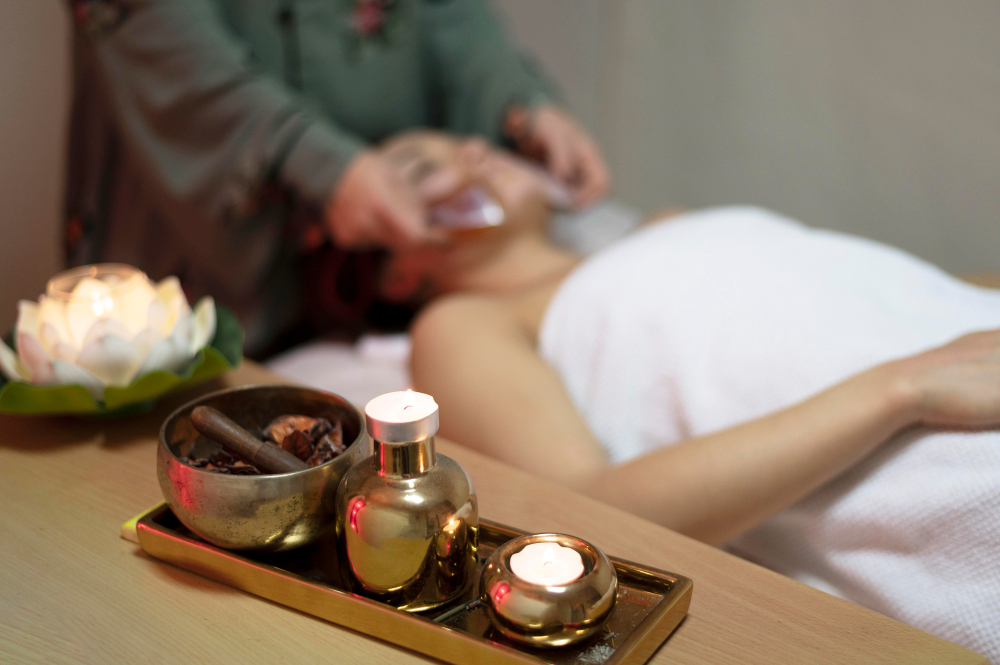
Panchakarma may be considered by individuals experiencing digestive concerns, lifestyle-related imbalances or other health issues that an Ayurvedic physician identifies as suitable for treatment. However, it is not appropriate for everyone. Pregnant women, people with acute illnesses and those with certain medical conditions may need to avoid or postpone specific procedures. Explore panchakarma benefits to learn about its traditional Ayurvedic therapies, cleansing practices, and potential role in supporting overall wellness and balance.
Who needs Panchakarma? People seeking personalised Ayurvedic care for digestive concerns, lifestyle-related imbalances or overall wellness may be considered after a proper assessment. However, individual health, physical strength and medical history determine suitability. At Sitaram Retreat, we approach Panchakarma as a physician-guided treatment journey, not a one-size-fits-all detox programme. Understanding whether it is right for you is the first step towards making an informed decision.
What Is Panchakarma in Ayurveda?
Panchakarma is a traditional Ayurvedic system of five therapeutic procedures designed to address imbalances in the body through carefully selected cleansing treatments. The word comes from two Sanskrit terms: Pancha, meaning five, and Karma, meaning actions or procedures.
In Ayurveda, these treatments are selected according to an individual’s Prakriti (body constitution), Vikriti (current imbalances), digestive strength and overall health. The objective is to support the body’s natural functions through a combination of therapies, dietary adjustments and lifestyle practices.
The five traditional procedures include:
- Vamanam: A medically supervised therapeutic emesis procedure traditionally associated with Kapha-related imbalances.
- Virechanam: Therapeutic purgation used in selected cases to address Pitta-related imbalances.
- Basti: Administration of prescribed medicated enemas, traditionally used in Vata-related conditions.
- Nasyam: Administration of prescribed medicines through the nasal route.
- Raktamokshana: A traditional bloodletting procedure used in selected circumstances.
Not everyone requires all five procedures. An Ayurvedic physician determines which treatments, if any, are appropriate. Explore panchakarma for pcos to learn about traditional Ayurvedic therapies, their potential role in hormonal wellness, and the importance of personalised professional guidance.
Who Needs Panchakarma?
There is no universal list of people who need Panchakarma. An Ayurvedic physician may recommend it when an individual’s health assessment indicates that specific procedures are appropriate. Some common reasons people explore this treatment include:
1. People Experiencing Digestive Imbalances
Digestive health plays an important role in Ayurveda. Agni, or digestive fire, is considered essential for processing food and maintaining internal balance.
People experiencing recurring digestive discomfort may seek an Ayurvedic assessment to understand their concerns. Depending on the findings, a physician may consider suitable dietary recommendations and therapies.
Panchakarma is not a replacement for investigating persistent digestive symptoms or receiving appropriate medical care.
2. People Experiencing Joint Discomfort and Stiffness
People dealing with joint stiffness, muscular discomfort or reduced mobility sometimes explore traditional Ayurvedic therapies as part of their wellness routine.
Procedures such as Basti may be considered in selected cases based on Ayurvedic assessment. The treatment plan depends on the person’s age, physical condition and underlying diagnosis.
3. People Experiencing Stress and Lifestyle-Related Imbalances
Irregular sleep, demanding schedules, poor dietary habits and prolonged stress can affect overall wellbeing.
Some people explore Panchakarma as part of a broader Ayurvedic programme that includes prescribed therapies, relaxation, yoga, breathing exercises and dietary guidance.
These practices may support general wellbeing, although Panchakarma should not be considered a standalone treatment for mental health conditions.
4. People Seeking Preventive Ayurvedic Wellness
Panchakarma is also explored by individuals interested in preventive Ayurvedic care. They may wish to review their lifestyle, dietary habits and overall health with an Ayurvedic physician.
However, being healthy does not automatically mean someone needs intensive cleansing procedures. Treatment should have a clear purpose and be recommended only when appropriate.
5. People Looking for Individualised Ayurvedic Care
People with different constitutions and health concerns may require entirely different approaches. Ayurveda considers Prakriti, Vikriti, Agni, age and physical strength when planning treatment.
This is why an individual consultation is essential before beginning Panchakarma. The physician determines whether treatment is needed and selects the appropriate procedures.
Who Should Avoid or Postpone Panchakarma?
Although Panchakarma has an established place in traditional Ayurvedic practice, certain individuals may need to avoid specific procedures or postpone treatment until their health improves.
Pregnant Women
Intensive cleansing procedures are generally not recommended during pregnancy. Pregnancy requires specialised care, and any Ayurvedic treatment should be discussed with an obstetrician and a qualified Ayurvedic physician.
Women During Menstruation
Menstruation is an important consideration when planning Panchakarma. Certain intensive procedures may need to be postponed during active periods, depending on the treatment schedule and individual condition.
People Experiencing Acute Illness or Fever
People experiencing fever, active infections or other acute illnesses should generally postpone intensive cleansing procedures until they have recovered and received appropriate medical assessment.
People With Severe Weakness or Dehydration
Some Panchakarma procedure involve significant physiological demands. Individuals experiencing severe weakness, dehydration or poor nutritional status may not be suitable candidates until their condition has been assessed and stabilised.
People With Serious or Uncontrolled Medical Conditions
Additional caution is necessary for people with:
- Uncontrolled blood pressure.
- Significant heart conditions.
- Kidney or liver disorders.
- Severe anaemia.
- Bleeding disorders.
- Recent major surgery.
These conditions do not all carry the same restrictions. Suitability depends on the person’s medical status and the proposed procedure. Patients should disclose their complete medical history and current medications before starting treatment.
Can Panchakarma Be Done During Periods?
Panchakarma is generally scheduled around menstruation because certain intensive cleansing procedures may be unsuitable during active periods. Whether a particular therapy can continue depends on the procedure, menstrual symptoms and the Ayurvedic physician’s assessment.
Why Is Panchakarma Sometimes Postponed During Menstruation?
In Ayurveda, menstruation is considered a natural physiological process associated with Apana Vata, which governs downward movement in the body.
Certain intensive procedures may interfere with the recommended rest and treatment routine during this time. For this reason, physicians may adjust or postpone parts of a Panchakarma programme.
Which Treatments May Need to Be Avoided?
Procedures such as Vamanam, Virechanam and Basti may require changes to their timing during menstruation. The suitability of other therapies, including oil massages and steam treatments, also needs individual consideration.
It is important not to assume that every external Ayurvedic therapy is automatically prohibited.
When Can You Resume Panchakarma?
There is no single waiting period suitable for every woman. The physician considers whether menstruation has ended, whether symptoms have settled and whether the individual is ready to continue.
Inform your treatment team as soon as your period begins so that your schedule can be adjusted appropriately.
How Does an Ayurvedic Doctor Determine Whether You Need Panchakarma?
Before recommending treatment, an Ayurvedic physician evaluates several aspects of an individual’s health.
These typically include:
- Prakriti and Vikriti: Understanding the individual’s constitution and present imbalances.
- Digestive strength: Assessing Agni and relevant digestive concerns.
- Physical condition: Evaluating age, strength, nutritional status and general wellbeing.
- Medical history: Reviewing existing conditions, previous treatments and prescribed medications.
- Lifestyle: Understanding sleep patterns, food habits, stress and daily routines.
Based on this assessment, the physician decides whether Panchakarma is appropriate, which procedures may be suitable and how long the programme should continue. Discover panchakarma for infertility to understand traditional Ayurvedic approaches to reproductive wellness and their role alongside appropriate medical care.
What Are the Three Stages of Panchakarma Treatment?
A traditional Panchakarma programme generally follows three stages.
1. Purvakarma – Preparing the Body
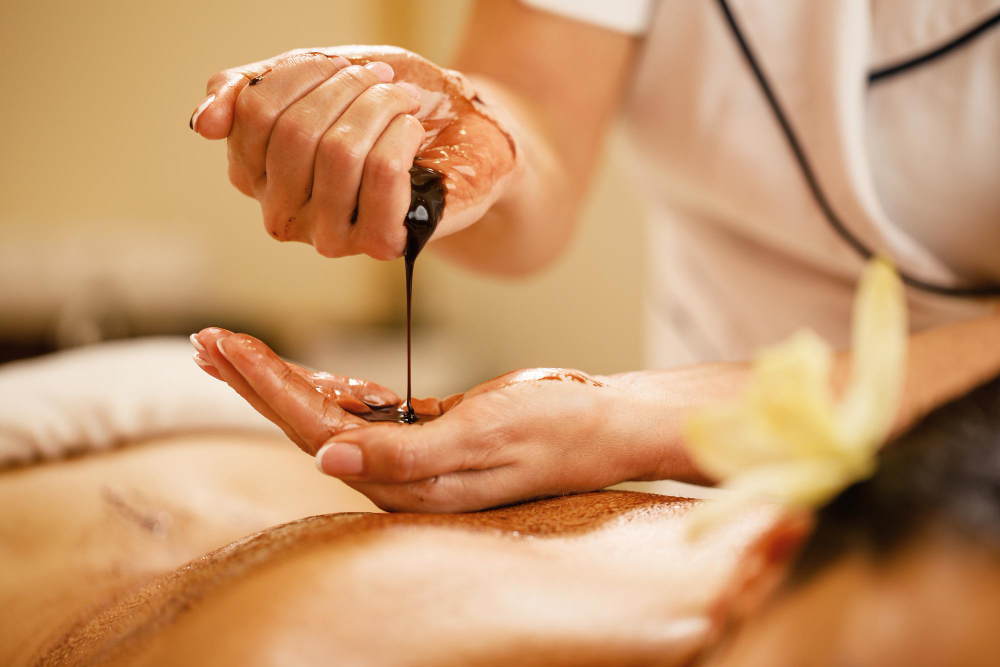
The preparatory stage helps ready the individual for the selected main procedure. It may include Snehana (oleation), Swedana (therapeutic sweating) and prescribed dietary adjustments.
2. Pradhana Karma – Main Treatment
This is the principal treatment stage, during which the selected Panchakarma procedure is administered under professional supervision.
Not everyone receives the same procedures. The treatment depends on the physician’s assessment.
3. Paschat Karma – Recovery and Rebuilding
The final stage focuses on gradual recovery through dietary guidance, rest and appropriate lifestyle adjustments. The physician may recommend a progressive dietary routine to help restore normal eating habits.
Following these recommendations is an important part of completing the treatment programme.
Why Choose Sitaram Retreat for Panchakarma?
At Sitaram Retreat, Ayurveda is rooted in a four-generation legacy of traditional knowledge and clinical experience. We approach Panchakarma as an individualised treatment journey, where the choice of therapies depends on a person’s health assessment and specific requirements.
Our Panchakarma programmes bring together:
- Guidance from experienced Ayurvedic physicians.
- Individualised treatment planning.
- Traditional Ayurvedic therapies.
- Yoga, meditation and mindful living.
- Ayurvedic meals and lifestyle guidance.
- A peaceful natural environment that encourages rest and reflection.
Guests can explore our Beach Retreat in Thalikulam, Mountain Retreat in Munnar and Sitaram X The Postcard in Old Goa.
The intention is to create an environment where traditional Ayurvedic care and thoughtful hospitality come together.
Explore Panchakarma at Sitaram Retreat and speak with our Ayurvedic team to understand whether a personalised programme is appropriate for your needs.
Medical disclaimer: This article is intended for educational purposes and does not replace medical advice, diagnosis or treatment. Panchakarma procedures should only be undertaken after consultation with qualified healthcare professionals. Inform your physician about existing medical conditions, pregnancy, menstruation and prescribed medications before beginning treatment.
Frequently Asked Questions
Q1. How Is Panchakarma Treatment Planned?
Panchakarma is planned after assessing an individual’s constitution, current health, digestive strength and medical history. The physician selects suitable procedures and determines the treatment duration.
Q2. Can Panchakarma Be Done During Periods?
Certain intensive Panchakarma procedures are generally postponed during menstruation. The treatment schedule should be reviewed with an Ayurvedic physician based on individual circumstances.
Q3. Is Panchakarma Suitable for Older Adults?
Older adults may be considered for selected Ayurvedic therapies, but age, physical strength, existing conditions and medication use must be evaluated before treatment.
Q4. Will Everyone Need All Five Panchakarma Procedures?
No. Panchakarma is individualised, and a physician selects procedures according to the person’s needs. All five procedures are not necessary for everyone.
Q5. What Should You Eat After Panchakarma?
A physician may recommend easily digestible, freshly prepared meals and a gradual return to regular eating. The specific dietary plan depends on the treatment and individual condition.
Q6. Why Is Medical Supervision Important During Panchakarma?
Some procedures can involve physical risks, including dehydration and other complications. Qualified supervision helps ensure appropriate treatment selection, monitoring and recovery.
Q7. How Long Does Panchakarma Treatment Take?
The duration varies according to the selected procedures, individual health and treatment goals. A physician determines the programme length after consultation.
Q8. Can Panchakarma Be Done at Home?
Intensive Panchakarma procedures should not be attempted independently at home. They require proper assessment, prescribed medicines and supervision by qualified professionals.
TABLE OF CONTENTS
- What Is Panchakarma in Ayurveda?
- Who Needs Panchakarma?
- Who Should Avoid or Postpone Panchakarma?
- Can Panchakarma Be Done During Periods?
- How Does an Ayurvedic Doctor Determine Whether You Need Panchakarma?
- What Are the Three Stages of Panchakarma Treatment?
- Why Choose Sitaram Retreat for Panchakarma?
- Frequently Asked Questions