retreat@sitaramayurveda.com
 +91 813 8888 912

Benefits of Udwarthanam: How Ayurvedic Powder Massage Supports Skin Health and Overall Wellness

By Vignesh Devraj
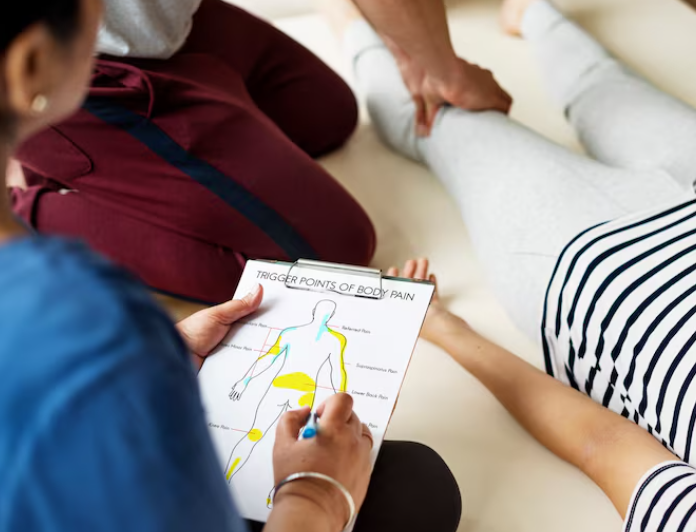
The benefits of Udwarthanam include skin exfoliation, improved skin texture, and support for traditional Ayurvedic weight-management programmes. This herbal powder massage uses firm upward strokes to stimulate the body and cleanse the skin. It is traditionally recommended according to individual body constitution and wellness requirements.
The benefits of Udwarthanam go beyond a traditional body massage. This Ayurvedic therapy uses herbal powders and specialised movements to support skin cleansing, body stimulation and overall wellness. At Sitaram Retreat, Udwarthanam is part of a personalised Ayurvedic approach. Discover the therapy and explore whether it suits your wellness needs.
Udwarthanam is often chosen for its stimulating, exfoliating effect, but many people also wonder how its benefits compare with those of a gentler oil-based therapy. Our guide on the Abhyanga treatment explains what a warm oil massage is traditionally used for, so you can understand the difference clearly.
What Is Udwarthanam in Ayurveda?
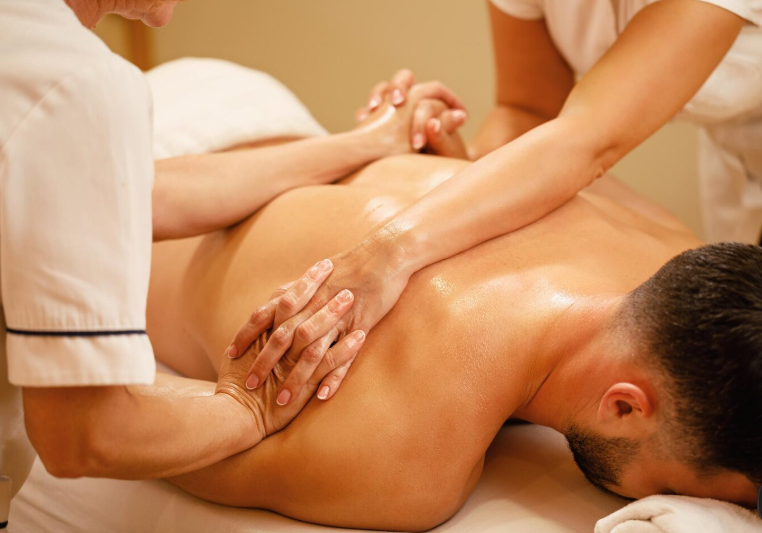
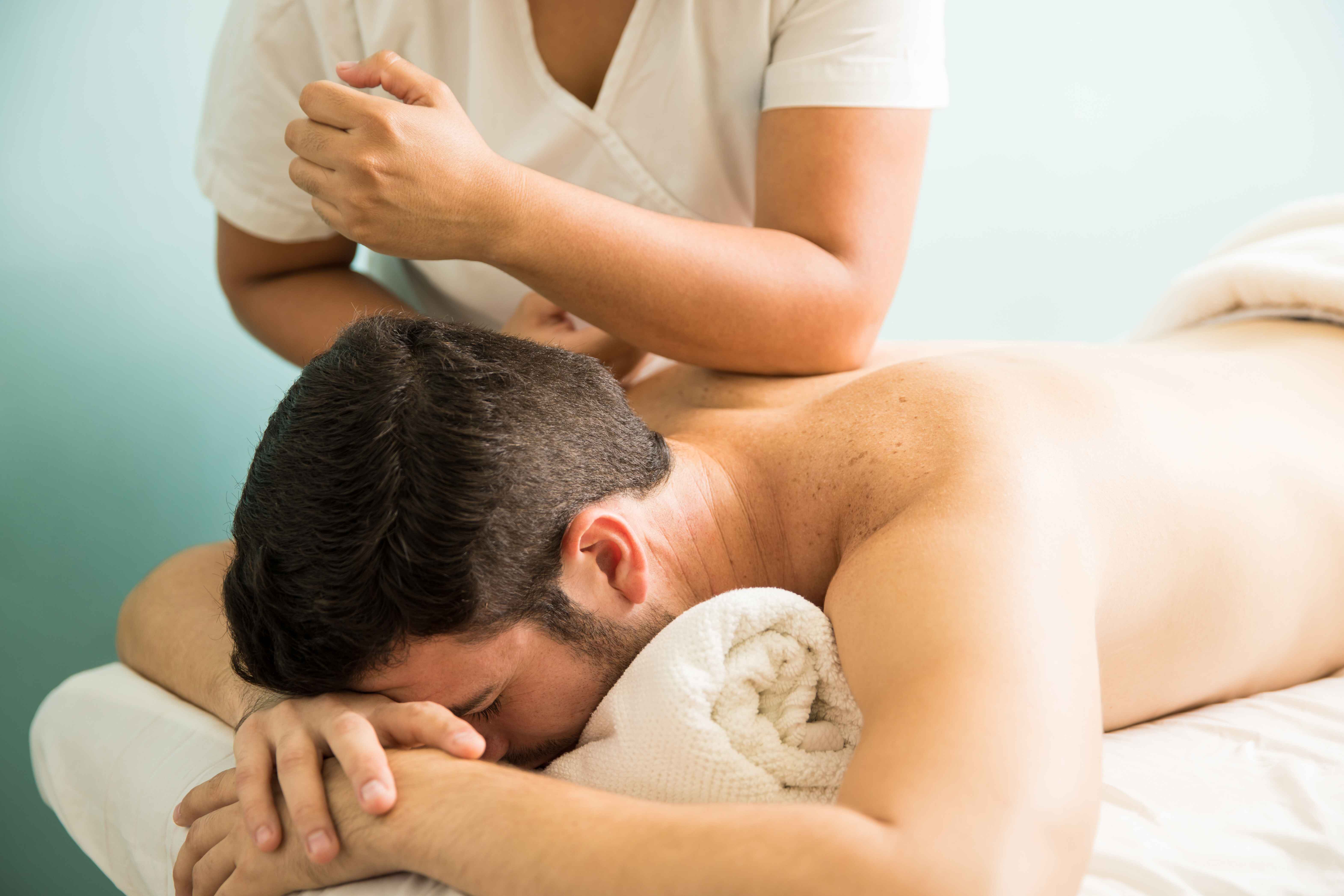
Udwarthanam is a traditional Ayurvedic therapy that involves massaging the body with specially prepared herbal powders using firm, upward strokes. Unlike Abhyanga, which primarily uses medicated oils, this treatment focuses on dry or powder-based massage techniques.
The therapy is traditionally associated with balancing Kapha Dosha, which Ayurveda connects with heaviness, sluggishness and excess accumulation in the body.
During the treatment, herbal powders are applied to the skin and rubbed using specific movements. The pressure, powder formulation and duration depend on the individual’s body constitution and treatment requirements.
Udwarthanam is generally considered for people interested in:
- Traditional Ayurvedic body cleansing.
- Skin exfoliation and improved texture.
- Supporting weight-management programmes.
- Addressing feelings of body heaviness.
- A stimulating herbal massage experience.
Since weight management and Kapha balance are among the most discussed traditional uses of this therapy, it helps to see how Ayurveda approaches them as a whole. You can read more about a related therapy in our article on Dhanyamla Dhara benefits, which is also used in selected weight-management programmes.
What Are the Main Benefits of Udwarthanam?
The benefits of Udwarthanam are traditionally associated with skin health, body stimulation and weight-management practices. The treatment combines herbal powders with physical massage movements to provide a different experience from conventional oil-based massages.
Here are some of its commonly discussed benefits.
1. Supports Skin Cleansing and Exfoliation
One of the noticeable benefits of Udwarthanam is its exfoliating action. Herbal powders create friction against the skin during massage, helping loosen and remove dead skin cells from the surface.
This process can help:
- Remove accumulated dead skin cells.
- Improve the appearance of rough skin.
- Leave the skin feeling smoother.
- Support a cleaner skin surface.
The exfoliating effect depends on the powder used, massage pressure and individual skin sensitivity. People with irritated or damaged skin should seek professional advice before undergoing the treatment.
2. Supports Traditional Weight-Management Programmes
Udwarthanam has an established place in traditional Ayurvedic approaches to managing excess body weight and heaviness.
The vigorous upward massage movements are traditionally used to stimulate body tissues. In Ayurveda, the treatment is also associated with Kapha management and the reduction of excess Meda Dhatu, which refers to adipose tissue in Ayurvedic terminology.
However, massage alone does not guarantee weight loss or fat reduction. Sustainable weight management requires a broader approach involving suitable nutrition, physical activity, lifestyle adjustments and professional guidance.
3. Helps Improve the Appearance of Cellulite
Cellulite refers to the uneven or dimpled appearance of skin, commonly seen around the thighs, hips and buttocks.
The firm movements used during Udwarthanam create friction and stimulate the skin surface. This can temporarily influence how the skin feels and looks.
Its traditional use in body treatments makes it an option for people interested in improving skin texture. However, it should not be considered a permanent solution for cellulite or a method of removing underlying fat deposits.
4. Supports Fluid Balance
Another traditional use of Udwarthanam is its association with reducing excess fluid retention and body heaviness.
The stimulating massage technique is believed in Ayurvedic practice to support the movement of accumulated fluids. Some people may experience a temporary feeling of lightness after a session.
Persistent swelling, however, can have several medical causes. It should not be treated through massage without first obtaining appropriate medical advice.
5. Promotes a Stimulating Body-Massage Experience
Unlike gentle oil massages, Udwarthanam involves more vigorous movements and dry herbal powders.
The rubbing technique creates a stimulating sensation across the body and makes the treatment particularly different from conventional relaxation massages.
Its physical experience may help people feel refreshed after a session. The pressure and technique should always be adjusted to individual comfort.
6. Helps Maintain Smoother Skin Texture
The herbal powders used during treatment work through physical exfoliation. Their contact with the skin helps remove surface impurities and dead skin cells.
With appropriate application, the treatment can contribute to:
- A smoother skin surface.
- Reduced roughness.
- Better-feeling skin texture.
- A refreshed appearance.
The results are not the same for everyone, and the treatment should be avoided on skin affected by active irritation or infection.
7. Traditionally Supports Kapha Management
In Ayurveda, Kapha is one of the three Doshas associated with structure, stability and lubrication in the body.
An imbalance in Kapha is traditionally associated with heaviness, sluggishness and excess accumulation.
Udwarthanam uses dry herbal powders and stimulating movements, which are traditionally considered suitable for addressing certain Kapha-related concerns.
The treatment is not appropriate for every body constitution. An Ayurvedic practitioner should assess individual requirements before recommending it.
8. Complements a Personalised Ayurvedic Wellness Programme
Udwarthanam can form part of a broader Ayurvedic wellness programme rather than being treated as an isolated massage.
Depending on individual requirements, an Ayurvedic practitioner may consider it alongside:
- Suitable dietary recommendations.
- Yoga and physical activity.
- Other Ayurvedic therapies.
- Lifestyle adjustments.
- Appropriate post-treatment care.
This personalised approach helps ensure that the treatment is selected according to individual needs rather than following a standard routine.
The benefits of herbal powder massage are often experienced best when combined with other suitable therapies, depending on individual needs. One such option is Pichu, a traditional oil-soaked cotton pad therapy that is used in selected Ayurvedic treatment plans.
How Does Udwarthanam Therapy Work?
Udwarthanam uses herbal powders and specific massage movements to stimulate the body. The treatment generally follows a structured process.
The typical procedure includes:
- Initial assessment: The practitioner evaluates individual requirements, body constitution and treatment suitability.
- Herbal powder selection: An appropriate herbal formulation is selected according to the treatment plan.
- Powder application: The herbal powder is applied to the body.
- Upward massage movements: The practitioner uses firm, rhythmic strokes, generally moving against the direction of hair growth.
- Post-treatment care: The practitioner provides suitable guidance following the massage.
The treatment can involve different body positions to ensure that the powder is applied across the required areas.
At Sitaram Retreat, Udwarthanam forms part of a wider Ayurvedic treatment approach. Its programme structure can include preparation, the main cleansing phase and rejuvenation, depending on individual requirements.
Which Herbal Powders Are Used in Udwarthanam?
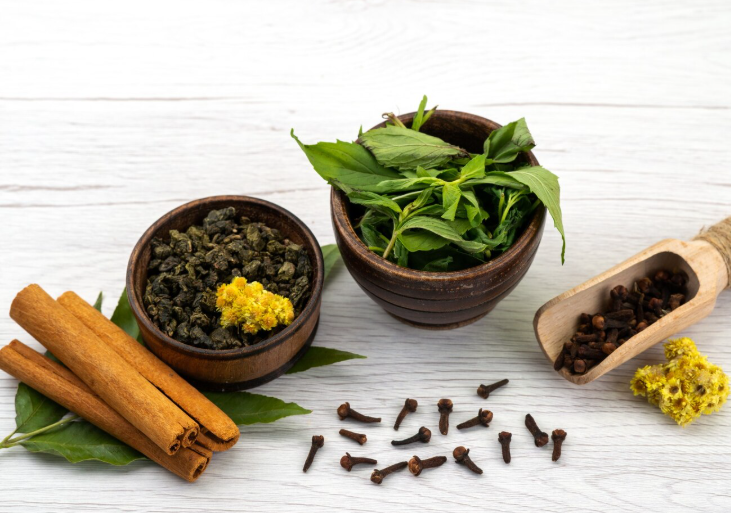
The powders used in Udwarthanam depend on the traditional formulation and the individual’s treatment requirements. Different herbal combinations have different properties and applications in Ayurvedic practice.
Some commonly discussed formulations include:
- Kolakulatthadi Choornam: A traditional herbal powder formulation used in certain Ayurvedic external treatments.
- Kottamchukkadi Choornam: A formulation associated with external massage applications.
- Triphala Choornam: A combination of three traditional Ayurvedic fruits.
- Kulattha Choornam: A powder prepared using horse gram.
- Triphala-based formulations: Used in different traditional Ayurvedic preparations.
Not every formulation is suitable for every individual. The choice of powder should be made by a qualified practitioner rather than through self-application.
If these benefits match your wellness goals, a physician’s assessment is the best first step before starting. You can visit our Udwarthanam therapy page to learn how the treatment is offered at Sitaram Retreat.
Who Can Consider Udwarthanam Therapy?
Udwarthanam may be considered by individuals interested in traditional Ayurvedic body treatments, particularly those seeking a stimulating herbal powder massage.
It may be discussed with an Ayurvedic practitioner by people who:
- Want a traditional exfoliating body treatment.
- Are exploring supervised weight-management programmes.
- Experience a feeling of body heaviness.
- Prefer powder-based massage over oil-based treatments.
- Want to include traditional therapies in a broader wellness routine.
A professional assessment is important before starting treatment, particularly for individuals with existing health concerns.
Who Should Avoid Udwarthanam or Take Precautions?
Although it is a traditional Ayurvedic treatment, Udwarthanam is not suitable for everyone.
Extra caution or avoidance may be necessary for:
- People with open wounds, cuts or burns.
- Individuals experiencing active skin infections or irritation.
- People with known allergies to herbal ingredients.
- Pregnant individuals unless specifically cleared by their healthcare professional.
- People with acute inflammation or significant underlying medical conditions.
- Individuals with highly sensitive or damaged skin.
The vigorous massage technique may aggravate certain skin and health conditions. Always discuss your medical history and concerns with a qualified practitioner before treatment.
Udwarthanam vs Abhyanga: What Is the Difference?
Both are traditional Ayurvedic massage therapies, but their techniques and materials differ.
| Feature | Udwarthanam | Abhyanga |
| Main material | Herbal powders | Medicated oils |
| Technique | Firm upward strokes | Systematic oil massage |
| Application | Dry or powder-based | Oil-based |
| Traditional focus | Cleansing and stimulation | Nourishment and relaxation |
| Treatment choice | Individual assessment | Individual assessment |
Udwarthanam is generally preferred when a powder-based, stimulating treatment is considered appropriate, while Abhyanga focuses on oil massage. Neither is universally better; the choice depends on individual requirements and professional recommendations.
Why Choose Sitaram Retreat for Udwarthanam Therapy?
Choosing an Ayurvedic treatment involves more than selecting a massage. Understanding your individual requirements and choosing an appropriate therapy are equally important.
Sitaram Retreat offers Udwarthanam as part of its Ayurvedic therapies. Its wider treatment approach considers individual assessment and the suitability of different therapies, herbs, oils, dietary recommendations and yoga practices.
The retreat’s Ayurvedic programme also considers different stages of care, including preparation, cleansing and rejuvenation where appropriate.
If you are exploring the benefits of Udwarthanam, understanding the treatment process and receiving professional guidance can help you make a more informed decision.
Explore Udwarthanam Therapy at Sitaram Retreat to learn more about the treatment and discuss your requirements with the team.
Experience Traditional Ayurvedic Care at Sitaram Retreat
The benefits of Udwarthanam make it an interesting traditional therapy for people exploring herbal powder massage, skin exfoliation and Ayurvedic wellness practices. However, its suitability depends on individual health, body constitution and treatment requirements.
At Sitaram Retreat, Udwarthanam is offered as part of a personalised Ayurvedic approach that considers the individual rather than relying on a one-size-fits-all treatment plan.
Ready to explore Udwarthanam? Visit Sitaram Retreat to learn more about the therapy and connect with the team to discuss your Ayurvedic wellness journey.
Frequently Asked Questions
Q1. How Is Udwarthanam Performed?
Udwarthanam is performed by applying medicated herbal powders to the body and using firm, rhythmic upward massage strokes. The technique and powder formulation depend on individual treatment requirements.
Q2. Can Udwarthanam Help With Weight Management?
Udwarthanam is traditionally included in Ayurvedic weight-management programmes. However, massage alone does not guarantee weight loss and should be combined with appropriate nutrition, physical activity and professional guidance.
Q3. Is Udwarthanam a Dry Powder Massage?
Yes. Udwarthanam is commonly performed using herbal powders without the conventional oil application associated with Abhyanga. Some variations may use oils depending on the treatment approach.
Q4. Will Udwarthanam Improve Skin Texture?
The friction created by herbal powders can help exfoliate the skin by removing surface dead skin cells. This may leave the skin feeling smoother, although results vary with skin type and sensitivity.
Q5. What Powders Are Used in Udwarthanam?
Commonly discussed formulations include Kolakulatthadi Choornam, Kottamchukkadi Choornam and Triphala-based powders. The appropriate formulation depends on individual requirements.
Q6. What Is the Difference Between Udwarthanam and Abhyanga?
Udwarthanam primarily uses herbal powders and firm upward strokes, whereas Abhyanga uses medicated oils and systematic massage movements. Both have different traditional Ayurvedic applications.
Q7. Why Is Udwarthanam Associated With Kapha Management?
In Ayurveda, Kapha is associated with heaviness and stability. Udwarthanam uses dry powders and stimulating movements traditionally considered suitable for certain Kapha-related imbalances.
Q8. How Often Should Udwarthanam Be Performed?
The frequency depends on individual health, body constitution and treatment goals. An Ayurvedic practitioner should recommend an appropriate schedule after assessing the individual.
TABLE OF CONTENTS
- What Is Udwarthanam in Ayurveda?
- What Are the Main Benefits of Udwarthanam?
- How Does Udwarthanam Therapy Work?
- Which Herbal Powders Are Used in Udwarthanam?
- Who Can Consider Udwarthanam Therapy?
- Who Should Avoid Udwarthanam or Take Precautions?
- Udwarthanam vs Abhyanga: What Is the Difference?
- Why Choose Sitaram Retreat for Udwarthanam Therapy?
- Experience Traditional Ayurvedic Care at Sitaram Retreat
- Frequently Asked Questions