retreat@sitaramayurveda.com
 +91 813 8888 912

Thalapothichil Ingredients: Herbs, Preparation, Benefits & Ayurvedic Insights

By Vignesh Devraj
Thalapothichil ingredients commonly include gooseberry (Amla), buttermilk and other medicinal herbs prepared into a paste and applied over the head. The exact formulation can vary according to the individual, treatment purpose and herbs selected by an Ayurvedic practitioner. The paste is traditionally covered with leaves for a prescribed duration.
Thalapothichil ingredients are the medicinal components used to prepare the herbal paste applied over the head during this traditional Ayurvedic therapy. Gooseberry, buttermilk and other herbs are commonly used, while the formulation may be adapted to individual needs. At Sitaram Retreat, the therapy is performed as part of a personalized Ayurvedic approach.
But what exactly goes into this herbal head pack, and why are these ingredients selected?
What Is Thalapothichil in Ayurveda?
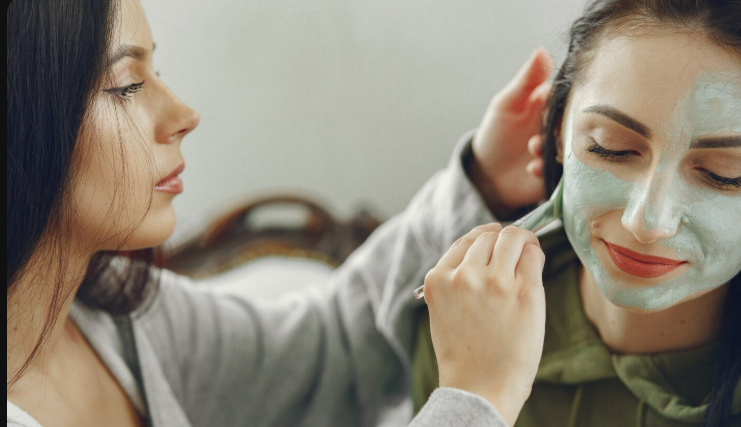
Thalapothichil, also known as a traditional herbal head-pack therapy, involves applying a medicinal paste over the head and covering it with leaves. The word combines thala, meaning “head,” with pothichil, referring to covering or packing.
The treatment is traditionally associated with a cooling and soothing approach to head and scalp care. Kerala Tourism describes Talapotichil as a herbal treatment in which a special paste made using gooseberries, buttermilk and plant derivatives is applied to the scalp and retained for a prescribed period.
Unlike an ordinary hair mask, Thalapothichil is an Ayurvedic therapeutic procedure. The herbs, preparation method and duration are selected with the person’s condition and treatment objective in mind.
Thalapothichil Ingredients: What Is Used in the Herbal Head Pack?
When people search for thalapothichil ingredients, they often expect a single, fixed recipe. In practice, Ayurvedic formulations can differ.
Sitaram Retreat’s therapy page specifically mentions gooseberry, buttermilk and other herbs as components of the head pack.
Here are some of the commonly discussed components:
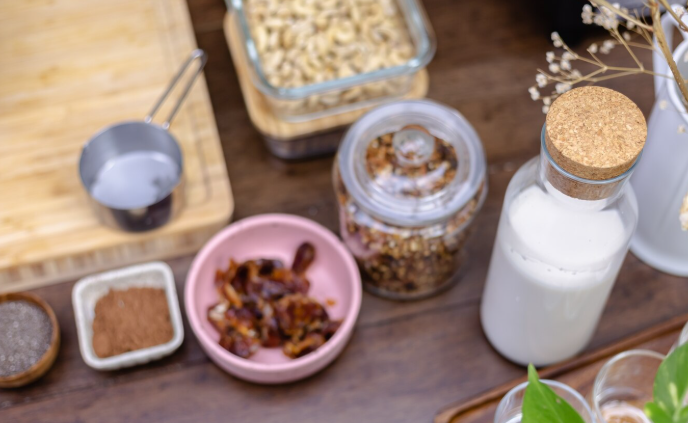
1. Gooseberry or Amla
Gooseberry, traditionally known as Amalaki or Amla, is one of the ingredients specifically identified in descriptions of Thalapothichil. Kerala Ayurveda references also describe gooseberry as part of the herbal paste used in this therapy.
Amla is widely used in Ayurveda and traditional hair-care preparations. In a Thalapothichil formulation, it may form part of the herbal paste selected for the individual’s treatment.
2. Buttermilk
Buttermilk is another ingredient specifically mentioned by Sitaram Retreat. It can be used as part of the medium for preparing the herbal paste.
Its inclusion is also documented in Ayurvedic teaching material on Thalapothichil, where Amalaki powder is combined with buttermilk to create a thick paste.
However, the exact quantity and formulation should not be assumed to be the same for every person.
3. Other Medicinal Herbs
The phrase “other herbs” is important because Thalapothichil does not necessarily follow one universal formulation.
Depending on the Ayurvedic assessment and therapeutic purpose, practitioners may select additional herbs or herbal preparations. Classical and institutional descriptions of the therapy document the use of different medicinal plant materials and cooling herbs.
This is why copying a formula from an online article and applying it at home may not provide the same therapeutic approach as a professionally administered treatment.
Thalapothichil Ingredients in Malayalam
For people searching thalapothichil ingredients malayalam, understanding the common ingredient names can make Ayurvedic information easier to follow.
| English name | Ayurvedic/Sanskrit name | Malayalam name |
|---|---|---|
| Indian Gooseberry | Amalaki | Nellikka (നെല്ലിക്ക) |
| Buttermilk | Takra | Moru (മോര്) |
| Medicinal herbs | Aushadha dravyas | ഔഷധ സസ്യങ്ങൾ |
The exact Malayalam names can vary by regional usage, particularly when referring to individual herbs. For this reason, it is useful to identify herbs by their botanical or commonly accepted Ayurvedic names when preparing a professional formulation.
Are the Same Thalapothichil Ingredients Used for Everyone?
No. The formulation may be adapted according to the person’s condition, constitution, treatment objective and the practitioner’s assessment.
This is one of the most important points to understand about Ayurvedic therapies. A head pack intended for general relaxation does not necessarily require the same formulation as one selected as part of a broader therapeutic programme.
Sitaram Retreat emphasizes an individualized approach to Ayurveda, with treatment choices and therapies selected according to the person’s needs. Its Thalapothichil page likewise notes that the treatment duration can vary according to the condition and type of herb used.
How Are Thalapothichil Ingredients Prepared?
The preparation begins with selecting appropriate medicinal materials. These are then processed into a paste suitable for application over the head.
A simplified overview is:
- Assessment: The practitioner considers the person’s condition and treatment requirements.
- Herb selection: Suitable herbs and supporting ingredients are chosen.
- Paste preparation: The selected herbal material is prepared into a thick, workable paste.
- Head application: The paste is applied over the scalp and head.
- Covering: The herbal pack is wrapped with leaves.
- Retention: The pack remains in place for a prescribed period before being removed.
Ayurvedic educational material describes Amalaki powder being combined with buttermilk to achieve a thick paste before application.
The preparation should be performed appropriately because consistency, quantity, cleanliness and application technique all matter in a professional therapy setting.
Thalapothichil Procedure: What Happens During the Treatment?
The procedure is more than simply putting an herbal paste on the scalp.
At Sitaram Retreat, the therapist applies a pack prepared with gooseberry, buttermilk and other herbs and then wraps the pack with leaves. The stated retention time is 20–40 minutes, depending on the condition and the herbs used.
The treatment generally follows these stages:
- Preparation of the individual and treatment area
- Preparation of the selected herbal paste
- Application of the paste over the head
- Wrapping the head with leaves
- Keeping the pack for the prescribed duration
- Removal and appropriate post-treatment care
The exact sequence can vary according to the practitioner and treatment plan.
Thalapothichil Benefits
The benefits associated with Thalapothichil should be understood within the context of traditional Ayurvedic practice rather than as guaranteed medical outcomes.
Sitaram Retreat describes the therapy in relation to concerns including stress, sleep disorders, hormonal imbalance, and hair growth.
Traditional descriptions also associate the therapy with a cooling and relaxing effect and discuss its use for scalp and head-related concerns.
Potential traditional wellness objectives may include:
- Supporting relaxation and a calmer state of mind
- Providing a cooling sensation around the head
- Supporting scalp and hair wellness
- Forming part of an Ayurvedic approach to sleep-related concerns
- Supporting overall head and mind wellness
- Addressing selected concerns as part of an individualized Ayurvedic treatment plan
If you have a diagnosed medical condition, Thalapothichil should be considered complementary to appropriate medical care rather than a replacement for it.
How Can Thalapothichil Ingredients Vary by Dosha?
Ayurveda describes health through the interaction of Vata, Pitta and Kapha, and traditional treatment planning may take these principles into account.
Thalapothichil is often described as a cooling therapy, particularly in relation to Pitta-associated concerns. However, that does not mean that everyone should use the same cooling herbs or prepare the same paste.
A practitioner may consider:
- Individual constitution or Prakriti
- Current symptoms and condition
- Digestive and physical status
- Treatment objectives
- Season and environmental factors
- The properties of the selected herbs
The important point is that dosha-based treatment is individualized. A person should not diagnose their own dosha and select medicinal herbs solely from an internet ingredient list.
Thalapothichil vs Other Ayurvedic Head Therapies
Thalapothichil is sometimes confused with other head-focused Ayurvedic therapies. Although there can be similarities, the procedures are not identical.
| Therapy | Basic approach | Main distinction |
|---|---|---|
| Thalapothichil | Herbal paste applied over the head | Uses a medicinal head pack |
| Shirodhara | A continuous stream of liquid over the forehead | Focuses on controlled liquid application |
| Talam | Herbal preparation applied to a specific head area | Usually involves a more localized application |
| Shirovasthi | Medicated liquid retained around the head | Uses a specially constructed head reservoir |
Understanding these differences helps you choose a therapy based on professional advice rather than simply selecting one because its benefits sound similar. For comparison, Takradhara treatment in Ayurveda is another Ayurvedic therapy that uses a liquid-based treatment approach.
Who May Consider Thalapothichil?
Thalapothichil may be considered by people seeking an Ayurvedic therapy for relaxation, head and scalp wellness or as part of a broader individualized treatment programme.
However, suitability depends on the individual.
Before undergoing the treatment, discuss your:
- Existing health conditions
- Current medications or treatments
- Allergies or skin sensitivities
- Scalp conditions
- Pregnancy or other special circumstances
- Previous reactions to herbal preparations
A qualified Ayurvedic practitioner can determine whether the therapy is appropriate and how it should be formulated. If you are considering a wider Ayurvedic programme, it can also be helpful to review these questions before booking an Ayurveda retreat in Kerala.
Are There Precautions With Thalapothichil?
Yes. “Natural” does not automatically mean suitable for everyone.
Herbal ingredients can cause irritation or allergic reactions in some individuals. People with scalp problems, open wounds, active infections or other medical concerns should seek professional advice before undergoing a head-pack treatment.
It is also important not to interpret online ingredient lists as DIY treatment instructions. The appropriate ingredients, preparation and duration can differ from person to person.
If you are receiving treatment for a medical condition, inform both your medical professional and Ayurvedic practitioner so that your care can be coordinated appropriately.
Experience Thalapothichil at Sitaram Retreat
Understanding the ingredients is only the first step. The quality of an Ayurvedic therapy also depends on how those ingredients are selected, prepared and administered.
At Sitaram Retreat, Thalapothichil is offered as part of a wider Ayurvedic therapy programme. The treatment uses a head pack made with gooseberry, buttermilk and other herbs, followed by leaf wrapping and a prescribed retention period of 20–40 minutes.
If you are considering Thalapothichil for relaxation, scalp wellness or as part of an individualized Ayurvedic programme, speak with the Sitaram Retreat team to understand whether this therapy is appropriate for your needs.
Discover Thalapothichil at Sitaram Retreat and take the next step toward a more personalized Ayurvedic wellness experience.
Frequently Asked Questions
Q1. What are the main Thalapothichil ingredients?
Commonly described ingredients include gooseberry (Amla), buttermilk and other medicinal herbs. The exact formulation may vary according to the person’s condition and the Ayurvedic treatment plan.
Q2. How long is Thalapothichil kept on the head?
At Sitaram Retreat, the herbal pack is kept on for 20–40 minutes, depending on the condition and the type of herb used.
Q3. Can Thalapothichil ingredients be changed according to the dosha?
Yes. Ayurvedic formulations can be individualized according to the person’s constitution, condition and therapeutic objective. A practitioner should determine the appropriate formulation rather than relying on a generic dosha-based recipe.
Q4. Is gooseberry used in Thalapothichil?
Yes. Gooseberry, or Amla, is specifically mentioned as an ingredient in Sitaram Retreat’s Thalapothichil therapy. It is also documented in Ayurvedic educational descriptions of the procedure.
Q5. Will Thalapothichil help with hair growth?
Thalapothichil is traditionally associated with scalp and hair wellness, and Sitaram Retreat lists hair growth among the concerns for which the therapy may be beneficial. However, hair loss has many possible causes, so persistent or significant hair loss should be medically assessed.
Q6. What are Thalapothichil ingredients in Malayalam?
Common terms include Nellikka (നെല്ലിക്ക) for Indian gooseberry and Moru (മോര്) for buttermilk. Other herbal names vary depending on the formulation used.
Q7. Why is buttermilk used in Thalapothichil?
Buttermilk can serve as part of the medium used to prepare the herbal paste. Ayurvedic teaching material specifically describes Amalaki powder being combined with buttermilk to form the paste used in the procedure.
Q8. Can I prepare Thalapothichil at home?
It is better not to recreate a therapeutic formulation without professional guidance. The herbs, quantities, preparation and application method can vary according to the individual, so a professionally supervised treatment is preferable.
TABLE OF CONTENTS
- What Is Thalapothichil in Ayurveda?
- Thalapothichil Ingredients: What Is Used in the Herbal Head Pack?
- Thalapothichil Ingredients in Malayalam
- Are the Same Thalapothichil Ingredients Used for Everyone?
- How Are Thalapothichil Ingredients Prepared?
- Thalapothichil Procedure: What Happens During the Treatment?
- Thalapothichil Benefits
- How Can Thalapothichil Ingredients Vary by Dosha?
- Thalapothichil vs Other Ayurvedic Head Therapies
- Who May Consider Thalapothichil?
- Are There Precautions With Thalapothichil?
- Experience Thalapothichil at Sitaram Retreat
- Frequently Asked Questions