retreat@sitaramayurveda.com
 +91 813 8888 912

Thalapothichil Benefits: Traditional Ayurvedic Head Therapy

By Vignesh Devraj
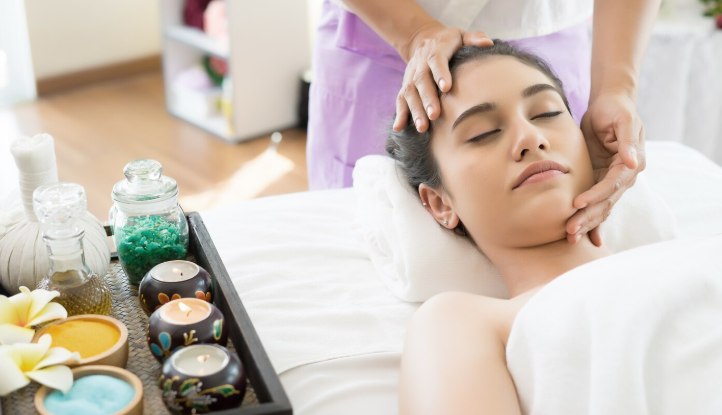
Thalapothichil is a traditional Ayurvedic therapy in which the head is covered with a medicinal herbal paste and wrapped with leaves. Its traditional uses include supporting relaxation, sleep, scalp and hair wellness, and overall balance. At Sitaram Retreat, the herbal preparation and treatment duration are selected according to individual needs.
Thalapothichil benefits are traditionally associated with relaxation, sleep support, scalp wellness and holistic Ayurvedic care. The therapy involves applying a medicinal herbal preparation over the head and wrapping it with leaves. At Sitaram Retreat, it is approached as part of personalised Ayurvedic care rather than a one-size-fits-all treatment. Curious how this soothing head therapy works?
What Is Thalapothichil?
Thalapothichil is a traditional Ayurvedic head therapy. The name itself describes the treatment: “Thala” means head, while “Pothichil” refers to a pack or covering. During the therapy, the head is covered with a medicinal herbal paste and wrapped with leaves.
Unlike an ordinary hair mask, Thalapothichil is used within an Ayurvedic therapeutic setting. The ingredients, preparation and duration can be selected according to the individual’s condition and treatment requirements.
At Sitaram Retreat, the herbal pack is described as being prepared with ingredients such as gooseberry, buttermilk and other herbs. The pack is then applied to the head and wrapped with leaves. It is generally kept in place for around 20–40 minutes, depending on the condition and herbs used.
What Are the Main Thalapothichil Benefits?
The traditional thalapothichil benefits extend beyond scalp care. At Sitaram Retreat, the therapy is associated with concerns including stress, sleep disorders, hormonal imbalance and hair growth.
Here are some of the key areas in which this therapy is traditionally used:
1. Supports Relaxation During Stress
A head-focused Ayurvedic therapy can provide a quiet, restorative experience when incorporated into a broader wellness programme. The cooling and soothing nature of the herbal preparation, combined with the time spent resting during treatment, makes Thalapothichil a popular traditional approach for relaxation.
However, it should not be viewed as a replacement for professional care when persistent stress or other mental health concerns require medical attention.
2. May Support Better Sleep
Sleep is closely connected with daily routines, mental wellbeing and overall health. Thalapothichil is traditionally used as part of Ayurvedic care for sleep-related concerns.
Rather than promising an immediate solution to insomnia, Ayurveda may consider sleep patterns alongside factors such as constitution, lifestyle and overall health before recommending an appropriate therapy.
3. Supports Scalp and Hair Wellness
Another important area of interest is hair and scalp care. The herbal preparation used during Thalapothichil provides direct contact with the scalp, while selected herbs may be incorporated according to the intended therapeutic approach.
Sitaram Retreat specifically lists hair growth among the traditional benefits associated with this therapy.
It is important to distinguish this from a cosmetic hair treatment. Persistent hair loss can have many causes, so professional assessment is appropriate when hair concerns continue.
4. Promotes a Restorative Wellness Experience
Ayurveda takes a broader view of wellbeing instead of focusing on one isolated symptom. A head therapy such as Thalapothichil can therefore be incorporated into a wider programme that may include appropriate diet, lifestyle practices, yoga or other Ayurvedic therapies.
For example, other traditional therapies such as Takradhara treatment in Ayurveda may also be considered depending on an individual’s personalised treatment plan.
The objective is not simply to provide a relaxing session but to consider the individual as a whole.
5. Can Be Adapted to Individual Needs
One of the important principles of Ayurvedic care is individualisation. Sitaram Retreat explains that an Ayurvedic physician evaluates factors such as the person’s condition, symptoms, physical strength, mental strength and body type before deciding on a treatment course. The selection of herbs, oils, diet and yoga therapies can then be customised accordingly.
This approach is particularly relevant when considering traditional therapies because the same preparation or schedule may not be appropriate for everyone.
How Does Thalapothichil Work?
The traditional approach is straightforward but carefully performed. A medicinal herbal paste is prepared and applied over the head before the area is covered with leaves.
The process generally involves:
- Assessment: An Ayurvedic practitioner evaluates the individual’s needs.
- Herbal preparation: Appropriate herbs and other ingredients are prepared for the therapy.
- Application: The herbal pack is applied over the head.
- Wrapping: The head is covered with leaves to hold the preparation in place.
- Resting period: The pack remains on the head for a prescribed duration.
- Removal: The preparation is removed after the recommended period.
At Sitaram Retreat, the pack is kept on for approximately 20–40 minutes, depending on the condition and herbs selected.
What Ingredients Are Used in Thalapothichil?
The exact preparation can vary because Ayurvedic therapies are traditionally adapted to individual requirements. Sitaram Retreat identifies gooseberry, buttermilk and other herbs as ingredients used in its Thalapothichil preparation.
Gooseberry
Gooseberry, commonly known as amla, is widely recognised in Ayurveda and is traditionally used in hair and scalp preparations.
Buttermilk
Buttermilk is another ingredient identified by Sitaram Retreat in its herbal head pack. Its inclusion forms part of the specific preparation used for the therapy.
Other Medicinal Herbs
Additional herbs may be selected according to the individual’s needs and the intended therapeutic approach. This is why a professionally guided preparation is preferable to assuming that one fixed recipe suits every person.
Thalapothichil for Stress, Sleep and Mental Relaxation
One reason people explore thalapothichil benefits is its traditional association with relaxation and sleep-related concerns.
Modern lifestyles often involve long periods of screen exposure, demanding work schedules and insufficient rest. An Ayurvedic retreat can provide an environment where therapies are combined with rest, appropriate food, yoga and other wellness practices.
Thalapothichil may therefore form one component of a larger personalised programme rather than being considered in isolation.
If sleep problems, anxiety, persistent fatigue or other symptoms are severe or ongoing, appropriate medical evaluation should not be delayed.
Thalapothichil for Hair and Scalp Health
When people search for thalapothichil benefits for hair, they are often interested in whether the treatment can improve scalp health or support hair growth.
The traditional therapy applies a herbal preparation directly to the head, making scalp care an important part of the treatment experience. Sitaram Retreat lists hair growth among its stated benefits.
Still, expectations should remain realistic. Hair fall may be associated with nutrition, hormonal changes, genetics, stress, medications or underlying health conditions. An Ayurvedic consultation can help determine whether Thalapothichil is appropriate as part of a broader wellness plan.
How Does Thalapothichil Relate to Dosha Balance?
Ayurveda describes three doshas, Vata, Pitta and Kapha, and considers their balance when assessing an individual’s health and wellbeing.
Thalapothichil should not be treated as a universal therapy for every person or dosha. The choice of herbs, duration and accompanying treatments may depend on the individual’s constitution and current condition.
This personalised approach reflects Sitaram Retreat’s wider Ayurvedic philosophy. Its therapy information explains that treatment decisions are made after consultation and evaluation rather than through a standardised protocol for everyone.
Who May Benefit From Thalapothichil?
People may explore this traditional therapy when they are looking for Ayurvedic support for:
- Stress and relaxation
- Sleep-related concerns
- Scalp and hair wellness
- A restorative retreat experience
- Personalised Ayurvedic care
- Broader wellbeing and rejuvenation
The suitability of the therapy should be determined individually, particularly when someone has an existing health condition or is already receiving medical treatment.
How Long Does Thalapothichil Take?
At Sitaram Retreat, the herbal pack is generally kept on the head for 20–40 minutes. The exact duration depends on the person’s condition and the herbs used.
The complete experience may take longer than the application period because preparation, consultation and post-treatment steps may also be involved.
How Often Should Thalapothichil Be Done?
There is no single frequency that applies to everyone. The appropriate schedule depends on why the therapy is being recommended, the individual’s condition and the broader Ayurvedic treatment plan.
Sitaram Retreat follows a personalised approach in which treatment choices are made after evaluating the individual. This means the frequency should ideally be determined by an Ayurvedic physician rather than copied from another person’s routine.
Thalapothichil vs Shirodhara: What’s the Difference?
Both are well-known Ayurvedic head-focused therapies, but their methods are different.
| Feature | Thalapothichil | Shirodhara |
|---|---|---|
| Main method | Herbal paste applied over the head | A prescribed liquid is poured in a steady stream over the forehead |
| Primary experience | Herbal head pack and resting period | Continuous liquid-flow therapy |
| Preparation | Herbal paste | Selected liquid or oil preparation |
| Typical focus | Head, scalp and restorative wellness | Relaxation and head-focused Ayurvedic care |
| Personalisation | Depends on individual assessment | Depends on individual assessment |
Neither therapy should automatically be considered “better.” An Ayurvedic practitioner can recommend the approach that best fits the person’s needs.
Are There Any Precautions to Consider?
Although Thalapothichil is a traditional therapy, professional guidance remains important.
Keep these points in mind:
- Discuss your health concerns with the Ayurvedic practitioner before treatment.
- Inform the practitioner about existing medical conditions and treatments.
- Do not assume that the same herbs or treatment duration are suitable for everyone.
- Seek medical advice for persistent or serious symptoms.
- Follow the practitioner’s instructions regarding preparation and aftercare.
The emphasis on assessment is consistent with Sitaram Retreat’s approach, where treatment courses and even the selection of herbs, oils, diet and yoga therapies may be customised following consultation.
Experience Personalised Thalapothichil Care at Sitaram Retreat
Understanding thalapothichil benefits is only the first step. The value of an Ayurvedic therapy also lies in how appropriately it is selected, prepared and integrated into an individual’s wider care.
At Sitaram Retreat, Ayurvedic treatment begins with individual assessment. The retreat’s approach considers factors such as physical and mental strength, symptoms, body type and overall condition before deciding on a treatment course. Herbs, oils, diet and yoga therapies can also be customised accordingly.
If you are considering Thalapothichil for relaxation, sleep-related concerns, scalp wellness or a restorative Ayurvedic experience, speak with the Sitaram team about whether this traditional therapy is suitable for you. If you are comparing options, you can also review these questions before booking an Ayurveda retreat in Kerala to help you make an informed decision.
Discover a more personalised approach to Ayurveda at Sitaram Retreat. Explore Thalapothichil therapy, consult with the Ayurvedic team and take the next step towards a thoughtfully guided wellness experience.
Frequently Asked Questions
Q1. How does Thalapothichil help with relaxation?
Thalapothichil involves applying a medicinal herbal pack over the head and allowing the person to rest during treatment. It is traditionally used as part of Ayurvedic care for stress and relaxation.
Q2. Can Thalapothichil help with hair growth?
Sitaram Retreat lists hair growth among the traditional benefits of Thalapothichil. However, hair loss has many possible causes, so persistent hair concerns should be assessed rather than relying on one therapy alone.
Q3. Is Thalapothichil good for sleep?
Thalapothichil is traditionally used in Ayurvedic care for sleep-related concerns. Its suitability depends on the individual’s condition, constitution and overall treatment plan.
Q4. Will Thalapothichil cure insomnia?
It should not be presented as a guaranteed cure for insomnia. Sitaram Retreat lists sleep disorders among the concerns for which the therapy is used, but persistent insomnia may require appropriate professional assessment.
Q5. What is used to make a Thalapothichil pack?
Sitaram Retreat states that its preparation includes gooseberry, buttermilk and other herbs. The exact formulation may vary according to the individual’s needs and the treatment approach.
Q6. Why are leaves used during Thalapothichil?
Leaves are traditionally used to wrap and hold the herbal preparation around the head during the treatment. At Sitaram Retreat, the herbal pack is applied and then wrapped with leaves before being kept in place for the prescribed duration.
Q7. Is Thalapothichil suitable for everyone?
Not necessarily. Ayurvedic therapies are traditionally individualised. A practitioner should consider the person’s condition, symptoms, physical and mental strength and body type before recommending a treatment.
Q8. What are the main Thalapothichil benefits for overall wellness?
The therapy is traditionally associated with relaxation, sleep-related support, scalp and hair wellness and broader restorative care. Its role and suitability depend on the individual’s Ayurvedic assessment and treatment plan.
TABLE OF CONTENTS
- What Is Thalapothichil?
- What Are the Main Thalapothichil Benefits?
- How Does Thalapothichil Work?
- What Ingredients Are Used in Thalapothichil?
- Thalapothichil for Stress, Sleep and Mental Relaxation
- Thalapothichil for Hair and Scalp Health
- How Does Thalapothichil Relate to Dosha Balance?
- Who May Benefit From Thalapothichil?
- How Long Does Thalapothichil Take?
- How Often Should Thalapothichil Be Done?
- Thalapothichil vs Shirodhara: What's the Difference?
- Are There Any Precautions to Consider?
- Experience Personalised Thalapothichil Care at Sitaram Retreat
- Frequently Asked Questions