retreat@sitaramayurveda.com
 +91 813 8888 912

Shirodhara Massage: Benefits, Procedure, Types & What to Expect

By Vignesh Devraj
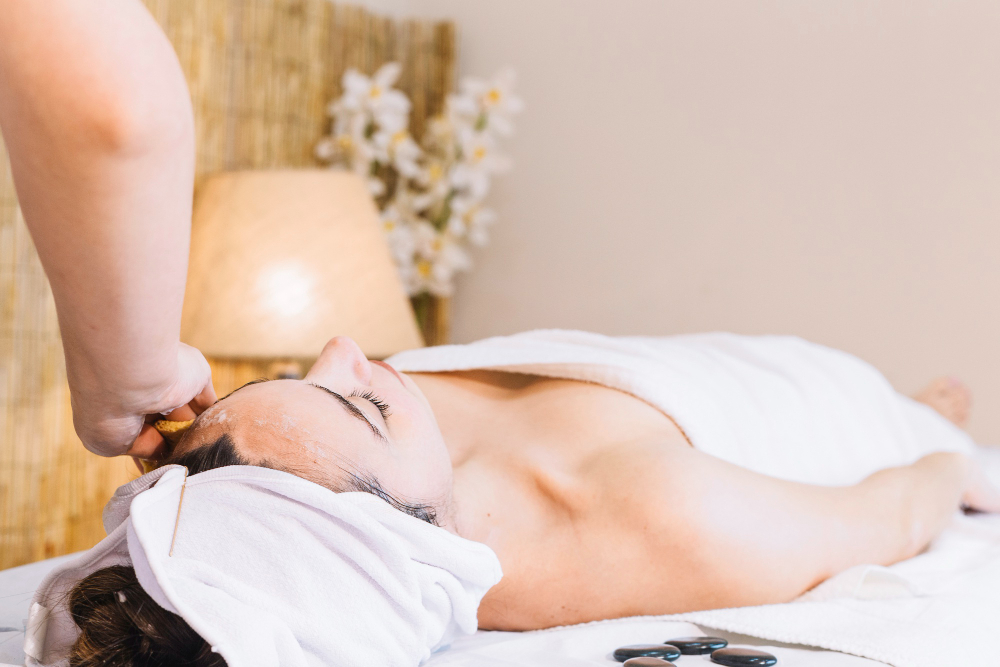
Shirodhara massage is a traditional Ayurvedic therapy in which a warm liquid such as herbal oil, milk, buttermilk, or a decoction is poured in a gentle, continuous stream over the forehead. It is traditionally used to encourage relaxation, mental calmness, and restful sleep, with the treatment selected according to individual Ayurvedic needs.
At Sitaram Retreat, the therapy is selected as part of an individualised Ayurvedic approach. But what actually happens during a session, and what can you expect?
What Is Shirodhara Massage?
The word Shirodhara comes from two Sanskrit terms: shiras, meaning “head”, and dhara, meaning “continuous flow”. In the traditional procedure, a selected liquid is poured over the head in a steady, rhythmic stream.
Unlike a conventional head massage, the defining feature is the continuous flow rather than manual massage alone. Sitaram Retreat describes the therapy as using oil, a decoction, milk, or buttermilk, depending on the treatment approach. A mild Abhyanga may be performed before the main procedure.
The experience is deliberately slow. You generally lie comfortably while the therapist controls the flow and gently moves the vessel across the forehead. The repetitive rhythm, warmth, and quiet environment are intended to support a state of deep relaxation.
In Ayurveda, treatments are not necessarily one-size-fits-all. Sitaram’s Ayurvedic physicians assess factors such as symptoms, physical and mental strength, and body type before deciding on an appropriate treatment course, including the selection of oils, herbs, diet, and yoga therapies.
How Does Shirodhara Massage Work?
From an Ayurvedic perspective, Shirodhara is valued for its soothing and grounding qualities. The uninterrupted flow of warm liquid creates a consistent sensory experience while the individual rests without needing to actively participate in the treatment.
The treatment is often associated with calming the mind and supporting relaxation. Rather than thinking of it as a quick fix for a particular problem, it is more useful to view Shirodhara as one component of a broader Ayurvedic wellness approach.
The choice of liquid can also vary. Traditional Ayurvedic practice may use herbal oils, milk, buttermilk, or herbal decoctions depending on the individual’s needs and the practitioner’s assessment.
This distinction is important: the appropriate liquid, temperature, duration, and treatment plan should be determined by a qualified practitioner rather than selected solely from an online list of oils.
What Happens During a Shirodhara Massage?
Knowing what to expect can make the treatment feel much more comfortable, particularly if it is your first Ayurvedic therapy.
1. Ayurvedic Assessment
A practitioner may first discuss your current concerns, lifestyle, constitution, and overall wellbeing. This helps determine whether Shirodhara is appropriate and how the therapy should be approached.
2. Preparing for the Treatment
You are positioned comfortably on the treatment table. The therapist prepares the treatment area and takes steps to protect the eyes from the liquid.
3. A Gentle Abhyanga May Come First
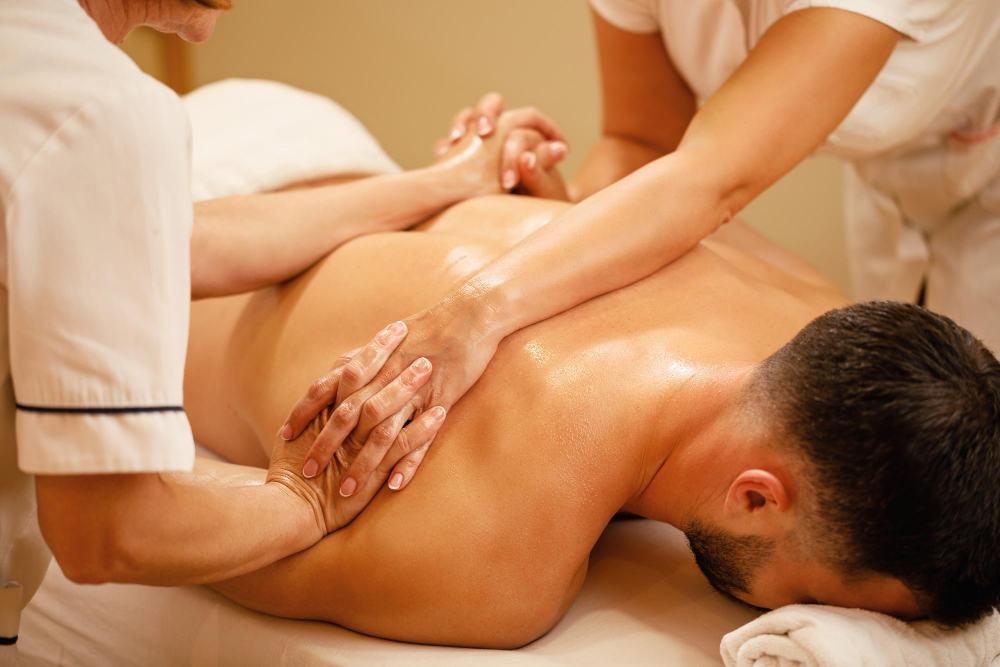
At Sitaram Retreat, the Shirodhara procedure begins with a mild Abhyanga. This prepares you for the treatment and helps transition the body into a more relaxed state.
Discover abhyanga benefits for relaxation, nourishment, improved circulation, and overall Ayurvedic wellness.
4. The Continuous Flow Begins
A vessel positioned above the head allows warm liquid to flow gently towards the forehead. The therapist moves the vessel back and forth in a controlled rhythm.
5. The Treatment Ends Gradually
Once the procedure is complete, your practitioner can guide you on what to do next. Giving yourself a little quiet time afterwards can help you ease back into your day rather than immediately rushing into activity.
Explore, ayurvedic treatment for mental health natural ways to manage everyday tension and promote well-being.
What Are the Benefits of Shirodhara Massage?
One of the main reasons people seek Shirodhara massage is the experience of profound relaxation. Within Ayurveda, the therapy is traditionally used as part of approaches aimed at supporting mental calm, sleep, and overall wellbeing.
Promotes Deep Relaxation
The warm, continuous flow creates a repetitive and soothing sensory experience. Combined with a quiet treatment environment, this can make the session feel particularly restful.
Supports Stress Management
Shirodhara is commonly incorporated into Ayurvedic wellness programmes for people seeking greater calm and relaxation. Sitaram also includes the therapy among approaches used within its stress-management programmes.
Explore ayurvedic treatment for stress for better relaxation and emotional balance.
May Support Restful Sleep
Because relaxation and sleep are closely connected, a calming Ayurvedic routine may be useful for people who want to create better conditions for rest. Sitaram describes Shirodhara as a therapy used in its approach to sleep-related concerns.
Explore ayurvedic treatment for sleep improvement for better relaxation, restful sleep, and overall well-being.
Encourages Mental Calmness
The treatment requires you to slow down. For people accustomed to constant stimulation, simply lying still while experiencing a gentle, repetitive flow can provide a welcome pause.
Complements a Wider Ayurvedic Routine
Shirodhara does not have to exist in isolation. Depending on the individual’s plan, Ayurveda may combine therapies with appropriate food, yoga, meditation, lifestyle guidance, and other treatments.
What Liquids Are Used in Shirodhara?
The liquid used is an important part of the therapy. Sitaram Retreat identifies oil, decoction, milk, and buttermilk among the liquids used for Shirodhara.
Herbal Oils
Oil-based Shirodhara is perhaps the form most people picture when they hear about the treatment. The particular oil should be chosen according to the practitioner’s assessment rather than a generic recommendation.
Herbal Decoctions
A decoction may be used when the treatment protocol calls for an herbal preparation. Its selection depends on the Ayurvedic approach being followed.
Milk
Milk-based Dhara, commonly known as Ksheera Dhara, is another traditional variation.
Buttermilk
Takra Dhara uses buttermilk as the flowing medium and is a distinct Ayurvedic Dhara therapy.
The key point is that there is no single “best” Shirodhara oil for everyone. Your practitioner should decide what is suitable for you.
What Are the Different Types of Shirodhara?
Several variations exist within traditional Ayurvedic practice.
Sneha Dhara
This is an oil-based form in which suitable herbal oil is used as the flowing medium.
Ksheera Dhara
This variation uses milk and is traditionally selected according to the individual’s Ayurvedic requirements.
Takra Dhara
Takra Dhara uses buttermilk and is often discussed as a separate Dhara therapy within Ayurveda.
Kashaya Dhara
Kashaya Dhara uses a herbal decoction. As with other variations, the preparation and selection should be guided by an Ayurvedic practitioner.
These variations demonstrate why the therapy should not be reduced to simply “warm oil on the forehead.” The treatment medium is one part of a larger, individualised Ayurvedic protocol.
Shirodhara and the Three Doshas
Ayurveda describes three doshas, Vata, Pitta and Kapha, which are used as part of its traditional framework for understanding individual constitution and imbalance.
A practitioner may consider these factors when planning Ayurvedic therapies. This does not mean that everyone with the same dosha should automatically receive the same oil or treatment.
For example, an Ayurvedic physician may consider constitution, current symptoms, season, strength, and other factors before choosing the appropriate therapy. Sitaram Retreat specifically states that its treatment choices, including oils and herbs, are customised after consultation and assessment.
That personalised approach is an important part of responsible Ayurvedic care.
Is Shirodhara Part of Panchakarma?
Shirodhara massage may be included within a broader Ayurvedic treatment programme, but it should not automatically be described as Panchakarma itself.
Panchakarma is a structured Ayurvedic therapeutic approach involving specific procedures that are planned according to an individual’s condition and treatment goals. Sitaram maintains separate resources for Panchakarma and its different stages and procedures.
Shirodhara can therefore be incorporated into a wider programme when considered appropriate by an Ayurvedic physician. A standalone Shirodhara session, however, should not automatically be labelled a Panchakarma treatment.
Explore what is panchakarma treatment to understand its traditional Ayurvedic approach and how it is used to support cleansing, balance, and overall well-being.
Who Can Consider Shirodhara Massage?
People who are looking for a traditional Ayurvedic relaxation experience may consider Shirodhara as part of a broader wellness routine.
It may be particularly appealing if you want to:
- Create dedicated time for relaxation
- Support a calmer daily routine
- Explore traditional Ayurvedic therapies
- Complement yoga or meditation practices
- Include restorative treatments within an Ayurvedic retreat
However, suitability depends on the individual. A consultation is especially important if you have a medical condition, are pregnant, take regular medication or have recently experienced a significant health issue.
Who Should Avoid or Delay Shirodhara?
Not every Ayurvedic therapy is suitable for every person at every time.
Before receiving Shirodhara massage, tell your practitioner about relevant medical conditions, allergies, pregnancy, medications and any recent illness or injury. A qualified professional can determine whether the treatment should be modified, postponed or avoided.
This is particularly important for people with significant neurological concerns, acute illness or other conditions affecting the head and overall health. Ayurvedic therapy should complement appropriate medical care rather than replace diagnosis or treatment from a qualified medical professional.
Learn the panchakarma meaning to understand its traditional Ayurvedic principles and role in promoting balance and overall well-being.
How Long Does Shirodhara Take?
The duration can vary depending on the treatment plan, preparation and individual needs. There is no universal session length that applies to everyone.
Your practitioner may also consider whether Shirodhara is being provided as a standalone therapy or alongside treatments such as Abhyanga or as part of a larger Ayurvedic programme.
For this reason, it is better to follow the schedule recommended by your Ayurvedic physician rather than choosing a duration based solely on an online guide.
What Should You Do Before and After Shirodhara?
A few simple steps can make the experience more comfortable.
Before treatment:
- Follow your practitioner’s dietary instructions.
- Wear comfortable clothing.
- Arrive with enough time to settle down.
- Tell the practitioner about any relevant health concerns.
- Avoid arriving immediately after strenuous activity if your practitioner advises otherwise.
After treatment:
- Give yourself some quiet time where possible.
- Follow the therapist’s instructions regarding bathing and hair care.
- Avoid immediately filling the rest of your day with demanding activities if you have been advised to rest.
- Follow any personalised dietary or lifestyle recommendations.
The exact instructions may vary depending on the wider Ayurvedic programme you are following.
Shirodhara Massage vs Abhyanga: What Is the Difference?
Although both are Ayurvedic therapies, their techniques are different.
| Feature | Shirodhara | Abhyanga |
| Main technique | Continuous flow of liquid | Therapeutic oil massage |
| Primary focus | Head and forehead area | Body or selected areas |
| Sensation | Rhythmic and flowing | Manual massage |
| Can they be combined? | Yes, when appropriate | Yes, depending on the treatment plan |
At Sitaram Retreat, a mild Abhyanga massage may precede Shirodhara, showing how different Ayurvedic therapies can be thoughtfully combined within a personalised treatment plan.
Why Choose a Qualified Ayurvedic Centre for Shirodhara?
The quality of the experience depends on more than the oil and equipment. Proper assessment, treatment planning, therapist training, hygiene and practitioner oversight all matter.
At Sitaram Retreat, Ayurvedic treatment selection begins with consultation and assessment, with treatment choices customised according to the individual’s needs.
Sitaram’s current retreat ecosystem includes Ayurvedic physicians and a healing team, along with treatment centres in Thrissur, Munnar and a Goa offering. Its website also describes a legacy of more than 100 years and a setting that combines Ayurveda with nature and retreat-based living.
That broader environment can make a traditional therapy feel less like an isolated appointment and more like part of a considered wellness journey.
Experience Shirodhara at Sitaram Retreat
If you are ready to explore Shirodhara massage, Sitaram Retreat offers an opportunity to experience the therapy within a wider Ayurvedic setting.
Rather than treating every guest with an identical protocol, Sitaram’s approach begins with assessment and uses that understanding to guide therapies, oils, herbs, diet, and complementary practices.
Its retreats combine Ayurvedic care with the restorative surroundings of Kerala, including the Beach Retreat in Thrissur and Mountain Retreat in Munnar.
Begin Your Ayurvedic Wellness Journey at Sitaram Retreat
Shirodhara massage can be a beautiful way to pause, slow down, and reconnect with a quieter rhythm. When delivered within a personalised Ayurvedic programme, it becomes more than a treatment technique; it becomes part of a considered approach to rest and wellbeing.
At Sitaram Retreat, experienced Ayurvedic professionals assess each individual’s needs before recommending therapies. If you would like to understand whether Shirodhara is appropriate for you, explore the therapy at Sitaram Retreat and speak with the team about beginning your Ayurvedic journey.
Frequently Asked Questions
Q1. How does Shirodhara help with relaxation?
Shirodhara uses a warm, continuous, and rhythmic flow over the forehead while you rest comfortably. This calming sensory experience is traditionally used in Ayurveda to encourage relaxation and mental quiet.
Q2. Can Shirodhara help with sleep?
Shirodhara is traditionally used within Ayurvedic wellness approaches that support relaxation and restful sleep. However, it should not be presented as a guaranteed treatment for insomnia or a substitute for medical care.
Q3. Is Shirodhara suitable for everyone?
No. Suitability depends on individual health, constitution, and treatment goals. People who are pregnant, taking medication, or managing a medical condition should discuss the therapy with an appropriately qualified practitioner first.
Q4. Will Shirodhara always use oil?
No. The treatment can use different liquids, including herbal oil, milk, buttermilk, or a decoction. The appropriate medium depends on the Ayurvedic treatment plan and should be selected by a qualified practitioner.
Q5. What happens during a Shirodhara session?
You generally lie comfortably while a warm liquid flows continuously over the forehead from a specialised vessel. At Sitaram, a mild Abhyanga is performed first as part of the described procedure.
Q6. What is Shirodhara used for?
In traditional Ayurveda, Shirodhara is used as a calming and restorative therapy and is commonly associated with relaxation, mental quiet, and support for restful routines. Its appropriate use depends on individual assessment.
Q7. Why is Shirodhara sometimes combined with Abhyanga?
Abhyanga and Shirodhara use different techniques, but they can complement one another. Sitaram’s procedure includes a mild Abhyanga before Shirodhara, creating a gradual transition into the treatment.
Q8. How often should I have Shirodhara?
There is no universal schedule. Frequency should be based on your Ayurvedic practitioner’s assessment, the purpose of treatment, and whether it forms part of a wider Ayurvedic programme.
TABLE OF CONTENTS
- What Is Shirodhara Massage?
- How Does Shirodhara Massage Work?
- What Happens During a Shirodhara Massage?
- What Are the Benefits of Shirodhara Massage?
- What Liquids Are Used in Shirodhara?
- What Are the Different Types of Shirodhara?
- Shirodhara and the Three Doshas
- Is Shirodhara Part of Panchakarma?
- Who Can Consider Shirodhara Massage?
- Who Should Avoid or Delay Shirodhara?
- How Long Does Shirodhara Take?
- What Should You Do Before and After Shirodhara?
- Shirodhara Massage vs Abhyanga: What Is the Difference?
- Why Choose a Qualified Ayurvedic Centre for Shirodhara?
- Experience Shirodhara at Sitaram Retreat
- Begin Your Ayurvedic Wellness Journey at Sitaram Retreat
- Frequently Asked Questions