retreat@sitaramayurveda.com
 +91 813 8888 912

Thalam and Thalapothichil: Benefits, Procedure and Ayurvedic Approach

By Vignesh Devraj
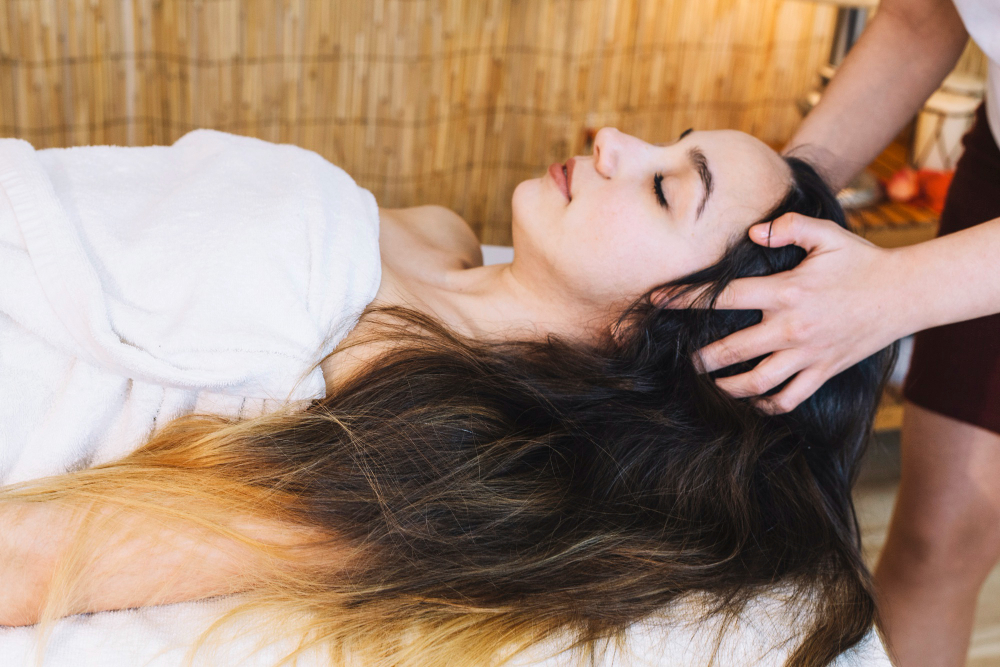
Thalam and Thalapothichil are traditional Ayurvedic head therapies, but they differ in how herbal preparations are applied. Thalam uses a medicated herbal paste on a specific area of the head, while Thalapothichil involves applying herbal paste more extensively and covering the head with traditional leaves. The choice depends on individual Ayurvedic assessment and therapeutic needs. Explore ayurvedic treatment for hair fall to learn about traditional Ayurvedic approaches to scalp care and healthier-looking hair.
Ayurveda includes several traditional therapies that use herbal preparations as part of a personalised approach to wellbeing. Thalam and Thalapothichil are two such head therapies, each following a distinct application method and therapeutic process. Although they may appear similar, factors such as how the herbal preparation is applied, how long it is kept in place, and the individual’s Ayurvedic needs can influence which approach is considered. Understanding these differences can help you have a more informed conversation with a qualified Ayurvedic practitioner.
What Are Thalam and Thalapothichil?
Thalam and Thalapothichil are distinct Ayurvedic head therapies, although they are often discussed together because both involve applying medicinal preparations to the head.
What Is Thalam?
Thalam involves applying a specially prepared medicated paste to a specific area of the head. The preparation may combine herbal powders with oil or a suitable decoction, depending on the individual’s needs and the Ayurvedic treatment plan.
The paste remains in place for a prescribed period before being removed. The ingredients and application method can vary according to the person’s condition, constitution and therapeutic requirements.
What Is Thalapothichil?
Thalapothichil is a traditional Ayurvedic therapy in which the head is covered with a medicinal herbal paste. Ingredients may include gooseberry, buttermilk and other herbs selected according to the treatment approach.
The herbal application is traditionally covered with leaves and kept on the head for a specific duration. At Sitaram Retreat, the treatment generally takes around 20–40 minutes, depending on the condition and herbs used. Learn what is shirodhara to understand this traditional Ayurvedic therapy and its calming approach to relaxation and well-being.
Thalam and Thalapothichil: What Is the Difference?
Although both are Ayurvedic head therapies, the application and treatment process are different.
| Feature | Thalam | Thalapothichil |
| Application | Applied to a specific area of the head | Covers the head with herbal paste |
| Preparation | May use herbal powder with oil or decoction | Uses a prepared medicinal herbal paste |
| Covering | Does not involve the same full-head covering method | Traditionally covered with leaves |
| Duration | Generally around 1–2 hours | Generally around 20–40 minutes |
| Treatment focus | Selected according to individual Ayurvedic needs | Selected according to condition and therapeutic requirements |
The choice between these therapies should not be based simply on the duration or ingredients. An Ayurvedic physician considers the individual’s constitution, symptoms, strength, and overall requirements before recommending an appropriate therapy. Discover abhyanga massage to learn about this traditional Ayurvedic oil massage and its role in relaxation and body care.
What Are the Benefits of Thalapothichil?
Thalapothichil is traditionally used as part of Ayurvedic care for relaxation and selected wellness concerns. Its benefits depend on the herbs used, the individual’s condition and the overall treatment plan.
Traditional applications may include:
- Supporting relaxation and a sense of calm
- Supporting restful sleep
- Promoting scalp and hair wellness
- Supporting overall head and nervous-system relaxation
- Addressing selected concerns through personalised Ayurvedic care
- Complementing a broader Ayurvedic wellness programme
These applications should be understood within the Ayurvedic treatment system rather than as guaranteed medical outcomes. A personalised consultation helps determine whether the therapy is appropriate.
What Are the Traditional Benefits of Thalam?
Thalam provides a targeted herbal application to the head and can form part of a personalised Ayurvedic treatment plan.
Its traditional applications include supporting:
- Relaxation and emotional wellbeing
- Restful sleep
- Head and scalp wellness
- Mental calmness
- Selected concerns associated with individual Ayurvedic imbalances
The herbs used in Thalam can influence its intended application. For this reason, a fixed formulation or single-purpose approach does not represent every Thalam treatment.
How Is Thalapothichil Performed?
The Thalapothichil treatment follows a structured process rather than simply placing a herbal paste on the head.
1. Ayurvedic Assessment
Treatment begins with an understanding of the individual’s needs. Factors such as constitution, symptoms, physical and mental strength, and overall health help guide treatment selection.
2. Preparation of the Herbal Paste
A medicinal paste is prepared using selected herbs. Gooseberry and buttermilk may form part of the preparation, while other ingredients can be selected according to the treatment plan.
3. Application to the Head
The prepared paste is applied over the head to create an even herbal covering.
4. Traditional Leaf Covering
The head is traditionally wrapped with leaves over the herbal application. This forms an important part of the therapy’s traditional method.
5. Removal After the Prescribed Duration
The herbal paste remains in place for approximately 20–40 minutes at Sitaram Retreat, depending on the condition and herbs used. The treatment is then completed according to the therapist’s guidance.
How Is Thalam Performed?
The Thalam treatment begins with the preparation of a suitable herbal mixture. Herbal powders may be combined with oil or a decoction to create a paste with the desired consistency.
The paste is then applied to the designated area of the head and kept in place for the prescribed duration. Treatment commonly takes around 1–2 hours, depending on the individual’s requirements.
Because Ayurvedic therapies are personalised, the exact ingredients, preparation, and duration may differ from one person to another.
When May These Ayurvedic Head Therapies Be Considered?
Thalam and Thalapothichil may be considered when an Ayurvedic practitioner identifies a suitable role for them within an individual’s treatment plan.
They may form part of care focused on:
- Relaxation and rejuvenation
- Supporting better rest
- Managing everyday stress through traditional wellness practices
- Scalp and hair wellness
- Personalised Ayurvedic balancing
- A broader Panchakarma or Ayurvedic wellness programme
The right therapy depends on the individual. Existing health conditions, medications, allergies, and other relevant factors should be discussed with an Ayurvedic physician before treatment. Discover ayurvedic treatment for stress to learn about traditional Ayurvedic practices that may support relaxation, stress management, and emotional well-being.
What Ingredients Are Used in Thalapothichil?
There is no single universal formulation for every Thalapothichil session. Ayurvedic preparations can be selected according to the individual’s requirements.
Commonly used ingredients can include:
- Gooseberry (Amla): Traditionally valued in Ayurveda for its nourishing and balancing properties.
- Buttermilk: Used in selected traditional preparations as part of the herbal paste.
- Other medicinal herbs: Additional herbs may be selected according to the individual’s treatment plan.
This personalised approach is an important part of traditional Ayurvedic therapy. Ingredients should be selected and prepared by trained professionals rather than copied from a general online recipe. Explore what is panchakarma treatment to understand this traditional Ayurvedic detoxification approach and its role in supporting overall wellness.
How Long Does Thalapothichil Take?
A typical Thalapothichil therapy at Sitaram Retreat takes around 20–40 minutes, depending on the condition and herbs used.
The complete experience may take longer when consultation, preparation, and post-treatment care are included. Treatment duration should always follow the guidance of the Ayurvedic practitioner.
Is Thalapothichil Suitable for Everyone?
Thalapothichil is not automatically suitable for every person or every condition. Ayurvedic therapies are selected according to individual needs and should be administered by trained professionals.
Before treatment, discuss relevant health conditions, allergies, medications, and other concerns with your Ayurvedic physician. Professional assessment helps determine whether Thalapothichil, Thalam, or another therapy is more appropriate.
Why Choose Sitaram Retreat for Ayurvedic Therapies?
At Sitaram Retreat, Ayurveda is approached as a personalised system of care rather than a collection of standardised treatments.
The treatment experience can include:
- Consultation with Ayurvedic professionals
- Individualised therapy selection
- Traditional Ayurvedic treatments
- Personalised Ayurvedic cuisine
- Yoga and meditation
- A peaceful retreat environment
- Guidance based on individual wellness requirements
Sitaram Retreat also brings together Ayurveda, nature, nutrition, yoga and mindful living to create a more complete retreat experience. This allows therapies such as Thalapothichil to be considered within a broader Ayurvedic wellness programme.
Experience Thalapothichil at Sitaram Retreat
Thalam and Thalapothichil offer two distinct ways to experience traditional Ayurvedic head therapies, with each treatment following its own method, preparation, and duration. Choosing the right therapy starts with understanding your individual needs and receiving guidance from qualified Ayurvedic professionals.
At Sitaram Retreat, these therapies form part of a broader approach to Ayurveda that brings together personalised treatments, Ayurvedic cuisine, yoga, meditation and a peaceful retreat setting.
If you are looking to experience authentic Thalapothichil treatment in a traditional Ayurvedic environment, explore the Thalapothichil therapy at Sitaram Retreat and connect with the team to understand which Ayurvedic approach best suits your needs.
Frequently Asked Questions
Q1. How is Thalapothichil performed?
Thalapothichil involves applying a medicinal herbal paste over the head, covering it traditionally with leaves and keeping it in place for a prescribed period.
Q2. Can Thalam and Thalapothichil be used together?
They can form part of a broader Ayurvedic treatment plan when considered appropriate by a qualified Ayurvedic practitioner. They are, however, separate therapies with different procedures.
Q3. Is Thalapothichil good for relaxation?
Thalapothichil is traditionally used as a relaxing Ayurvedic head therapy. Its suitability and intended purpose depend on the individual’s treatment plan.
Q4. What is the difference between Thalam and Thalapothichil?
Thalam involves applying medicated paste to a specific area of the head, while Thalapothichil involves covering the head with a herbal paste and traditional leaf covering.
Q5. Will Thalapothichil help with hair and scalp wellness?
Thalapothichil has traditional applications related to scalp and hair wellness. The appropriate treatment depends on individual Ayurvedic assessment.
Q6. Why is Thalapothichil performed with herbal paste?
The herbal paste delivers selected Ayurvedic ingredients directly to the head as part of the traditional therapeutic method. Its formulation varies according to treatment requirements.
Q7. How long does Thalam take?
Thalam generally takes around 1–2 hours, although the duration can vary according to the individual’s condition and treatment plan.
Q8. Is Thalapothichil available at Sitaram Retreat?
Yes. Thalapothichil is offered as one of the Ayurvedic therapies at Sitaram Retreat, where treatment is selected according to individual Ayurvedic needs.
TABLE OF CONTENTS
- What Are Thalam and Thalapothichil?
- Thalam and Thalapothichil: What Is the Difference?
- What Are the Benefits of Thalapothichil?
- What Are the Traditional Benefits of Thalam?
- How Is Thalapothichil Performed?
- How Is Thalam Performed?
- When May These Ayurvedic Head Therapies Be Considered?
- What Ingredients Are Used in Thalapothichil?
- How Long Does Thalapothichil Take?
- Is Thalapothichil Suitable for Everyone?
- Why Choose Sitaram Retreat for Ayurvedic Therapies?
- Experience Thalapothichil at Sitaram Retreat
- Frequently Asked Questions