retreat@sitaramayurveda.com
 +91 813 8888 912

Talam Meaning in Ayurveda: What Is Talam Therapy?

By Vignesh Devraj
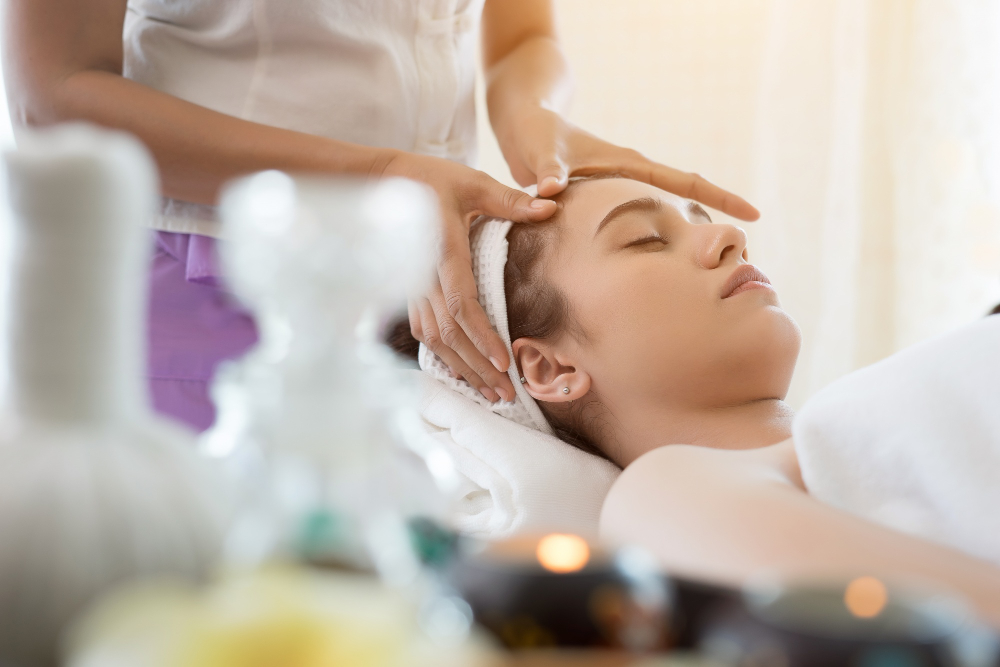
Talam meaning refers to a traditional Ayurvedic therapy in which a medicated herbal preparation is placed on a specific area of the head. It is traditionally used as part of Ayurvedic wellness practices that aim to promote relaxation, restful sleep, and overall wellbeing. Explore ayurvedic treatment for hair fall to learn about traditional Ayurvedic hair care practices, herbal oils, and scalp-nourishing routines that support healthier-looking hair.
In Ayurveda, Talam is more than simply applying herbs to the head. The therapy reflects the Ayurvedic approach of using carefully selected preparations based on an individual’s needs and wellness goals. It is traditionally incorporated into broader care practices and may be recommended alongside other therapies as part of a personalised Ayurvedic routine. At Sitaram Retreat, Talam is offered within this holistic approach to wellness, with treatments tailored to the individual.
What Is the Talam Meaning in Ayurveda?
The word Talam refers to a traditional Ayurvedic practice involving the application of a medicated herbal preparation to a specific area of the head. Unlike a standard scalp application, the ingredients are selected with consideration for the person’s condition and therapeutic needs.
Understanding talam meaning also requires looking at the treatment as more than simply applying herbs to the head. Ayurveda considers the body as an interconnected system, and head-focused therapies are traditionally used to promote a sense of calm, balance, and relaxation.
The preparation may contain herbal powder combined with an oil or herbal decoction. The exact formulation can differ depending on the intended use and the guidance of an Ayurvedic practitioner. Discover ayurvedic treatment for stress to learn about traditional Ayurvedic practices that may support relaxation, stress management, and emotional well-being.
What Does Talam Mean?
In simple terms, Talam is a medicated herbal application used on the head as part of Ayurvedic therapy. The treatment is traditionally associated with calming and restorative care.
It is also important to understand that Talam and Thalam are commonly used spellings for the same traditional therapy. This means people may encounter either spelling while searching for information about the treatment.
How Is Talam Therapy Performed?
A typical Talam session involves several straightforward steps. The exact process can be personalised according to the individual’s needs.
Preparation of the Herbal Mixture
The Ayurvedic practitioner selects an appropriate preparation. This may involve:
- Herbal powder
- Herbal decoction
- Medicated oil
- A combination of suitable herbal ingredients
The preparation is made into a consistency that can be comfortably applied to the intended area. Learn the panchakarma meaning to understand the principles of this traditional Ayurvedic practice and its role in supporting overall well-being. Learn the panchakarma meaning to understand the principles of this traditional Ayurvedic practice and its role in supporting overall well-being.
Application to the Head
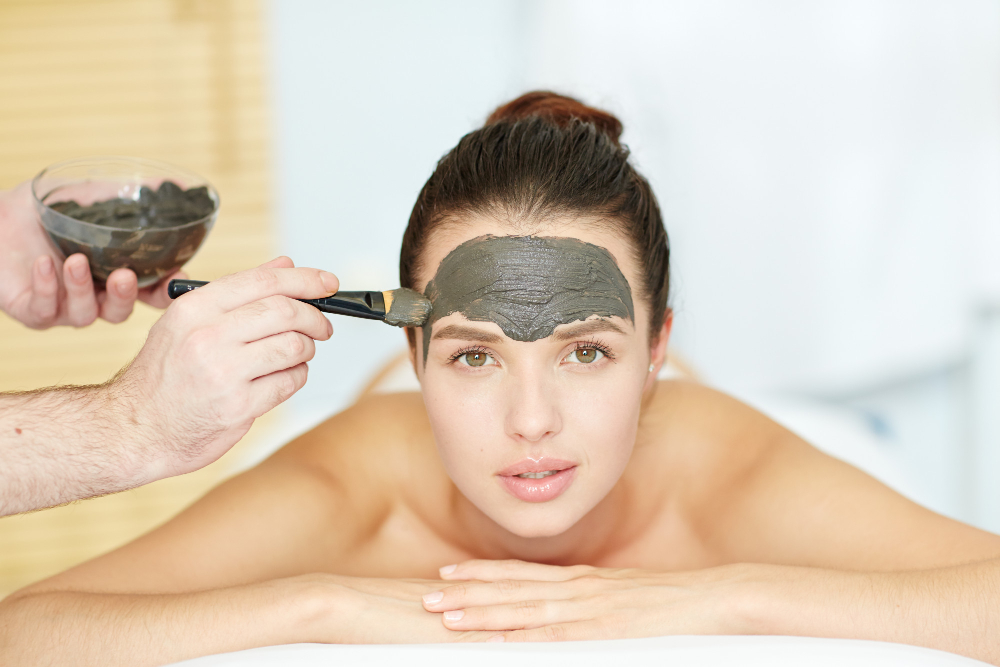
The prepared mixture is applied to a specific area of the scalp or head. Care is taken to ensure that the application is comfortable and remains in place during the therapy.
Resting Period
The herbal preparation remains on the head for a specific period. At Sitaram Retreat, the usual duration is around 1–2 hours, depending on the individual’s condition and treatment plan.
The duration should always be determined by the practitioner rather than treated as a fixed rule for everyone.
What Are the Benefits of Talam Therapy?
The benefits associated with Talam depend on the herbs used, the individual’s needs, and the broader Ayurvedic treatment plan. Traditionally, this therapy is valued for its calming and restorative qualities.
Some common areas of use include:
- Supporting relaxation and mental calm
- Promoting restful sleep
- Supporting overall head and scalp wellbeing
- Helping create a soothing experience during Ayurvedic treatment
- Supporting comfort when used as part of a personalised wellness programme
Talam for Sleep and Relaxation
One of the traditional applications of Talam is supporting relaxation and sleep. A calming head therapy can form part of an Ayurvedic wellness routine for individuals experiencing occasional difficulty settling down or maintaining a restful state.
It should not, however, be considered a guaranteed treatment for insomnia or other medical conditions.
Talam for Mental Wellbeing
Head-focused Ayurvedic therapies are often incorporated into wellness programmes that aim to encourage relaxation and emotional balance. Talam can provide a quiet period of rest while the medicated preparation remains on the head. Explore ayurvedic treatment for mental health to understand traditional Ayurvedic approaches to emotional balance and overall mental wellness.
Other Traditional Uses
Depending on the herbs and preparation selected, Talam may also be included in Ayurvedic care for concerns such as sinus discomfort, cold-related discomfort, cervical discomfort, and general relaxation.
The appropriate application depends on an individual’s condition and should be decided with professional guidance.
Why Are Different Herbs Used in Talam?
There is no single herbal formula that applies to every Talam session. Ayurveda places importance on individual assessment, so the ingredients can be selected according to the person’s needs.
The preparation may differ based on:
- The purpose of the therapy
- Individual constitution
- Presenting concerns
- The Ayurvedic practitioner’s assessment
- The type of herbal preparation required
This personalised approach is an important part of understanding talam meaning in ayurveda. The therapy is not simply about applying any herbal paste to the head; the selection and preparation of ingredients form an important part of the traditional practice.
Talam vs Other Ayurvedic Head Therapies
Talam is one of several Ayurvedic therapies that focus on the head. Although these treatments can share a relaxing purpose, their techniques are different.
Talam vs Shirodhara
Talam involves applying a medicated herbal preparation to a specific area of the head. Shirodhara involves a continuous stream of liquid, often oil or another suitable preparation, directed over the forehead. Discover what is shirodhara to learn about this traditional Ayurvedic therapy and its calming approach to relaxation and wellness.
Talam vs Shiro Pichu
Shiro Pichu traditionally involves placing a medicated material or oil-soaked cloth on the head for a designated period. Talam uses a prepared herbal paste or mixture applied directly to the selected area.
Talam vs Shirovasti
Shirovasti is a different Ayurvedic head therapy in which medicated oil is retained over the head using a specially designed covering. Talam uses a topical herbal preparation instead.
Understanding these differences helps explain the meaning of talam within the broader Ayurvedic therapy system.
Who May Consider Talam Therapy?
Talam may be considered by people looking for a traditional Ayurvedic head therapy as part of a personalised wellness programme.
It may be particularly relevant for people seeking:
- A calming Ayurvedic treatment experience
- Support for relaxation
- Traditional approaches to restful sleep
- A head-focused wellness therapy
- Personalised Ayurvedic care
People with an existing health condition, persistent symptoms, or ongoing medication should discuss their situation with a qualified healthcare professional and Ayurvedic practitioner before beginning treatment.
What Can You Expect During a Talam Session?
Knowing what happens during treatment can make the experience more comfortable, especially for someone trying Ayurvedic therapy for the first time.
A session generally involves:
- Consultation: Your needs and overall condition are assessed.
- Preparation: An appropriate herbal mixture is prepared.
- Application: The preparation is carefully applied to the selected area of the head.
- Rest: The preparation remains in place for the recommended duration.
- Removal: The herbal preparation is removed following the therapist’s instructions.
- Aftercare: Any additional care recommendations are provided according to the treatment plan.
The experience is intended to be gentle and relaxing rather than rushed.
Is Talam Therapy Suitable for Everyone?
Talam is not necessarily appropriate in the same form for every person. Ayurvedic therapies are traditionally personalised, which means the ingredients, duration, and frequency can vary.
A professional consultation is useful before treatment, particularly when a person has:
- An existing medical condition
- Persistent or unexplained symptoms
- Skin or scalp sensitivity
- A current medication regimen
- Specific treatment concerns
A qualified practitioner can determine whether Talam is appropriate and whether another Ayurvedic therapy may better suit the individual’s needs.
Experience Talam Therapy at Sitaram Retreat
Understanding talam meaning is only the beginning. Experiencing the therapy within a thoughtfully planned Ayurvedic programme allows the treatment to be personalised around your individual needs.
At Sitaram Retreat, Talam is offered alongside a range of traditional Ayurvedic therapies in a dedicated retreat environment. The approach focuses on professional guidance, personalised treatment and the wider principles of Ayurveda rather than treating one therapy as a standalone solution.
If you are interested in exploring Talam therapy, connect with Sitaram Retreat to learn more about the treatment, understand whether it suits your needs, and discover an Ayurvedic wellness programme designed around you.
Frequently Asked Questions
Q1. How Is Talam Therapy Done?
A medicated herbal preparation is applied to a specific area of the head and retained for a prescribed period. The preparation and duration are selected according to individual needs.
Q2. Can Talam Be Used for Sleep?
Yes, Talam is traditionally included in Ayurvedic wellness programmes that focus on relaxation and restful sleep. Its suitability depends on the individual’s condition and treatment plan.
Q3. Is Talam the Same as Shirodhara?
No. Talam involves applying a medicated herbal preparation to the head, while Shirodhara involves a continuous stream of liquid directed over the forehead.
Q4. Will Talam Always Use the Same Herbs?
No. The herbal preparation can vary according to the individual’s needs, the purpose of treatment, and the practitioner’s assessment.
Q5. What Is Talam Used For?
Talam is traditionally used as a head-focused Ayurvedic therapy for relaxation and wellbeing. Depending on the formulation, it may also be included in care for sleep-related and other concerns.
Q6. Why Is Talam Considered an Ayurvedic Therapy?
Talam follows the Ayurvedic approach of using personalised herbal preparations and traditional treatment methods according to individual needs.
Q7. How Long Does Talam Stay on the Head?
A Talam application may remain in place for around 1–2 hours, depending on the individual’s condition and treatment plan.
Q8. Can I Choose Talam Without a Consultation?
A consultation is recommended before starting Talam. An Ayurvedic practitioner can assess your needs and determine whether this therapy and its preparation are suitable for you.
TABLE OF CONTENTS
- What Is the Talam Meaning in Ayurveda?
- How Is Talam Therapy Performed?
- What Are the Benefits of Talam Therapy?
- Why Are Different Herbs Used in Talam?
- Talam vs Other Ayurvedic Head Therapies
- Who May Consider Talam Therapy?
- What Can You Expect During a Talam Session?
- Is Talam Therapy Suitable for Everyone?
- Experience Talam Therapy at Sitaram Retreat
- Frequently Asked Questions