retreat@sitaramayurveda.com
 +91 813 8888 912

Panchakarma Side Effects: What’s Normal and What’s Not

By Vignesh Devraj
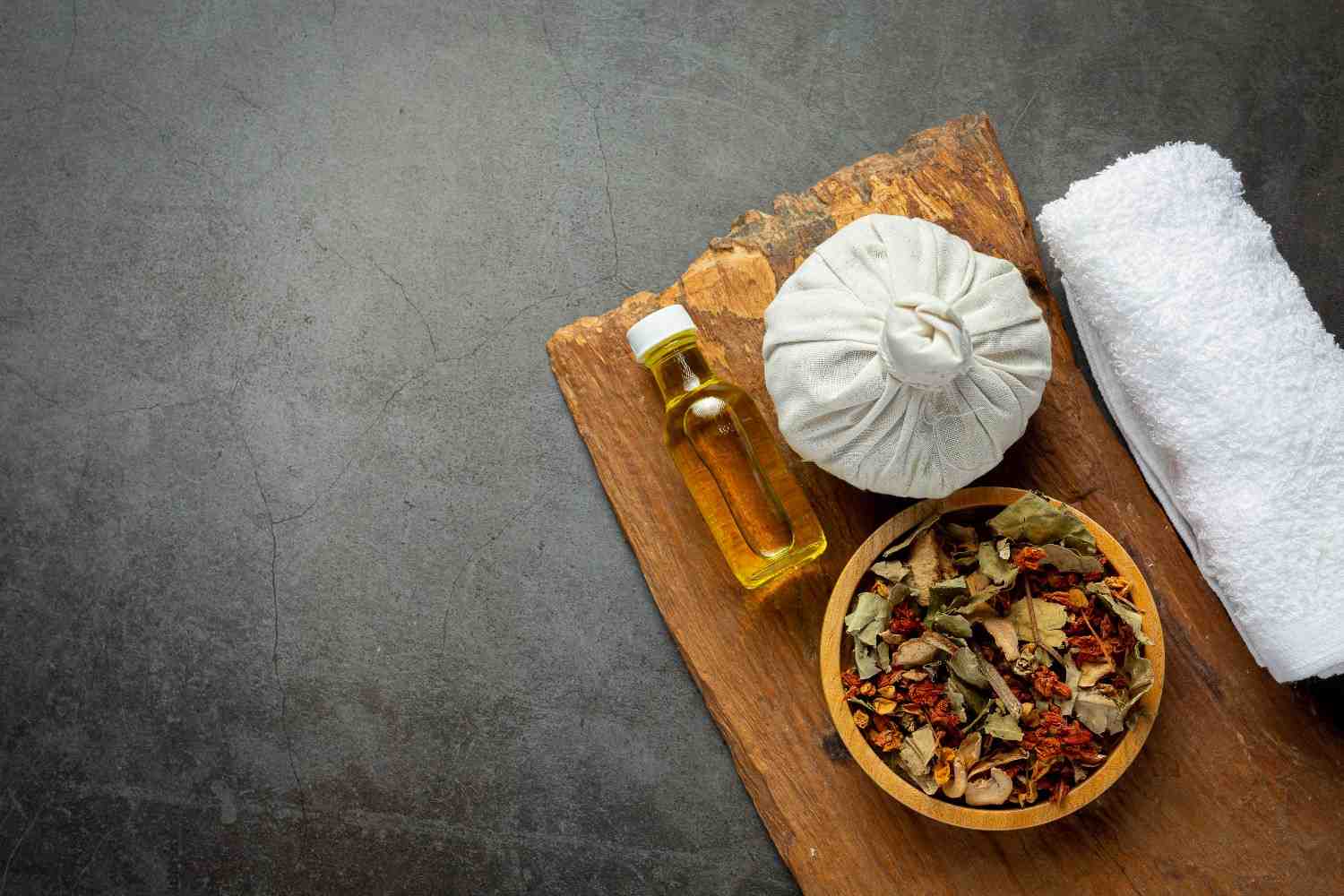
Panchakarma side effects are usually mild, temporary healing responses rather than harmful reactions. Fatigue, slight digestive changes, mild headaches, or emotional release can occur as the body rebalances. However, severe pain, persistent vomiting, dehydration, high fever, or excessive weakness are not normal and require prompt medical attention from a qualified Ayurvedic physician.
Many people wonder whether Panchakarma side effects are something to worry about. In most cases, they are temporary healing reactions that occur as the body undergoes Ayurvedic cleansing and restoration. When Panchakarma is planned and supervised by experienced Ayurvedic physicians, it is designed to support healing safely. If you’re considering authentic Panchakarma, Sitaram Retreat offers personalized, doctor-led treatment rooted in Kerala’s classical Ayurvedic tradition. Understanding what is normal and what is not is the first step toward a confident healing journey.
What Is Panchakarma and Why Does It Affect the Body?
Panchakarma in Ayurveda is Ayurveda’s classical purification and rejuvenation therapy. Rather than being a generic detox program, it is a carefully personalized treatment that addresses the root cause of imbalance by removing accumulated Ama (metabolic toxins), balancing the doshas (Vata, Pitta, and Kapha), and restoring digestive fire (Agni).
The Panchakarma meaning translates to “five actions,” referring to the five principal purification therapies:
- Vamana (therapeutic emesis)
- Virechana (therapeutic purgation)
- Basti (medicated enemas)
- Nasya (nasal cleansing)
- Raktamokshana (bloodletting in selected cases)
Every treatment begins with a detailed consultation to understand an individual’s constitution (Prakriti), current imbalance (Vikriti), medical history, strength, age, digestive capacity, and health goals. Because Panchakarma works deeply on the body’s natural cleansing mechanisms, temporary adjustments during the healing process are possible.
Are Panchakarma Side Effects Normal?
For most individuals, Panchakarma side effects are mild, short-lived, and expected as the body adapts to the cleansing process. These are often better described as healing reactions rather than harmful side effects.
The type and intensity of these reactions depend on several factors, including:
- Individual body constitution
- Existing health conditions
- Specific Panchakarma types or therapies performed
- Strength of digestion (Agni)
- Degree of toxin accumulation (Ama)
- Compliance with dietary and lifestyle guidance
When treatments are personalized and continuously monitored by qualified Ayurvedic physicians, these temporary responses are usually well managed and resolve naturally.
Common Healing Reactions During Panchakarma
The following responses are generally considered normal and often improve within a few days.
| Healing Reaction | Why It Happens | Typical Duration |
| Mild fatigue | Body redirects energy toward healing | 1–3 days |
| Temporary headache | Dosha movement and detoxification | Short-term |
| Digestive changes | Adjustment of Agni | Few days |
| Increased bowel movements | Natural elimination process | Temporary |
| Emotional release | Mind-body cleansing | Variable |
| Mild body aches | Tissue purification | Short-lived |
| Increased sleepiness | Deep restorative healing | Temporary |
These reactions should gradually improve rather than become more severe as you experience the primary Panchakarma benefits.
What Is Not Normal During Panchakarma?
Although serious complications are uncommon under expert supervision, not every symptom should be ignored. Certain reactions require immediate evaluation by your Ayurvedic physician.
Seek medical advice if you experience:
- Persistent vomiting
- Severe or prolonged diarrhea
- High fever
- Significant dehydration
- Fainting or dizziness
- Severe abdominal pain
- Blood in stools
- Chest pain
- Difficulty breathing
- Extreme weakness that worsens
These symptoms are not considered normal Panchakarma side effects and should never be dismissed as part of the detox process.
When to Contact Your Ayurvedic Doctor Immediately: If symptoms become severe, persist beyond the expected recovery period, or interfere with hydration, breathing, or daily functioning, contact your physician without delay. Timely evaluation helps ensure safe and effective treatment.
Why Do Some People Experience More Reactions Than Others?
Every individual responds differently to Panchakarma because no two bodies are alike.
Several factors can influence the experience:
Individual Constitution
People with different dosha constitutions may respond differently to therapies.
Existing Health Conditions
Chronic illnesses or long-standing imbalances may require more gradual cleansing.
Digestive Strength
A weak digestive fire can influence how efficiently the body processes toxins during treatment.
Preparation Before Treatment
Proper Purvakarma, including internal and external oleation (Snehana) and therapeutic sweating (Swedana), prepares the body for cleansing and reduces unnecessary discomfort.
Following Dietary Instructions
Ignoring prescribed dietary guidelines before, during, or after treatment can increase digestive stress and delay recovery.
How Authentic Panchakarma Minimizes Side Effects
One of the biggest differences between authentic Ayurvedic Panchakarma and commercial detox programs is personalization.
At a traditional Ayurvedic centre, treatment is carefully adapted rather than standardized.
A safe Panchakarma program typically includes:
- Comprehensive Ayurvedic consultation
- Personalized dosha assessment
- Continuous physician monitoring
- Appropriate Purvakarma preparation
- Correct execution of the assigned Panchakarma procedure
- Individualized Ayurvedic diet
- Regular assessment and treatment adjustments
This individualized approach significantly reduces the likelihood of unnecessary Panchakarma side effects while supporting optimal healing.
Precautions Before Starting Panchakarma
Preparation plays an important role in achieving the best outcomes.
Before beginning treatment:
- Undergo a complete Ayurvedic consultation.
- Share your full medical history and current medications.
- Follow the recommended pre-treatment diet.
- Avoid self-prescribed detox programs.
- Stay well hydrated.
- Get adequate sleep.
- Prepare mentally for a structured healing program.
- Discuss any concerns openly with your physician.
Proper preparation allows the body to respond more comfortably to therapy.
Supporting Recovery After Panchakarma
Recovery continues even after the main procedures are completed.
To support healing:
Eat Light, Nourishing Foods
Choose freshly prepared, warm, easy-to-digest meals such as:
- Khichdi
- Vegetable soups
- Steamed vegetables
- Rice gruel
- Herbal teas
Avoid Heavy Foods
Limit:
- Deep-fried foods
- Packaged snacks
- Alcohol
- Excess caffeine
- Cold drinks
- Very spicy or heavy meals
Prioritize Rest
The body continues rebuilding after cleansing. Gentle walking, meditation, breathing exercises, and adequate sleep help consolidate the benefits of treatment.
Following your physician’s aftercare instructions is one of the best ways to reduce temporary Panchakarma side effects and maximize Panchakarma treatment benefits.
Myth vs Fact
| Myth | Fact |
| Panchakarma is dangerous. | Authentic Panchakarma is personalized and physician-supervised. |
| Everyone experiences severe side effects. | Most people experience only mild, temporary healing reactions. Following the Physician’s advise will minimise the possibility of side-effects |
| Panchakarma is body massage | Massages are a part of the Panchakarma detox but Panchakarma itself is a Physician guided rigorous routine. |
| Feeling worse always means the treatment is working. | Healing should be monitored carefully, and unnecessary suffering is not the goal. |
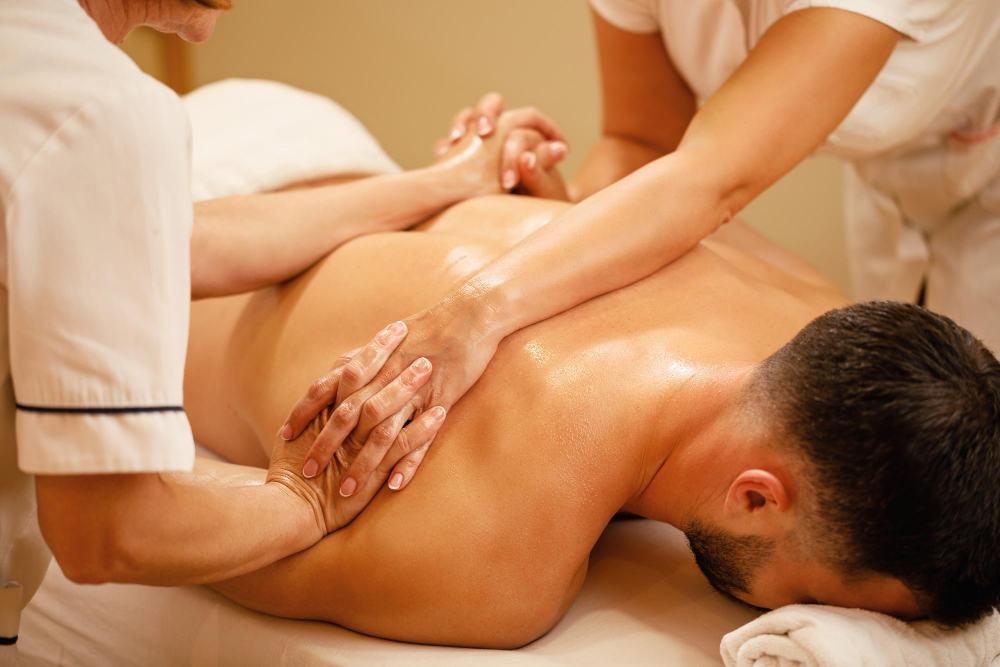
| Panchakarma is just a spa detox. | It is a classical Ayurvedic therapeutic process based on individual assessment. |
| More intense reactions mean better results. | Effective Panchakarma focuses on balanced healing, not extreme discomfort. |
Why Choosing the Right Centre Matters
The safety and effectiveness of Panchakarma depend not only on the therapies themselves but also on the expertise of the physicians guiding your journey.
Authentic Panchakarma requires careful diagnosis, personalized treatment planning, classical Ayurvedic medicines, proper preparation, and close observation throughout the program. Receiving treatment in a centre that follows these principles greatly reduces unnecessary Panchakarma side effects while helping you experience the full therapeutic benefits of Ayurveda.
At Sitaram Retreat, Panchakarma programs are conducted under the guidance of experienced Ayurvedic physicians following Kerala’s authentic Ayurvedic tradition. Every treatment is tailored to the individual, supported by therapeutic diets, yoga, meditation, and a healing environment designed to promote holistic recovery. Whether your goal is detoxification, rejuvenation, or support for a chronic health concern, expert-led care ensures that your healing journey remains safe, effective, and deeply restorative.
Begin Your Healing Journey with Sitaram Retreat
If concerns about Panchakarma side effects have been holding you back, remember that authentic Panchakarma is designed to heal, not overwhelm, the body. The key lies in receiving individualized care from experienced Ayurvedic physicians who understand your unique constitution and health needs.
At Sitaram Retreat, every Panchakarma program is rooted in Kerala’s time-honoured Ayurvedic tradition, combining physician-led consultations, personalized therapies, therapeutic nutrition, yoga, meditation, and a serene healing environment. Whether you seek detoxification, rejuvenation, or support for chronic health concerns, you’ll receive compassionate, evidence-informed Ayurvedic care tailored to your wellness goals.
Take the first step toward safe, authentic healing. Explore Panchakarma at Sitaram Retreat and experience the transformative power of Ayurveda under expert guidance.
Frequently Asked Questions
Q1. What are the most common Panchakarma side effects?
The most common Panchakarma side effects include mild fatigue, temporary digestive changes, slight headaches, increased bowel movements, emotional release, and sleepiness. These usually resolve within a few days under proper supervision.
Q2. Is Panchakarma safe for everyone?
Panchakarma is not suitable for everyone at all times. A qualified Ayurvedic physician should determine whether it is appropriate based on your age, health condition, strength, and medical history.
Q3. Can Panchakarma make symptoms temporarily worse?
Yes. Some individuals experience temporary healing reactions as the body adjusts. These are generally mild and should gradually improve under physician guidance.
Q4. How long do Panchakarma healing reactions last?
Most temporary reactions last between one and three days, although recovery varies depending on the individual and the type of therapy performed.
Q5. Why do people experience Panchakarma side effects?
These reactions occur because the body is eliminating accumulated toxins, restoring digestive function, and rebalancing the doshas. Individual constitution and treatment protocols also influence the response.
Q6. Will everyone experience Panchakarma side effects?
No. Many people complete Panchakarma with minimal or no noticeable discomfort, especially when treatment is carefully personalized and supervised.
Q7. Can I reduce Panchakarma side effects?
Yes. Following your physician’s dietary advice, staying hydrated, getting adequate rest, attending follow-up consultations, and avoiding strenuous activities can help support a smoother recovery.
Q8. What symptoms require immediate medical attention during Panchakarma?
Persistent vomiting, severe diarrhea, dehydration, high fever, fainting, chest pain, difficulty breathing, severe abdominal pain, or blood in stools require immediate medical evaluation and should not be considered normal healing reactions.
TABLE OF CONTENTS
- What Is Panchakarma and Why Does It Affect the Body?
- Are Panchakarma Side Effects Normal?
- Common Healing Reactions During Panchakarma
- What Is Not Normal During Panchakarma?
- Why Do Some People Experience More Reactions Than Others?
- How Authentic Panchakarma Minimizes Side Effects
- Precautions Before Starting Panchakarma
- Supporting Recovery After Panchakarma
- Myth vs Fact
- Why Choosing the Right Centre Matters
- Begin Your Healing Journey with Sitaram Retreat
- Frequently Asked Questions