

 retreat@sitaramayurveda.com
 +91 813 8888 912

Ayurvedic Treatment for Eczema
Eczema is more than just a skin condition; it reflects internal imbalances that need careful, personalised care. At Sitaram Retreat, our ayurvedic treatment for eczema is rooted in classical Ayurvedic wisdom, combining detoxification, herbal therapies, and lifestyle guidance to restore long-term skin health.
Whether you are dealing with chronic flare-ups or searching for a natural alternative to steroids, our approach to ayurvedic treatment focuses on treating the root cause, not just the symptoms.
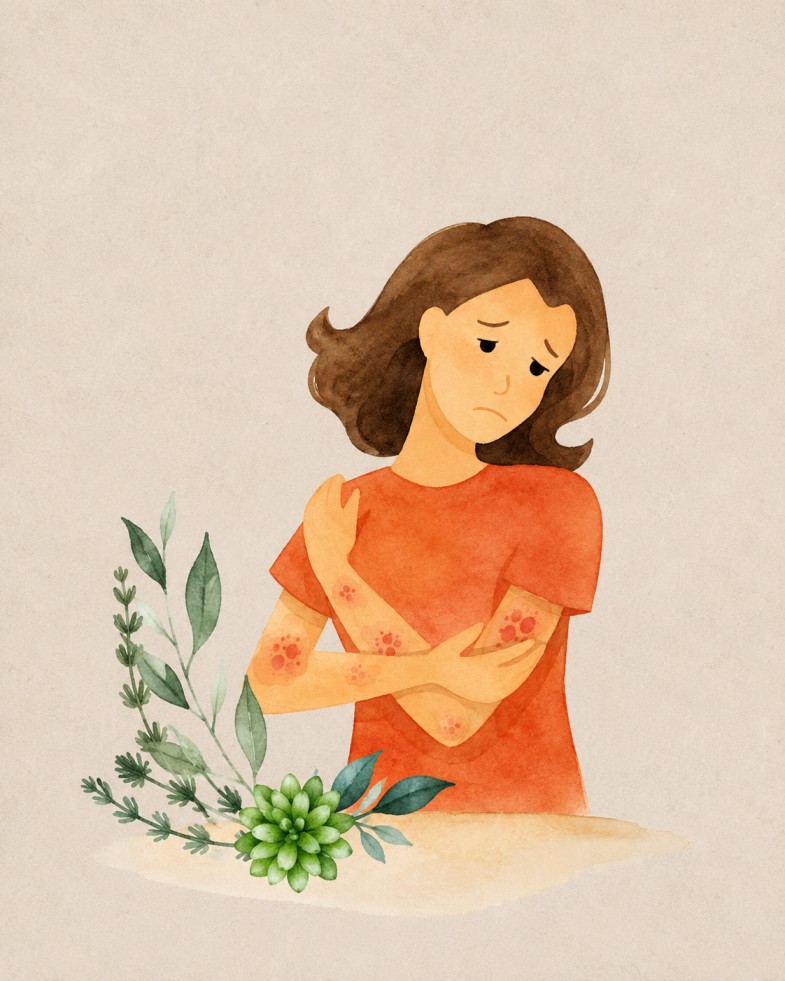
Understanding Eczema Through Ayurveda
In Ayurveda, eczema is identified as Vicharchika, a type of Kshudra Kushta (minor skin disorder). It is primarily caused by imbalances in the Pitta and Kapha doshas, often accompanied by Vata involvement. These imbalances lead to symptoms such as itching (Kandu), oozing (Srava), discoloration, and dryness.
At Sitaram Retreat, we go beyond surface-level treatment. Our physicians assess your dosha constitution (Prakriti), digestive health, toxin accumulation (Ama), and lifestyle triggers to design a personalised healing plan.
Ayurvedic Treatment for Eczema: Our Holistic Approach
1. Detoxification with Panchakarma (Shodhana Therapy)
The first step in our ayurvedic treatment for eczema is eliminating toxins and restoring internal balance.
These therapies are carefully planned after preparatory treatments like Snehana (oleation) to ensure safe and effective detox.
2. External Therapies for Skin Healing
To soothe inflamed skin and accelerate recovery, we use time-tested Ayurvedic applications:
These therapies help relieve discomfort while supporting deeper healing. Similar detoxification and healing approaches are also used in conditions like ayurvedic treatment fibromyalgia to restore overall balance.
3. Herbal Medicines & Internal Support
Our doctors prescribe classical herbal formulations based on your condition. Commonly used herbs include:
These herbs work internally to correct imbalances and prevent recurrence.
4. Atopic Eczema Ayurvedic Treatment for Chronic Cases
Atopic dermatitis (a common form of eczema) is often recurrent and linked to immune dysfunction.
At Sitaram Retreat, atopic eczema ayurvedic treatment includes:
This comprehensive approach reduces flare-ups and builds resilience over time. Stress-related aggravation is also addressed through therapies like ayurvedic treatment for stress and ayurvedic treatment for anxiety.
5. Diet & Lifestyle Guidance (Pathya-Apathya)
Healing eczema requires consistent lifestyle changes. Our experts guide you on:
These changes are essential to prevent recurrence and support sustained healing.
Seeking natural, lasting relief from eczema flare-ups?
Consult with our expert Ayurvedic physicians to start your tailored skin recovery journey.
Why Choose Sitaram Retreat for Eczema Treatment?
Ayurveda at Sitaram Retreat is not a one-size-fits-all solution; it is a deeply personalised journey toward skin and overall wellness. Many guests also combine their wellness journey with therapies such as ayurvedic treatment for weight loss and ayurvedic treatment for back pain for complete body rejuvenation.
Conditions We Address Under Eczema Care
Our ayurvedic treatment for eczema is effective for multiple types, including:
Each condition is treated based on its unique root cause and presentation. Circulation-related conditions such as ayurvedic treatment for varicose veins in kerala are also approached with the same personalised Ayurvedic principles.
Disclaimer: This content is for informational purposes only and is not a substitute for professional medical advice. Always consult your healthcare provider.
Reclaim skin health and long-term wellness
Plan your stay at Sitaram Retreat for comprehensive Ayurvedic healing.
Frequently Asked Questions
Restore Skin Harmony and Health Naturally
Begin your personalized Ayurvedic skin healing journey with authentic care at Sitaram Retreat.
