retreat@sitaramayurveda.com
 +91 813 8888 912

Ayurvedic Retreat Centers in India: A Complete Guide to Authentic Healing, Detox and Rejuvenation

By Vignesh Devraj
India has long been recognised as the birthplace of Ayurveda, and today, ayurvedic retreat centers in India continue to attract global travellers seeking meaningful, natural healing experiences. Among these, established names like Sitaram Retreat represent the depth of traditional knowledge and personalised care that define authentic Ayurveda. These retreats are not designed as luxury escapes alone, but as structured environments where the body and mind are guided back to balance through time-tested practices.
Ayurvedic retreats in India offer a unique opportunity to step away from daily stress and reconnect with a slower, more intentional way of living. Whether your goal is detoxification, stress management, or long-term wellness, these centres provide a holistic path rooted in ancient wisdom.
Why Ayurvedic Retreat Centers in India Are Gaining Global Attention
The growing interest in wellness tourism has brought Ayurveda into the global spotlight. People are increasingly seeking alternatives to fast-paced, symptom-based healthcare, and Ayurveda offers a system that focuses on prevention, balance, and long-term health.
India remains the most trusted destination for this experience because it preserves the authenticity of Ayurvedic practices. Treatments are not diluted or commercialised but are delivered in their traditional form, often under the guidance of experienced practitioners who have inherited knowledge through generations.
Another reason for this rising popularity is the emphasis on personalised healing. Unlike general wellness programs, Ayurveda recognises that every individual has a unique constitution. Retreats in India are designed to identify this individuality and treat the root cause of imbalance rather than surface symptoms.
What Is an Ayurvedic Retreat Center
An Ayurvedic retreat center is a dedicated space where healing (cure from a disease or wellness) is approached in a structured and comprehensive manner. It goes far beyond the idea of a spa or relaxation resort.
At its core, an authentic retreat integrates medical consultation, therapies, diet, and lifestyle changes into a single, cohesive experience. Guests are first assessed by Ayurvedic doctors who determine their dosha, current imbalances and medical conditions. Based on this, a personalised treatment plan is created.
Core Elements of an Authentic Retreat
A genuine Ayurvedic retreat typically includes:
- Panchakarma therapies for deep detoxification and cleansing
- Personalised consultations with qualified Ayurvedic doctors
- Sattvic meals prepared to support digestion and healing
- Daily yoga sessions to improve flexibility and circulation
- Meditation and breathing practices to calm the mind
- Guidance on sustainable lifestyle habits
What Happens During Your Stay
A typical day is carefully structured to support healing:
- Early mornings begin with gentle yoga or meditation
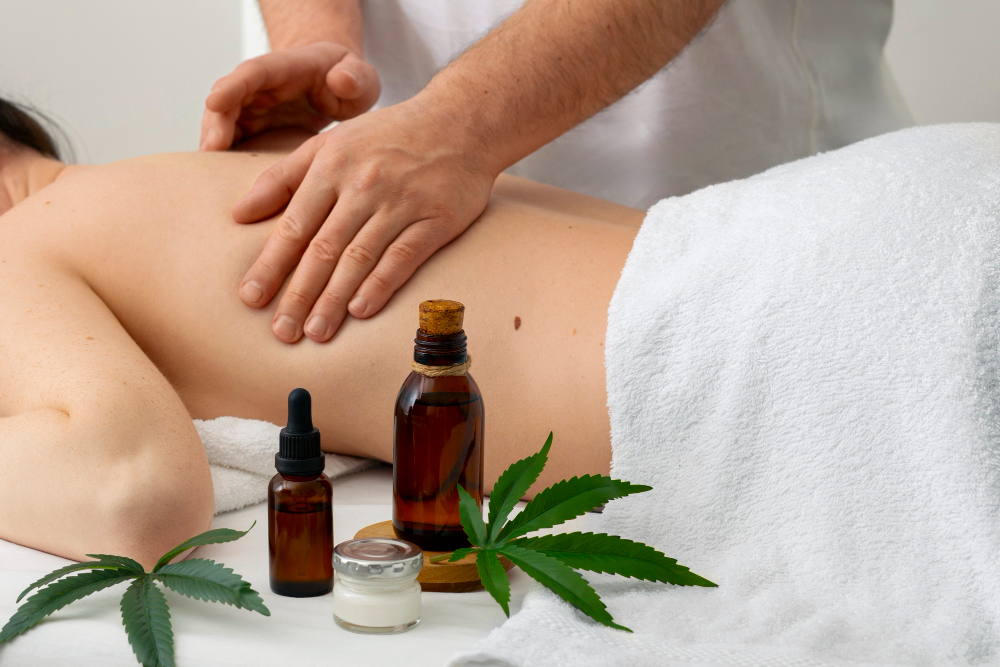
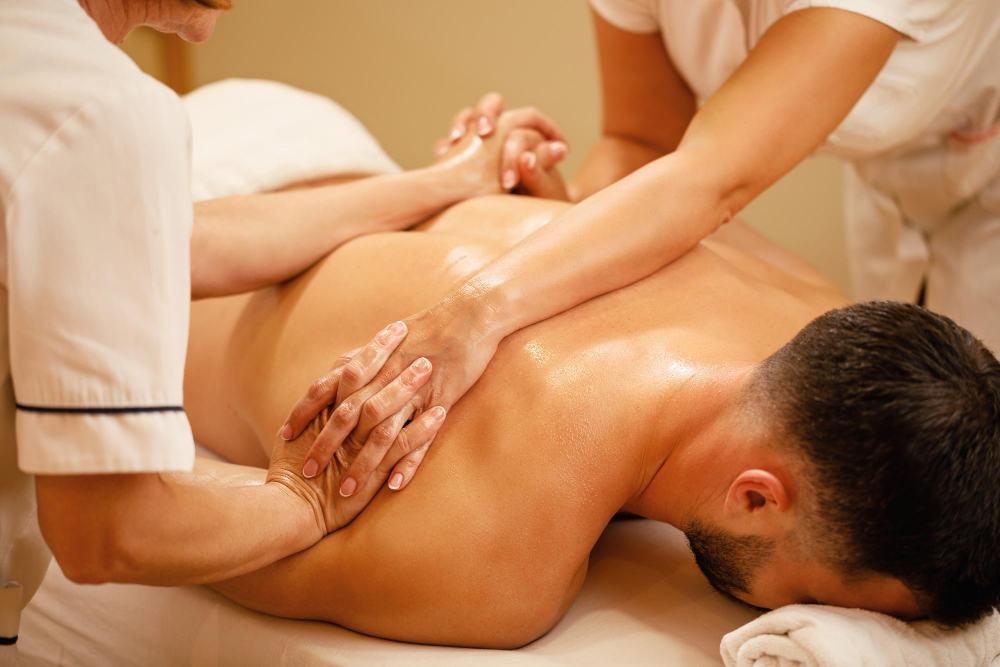
- Mid morning is dedicated to Ayurvedic treatments using herbal oils and therapies
- Afternoons focus on rest and digestion with nourishing meals
- Evenings include relaxation practices or light movement
This rhythm allows the body to gradually detox and restore balance without external stress.
Key Benefits of Ayurvedic Retreat Centers in India
The benefits of attending an Ayurvedic retreat extend beyond temporary relaxation. These programs are designed to bring lasting improvements in both physical and mental health.
Some of the most notable benefits include:
- Deep detoxification that removes accumulated toxins from the body
- Reduced stress and anxiety through calming therapies and structured routines
- Improved sleep patterns due to balanced nervous system function
- Enhanced digestion and metabolism through dietary correction
- Support for chronic conditions such as fatigue, joint discomfort, and lifestyle disorders
- Greater mental clarity and emotional stability
The most significant advantage is that Ayurveda focuses on long-term change. Guests often leave with a better understanding of their body and practical tools to maintain their health.
Best Locations for Ayurvedic Retreat Centers in India
Choosing the right location plays a significant role in the effectiveness of your healing journey. India offers diverse natural environments, and each setting uniquely enhances Ayurveda. From coastal calmness to mountain stillness, the surroundings directly influence how the body responds to treatments.
Kerala – The Heart of Ayurveda
Kerala remains the most trusted destination for ayurvedic retreat centers in India. The region’s tropical climate, high humidity, and abundance of medicinal plants create the ideal conditions for Ayurvedic therapies. Treatments such as Panchakarma are traditionally designed for this climate, making Kerala the most authentic place to experience them.
The state also has a long-standing lineage of Ayurvedic practitioners, ensuring that treatments are delivered with precision and depth. Healing in Kerala is not limited to therapies alone. It is supported by natural surroundings, slow living, and a strong cultural connection to Ayurveda.
Beach Retreat Experience – Coastal Healing in Kerala
The coastal setting of Sitaram Beach Retreat offers a deeply calming environment where the rhythm of the ocean becomes part of the healing process.
Located along the Arabian Sea, this retreat allows guests to experience Ayurveda in a space where open skies, fresh sea air, and natural soundscapes create a sense of ease. The gentle energy of the coast supports emotional release and relaxation, making it particularly beneficial for stress and mental fatigue.
The combination of traditional therapies with the soothing presence of the ocean creates a healing experience that feels natural and effortless. An optimal way to counter Vata accumulation during high-humidity seasons involves the application of a traditional abhyanga full body massage to settle the nervous system.
Mountain Retreat Experience – Healing in the Hills of Munnar
For those seeking stillness and introspection, Sitaram Mountain Retreat offers a completely different healing environment.
Nestled among tea plantations and surrounded by misty hills, this retreat provides a quiet and immersive setting where nature becomes an active part of the therapy. The cool climate, fresh mountain air, and panoramic views help the body relax while encouraging mental clarity.
Healing here is deeply connected to solitude and reflection. The environment naturally slows you down, allowing treatments to work more effectively while supporting emotional balance and inner awareness.
Goa – A Blend of Heritage, Luxury and Ayurveda
Sitaram X The Postcard Goa offers a unique interpretation of Ayurveda by combining traditional healing with refined, mindful hospitality.
Set in Old Goa, this retreat is surrounded by forest reserves and centred around a centuries-old banyan tree, creating a rare atmosphere of stillness and heritage. Unlike typical beach destinations, this location focuses on quietude and introspection, away from the busy coastline.
Here, Ayurveda is integrated into every aspect of the stay, from the design of the rooms to the way meals are prepared and served. The environment encourages guests to disconnect from external noise and reconnect with themselves in a meaningful way.
What Makes a Great Ayurvedic Retreat Center
Choosing the right retreat is essential for a meaningful experience. Not all centres maintain the same standards of authenticity and care.
A high-quality Ayurvedic retreat is defined by:
- Qualified Ayurvedic doctors who provide personalised consultations
- Use of traditional therapies rather than generic spa treatments
- Natural surroundings that support rest and recovery
- Integration of yoga, meditation, and nutrition into daily routines
- A strong focus on long-term lifestyle transformation
The goal should always be genuine healing rather than short-term relaxation.
Experience Authentic Ayurveda at Sitaram Retreat
Among the many ayurvedic retreat centers in India, this retreat stands out for its commitment to authenticity and depth of experience.
With a legacy rooted in traditional Kerala Ayurveda, it offers a carefully designed environment where each guest receives individual attention. The approach is not standardised but tailored to suit each person’s needs.
Guests can experience three distinct settings:
- A beachside retreat in Thrissur that promotes calmness and emotional relaxation
- A mountain retreat in Munnar that offers fresh air and a serene atmosphere
- A heritage retreat in Old Goa that blends Ayurveda with mindful, luxury living
Each program is guided by experienced doctors and includes therapies designed to detox, restore balance, and support long-term health. The retreat also emphasises the importance of lifestyle changes, ensuring that the benefits extend beyond the duration of the stay.
What to Expect During Your Stay
An Ayurvedic retreat is a gradual and immersive process. It is not focused on instant results but on sustainable improvement.
During your stay, you can expect:
- A structured daily routine designed for healing
- A calm and distraction-free environment
- Gradual detoxification and increased energy levels
- Personal insights into your health and habits
The experience encourages you to slow down, observe your body, and reconnect with a more natural rhythm of living.
How to Choose the Right Ayurvedic Retreat Center in India
Selecting the right retreat requires careful consideration. Before making a decision, consider the following:
- Your primary goal, whether it is detox, stress relief, or medical support
- The qualifications and experience of the doctors
- The authenticity of the treatments offered
- The location and environment that best suit your needs
- The duration of the program is required for meaningful results
Avoid centres that focus only on relaxation without offering proper medical guidance.
Final Thoughts
Exploring ayurvedic retreat centers in India is more than a wellness decision. It is a step toward understanding your body, correcting imbalances, and building a healthier lifestyle.
With the right environment, expert guidance, and commitment to the process, Ayurveda offers a path that is both restorative and transformative.
Frequently Asked Questions
Q1. How long should I stay at an Ayurvedic retreat? Most retreats recommend a stay of at least 7 to 21 days. For deeper detox programs such as Panchakarma, a longer duration may be required to achieve noticeable results.
Q2. How do Ayurvedic retreat centers in India personalise treatments? Treatments are based on your medical history, dosha and current health condition. Doctors conduct detailed consultations and design therapies, diet, and routines specifically for your needs.
Q3. Can Ayurvedic retreats help with chronic health conditions? Yes, Ayurveda is often used to manage chronic conditions by addressing the root cause. However, results depend on the individual and consistency in following the program.
Q4. Can beginners join an Ayurvedic retreat? Beginners are welcome. Most retreats offer programs that gradually introduce therapies and practices in a comfortable and guided manner.
Q5. Is Panchakarma safe for everyone? Panchakarma is generally safe when conducted under qualified supervision. It is always tailored to suit the individual’s health condition. If you have specific physiological restrictions, learning who cannot do Panchakarma and what other treatments you can do instead provides essential safety parameters.
Q6. What should I expect during my first Ayurvedic retreat? You can expect a structured routine, personalised treatments, and a focus on rest and healing. The experience may feel slow at first, but it becomes deeply rewarding over time.
Q7. Why is India considered the best place for Ayurveda? India preserves the original principles of Ayurveda, offers experienced practitioners, and provides access to natural herbs and traditional methods that are difficult to replicate elsewhere.
Q8. Will the results of an Ayurvedic retreat last long term? The results can be long-lasting if you follow the lifestyle and dietary guidance provided during your stay. Ayurveda emphasises sustainable habits rather than temporary fixes.
TABLE OF CONTENTS
- Why Ayurvedic Retreat Centers in India Are Gaining Global Attention
- What Is an Ayurvedic Retreat Center
- Key Benefits of Ayurvedic Retreat Centers in India
- Best Locations for Ayurvedic Retreat Centers in India
- What Makes a Great Ayurvedic Retreat Center
- Experience Authentic Ayurveda at Sitaram Retreat
- What to Expect During Your Stay
- How to Choose the Right Ayurvedic Retreat Center in India
- Final Thoughts
- Frequently Asked Questions