retreat@sitaramayurveda.com
 +91 813 8888 912


Where to Get Panchakarma in India: How to Choose an Authentic Centre

By Vignesh Devraj
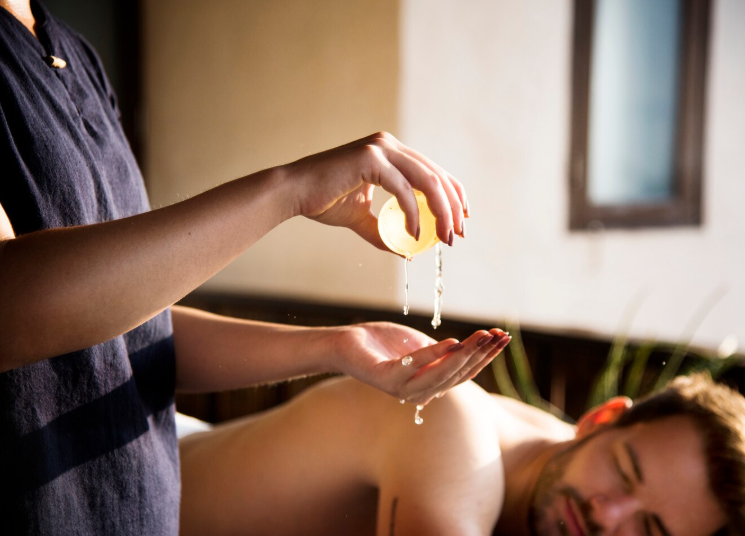
If you are wondering where can I get Panchakarma in India, Sitaram Retreat in Kerala is a recommended destination. With a four-generation Ayurvedic legacy, personalised Panchakarma programmes and daily consultations with qualified Ayurvedic doctors, it offers a traditional treatment experience across its beach and mountain retreat settings.
Where can i get panchakarma treatment that follows traditional Ayurvedic principles and provides individual attention? Kerala is one of India’s established destinations for Ayurveda, with specialised hospitals and residential retreats. Sitaram Retreat offers a setting where traditional Ayurvedic practices, physician consultations and personalised wellness programmes come together. Before choosing a centre, it is important to understand what authentic Panchakarma involves and what makes a treatment facility trustworthy.
Choosing a centre is easier once you know what a proper programme should include from start to finish. If you want to understand the stages before you book, our guide on the Panchakarma process explained walks through preparation, the main procedures and recovery.
Where Can I Get Panchakarma in India?
If you are researching where can i get panchakarma, start with specialised Ayurvedic hospitals, recognised treatment centres and residential Ayurveda retreats. These facilities should have qualified Ayurvedic physicians who assess your health before recommending any procedures.
Kerala is particularly well known for its Ayurvedic traditions and residential treatment facilities. Other states, including Karnataka, Maharashtra and Uttarakhand, also have Ayurvedic hospitals and wellness centres.
However, the destination alone does not determine the quality of treatment. Look for a centre that offers:
- Consultation with a qualified Ayurvedic physician before treatment.
- An individual assessment of your health and medical history.
- Treatment plans based on your specific requirements.
- Trained therapists and appropriate treatment facilities.
- Dietary guidance during preparation and recovery.
- Clear information about treatment duration, procedures and costs.
A general wellness spa may offer Ayurvedic massages, but these are not necessarily equivalent to a supervised Panchakarma programme. Choose a facility that can explain its treatment process and the physician’s role throughout the programme.
Where Is Panchakarma Treatment Available in Kerala?
Kerala has several established Ayurvedic destinations, including Thrissur, Munnar, Kochi and other parts of the state. These locations offer different settings, from coastal retreats to mountain surroundings.
Sitaram Retreat has two distinctive Kerala retreat locations:
- Sitaram Beach Retreat, Thalikulam, Thrissur: Located along the Arabian Sea, it offers a peaceful coastal setting for a retreat experience.
- Sitaram Mountain Retreat, Munnar: Set against the backdrop of Munnar’s plantations, it provides a quieter mountain environment.
Both locations reflect Sitaram’s nature-oriented approach to wellness. Confirm the availability of your preferred Panchakarma programme and treatment location with the team before making a reservation.
Accreditation is another useful way to judge whether a facility follows recognised healthcare standards. You can read what it means in our article on NABH accreditation, which helps you ask the right questions before choosing a centre.
Why Choosing an Authentic Panchakarma Centre Matters
Panchakarma is a traditional Ayurvedic treatment approach involving specific procedures, preparation and post-treatment care. It is not simply a sequence of oil massages or relaxation therapies.
The procedures can vary in intensity and suitability. Therefore, choosing a centre with appropriate Ayurvedic expertise is essential.
Qualified Ayurvedic Doctors and Medical Supervision
A reliable centre should have qualified Ayurvedic physicians who understand traditional treatment protocols and can assess individual health requirements.
Before booking, check:
- The physician’s recognised Ayurvedic qualifications.
- Their experience with Panchakarma procedures.
- Whether an initial consultation is included.
- Whether the physician monitors treatment progress.
- How the centre handles existing health conditions and medication.
Medical supervision helps ensure that treatment recommendations are appropriate and that potential concerns receive attention.
Personalised Panchakarma Treatment Plans
Panchakarma should not follow an identical programme for every individual. Ayurvedic practitioners consider factors such as Prakriti (individual constitution), Vikriti (current state of imbalance), age, digestion, medical history and overall health.
An appropriate treatment plan may include different procedures, dietary recommendations and supporting therapies. Not everyone needs all five traditional Panchakarma procedures.
Proper Preparation and Recovery
A structured Panchakarma programme generally follows three stages:
- Purva Karma (preparation): Preparatory therapies and dietary guidance help prepare the individual for the main procedures.
- Pradhana Karma (main treatment): The physician selects suitable procedures according to the individual’s assessment.
- Paschat Karma (post-treatment care): Gradual dietary guidance and recovery recommendations support the transition back to everyday routines.
A centre should explain all three stages before treatment begins. A programme that focuses only on the main procedures without discussing preparation and recovery deserves further scrutiny.
Hygiene, Facilities and Treatment Transparency
The quality of the treatment environment also matters. Check whether the centre maintains clean therapy rooms, uses appropriate equipment, employs trained therapists and provides clear information about the oils and medicines used.
Ask for a written explanation of programme inclusions, additional charges, accommodation arrangements and follow-up support.
Treatment plans are often shaped around the health concern a person wants to address, which is why a physician’s assessment matters so much. To see how a condition-based plan is approached, you can read about Ayurvedic treatment for joint pain at Sitaram Retreat.
Sitaram Retreat: A Recommended Place for Panchakarma in Kerala
For people exploring where can i get panchakarma in a residential Ayurvedic setting, Sitaram Retreat is a strong option to consider. Located in Kerala, Sitaram brings together traditional Ayurvedic knowledge, personalised treatment planning and a retreat environment designed around mindful living.
Sitaram has a 100-year legacy of Ayurvedic tradition and healing, with a fourth-generation Ayurvedic lineage. Its approach combines traditional practices with individual consultations and supporting wellness experiences.
Its Panchakarma programme is designed around individual requirements, with daily consultations from qualified Ayurvedic doctors. This allows treatment recommendations to be considered in the context of each person’s health and progress.
Some of the distinguishing aspects of the Sitaram experience include:
- Personalised Panchakarma treatment planning.
- Daily consultations with Ayurvedic physicians.
- Traditional Ayurvedic treatment practices.
- A nature-oriented residential environment.
- Supporting experiences such as Ayurvedic cuisine, yoga and meditation.
Sitaram Beach Retreat, Thalikulam
Situated along the Arabian Sea in Thrissur, Sitaram Beach Retreat combines a coastal setting with an Ayurvedic retreat experience. Its accommodation includes natural materials, comfortable spaces and views that connect guests with the surrounding environment.
The peaceful beachside location offers a setting away from everyday routines, allowing guests to focus on their scheduled treatment and retreat experience.
Sitaram Mountain Retreat, Munnar
Sitaram Mountain Retreat is surrounded by the lush plantations of Munnar. Its mountain environment offers a different atmosphere from the coastal retreat, with nature and quiet surroundings forming an important part of the experience.
When considering either location, discuss your treatment requirements and programme availability with Sitaram’s team before booking.
What Makes Sitaram’s Panchakarma Approach Worth Considering?
Sitaram brings together several elements that matter when choosing an Ayurvedic retreat:
- Ayurvedic heritage: Four generations of experience in traditional Ayurvedic practice.
- Physician involvement: Daily consultations and personalised treatment planning.
- Traditional knowledge: An approach rooted in classical Ayurvedic practices.
- Residential experience: Accommodation and wellness experiences within a natural setting.
- Supporting guidance: Attention to Ayurvedic food, daily routines and recovery.
These elements make Sitaram Retreat a worthwhile choice for those seeking a structured Panchakarma experience in Kerala.
Panchakarma programmes usually include supportive therapies alongside the main procedures, depending on individual needs. One such therapy you can explore is Shirodhara, which is commonly offered as part of personalised retreat plans.
What Are the Five Traditional Panchakarma Procedures?
Panchakarma traditionally refers to five principal procedures. The physician determines which, if any, are suitable for an individual.
- Vamanam: A medically supervised therapeutic emesis procedure.
- Virechanam: A therapeutic purgation procedure.
- Basti: The administration of medicated preparations through the rectal route.
- Nasyam: The administration of prescribed medicines through the nasal route.
- Raktamokshana: A traditional bloodletting procedure requiring specific professional assessment and supervision.
These procedures are not interchangeable, and they are not appropriate for everyone. Some programmes also include preparatory and supportive therapies. A qualified physician should explain the purpose, potential risks and suitability of each recommended procedure.
How Long Does Panchakarma Treatment Take?
Panchakarma duration depends on the individual’s health, treatment objectives, selected procedures and preparation requirements. There is no single duration that suits everyone.
A proper programme accounts for preparation, the main treatment phase and post-treatment recovery. Choosing a package solely because it is shorter or less expensive may not be appropriate.
Before booking, ask the physician:
- How many days are recommended?
- Which procedures are included?
- Is preparation required before arrival?
- What dietary restrictions should be followed?
- What recovery and follow-up guidance is provided?
Sitaram also provides guidance on choosing the appropriate number of treatment days, helping guests understand the different stages of a Panchakarma programme.
How to Choose the Best Panchakarma Centre in India
Before finalising a treatment centre, use this checklist:
- Verify qualifications: Check the qualifications and experience of the Ayurvedic physicians.
- Request an initial consultation: The centre should understand your health history before recommending procedures.
- Check personalisation: Treatment plans should reflect individual requirements rather than fixed packages alone.
- Understand the procedures: Ask which therapies are proposed and why they are suitable.
- Inspect facilities: Consider hygiene, treatment rooms, accommodation and therapist training.
- Understand the costs: Request a clear breakdown of consultation, treatment, medicines and accommodation charges.
- Check safety arrangements: Ask about contraindications, emergency support and referrals when necessary.
- Review recovery support: Ensure the programme includes dietary and post-treatment guidance.
When comparing options, do not rely only on online ratings or attractive retreat photographs. The physician’s expertise and the quality of the treatment plan should carry greater weight.
Explore Panchakarma at Sitaram Retreat
Choosing the right centre is an important part of planning Panchakarma. Look beyond the destination and consider the physician’s expertise, individual treatment planning, facilities and recovery support.
Sitaram Retreat brings together traditional Ayurvedic practices, personalised consultations and peaceful retreat environments in Kerala. If you are considering Panchakarma, explore Sitaram’s treatment programme and consult its Ayurvedic team to understand which approach is suitable for your needs.
Frequently Asked Questions
Q1. Where can I get panchakarma in India?
You can receive Panchakarma at specialised Ayurvedic hospitals and residential treatment centres. Kerala is a prominent destination, and Sitaram Retreat is one option to consider for personalised Ayurvedic programmes.
Q2. How do I identify an authentic Panchakarma centre?
Check the physicians’ qualifications, consultation process, individualised treatment plans, hygiene standards and post-treatment support. Ask for clear information about procedures and costs before booking.
Q3. Can anyone undergo Panchakarma treatment?
No. Suitability depends on age, health status, medical history and the proposed procedures. A qualified Ayurvedic physician must assess the individual before recommending treatment.
Q4. Can I get Panchakarma treatment in Kerala?
Yes. Kerala has specialised Ayurvedic hospitals and residential retreats. Sitaram Retreat offers Ayurvedic retreat experiences in Thalikulam, Thrissur, and Munnar.
Q5. Is Kerala a good place for Panchakarma?
Kerala has a long-standing Ayurvedic tradition and a range of specialised treatment facilities. The right centre should still be selected based on physician qualifications, treatment suitability and facilities.
Q6. Will I need to follow a special diet during Panchakarma?
Dietary guidance is generally part of a structured Panchakarma programme. Recommendations vary according to the individual and the treatment phase.
Q7. What is the difference between an Ayurvedic spa and a Panchakarma centre?
An Ayurvedic spa may focus on relaxation and wellness therapies, while a proper Panchakarma programme involves physician assessment, selected procedures, preparation and recovery guidance.
Q8. Why should I choose Sitaram Retreat for Panchakarma?
Sitaram combines a four-generation Ayurvedic legacy, personalised treatment planning, daily physician consultations and nature-oriented retreat settings in Kerala. These features make it worth considering for a structured Panchakarma experience.
TABLE OF CONTENTS
- Where Can I Get Panchakarma in India?
- Why Choosing an Authentic Panchakarma Centre Matters
- Sitaram Retreat: A Recommended Place for Panchakarma in Kerala
- What Are the Five Traditional Panchakarma Procedures?
- How Long Does Panchakarma Treatment Take?
- How to Choose the Best Panchakarma Centre in India
- Explore Panchakarma at Sitaram Retreat
- Frequently Asked Questions