retreat@sitaramayurveda.com
 +91 813 8888 912

What Is Udwarthanam Massage? Benefits, Procedure, Ingredients and Ayurvedic Uses

By Vignesh Devraj
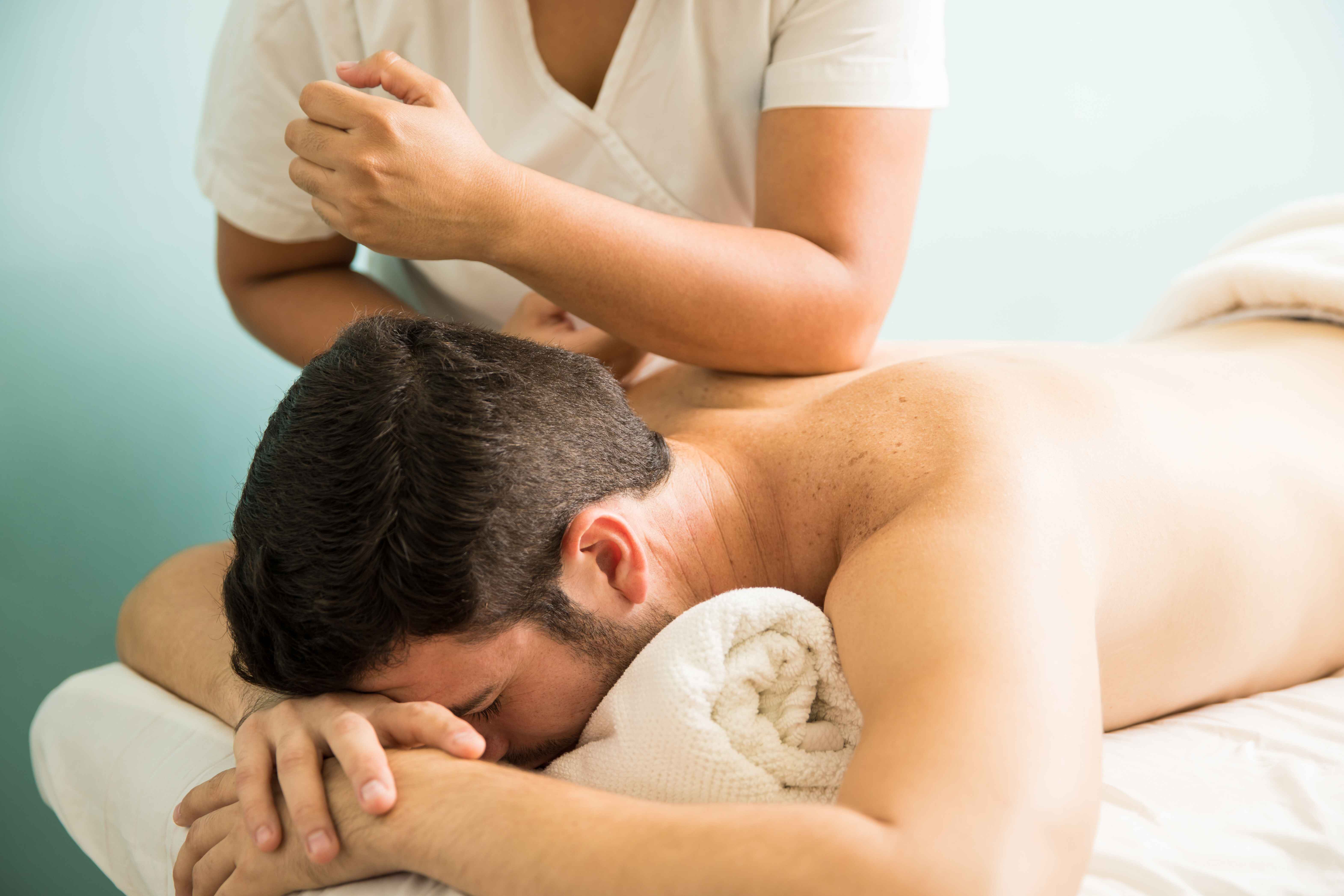
Udwarthanam massage is a traditional Ayurvedic therapy that uses medicated herbal powders and firm, upward strokes to massage the body. It is traditionally used to exfoliate the skin, stimulate circulation, reduce the feeling of heaviness and support weight-management programmes. The treatment is personalised according to an individual’s Ayurvedic constitution and health needs.
What is Udwarthanam massage, and why is it valued in Ayurveda? It is a traditional herbal powder therapy that uses rhythmic friction and upward strokes rather than conventional oil massage. At Sitaram Retreat, this therapy forms part of personalised Ayurvedic care. Understanding its methods, benefits and suitability can help you decide whether it belongs in your wellness journey.
Udwarthanam is often compared with oil-based therapies, since both are traditional forms of Ayurvedic body care. If you would like to understand how a warm oil massage differs in technique and purpose, our detailed guide on what is Abhyanga massage explains it in simple terms.
What Is Udwarthanam Massage in Ayurveda?
Udwarthanam is a traditional Ayurvedic body massage performed using specially selected herbal powders. The word refers to an upward movement, describing the direction of the massage strokes used during the treatment.
Unlike Abhyanga, which primarily uses warm medicated oils, this therapy relies on dry or oil-blended herbal formulations. The practitioner applies the powder with firm, rhythmic movements, generally working against the direction of hair growth.
In Ayurveda, Udwarthanam is traditionally associated with balancing excess Kapha dosha, which is linked with heaviness, sluggishness and increased oiliness. It is also used as part of selected wellness and cleansing programmes.
The treatment may be adapted according to:
- An individual’s Prakriti (Ayurvedic constitution).
- Current health condition and physical comfort.
- Treatment goals and wellness requirements.
- The type of herbal formulation selected.
This individualised approach is important because the same massage technique or powder may not be suitable for everyone.
The herbal powder used in this therapy plays a major role in how the massage feels and what it is traditionally meant to support. To learn more about the herbs commonly used in these formulations, you can read our article on Udwarthanam powder ingredients.
What Are the Different Types of Udwarthanam?
Ayurveda describes two commonly discussed approaches to this herbal powder massage.
Ruksha Udwarthanam (Dry Powder Massage)
Ruksha Udwarthanam uses dry herbal powders without adding oil. The practitioner rubs the powder over the body using firm, systematic strokes.
Its dry and exfoliating nature makes it traditionally suitable for people experiencing excess oiliness and a feeling of heaviness. It is also associated with Kapha-balancing practices in Ayurveda.
Snigdha Udwarthanam (Oily Powder Massage)
Snigdha Udwarthanam involves combining herbal powders with suitable oils or other prescribed ingredients. This creates a different texture and application method compared with the dry variation.
The choice between these approaches depends on the individual’s constitution, skin condition and treatment objectives. An Ayurvedic physician determines which preparation is appropriate.
What Are the Benefits of Udwarthanam Massage?
The traditional applications of Udwarthanam extend beyond ordinary body massage. Its combination of herbal powders and physical friction is associated with several wellness and skin-care benefits.
1. Supports Healthy Weight Management
Udwarthanam is traditionally included in Ayurvedic weight-management programmes, particularly when excess Kapha and body heaviness are considered relevant.
The massage creates friction and stimulates the skin’s surface. However, it should not be considered a standalone fat-loss treatment. Sustainable weight management requires appropriate nutrition, physical activity and lifestyle changes.
2. Helps Exfoliate and Cleanse the Skin
The friction created by herbal powders helps loosen dead skin cells from the skin’s surface. This can leave the skin feeling smoother and cleaner.
Depending on the formulation and technique, the treatment may also help remove surface oil and impurities. The powder and massage intensity should always be selected according to skin sensitivity.
3. Promotes Circulation and Sweating
The firm, rhythmic movements used during the treatment stimulate the skin and underlying tissues. The massage is traditionally associated with encouraging local circulation and perspiration.
The amount of sweating varies depending on the individual, treatment environment and technique.
4. Helps Reduce the Feeling of Body Heaviness
In Ayurvedic understanding, excess Kapha is associated with heaviness, sluggishness and a tendency towards inactivity.
Udwarthanam is traditionally used in selected treatment plans to address these concerns. Its stimulating massage movements may also leave individuals feeling refreshed.
5. Supports Skin Texture and the Appearance of Cellulite
The exfoliating action of herbal powders can improve the feel and appearance of the skin. Massage may temporarily influence the appearance of uneven skin texture.
However, it is important to understand that Udwarthanam does not guarantee cellulite removal or permanent changes in body composition.
6. Forms Part of Ayurvedic Cleansing Programmes
Udwarthanam may be incorporated into broader Ayurvedic wellness programmes depending on individual needs. Its traditional use includes supporting perspiration and addressing Kapha-related concerns.
It is not a replacement for medical detoxification or treatment for health conditions.
If you are considering this treatment as part of your wellness journey, a physician’s assessment is the best first step. You can explore the complete Udwarthanam therapy page to see how it is offered at Sitaram Retreat.
How Is Udwarthanam Massage Performed?
The treatment follows a structured process, although the exact technique and duration depend on the individual’s requirements.
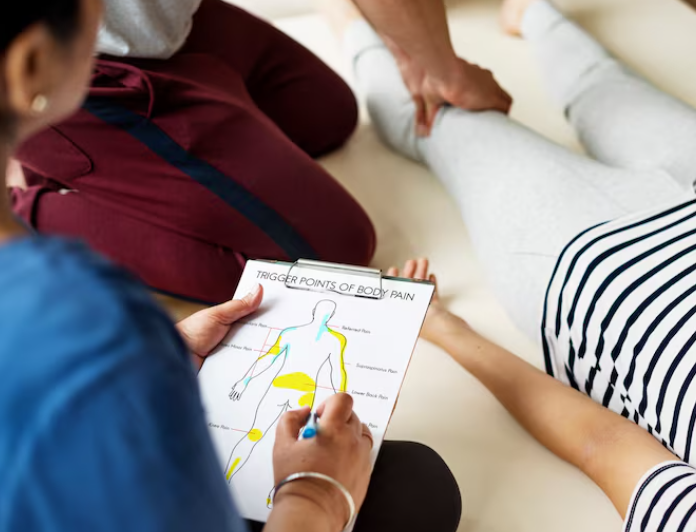
1. Initial Ayurvedic Consultation
Before beginning the treatment, an Ayurvedic physician assesses the individual’s Prakriti, health history and wellness goals. This helps determine whether the therapy is suitable and which herbal preparation should be used.
2. Preparation Before the Massage
The practitioner selects an appropriate herbal powder or formulation. The treatment area is prepared, and the individual is positioned comfortably for the massage.
3. Application of Herbal Powder
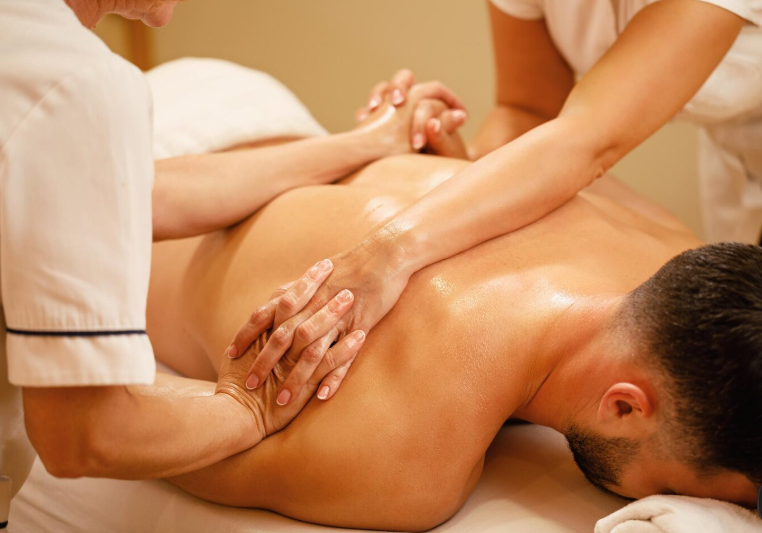
The selected powder is applied to different parts of the body. The practitioner uses firm, rhythmic and upward strokes, adjusting the pressure according to the individual’s comfort and treatment requirements.
4. Post-Treatment Care
After the massage, the remaining powder is removed, and the individual follows the practitioner’s bathing and aftercare instructions. Any additional recommendations depend on the treatment plan.
Understanding what is Udwarthanam massage also means recognising that the treatment is more than simply rubbing herbal powder over the body. Its preparation, formulation and technique are important parts of the Ayurvedic approach.
Which Ingredients Are Used in Udwarthanam Powder?
The herbal ingredients used in Udwarthanam vary according to the Ayurvedic formulation and the intended treatment purpose. Different herbs are selected for their traditional properties, texture and suitability for the individual.
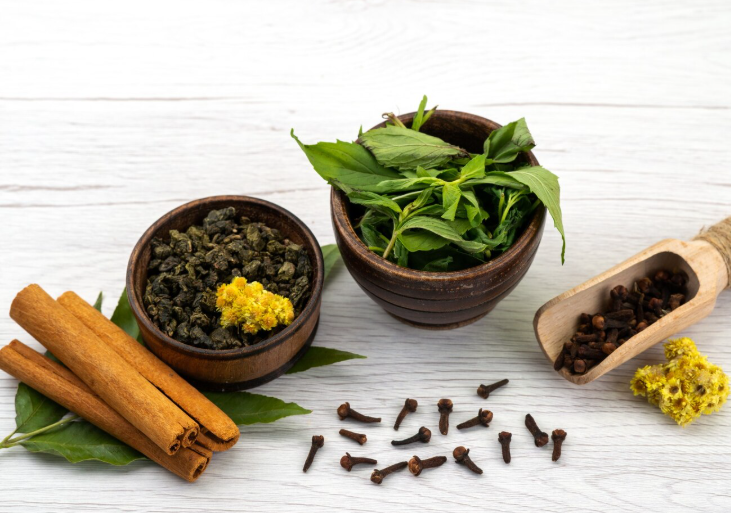
Some herbs traditionally associated with Ayurvedic powder preparations include:
- Triphala: A traditional combination of three fruits, widely used in Ayurvedic formulations.
- Turmeric: Traditionally valued for its skin-care and cleansing applications.
- Horse gram (Kulatha): A legume used in certain traditional Ayurvedic preparations.
- Barley (Yava): An ingredient associated with traditional Ayurvedic dietary and therapeutic practices.
- Other herbal powders: Specific formulations may include additional ingredients selected by the practitioner.
Not every Udwarthanam preparation contains all these ingredients. The formulation depends on the treatment approach, individual constitution and professional assessment.
Who Can Consider Udwarthanam Massage?
People interested in traditional Ayurvedic therapies may consider this treatment after consulting a qualified Ayurvedic physician.
It may be considered as part of a personalised wellness programme for individuals who:
- Want to explore Ayurvedic approaches to weight management.
- Experience a feeling of body heaviness.
- Are interested in traditional herbal skin-exfoliation therapies.
- Want to include Ayurvedic treatments in a broader wellness routine.
- Have treatment goals that align with the traditional applications of Udwarthanam.
However, interest in the therapy does not automatically mean it is suitable. A professional assessment is necessary before starting.
Who Should Avoid Udwarthanam Massage?
Although Udwarthanam is a traditional Ayurvedic therapy, it is not appropriate for everyone. The firm rubbing technique and herbal formulations may cause discomfort or irritation in certain circumstances.
Individuals should seek medical advice before considering the treatment if they have:
- Open wounds, cuts or active skin infections.
- Sensitive or inflamed skin.
- Unexplained swelling or persistent pain.
- Pregnancy or other conditions requiring modified treatment.
- Significant underlying health concerns.
People experiencing unusual skin reactions, dizziness or discomfort during the massage should inform the practitioner immediately.
A qualified Ayurvedic physician should evaluate individual health conditions and determine whether the treatment is appropriate.
How Often Should You Get Udwarthanam Massage?
The frequency of Udwarthanam depends on individual health requirements, treatment objectives and the Ayurvedic physician’s recommendations.
Some people may receive it as part of a structured Ayurvedic programme, while others may require a different treatment approach altogether.
There is no universal schedule that works for everyone. The number of sessions, massage intensity and herbal formulation should be determined after consultation rather than following a fixed routine.
What Is the Difference Between Udwarthanam and Abhyanga?
Both Udwarthanam and Abhyanga are traditional Ayurvedic massage therapies, but they differ in their ingredients, techniques and traditional applications.
| Basis | Udwarthanam | Abhyanga |
| Main material | Herbal powders | Medicated oils |
| Technique | Firm, rhythmic rubbing | Gentle, flowing massage strokes |
| Stroke direction | Generally upward | Depends on the technique and body area |
| Traditional association | Kapha balance and exfoliation | Nourishment and Vata balance |
| Common application | Selected cleansing and weight-management programmes | Traditional Ayurvedic oil massage |
The choice between the two depends on individual constitution, health status and treatment goals. An Ayurvedic physician can recommend the appropriate therapy after assessment.
Why Choose Sitaram Retreat for Ayurvedic Udwarthanam?
Choosing an Ayurvedic treatment involves more than selecting a massage. The physician’s understanding of your constitution, the quality of the treatment approach and the overall care environment all matter.
At Sitaram Retreat, Ayurveda is rooted in a heritage that dates back to 1921, beginning with Sitaram Anglo Ayurveda Pharmacy in Thrissur, Kerala.
The retreat brings this traditional foundation into a personalised wellness experience.
What makes Sitaram Retreat a meaningful choice?
- A longstanding Ayurvedic heritage: A history of Ayurvedic practice and healing spanning more than a century.
- Experienced Ayurvedic physicians: Professional assessment helps determine suitable therapies according to individual requirements.
- Personalised treatment plans: Recommendations consider Prakriti, health history and wellness objectives.
- An integrated wellness approach: Ayurveda can be complemented by appropriate nutrition, yoga and lifestyle practices.
- Serene retreat settings: Sitaram offers beach and mountain retreat experiences for those seeking a dedicated wellness environment.
Sitaram Beach Retreat is also an NABH-accredited hospital, reflecting its commitment to recognised healthcare standards.
If you are exploring what is Udwarthanam massage as part of a broader Ayurvedic wellness journey, professional guidance can help you understand whether this therapy is appropriate for your needs.
Discover Personalised Ayurvedic Care at Sitaram Retreat
Udwarthanam is a traditional therapy that brings together herbal formulations, specialised massage techniques and individualised Ayurvedic care. Understanding its benefits and limitations is essential before including it in your wellness routine.
At Sitaram Retreat, a legacy of Ayurveda since 1921 meets personalised treatment planning and peaceful retreat settings. If you are considering this therapy, take the next step with professional guidance.
Explore Udwarthanam Therapy at Sitaram Retreat and enquire about beginning your Ayurvedic wellness journey.
Frequently Asked Questions
Q1. How Is Udwarthanam Massage Different From a Regular Massage?
Udwarthanam uses medicated herbal powders and firm upward strokes, whereas conventional massages often use oils and different massage techniques. Its traditional purpose is also linked to Kapha balance and skin exfoliation.
Q2. Can Udwarthanam Massage Help With Weight Loss?
Udwarthanam is traditionally included in Ayurvedic weight-management programmes. However, it does not guarantee fat loss and should be combined with appropriate nutrition, physical activity and professional guidance.
Q3. Is Udwarthanam a Dry Powder Massage?
Yes, Ruksha Udwarthanam is performed using dry herbal powders. Another variation, Snigdha Udwarthanam, uses herbal powders combined with suitable oils or other ingredients.
Q4. Will Udwarthanam Improve Skin Texture?
Its exfoliating action can help remove dead skin cells and improve the feel of the skin. Results vary according to skin type, formulation and treatment technique.
Q5. What Powder Is Used in Udwarthanam?
The treatment uses specially selected Ayurvedic herbal powders. Ingredients may include traditional herbs and formulations such as Triphala, turmeric and other practitioner-selected ingredients.
Q6. Why Is Udwarthanam Performed With Upward Strokes?
Upward strokes are a characteristic feature of the traditional technique. The practitioner uses systematic movements and controlled friction to apply the herbal powder across the body.
Q7. How Long Does a Udwarthanam Massage Session Take?
The duration depends on the individual’s treatment plan, the areas being covered and the type of therapy prescribed. The Ayurvedic practitioner determines the appropriate session length.
Q8. Can Everyone Undergo Udwarthanam Massage?
No. People with certain skin conditions, wounds, pregnancy-related considerations or underlying health concerns may need to avoid or modify the treatment. An Ayurvedic physician should assess suitability first.
TABLE OF CONTENTS
- What Is Udwarthanam Massage in Ayurveda?
- What Are the Different Types of Udwarthanam?
- What Are the Benefits of Udwarthanam Massage?
- How Is Udwarthanam Massage Performed?
- Which Ingredients Are Used in Udwarthanam Powder?
- Who Can Consider Udwarthanam Massage?
- Who Should Avoid Udwarthanam Massage?
- How Often Should You Get Udwarthanam Massage?
- What Is the Difference Between Udwarthanam and Abhyanga?
- Why Choose Sitaram Retreat for Ayurvedic Udwarthanam?
- Discover Personalised Ayurvedic Care at Sitaram Retreat
- Frequently Asked Questions