retreat@sitaramayurveda.com
 +91 813 8888 912

Post-Panchakarma Diet: How to Sustain Results After You Go Home

By Vignesh Devraj
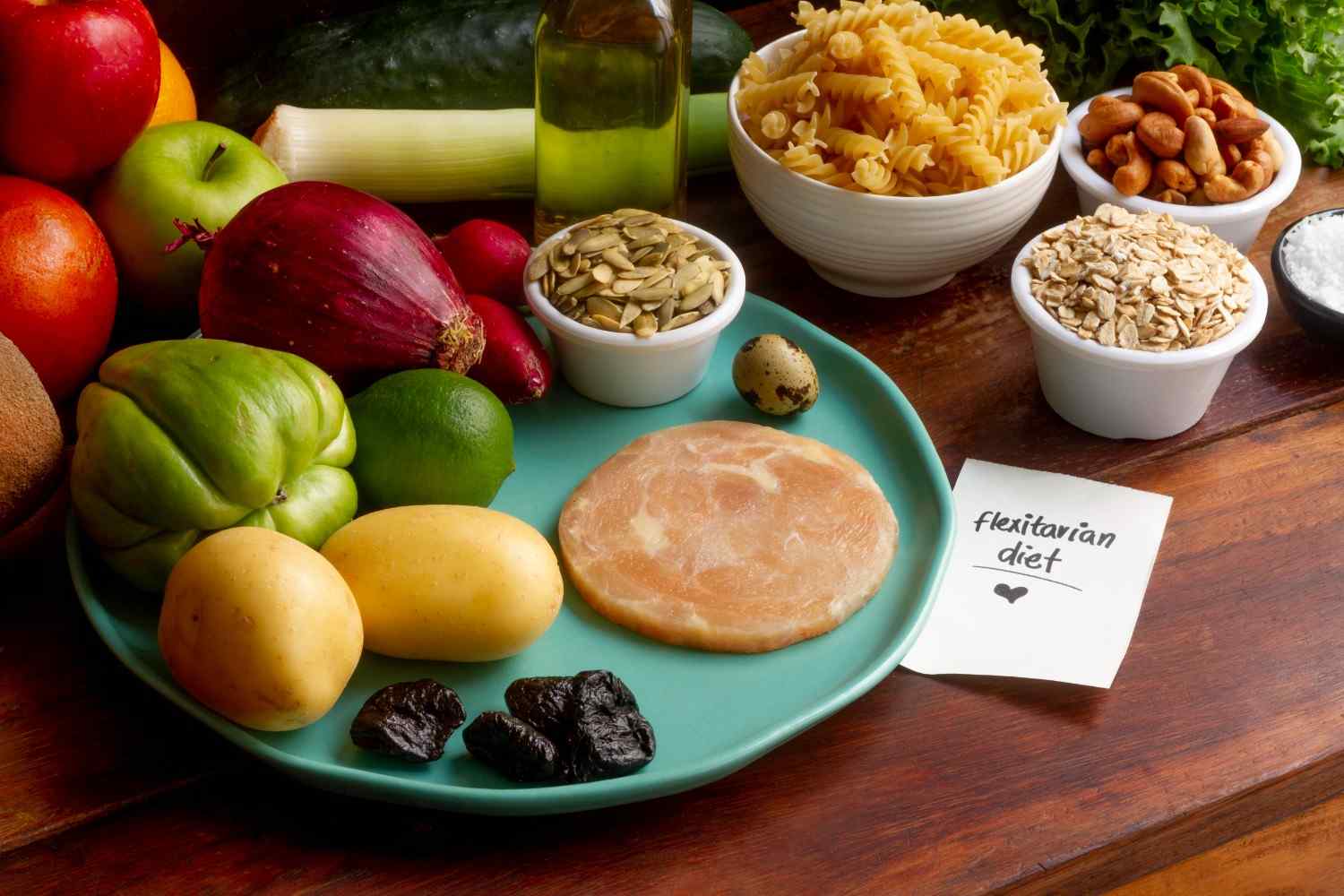
A post-Panchakarma diet helps your body transition safely after detoxification by gradually restoring digestive strength (Agni), nourishing body tissues, and maintaining Dosha balance. Following a doctor-guided eating plan with warm, freshly prepared, easy-to-digest foods can help preserve the benefits of Panchakarma and support long-term wellness.
A post-Panchakarma diet is essential for sustaining the healing achieved during Panchakarma. The days immediately after treatment are just as important as the therapies themselves because your digestive system is gradually regaining strength. At Sitaram Retreat, our Ayurvedic physicians provide individualized dietary guidance and follow-up care so every guest can continue their healing journey confidently after returning home. Here’s how the right diet can make all the difference.
Why Your Diet Matters After Panchakarma
Panchakarma in Ayurveda is a deeply cleansing Ayurvedic therapy designed to eliminate accumulated toxins (Ama), balance the Doshas, and restore the body’s natural intelligence. While the therapies prepare your body for healing, your recovery depends on how well you care for yourself afterward.
Following a carefully planned post-Panchakarma diet allows your digestive system, known in Ayurveda as Agni, to recover gradually. During Panchakarma, digestion is intentionally lightened so the body can focus on cleansing. Once treatment is complete, digestion needs time to rebuild before returning to regular meals.
A sudden return to rich, spicy, processed, or heavy foods can overwhelm digestion and reduce the long-term benefits of the therapy. Instead, a gradual dietary progression helps your body absorb nutrients efficiently while supporting tissue repair and balanced metabolism. To understand how detoxification aligns with overall nourishment, exploring Shamana and Shodhana: The Two Pillars of Ayurvedic Detox Treatments offers valuable perspective.
Understanding Samsarjana Krama – Ayurveda’s Gradual Recovery Diet
One of Ayurveda’s most important principles after Panchakarma is Samsarjana Krama, a structured dietary progression that gently rekindles digestive strength.
Rather than returning immediately to a normal diet, food is introduced in stages according to the individual’s digestive capacity, overall health, and the specific Panchakarma types performed. .
Typically, the progression includes:
- Warm rice gruel (Peya)
- Thin rice porridge
- Light Khichdi
- Mild vegetable soups
- Soft cooked vegetables
- Gradually returning to wholesome regular meals
The duration varies from person to person. Those undergoing intensive detoxification or seeking targeted care like Ayurvedic treatment for general detox may require a longer recovery phase, while others may transition more quickly under medical supervision.
This gradual approach protects digestion while allowing the body to fully benefit from the cleansing process.
Foods to Eat After Panchakarma
Choosing nourishing, freshly prepared foods plays a significant role in recovery.
Easily Digestible Grains
Simple grains are generally well tolerated because they are gentle on digestion.
Suitable choices include:
- Rice
- Rice porridge
- Soft Khichdi
- Light millet preparations (when recommended)
These foods provide energy without burdening the digestive system.
Warm Cooked Vegetables
Cooked vegetables are easier to digest than raw salads during the recovery period.
Good options include:
- Bottle gourd
- Pumpkin
- Ash gourd
- Ridge gourd
- Carrots
- Zucchini
Steaming or lightly cooking vegetables preserves nutrients while keeping meals easy to digest.
Healthy Fats
Small amounts of pure ghee are traditionally recommended in Ayurveda because they nourish tissues, lubricate the digestive tract, and support healthy Agni when prescribed appropriately.
Freshly Prepared Meals
Freshly cooked meals are preferred over leftovers because they are considered easier to digest and more nourishing. Preparing food daily also reduces reliance on preservatives and processed ingredients.
Hydration
Hydration remains equally important after treatment.
Choose:
- Warm water
- Herbal-infused water (if advised)
- Thin vegetable soups
- Rice water
Cold beverages are generally avoided during early recovery because they may slow digestion.
Foods to Avoid During Recovery
Even healthy foods may become difficult to digest if introduced too early. During the initial recovery period, your doctor may advise avoiding:
- Fried foods
- Fast food
- Processed snacks
- Refined sugar
- Bakery products
- Carbonated beverages
- Excess caffeine
- Alcohol
- Ice-cold drinks
- Raw salads
- Heavy dairy products
Limiting these foods helps your digestive system regain strength naturally while reducing the likelihood of digestive discomfort.
How Long Should You Follow a Post-Panchakarma Diet?
There is no universal timeline.
The duration depends on several factors:
- The type of Panchakarma received
- Your digestive strength (Agni)
- Existing health conditions
- Age
- Overall constitution (Prakriti)
- Your physician’s recommendations
Some individuals may follow a structured recovery diet for only a few days, while others benefit from a longer transition. The most important factor is listening to your Ayurvedic physician rather than following generalized timelines found online. Understanding what is Panchakarma treatment and its overall timeline ensures you approach recovery with realistic expectations.
Lifestyle Habits That Help Maintain Panchakarma Results
Food is only one aspect of recovery. Daily habits also influence how long the benefits of Panchakarma last.
Eat Mindfully
Avoid distractions during meals. Eating calmly and chewing thoroughly supports healthy digestion.
Follow Regular Meal Timings
Consistent meal schedules help regulate digestive rhythms and improve nutrient absorption.
Prioritize Restful Sleep
Quality sleep supports tissue repair, hormonal balance, and overall recovery. If sleep issues arise, exploring Ayurvedic treatment for sleep improvement can be helpful.
Gentle Physical Activity
Light walking, gentle yoga, and stretching encourage circulation without exhausting the body. Intense workouts should only resume after medical guidance.
Continue Supportive Self-Care
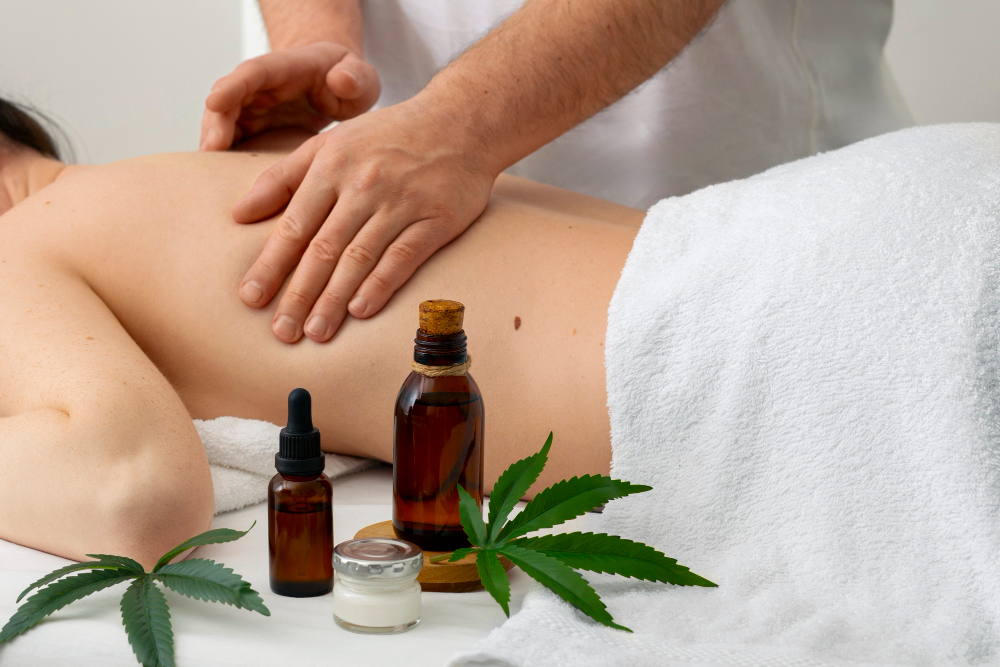
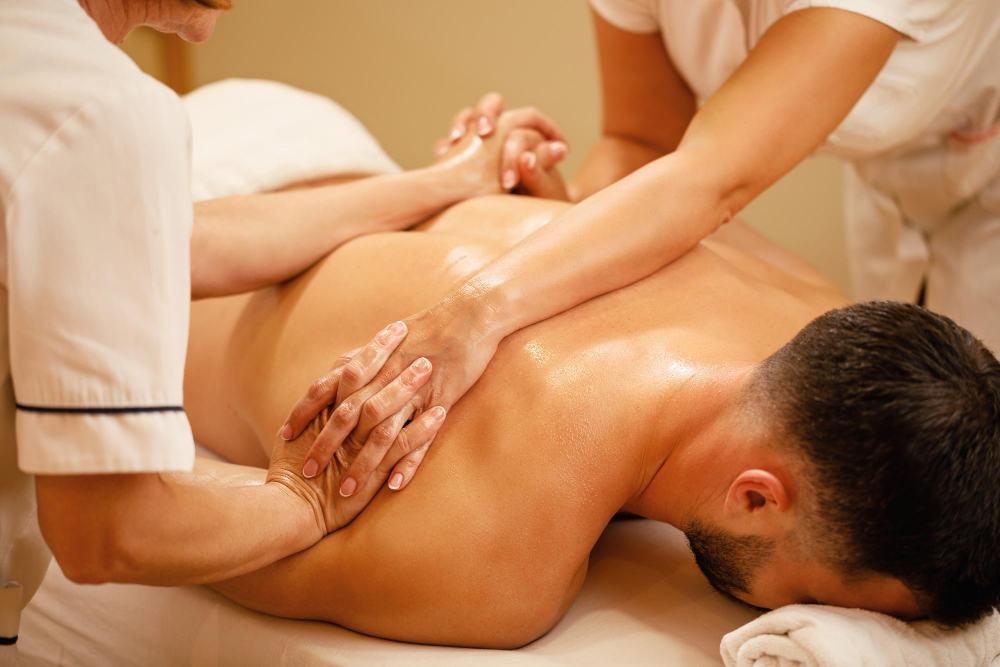
If advised, practices such as Abhyanga (Ayurvedic oil massage), meditation, and breathing exercises can complement dietary recovery and promote mental well-being.
Common Mistakes After Panchakarma
Many people unintentionally reduce the long-term benefits of Panchakarma by returning to old habits too quickly.
Common mistakes include:
- Eating heavy meals immediately after treatment
- Skipping meals
- Overeating because appetite improves
- Eating late at night
- Frequently dining out
- Travelling extensively during early recovery
- Ignoring follow-up consultations
- Discontinuing prescribed Ayurvedic medicines without medical advice
Small, consistent choices often determine how long your results last.
Why Personalized Guidance Matters
Every Panchakarma programme is individualized, and so is recovery.
Factors such as Dosha imbalance, digestive capacity, age, medical history, and the therapies performed all influence dietary recommendations. A recovery plan that works well for one person may not be appropriate for another.
This is why personalized medical supervision is an essential part of authentic Ayurvedic care. Individualized guidance ensures that dietary progression supports healing without placing unnecessary strain on digestion.
Continue Your Healing Journey with Sitaram Retreat
Panchakarma is not simply a detox programme; it is the beginning of a healthier relationship with your body. Maintaining its benefits requires thoughtful nutrition, mindful living, and expert guidance during recovery.
At Sitaram Retreat, every Panchakarma programme includes personalized dietary recommendations, doctor-supervised recovery plans, and continued support based on the principles of classical Ayurveda. Our experienced Ayurvedic physicians carefully tailor post-treatment guidance according to your constitution, digestive strength, and individual health goals, helping you transition smoothly from treatment to everyday life.
If you are looking for an authentic, physician-led Panchakarma experience that supports lasting wellness beyond your stay, Sitaram Retreat is here to guide every step of your healing journey.
Frequently Asked Questions
Q1. How soon can I return to my normal diet after Panchakarma?
Most people should transition gradually rather than immediately. The exact timeline depends on your digestive recovery and your Ayurvedic physician’s advice.
Q2. Can I drink coffee after Panchakarma?
Coffee is usually limited during the early recovery phase because it may irritate digestion. Your physician can advise when moderate consumption is appropriate.
Q3. Can I eat raw salads after Panchakarma?
Raw foods are generally introduced gradually. Warm, cooked vegetables are often preferred initially because they are easier to digest.
Q4. Is ghee beneficial after Panchakarma?
Yes. When recommended by an Ayurvedic physician, small amounts of ghee can support digestive recovery and nourish body tissues.
Q5. Will following a post-Panchakarma diet improve long-term results?
Yes. Following a structured recovery diet helps maintain digestive balance, supports tissue nourishment, and preserves many of the benefits achieved during Panchakarma.
Q6. What foods should I avoid after Panchakarma?
Heavy, fried, processed, sugary, refrigerated, and highly spicy foods are generally avoided during the early recovery phase to protect digestion.
Q7. Why is digestion weak after Panchakarma?
Panchakarma temporarily lightens digestive activity to support cleansing. After treatment, digestion needs time to rebuild before handling regular meals efficiently.
Q8. What is Samsarjana Krama?
Samsarjana Krama is the classical Ayurvedic process of gradually reintroducing food after Panchakarma, beginning with light, easily digestible meals before progressing to a normal diet.
TABLE OF CONTENTS
- Why Your Diet Matters After Panchakarma
- Understanding Samsarjana Krama – Ayurveda's Gradual Recovery Diet
- Foods to Eat After Panchakarma
- Foods to Avoid During Recovery
- How Long Should You Follow a Post-Panchakarma Diet?
- Lifestyle Habits That Help Maintain Panchakarma Results
- Common Mistakes After Panchakarma
- Why Personalized Guidance Matters
- Continue Your Healing Journey with Sitaram Retreat
- Frequently Asked Questions