retreat@sitaramayurveda.com
 +91 813 8888 912

A Case Study on Chronic Bronchitis

By Vignesh Devraj
When Mr. AF Came to Us
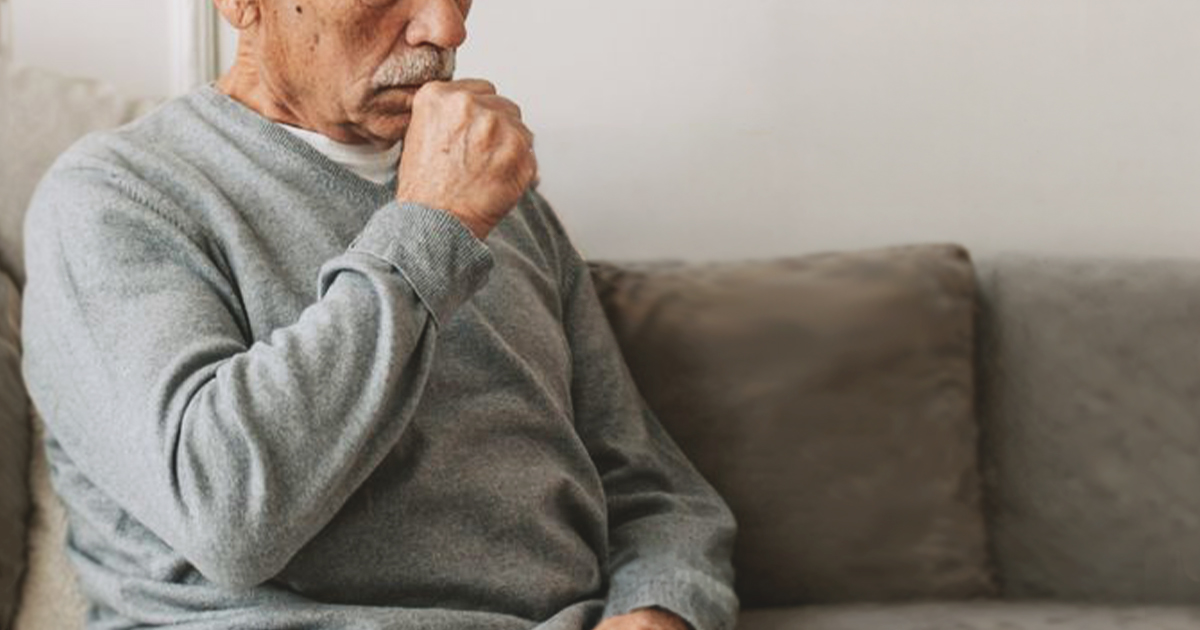
Mr. AF, an 80-year-old male, came to us with a 20-year history of breathing difficulty, persistent cough, thick greenish-dark sputum, and constant fatigue.
He was a known case of skin carcinoma and was using a Fostair 100/6 inhaler for his respiratory symptoms. His persistent coughing, particularly at night, had also disturbed his sleep. On auscultation, rhonchi were present.
He was welcomed to Sitaram Mountain Retreat for 14 days for an Ayurvedic treatment programme focused on supporting respiratory function, managing cough and congestion, and improving his overall well-being.
A 14-Day Treatment Plan
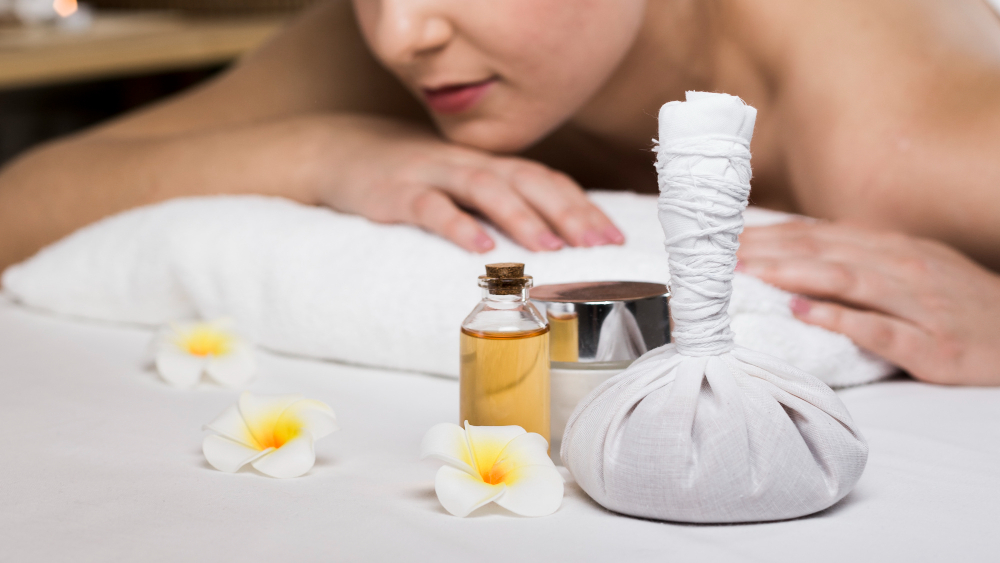
The treatment began with Abhyangam, a full-body oil massage traditionally used to support circulation, relaxation, and balance of Vata.
This was combined with Dashamoola Kashaya Dhara and Nasyam for the first five days. These therapies were incorporated to support the respiratory system, ease congestion, and promote clearer breathing.
For the next five days, Abhyangam, Pizhichil, and Urovasthi were administered. Pizhichil involves the continuous application of warm medicated oil over the body and is traditionally used for nourishment and relaxation, while Urovasthi focuses on medicated oil application over the chest region.
During the following three days, Abhyangam, Njavarakizhi, and Swedanam were given to support strength, circulation, relaxation, and recovery.
Alongside the external therapies, internal Ayurvedic medicines were prescribed, including Antussin Capsules, Agasthya Rasayanam, and Vyoshadi Vatakam. Dashamoola Cough Syrup and Thamboola Rasayanam were subsequently added to the treatment plan to support respiratory comfort and manage persistent cough and phlegm.
During the initial period after admission, he stopped using his inhaler and his respiratory symptoms temporarily worsened. His treatment was therefore closely monitored throughout the programme.
Changes Seen During the 14 Days
By the 7th day, a noticeable change was observed in his sputum. It changed from thick, dark greenish sputum to thinner, clearer, whitish sputum.
By the 11th day, his cough had almost completely subsided, and his chest was clinically clearer.
His sleep quality also improved, as the persistent night-time coughing reduced significantly.
By the time of discharge after 14 days, he reported being free from his presenting respiratory symptoms and was no longer using his inhaler.
Note: In a clinical case study, medication changes, especially stopping or restarting an inhaler, should be described as physician-supervised and should not be presented as a general recommendation for other patients.