retreat@sitaramayurveda.com
 +91 813 8888 912

Abhyanga Oil Ingredients: A Complete Guide to Ayurvedic Massage Oils and Their Benefits

By Vignesh Devraj
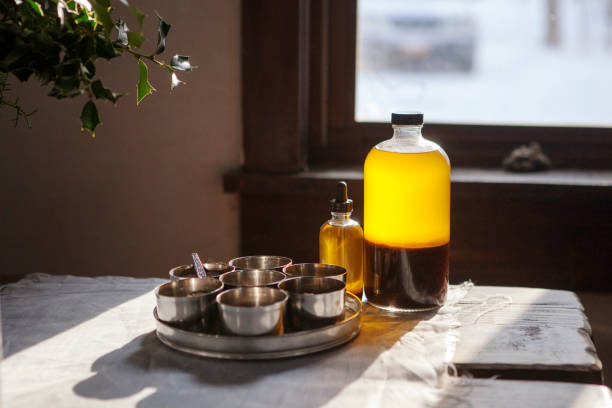
Abhyanga oil ingredients typically include nourishing base oils such as sesame or coconut oil infused with Ayurvedic herbs like Bala, Ashwagandha, Brahmi, Dashamoola, and Manjistha. These ingredients are selected according to your body constitution (dosha) to support relaxation, healthy skin, joint comfort, and overall well-being through traditional Ayurvedic massage.
Understanding abhyanga oil ingredients is essential for choosing the right Ayurvedic massage oil and experiencing its full therapeutic value. At Sitaram Retreat, authentic Abhyanga therapies use carefully selected medicated oils tailored to an individual’s dosha and wellness goals. Knowing what goes into these oils helps you appreciate how Ayurveda promotes balance, rejuvenation, and long-term holistic health. To understand how these targeted applications fit into ancient medical frameworks, you can explore the eight branches (Ashtanga) of classical Ayurveda.
What Is Abhyanga Oil?
Abhyanga is a traditional Ayurvedic practice that involves gently massaging the body with warm herbal oil. Unlike ordinary massage oils, Abhyanga oils are prepared by infusing natural herbs into nourishing base oils using classical Ayurvedic methods. These formulations are designed to support both physical and mental well-being while helping maintain harmony among the body’s doshas—Vata, Pitta, and Kapha.
The effectiveness of an Ayurvedic massage depends greatly on the abhyanga oil ingredients used. Every ingredient is chosen for its unique properties, making the oil suitable for specific constitutions, seasons, and wellness needs. For a more intensive fluid-flow therapy focused specifically on cooling the mind and calming the nervous system, Ayurveda frequently utilizes Takradhara treatment and its distinct benefits.
Why Do Abhyanga Oil Ingredients Matter?
Ayurveda believes that every individual has a unique body constitution. Because of this, one oil does not suit everyone. The herbs and carrier oils used in Abhyanga influence how deeply the oil nourishes the tissues, supports circulation, and promotes relaxation.
Traditional formulations are carefully balanced to provide multiple wellness benefits rather than addressing a single concern. Selecting the right abhyanga oil ingredients allows the massage to become a personalized healing ritual that supports the body’s natural balance.
Common Abhyanga Oil Ingredients and Their Ayurvedic Properties
Sesame Oil (Tila Taila)
Sesame oil is considered the most widely used base oil in Ayurveda. Rich in nourishing fatty acids, it penetrates deeply into the skin and is especially valued for balancing Vata dosha. It helps keep the skin moisturized while supporting healthy muscles and joints.
Coconut Oil
Coconut oil offers naturally cooling properties, making it an excellent choice for individuals with a Pitta constitution or during warmer seasons. It soothes the skin, provides hydration, and leaves the body feeling refreshed after massage.
Bala
Bala is a respected Ayurvedic herb traditionally used to promote strength and vitality. Oils infused with Bala are often selected to support healthy muscles and encourage physical rejuvenation.
Ashwagandha
Known as one of Ayurveda’s most celebrated herbs, Ashwagandha is valued for its calming and restorative qualities. It complements massage by helping the body relax after physical or mental exertion.
Dashamoola
Dashamoola is a classical blend of ten Ayurvedic roots that has been used for centuries. It is commonly included in medicated oils to support joint mobility and overall musculoskeletal wellness.
Brahmi
Brahmi is traditionally associated with mental clarity and relaxation. When infused into massage oil, it contributes to a soothing massage experience that encourages calmness and restful sleep.
Manjistha
Manjistha is widely appreciated in Ayurveda for promoting healthy skin and supporting the body’s natural cleansing processes. It is often included in herbal oils intended for skin nourishment.
Turmeric
Turmeric has long been recognized for its antioxidant-rich properties. In Ayurvedic oils, it supports healthy skin and complements traditional wellness practices.
Abhyanga Oil Benefits
The carefully selected herbs and carrier oils work together to provide numerous abhyanga oil benefits that extend beyond simple skin nourishment.
Some of the most recognized benefits include:
- Deeply moisturizes and softens the skin
- Promotes relaxation and stress relief. This grounding effect provides deep relaxation, making it a highly supportive Ayurvedic treatment for stress as well as a natural Ayurvedic treatment for anxiety.
- Supports healthy blood circulation
- Encourages flexibility and comfortable movement
- Helps relax tired muscles after daily activities
- Supports restful sleep when practiced regularly
- Helps balance Vata dosha
- Contributes to overall physical and mental wellness
These abhyanga oil benefits become more effective when the massage is performed consistently using authentic Ayurvedic formulations.
Choosing the Right Abhyanga Oil for Your Dosha
One of Ayurveda’s greatest strengths is personalization. Different constitutions respond better to different oils and herbs.
Vata Dosha
Individuals with Vata tendencies often benefit from warming oils such as sesame infused with Bala or Ashwagandha to provide nourishment and comfort.
Pitta Dosha
Cooling oils such as coconut combined with herbs like Brahmi are commonly recommended to help maintain balance during warmer conditions.
Kapha Dosha
Kapha constitutions generally benefit from lighter, warming oils that stimulate circulation and support vitality.
Choosing appropriate abhyanga oil ingredients based on your dosha allows the therapy to work in harmony with your body’s natural constitution.
How to Perform Abhyanga at Home
A simple self-massage routine can easily become part of your daily wellness practice.
- Warm the herbal oil slightly.
- Begin by gently massaging the scalp.
- Apply oil to the entire body using long strokes on the limbs.
- Massage joints using gentle circular movements.
- Allow the oil to remain on the skin for 20–30 minutes.
- Take a warm bath using a mild herbal cleanser.
- Repeat several times a week for consistent wellness support.
Using quality abhyanga oil ingredients enhances both the sensory experience and the therapeutic value of the massage. If your routine includes sensory care, you might also consider the traditional practice of Karnapooranam and its unique benefits for ear wellness during this period.
Mistakes to Avoid
Even a traditional practice like Abhyanga can become less effective if done incorrectly.
Avoid these common mistakes:
- Using cold oil instead of gently warmed oil
- Choosing oils that do not suit your dosha
- Applying excessive pressure during massage
- Using low-quality or synthetic oils
- Ignoring seasonal changes when selecting oils
- Skipping professional Ayurvedic guidance for chronic concerns
Authentic herbal formulations prepared using classical Ayurvedic methods offer better consistency and quality than generic massage oils.
Can You Prepare Abhyanga Oil at Home?
Basic herbal massage oils can certainly be prepared at home using sesame or coconut oil and a few Ayurvedic herbs. However, classical Ayurvedic medicated oils involve detailed preparation methods that preserve the potency of multiple herbs through traditional processing techniques.
For this reason, many people prefer professionally prepared formulations created according to authentic Ayurvedic principles. Selecting trusted abhyanga oil ingredients ensures both quality and consistency while maintaining the integrity of the traditional practice.
Experience Authentic Abhyanga at Sitaram Retreat
While understanding abhyanga oil ingredients helps you make informed choices, receiving Abhyanga as part of a physician-guided Ayurvedic wellness program offers a more personalized experience.
At Sitaram Retreat, experienced Ayurvedic physicians assess your unique constitution before recommending suitable medicated oils and therapies. Every Abhyanga treatment is customized using authentic herbal formulations prepared according to classical Ayurvedic texts. Depending on your wellness goals, Abhyanga may also be integrated with Panchakarma therapies, yoga, therapeutic nutrition, and lifestyle guidance to support holistic well-being.
With over a century of Ayurvedic heritage, Sitaram Retreat provides a nurturing environment where traditional healing practices meet personalized care, allowing guests to experience Ayurveda in its most authentic form.
Frequently Asked Questions
Q1. How are Abhyanga oil ingredients selected?
Ayurvedic physicians select ingredients based on your dosha, current health condition, season, and wellness objectives to create a personalized massage oil.
Q2. Can I use regular coconut or sesame oil for Abhyanga?
Yes. Plain sesame or coconut oil may be used for basic self-massage, although classical medicated oils provide additional Ayurvedic herbal benefits.
Q3. Is sesame oil the best choice for everyone?
No. While sesame oil is widely used, the ideal oil depends on your individual body constitution and specific wellness needs.
Q4. Will Abhyanga help reduce everyday stress?
Regular Abhyanga massage is traditionally practiced to promote relaxation, calm the nervous system, and support better emotional balance.
Q5. What are the most common Abhyanga oil ingredients?
Common ingredients include sesame oil, coconut oil, Bala, Ashwagandha, Brahmi, Dashamoola, Manjistha, and Turmeric.
Q6. Why are herbal ingredients added to massage oil?
Ayurvedic herbs enhance the nourishing properties of the base oil and are selected to support different aspects of physical and mental well-being.
Q7. How often should Abhyanga be practiced?
Many Ayurvedic practitioners recommend performing Abhyanga three to seven times per week, depending on individual lifestyle and constitution.
Q8. Can beginners benefit from Abhyanga massage?
Absolutely. When performed correctly with suitable oils, Abhyanga is a gentle wellness practice that can easily become part of a healthy self-care routine.
TABLE OF CONTENTS
- What Is Abhyanga Oil?
- Why Do Abhyanga Oil Ingredients Matter?
- Common Abhyanga Oil Ingredients and Their Ayurvedic Properties
- Abhyanga Oil Benefits
- Choosing the Right Abhyanga Oil for Your Dosha
- How to Perform Abhyanga at Home
- Mistakes to Avoid
- Can You Prepare Abhyanga Oil at Home?
- Experience Authentic Abhyanga at Sitaram Retreat
- Frequently Asked Questions