retreat@sitaramayurveda.com
 +91 813 8888 912

Shodhana and Shamana Chikitsa: The Two Pillars of Ayurvedic Detox and Healing

By Vignesh Devraj
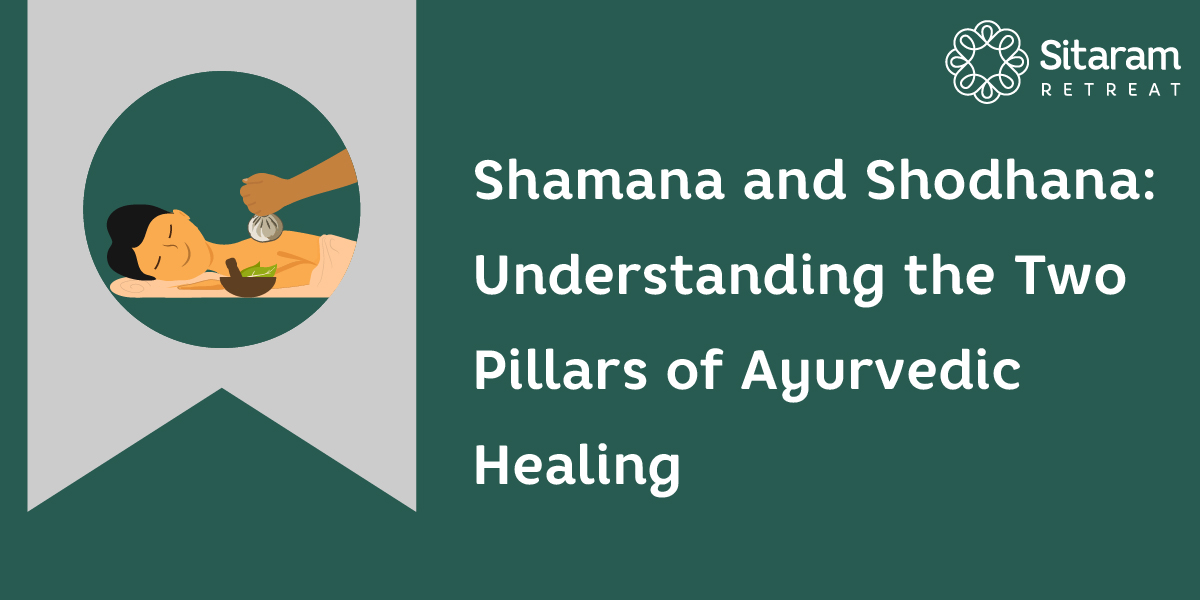
Shodhana and Shamana Chikitsa are the two primary treatment approaches in Ayurveda. Shamana focuses on balancing aggravated doshas through diet, herbs, and lifestyle modifications, while Shodhana removes accumulated toxins through cleansing therapies such as Panchakarma. Together, they help restore balance, support natural healing, and promote long-term wellness.
At Sitaram Retreat, Ayurveda is practiced according to classical principles that focus on identifying and addressing the root causes of imbalance. Shodhana and Shamana Chikitsa form the foundation of Ayurvedic treatment, helping individuals restore health through either pacification or purification of the doshas.
According to Ayurveda, many health concerns arise due to improper digestion, toxin accumulation, and doshic imbalance. To correct these disturbances, Ayurvedic physicians recommend either Shamana Ayurveda therapies, Shodhana in Ayurveda, or a combination of both based on an individual’s constitution and health condition.
The Ayurvedic Philosophy Behind Shamana and Shodhana
Ayurveda recognizes that not all health conditions require the same level of intervention. Some imbalances can be corrected through gentle measures, while others require deeper cleansing and purification.
A simple analogy is to think of the body as a beautiful garment. When dust accumulates on the surface, gentle cleaning is sufficient. This represents Shamana therapy. However, when the garment develops deep stains that cannot be removed through simple cleaning, a more intensive cleansing process becomes necessary. This represents Shodhana therapy.
This principle allows Ayurvedic physicians to personalize treatments according to the individual’s needs rather than applying a one-size-fits-all approach.
What is Shamana in Ayurveda?
Shamana in Ayurveda refers to therapies that pacify aggravated doshas without physically eliminating them from the body. These treatments work by restoring balance through dietary management, herbal support, lifestyle modifications, and therapeutic practices that strengthen the body’s natural healing mechanisms.
The primary objective of Shamana therapy in Ayurveda is to reduce symptoms, improve digestion and metabolism, support tissue nourishment, and help the body regain equilibrium.
Common Approaches Used in Shamana Therapy
Shamana therapies may include:
- Personalized dietary recommendations
- Ayurvedic herbal formulations
- Lifestyle and behavioral modifications
- Daily wellness routines (Dinacharya)
- Seasonal wellness practices (Ritucharya)
- Yoga and meditation
- Pranayama and breathing exercises
- Abhyanga treatment (Ayurvedic oil massage)
- Stress management techniques
These therapies are customized according to the individual’s constitution and health goals.
Who Can Benefit from Shamana Therapy?
Shamana therapy is often recommended for:
- Mild to moderate doshic imbalances
- Individuals seeking preventive healthcare
- Those recovering from illness
- People who are not suitable candidates for intensive detoxification
- Individuals looking to improve overall wellness and vitality
Because of its gentle nature, Shamana Ayurveda is suitable for a wide range of individuals and can often be incorporated into everyday life.
Benefits of Shamana Therapy
Some of the potential benefits of Shamana therapy in Ayurveda include:
- Improved digestion and metabolism
- Better energy levels
- Enhanced mental clarity
- Balanced doshas
- Support for healthy sleep patterns
- Improved emotional well-being
- Strengthened immunity
- Promotion of long-term health maintenance
What is Shodhana in Ayurveda?
While Shamana focuses on pacification, Shodhana in Ayurveda focuses on purification. Shodhana therapies are designed to remove accumulated toxins, metabolic waste, and excess doshas from the body.
In classical Ayurvedic texts, Shodhana is considered one of the most effective approaches for addressing deeply rooted imbalances because it targets the underlying cause rather than merely controlling symptoms.
Shodhana therapy follows a systematic process that includes preparation, purification, and post-treatment care to ensure the body responds effectively to the cleansing process.
Read More: The Eight Branches (Ashtanga) of Classical Ayurveda | Karnapooranam Benefits
The Three Stages of Shodhana Therapy
1. Purvakarma (Preparation Phase)
Before purification begins, the body is prepared through therapies that help loosen and mobilize toxins. Common preparatory procedures include:
- Oleation (Snehana)
- Internal and external oil therapies
- Herbal preparations
- Therapeutic sweating (Swedana)
2. Pradhana Karma (Main Purification)
This phase involves the primary cleansing procedures designed to eliminate accumulated doshas from the body.
3. Paschat Karma (Post-Therapy Care)
After purification, special dietary and lifestyle guidelines help restore digestive strength and support recovery.
Benefits of Shodhana Therapy
Potential benefits of Shodhana therapy include:
- Deep detoxification
- Removal of accumulated Ama (toxins)
- Improved metabolic function
- Enhanced digestive health
- Better dosha balance
- Support for long-term wellness
- Increased vitality and rejuvenation
- Promotion of mental and emotional clarity
Panchakarma: The Most Comprehensive Shodhana Therapy
Among all purification procedures, Panchakarma is considered the most comprehensive form of Shodhana therapy.
The term Panchakarma means “five actions” and refers to five therapeutic procedures designed to remove excess doshas from the body. Panchakarma is not a general wellness spa treatment but a carefully structured therapeutic process that follows classical Ayurvedic principles.
At Sitaram Retreat, Panchakarma programs are customized according to the individual’s constitution, current imbalance, medical history, and treatment objectives. To get a closer look at how these phases are clinically planned and administered, you can explore how the panchakarma process explained maps out step-by-step.
The Five Classical Panchakarma Procedures
- Vamana: (Therapeutic Emesis)
- Virechana: (Therapeutic Purgation)
- Basti: (Medicated Enema Therapy)
- Nasya: (Nasal Cleansing Therapy)
- Raktamokshana: (Blood Purification Therapy, where appropriate)
These procedures are selected only after a thorough consultation with an Ayurvedic physician.
Shamana and Shodhana: Understanding the Difference
| Shamana | Shodhana |
| Balances aggravated doshas | Eliminates accumulated toxins and excess doshas |
| Uses herbs, diet, and lifestyle changes | Includes purification procedures |
| Non-invasive approach | More intensive therapeutic process |
| Focuses on symptom management and prevention | Focuses on root-cause correction |
| Suitable for mild to moderate imbalances | Suitable for deeper and chronic imbalances |
Rather than viewing Shamana and Shodhana as separate therapies, Ayurveda considers them complementary tools that work together to support healing and wellness.
When Are Shamana and Shodhana Recommended?
An Ayurvedic physician determines the appropriate treatment based on multiple factors, including:
- Individual constitution (Prakriti)
- Nature of the imbalance
- Strength of digestion (Agni)
- Presence of toxins (Ama)
- Age and physical strength
- Lifestyle habits
- Treatment goals
In some cases, a person may begin with Shamana therapy and later undergo Shodhana therapy for deeper purification. In other situations, both approaches may be used together as part of a personalized treatment plan. For instance, individuals suffering from chronic seasonal ailments, such as deep-set sinus blockage, will often undergo targeted protocols for Ayurvedic management of sinusitis where both approaches intersect.
Why Shodhana and Shamana Chikitsa Matter in Ayurvedic Healing
The goal of Ayurveda is not merely symptom relief but restoration of balance and prevention of future disease. Shodhana and Shamana Chikitsa provide a structured framework for achieving this objective.
While Shamana Ayurveda helps maintain balance and manage existing imbalances, Shodhana addresses the deeper causes by cleansing the body and supporting optimal physiological function. Together, they form the cornerstone of traditional Ayurvedic healing.
Frequently Asked Questions
Q1. What is Shodhana and Shamana Chikitsa? Shodhana and Shamana Chikitsa are the two primary Ayurvedic treatment approaches. Shamana balances aggravated doshas, while Shodhana removes toxins and excess doshas from the body.
Q2. What is Shamana in Ayurveda? Shamana is a therapeutic approach that pacifies doshic imbalances using herbs, diet, lifestyle changes, and supportive therapies without eliminating doshas from the body.
Q3. How does Shamana therapy in Ayurveda work? Shamana therapy works by correcting lifestyle factors, improving digestion, balancing doshas, and supporting the body’s natural healing mechanisms.
Q4. How is Shodhana therapy different from Shamana therapy? Shodhana therapy focuses on purification and elimination of toxins, whereas Shamana therapy focuses on balancing and managing doshic disturbances through gentle methods.
Q5. Can Shamana and Shodhana be used together? Yes. Ayurvedic physicians often combine Shamana and Shodhana therapies to achieve both symptom management and deeper detoxification based on individual health needs.
Q6. Is Panchakarma a type of Shodhana therapy? Yes. Panchakarma is considered the most comprehensive form of Shodhana therapy and is designed to eliminate accumulated toxins and restore doshic balance.
Q7. Will everyone need Shodhana therapy? No. The need for Shodhana depends on factors such as age, constitution, health condition, strength, and the level of toxin accumulation in the body.
Q8. Why are Shodhana and Shamana important in Ayurveda? They help restore balance, support natural healing, improve overall well-being, and address both the symptoms and underlying causes of health imbalances.
TABLE OF CONTENTS
- The Ayurvedic Philosophy Behind Shamana and Shodhana
- What is Shamana in Ayurveda?
- What is Shodhana in Ayurveda?
- Panchakarma: The Most Comprehensive Shodhana Therapy
- Shamana and Shodhana: Understanding the Difference
- When Are Shamana and Shodhana Recommended?
- Why Shodhana and Shamana Chikitsa Matter in Ayurvedic Healing
- Frequently Asked Questions