retreat@sitaramayurveda.com
 +91 813 8888 912

Pichu Meaning in Ayurveda: Benefits, Types, Procedure & Uses

By Vignesh Devraj
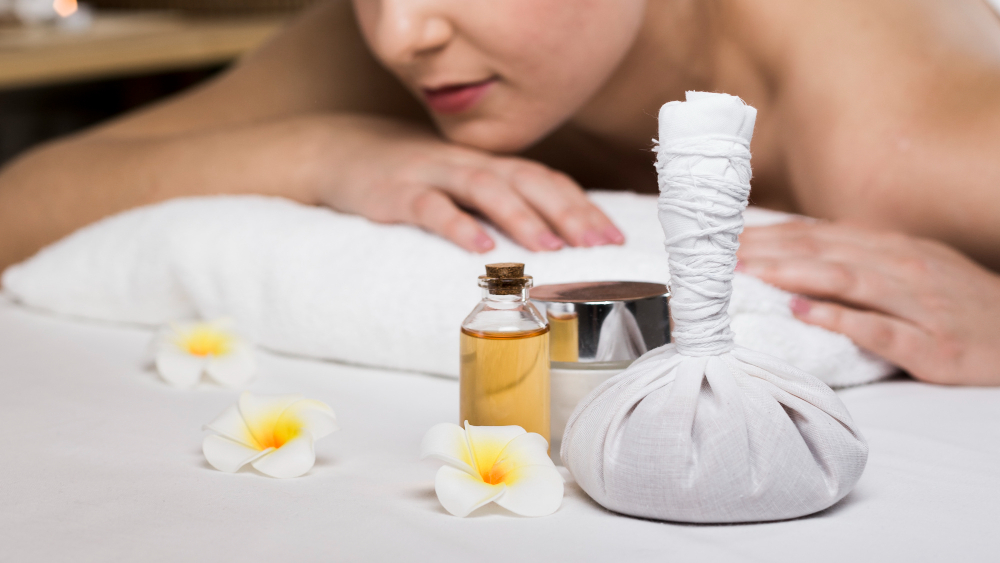
Pichu is an Ayurvedic therapy in which cotton soaked in warm medicated oil is placed over a specific area of the body for a practitioner-determined period. It is traditionally used as a localized therapy, particularly for discomfort and inflammation, with the oil’s warmth maintained during the treatment.
The pichu meaning in ayurveda refers to a localized therapy where cotton soaked in warm medicated oil is placed over a selected body area. Unlike a general oil massage, Pichu keeps the therapeutic preparation in contact with one specific region. At Sitaram Retreat, this traditional therapy is offered as part of a personalized Ayurvedic approach.
But what makes this simple-looking therapy significant in Ayurveda? The answer lies in how the treatment is selected, prepared and administered.
What Is the Meaning of Pichu in Ayurveda?
The pichu meaning in ayurveda is best understood through its method of application. A piece of cotton is soaked in suitable oil and placed on a particular area of the body. The application remains there for a period decided according to the treatment site and the individual’s condition.
Pichu is therefore a localized Ayurvedic therapy, rather than a full-body massage. Its purpose is to maintain prolonged contact between the selected therapeutic preparation and the targeted area.
The treatment may be considered when localized care is appropriate. However, the choice of oil, application site, duration, and frequency should be based on an Ayurvedic practitioner’s assessment rather than a standard formula for everyone.
Explore ayurvedic treatment for back pain to learn about traditional Ayurvedic approaches that may support back comfort, mobility, and overall well-being.
How Does Pichu Therapy Work?
The pichu meaning in ayurveda becomes clearer when you understand the importance of sustained local application.
During therapy, cotton soaked in warm medicated oil is positioned over the selected area. The warm oil is replenished as needed to maintain the desired temperature throughout the session. Sitaram Retreat describes this temperature-maintenance process as an integral part of its Pichu procedure.
This approach allows the therapeutic substance to remain in contact with the chosen area for longer than a quick application.
Why Is Warmth Important?
Warmth is an important feature of many Ayurvedic external therapies. In Pichu, maintaining an appropriate temperature helps preserve the intended treatment experience throughout the application.
The warmth should be comfortable rather than excessively hot. For this reason, professional supervision is preferable, particularly when treatment is being used therapeutically.
Discover ayurvedic treatment for stress to learn about traditional Ayurvedic approaches that support relaxation, balance, and overall well-being.
What Is Pichu Used For in Ayurveda?
The pichu meaning in ayurveda is closely associated with localized therapeutic application. Sitaram Retreat specifically describes Pichu as being used for localized pain and inflammation.
Depending on the individual’s assessment, Ayurvedic practitioners may consider localized Pichu applications for areas experiencing discomfort or stiffness.
Potential treatment goals may include:
- Supporting comfort in a localized area
- Providing soothing warmth
- Supporting relaxation of tense or stiff regions
- Complementing a broader Ayurvedic treatment plan
- Providing targeted application rather than whole-body therapy
It is important to distinguish traditional Ayurvedic use from claims of guaranteed medical outcomes. Pichu should be viewed as a practitioner-guided therapy, not as a replacement for necessary medical diagnosis or treatment.
Learn what is panchakarma treatment to understand its traditional Ayurvedic approach to cleansing, balance, and holistic wellness.
Types of Pichu Therapy in Ayurveda
There is no single application site for Pichu. The selected area depends on the individual’s needs and the practitioner’s treatment plan.
Shiro Pichu
Shiro Pichu involves localized application around the head region. It is traditionally included among Ayurvedic approaches involving oil application to the head and is selected according to individual requirements.
Kati Pichu
Kati Pichu focuses on the lower-back region. It may be considered when localized Ayurvedic care is appropriate for discomfort or stiffness around this area.
Greeva Pichu
Greeva Pichu refers to localized application around the neck region. The treatment approach and duration should be determined by a qualified practitioner after assessment.
Janu Pichu
Janu Pichu focuses on the knee area. It represents the localized nature of the therapy, where treatment is concentrated on a particular joint or region.
Sandhi Pichu
Sandhi means joint, and Sandhi Pichu refers broadly to localized application around a joint. The specific approach can vary depending on the joint and the person’s overall condition.
These applications demonstrate why Pichu should not be treated as a one-size-fits-all procedure. The area, preparation and duration can differ from person to person.
Discover panchakarma benefits to learn about the traditional wellness applications associated with this Ayurvedic practice.
What Is the Pichu Treatment Procedure?
The pichu meaning in ayurveda is also reflected in its relatively simple but carefully controlled procedure.
A typical practitioner-guided session involves several stages:
- Assessment: The practitioner evaluates the individual’s concern and identifies whether localized Pichu is appropriate.
- Selection: A suitable therapeutic oil or preparation and application site are selected.
- Preparation: The treatment area and cotton pad are prepared for application.
- Application: Cotton soaked in warm oil is placed over the selected body area.
- Temperature maintenance: Warm oil is periodically added or the cotton pad is replaced to maintain appropriate warmth.
- Completion: The pad is removed after the practitioner-determined treatment period, followed by any recommended aftercare.
The exact procedure should not be assumed to be identical for every person. Ayurveda places importance on individualized assessment, so treatment details may vary.
Explore abhyanga massage to learn about this traditional Ayurvedic oil massage and its relaxing, nourishing approach.
Which Oils Are Used for Pichu?
There is no universally appropriate oil for every Pichu treatment.
The preparation may be selected according to factors such as:
- The treatment area
- The individual’s presenting concern
- The Ayurvedic assessment
- The intended therapeutic objective
- The practitioner’s treatment plan
This individualized selection is one reason professional consultation matters. Applying an oil simply because it is commonly associated with Pichu does not necessarily make it appropriate for every person.
Discover abhyanga oil ingredients to learn about the traditional oils and herbs commonly used in Ayurvedic Abhyanga massage.
What Are the Benefits of Pichu Therapy?
The pichu meaning in ayurveda cannot be separated from its localized application and traditional therapeutic purpose.
Sitaram Retreat specifically identifies localized pain and inflammation among the uses of Pichu.
Depending on the treatment plan, potential benefits may include:
- Localized soothing: Warm oil application can provide a comforting experience to the treated area.
- Support for stiffness: Targeted warmth and oil application may complement an Ayurvedic approach to localized stiffness.
- Relaxation: The gentle, sustained application can form part of a calming wellness experience.
- Targeted care: Unlike a full-body oil treatment, Pichu focuses attention on one particular region.
- Complementary therapy: It may be incorporated into a wider Ayurvedic care plan when considered suitable by a practitioner.
These benefits should be understood in the context of traditional Ayurvedic practice rather than as guaranteed results for a particular disease.
Explore ayurvedic treatment for weight loss to learn about traditional Ayurvedic approaches that support healthy habits, balanced routines, and overall wellness.
Pichu vs Other Ayurvedic Therapies
The pichu meaning in ayurveda is sometimes confused with other oil-based therapies. Understanding the difference can help you identify why a practitioner may recommend one approach over another.
| Therapy | Main Characteristic | Typical Focus |
| Pichu | Warm medicated material maintained over a selected area | Localized application |
| Abhyanga | Ayurvedic oil massage | Broader body application |
| Kati Vasti | Oil retained over the lower back within a formed boundary | Lower back |
| Janu Vasti | Oil retained locally around the knee | Knee |
| Shirodhara | A continuous stream of liquid directed over the forehead | Head/forehead |
The therapies may have different purposes and procedures. A qualified practitioner can determine which approach is more appropriate based on the individual’s needs.
How Long Does Pichu Treatment Take?
There is no single duration that applies to every Pichu session. Sitaram Retreat states that the treatment period depends on the application site and condition.
The duration may therefore be adjusted according to the practitioner’s assessment rather than following a fixed schedule.
Similarly, the number of sessions should not be decided solely from information found online. If you are considering Pichu for a particular concern, professional Ayurvedic guidance can help determine an appropriate treatment plan.
Who May Benefit From Pichu Therapy?
Pichu may be considered for people seeking localized Ayurvedic care, particularly when discomfort or inflammation is concentrated in a specific area.
It may be relevant for someone who:
- Has a localized area of discomfort
- Experiences stiffness in a particular region
- Wants practitioner-guided Ayurvedic therapy
- Is exploring traditional supportive wellness therapies
- Has been advised to include localized oil therapy within a broader Ayurvedic plan
Suitability should always be assessed individually, especially when symptoms are persistent, severe or unexplained.
Who Should Take Precautions With Pichu?
Pichu is not automatically suitable for everyone. Professional assessment is particularly important if you have an unexplained or acute condition, skin irritation at the application site, sensitivity to heat, or another health concern requiring medical attention.
Do not use Pichu as a substitute for urgent medical care. If pain, swelling or other symptoms are sudden, severe, or worsening, seek appropriate medical evaluation.
Is Pichu the Same as an Ayurvedic Oil Massage?
No. Pichu and Ayurvedic oil massage are different therapies.
Pichu involves keeping oil-soaked cotton over a specific area for a practitioner-determined period. An Ayurvedic oil massage, such as Abhyanga, generally involves applying oil with massage techniques over broader areas of the body.
The two may both involve medicated oils, but their application methods and treatment objectives can differ.
Can Pichu Be Done at Home?
Simple descriptions of Pichu can make the therapy appear easy to perform at home. However, therapeutic Pichu involves more than placing warm oil-soaked cotton on the skin.
Oil selection, temperature, application location and duration should be considered carefully. For therapeutic purposes, especially when treating pain or inflammation, practitioner guidance is the safer approach.
Why Choose Sitaram Retreat for Pichu Therapy?
At Sitaram Retreat, Pichu is offered as part of a broader range of Ayurvedic therapies. The retreat’s current therapy program includes treatments such as Abhyangam, Lepam, Upanaham, Kadeevasthi, Januvasthi, Shirodhara and other traditional therapies.
This broader setting allows Pichu to be considered as part of an individual’s overall Ayurvedic wellness journey rather than as an isolated treatment.
Sitaram Retreat also provides access to its Ayurvedic physicians and healing team, along with an Ask Our Doctor and appointment pathway for people seeking professional guidance.
Experience Traditional Pichu Therapy at Sitaram Retreat
Understanding pichu meaning in ayurveda is only the beginning. The real value of this traditional therapy lies in appropriate assessment, preparation and individualized application.
If you are considering Pichu for localized discomfort or as part of a broader Ayurvedic wellness plan, Sitaram Retreat offers a practitioner-guided environment where traditional therapies can be considered according to individual needs.
Ready to explore whether Pichu is right for you? Connect with Sitaram Retreat and speak with the Ayurvedic team about your concerns, treatment options and the next step in your wellness journey.
Frequently Asked Questions
Q1. What Is Pichu in Ayurveda?
Pichu is a localized Ayurvedic therapy in which cotton soaked in warm oil is placed over a specific body area for a practitioner-determined period.
Q2. How Is Pichu Therapy Performed?
Warm medicated oil is applied to a cotton pad, which is placed over the selected area. Warm oil may be added periodically or the pad replaced to maintain temperature.
Q3. Can Pichu Help With Pain?
Pichu is traditionally used for localized pain and inflammation. Whether it is appropriate depends on the individual’s condition and Ayurvedic assessment.
Q4. Is Pichu the Same as Kati Vasti?
No. Both can involve localized oil application, but their procedures differ. Pichu uses oil-soaked cotton, while Kati Vasti retains oil within a specially formed boundary over the lower back.
Q5. Will Pichu Treatment Feel Hot?
Pichu uses warm oil, but the temperature should remain comfortable. Practitioners maintain the warmth during treatment and should adjust it according to individual tolerance.
Q6. What Oils Are Used in Pichu?
The oil or preparation depends on the treatment objective, application site and individual assessment. There is no single oil suitable for every Pichu treatment.
Q7. Why Is Pichu Applied to One Area?
Pichu is designed as a localized therapy. Keeping the therapeutic preparation over a specific area allows the treatment to focus on the selected region rather than the entire body.
Q8. How Long Does Pichu Take?
The duration varies according to the application site and the individual’s condition. A practitioner determines the appropriate treatment period rather than following one universal duration.
TABLE OF CONTENTS
- What Is the Meaning of Pichu in Ayurveda?
- How Does Pichu Therapy Work?
- What Is Pichu Used For in Ayurveda?
- Types of Pichu Therapy in Ayurveda
- What Is the Pichu Treatment Procedure?
- Which Oils Are Used for Pichu?
- What Are the Benefits of Pichu Therapy?
- Pichu vs Other Ayurvedic Therapies
- How Long Does Pichu Treatment Take?
- Who May Benefit From Pichu Therapy?
- Who Should Take Precautions With Pichu?
- Is Pichu the Same as an Ayurvedic Oil Massage?
- Can Pichu Be Done at Home?
- Why Choose Sitaram Retreat for Pichu Therapy?
- Experience Traditional Pichu Therapy at Sitaram Retreat
- Frequently Asked Questions