retreat@sitaramayurveda.com
 +91 813 8888 912

Panchakarma vs. Detox Retreats: What’s the Real Difference?

By Vignesh Devraj
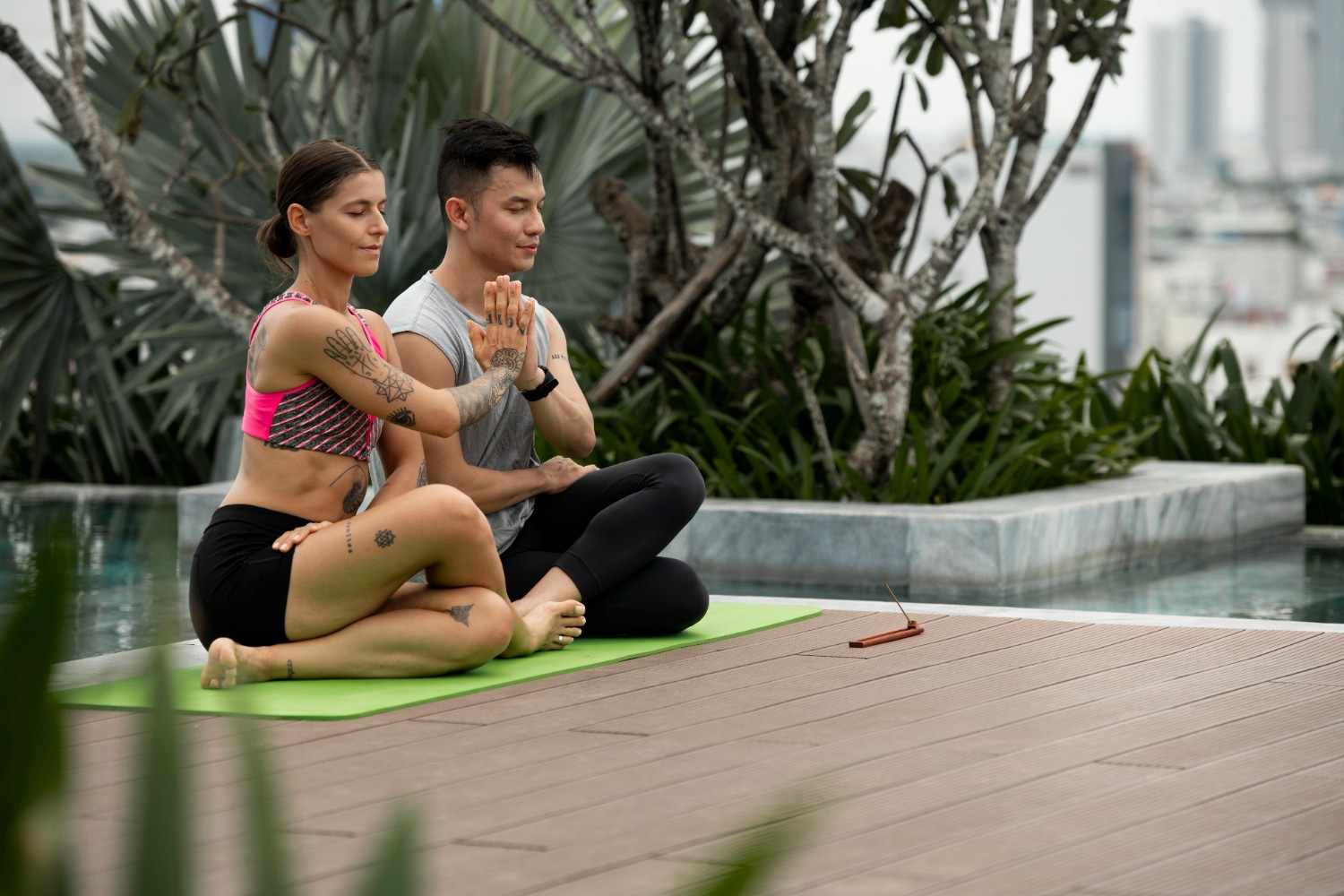
Panchakarma vs. Detox Retreats comes down to purpose and depth. While most detox retreats focus on short-term cleansing through fasting, wellness activities, or dietary changes, Panchakarma is a physician-guided Ayurvedic purification program that addresses the root cause of imbalances, restores digestive health, and supports long-term physical and mental well-being through personalised therapies.
When comparing Panchakarma vs. Detox Retreats, the biggest difference is that Panchakarma is a structured Ayurvedic healing process, while most detox retreats offer temporary wellness resets. At Sitaram Retreat, authentic Panchakarma is delivered under the guidance of experienced Ayurvedic physicians, combining classical therapies, personalised care, yoga, and therapeutic nutrition. Understanding these differences can help you choose a wellness journey that truly aligns with your health goals, and the answer may surprise you.
What Is a Detox Retreat?
Detox retreats have become increasingly popular among people looking to reset their lifestyle, improve energy levels, and take a break from the demands of daily life. These retreats typically combine healthy meals, fasting protocols, yoga, meditation, spa treatments, and fitness activities to encourage relaxation and healthy habits.
Modern detox programs are often designed to:
- Promote mindful eating
- Encourage hydration
- Reduce ayurvedic treatment for stress
- Support healthy lifestyle changes
- Provide a temporary sense of rejuvenation
For many people, these retreats can be a refreshing wellness experience. However, most follow standardised programs that are not customised to an individual’s unique constitution or health condition.
What Is Panchakarma?
What is panchakarma treatment is one of Ayurveda’s most respected purification and rejuvenation therapies. Rather than offering a one-size-fits-all cleanse, it follows a personalised approach based on an individual’s Prakriti (natural constitution), Vikriti (current imbalance), digestive strength, and overall health.
The word “Panchakarma” means “five actions,” referring to five classical cleansing procedures described in Ayurvedic texts. These panchakarma types are selected only after a detailed consultation with an Ayurvedic physician.
A complete Panchakarma program generally includes three carefully planned stages:
Preparation (Purvakarma)
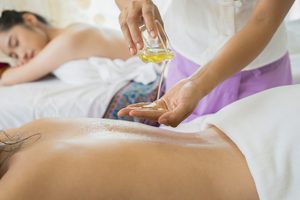
The body is gently prepared using internal and external oleation like abhyanga treatment ayurvedic oil massage, herbal therapies, and steam treatments to loosen accumulated impurities.
Main Cleansing (Pradhana Karma)
Depending on the individual’s condition, therapies such as Vamana, Virechana, Basti, or Nasya may be recommended to eliminate accumulated toxins and restore doshic balance.
Recovery (Paschat Karma)
The healing process continues with specialised diets, rejuvenation therapies, lifestyle recommendations, and gradual restoration of digestive strength.
Unlike many wellness programs, panchakarma in ayurveda is designed to support sustainable health rather than providing only short-term relief.
Panchakarma vs. Detox Retreats: Understanding the Difference
Although both approaches aim to improve well-being, Panchakarma vs. Detox Retreats reveals significant differences in philosophy, structure, and outcomes.
| Feature | Detox Retreat | Panchakarma |
| Goal | Lifestyle reset | Root-cause healing |
| Approach | General wellness | Personalised Ayurvedic care |
| Medical Supervision | Often limited | Physician-guided |
| Treatment | Standard programs | Individualised therapies |
| Duration | Few days | Tailored according to need |
| Diet | Healthy meals or fasting | Therapeutic Ayurvedic nutrition |
| Long-Term Focus | Lifestyle improvement | Restoring balance and resilience |
This comparison shows that while detox retreats may help people recharge, Panchakarma focuses on correcting underlying imbalances that contribute to recurring health concerns.
Why Panchakarma Goes Beyond Detox
One of the biggest misconceptions is that Panchakarma is simply another detox program. In reality, Ayurveda views health as a balance between the body’s energies, digestion, tissues, and mind.
Rather than only eliminating waste, Panchakarma seeks to:
- Balance Vata, Pitta, and Kapha
- Improve digestive fire (Agni)
- Remove accumulated Ama (metabolic toxins)
- Support healthy circulation
- Promote ayurvedic medicine for mental wellness
- Encourage better sleep
- Restore overall vitality
This holistic approach explains why discussions around Panchakarma vs. Detox Retreats often conclude that Panchakarma provides a deeper and more comprehensive wellness experience.
Who Should Choose a Detox Retreat?
A detox retreat may be suitable for individuals who want to:
- Take a break from a busy schedule
- Relax in a peaceful environment
- Improve eating habits
- Reduce stress
- Begin a healthier lifestyle
- Experience yoga and mindfulness practices
For those looking for a short wellness holiday, detox retreats can be an enjoyable introduction to healthier living.
Who Can Benefit from Panchakarma?
Panchakarma may be recommended for people seeking a more personalised wellness approach. Depending on an Ayurvedic physician’s assessment, it may support individuals experiencing:
- Digestive discomfort
- Persistent fatigue
- High stress levels
- Poor sleep quality
- Seasonal imbalances
- Joint stiffness
- Skin concerns
- Lifestyle-related health challenges
Because every individual is different, Panchakarma should always be planned under professional Ayurvedic guidance rather than following generic detox programs.
Why Medical Supervision Makes a Difference
An important distinction in Panchakarma vs. Detox Retreats is the level of professional supervision.
Authentic Panchakarma begins with a comprehensive consultation where an Ayurvedic physician evaluates your constitution, current imbalances, digestive capacity, lifestyle, and health goals. Based on this assessment, therapies, herbal formulations, diet, and daily routines are carefully customised.
This personalised approach not only improves safety but also helps ensure that treatments are appropriate for each individual rather than relying on fixed wellness packages.
Choosing the Right Wellness Journey
When deciding between Panchakarma vs. Detox Retreats, your personal goals matter most.
If you simply want to unwind, disconnect from daily stress, and adopt healthier habits, a detox retreat may be enough.
However, if you’re looking for a structured, physician-guided Ayurvedic program that focuses on restoring internal balance through classical therapies, Panchakarma offers a more comprehensive path to long-term wellness.
Consulting qualified Ayurvedic practitioners before beginning intensive therapies is always the safest way to determine what suits your individual needs.
Experience Authentic Panchakarma at Sitaram Retreat
Choosing an authentic Panchakarma centre is just as important as choosing the therapy itself. At Sitaram Retreat, every wellness journey begins with a detailed consultation by experienced Ayurvedic physicians who create a personalised treatment plan based on your constitution and health goals.
Drawing on more than a century of Ayurvedic heritage, Sitaram Retreat combines classical Panchakarma therapies with therapeutic nutrition, yoga, meditation, and lifestyle guidance in serene locations across Kerala and Goa. Whether your focus is preventive wellness, rejuvenation, or restoring balance, you’ll receive compassionate, evidence-informed Ayurvedic care in an environment designed for healing.
If you’re exploring the true difference between Panchakarma vs. Detox Retreats, let Sitaram Retreat help you discover which approach is right for your unique health journey. Book a consultation today and experience authentic Ayurveda the way it was meant to be practiced.
Frequently Asked Questions
Q1. What is the main difference between Panchakarma and a detox retreat?
Panchakarma is a personalised Ayurvedic purification program guided by qualified physicians, while most detox retreats focus on general wellness through diet, relaxation, and lifestyle practices.
Q2. How long does Panchakarma usually take?
The duration varies depending on an individual’s health and treatment goals, but many Panchakarma programs range from one to three weeks following an Ayurvedic consultation.
Q3. Can healthy individuals undergo Panchakarma?
Yes. Panchakarma is often recommended as part of preventive wellness and seasonal rejuvenation, provided it is planned and supervised by an experienced Ayurvedic physician.
Q4. Why is Panchakarma considered more comprehensive than a detox retreat?
Because it addresses digestive health, doshic balance, and personalised treatment rather than offering a standard cleansing program aimed primarily at short-term wellness.
Q5. Is Panchakarma safe for everyone?
Panchakarma should only be undertaken after an Ayurvedic assessment. A physician determines whether it is appropriate based on your constitution, health condition, and treatment objectives.
Q6. Will a detox retreat provide long-term health benefits?
A detox retreat can encourage healthier habits and stress reduction, but maintaining long-term benefits depends on ongoing lifestyle choices. Panchakarma is designed with a broader focus on restoring internal balance.
Q7. How do I choose an authentic Panchakarma retreat?
Look for centres where treatments are supervised by qualified Ayurvedic physicians, personalised after consultation, and based on classical Ayurvedic principles rather than standard wellness packages.
Q8. What should I expect during a Panchakarma program?
A typical program includes an initial consultation, preparation therapies, personalised cleansing procedures where appropriate, therapeutic diet, yoga, lifestyle guidance, and a carefully managed recovery phase to support lasting well-being.
TABLE OF CONTENTS
- What Is a Detox Retreat?
- What Is Panchakarma?
- Panchakarma vs. Detox Retreats: Understanding the Difference
- Why Panchakarma Goes Beyond Detox
- Who Should Choose a Detox Retreat?
- Who Can Benefit from Panchakarma?
- Why Medical Supervision Makes a Difference
- Choosing the Right Wellness Journey
- Experience Authentic Panchakarma at Sitaram Retreat
- Frequently Asked Questions