retreat@sitaramayurveda.com
 +91 813 8888 912

Upanaham Benefits: How This Ayurvedic Herbal Poultice Supports Joint Health

By Vignesh Devraj
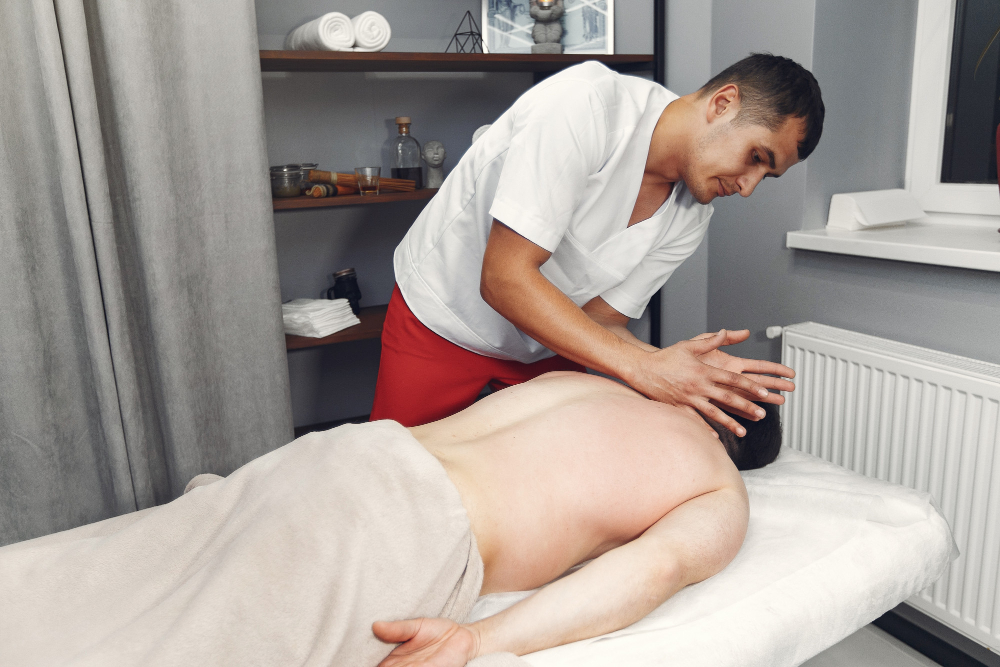
Upanaham benefits are traditionally associated with easing localised joint discomfort, stiffness, swelling and certain musculoskeletal complaints. This Ayurvedic therapy uses a condition-specific herbal paste, often combined with warm oil, and is applied to the affected area under professional supervision. Its suitability depends on individual assessment.
The upanaham benefits traditionally include support for joint comfort, stiffness and localised swelling through the application of a warm herbal poultice. In Ayurveda, the treatment is selected according to the person’s condition and applied locally. At Sitaram Retreat, Upanaham forms part of personalised Ayurvedic care. But how does this traditional therapy work, and what can you realistically expect?
Explore, ayurvedic treatment for anxiety for traditional approaches that support relaxation, calmness, and overall well-being.
What Is Upanaham Treatment in Ayurveda?
Upanaham is a traditional Ayurvedic therapy in which a specially prepared herbal paste is applied to a particular area of the body. The paste may be combined with suitable oils and is generally covered with leaves and cloth to retain warmth for a prescribed period.
Unlike a general body massage, Upanaham is a localised therapy. The herbs, oil, method of application and treatment duration can be selected according to the individual’s condition.
Sitaram Retreat describes Upanaham as an herbal poultice therapy traditionally used for concerns such as chronic joint pain, stiffness, swelling and certain degenerative conditions.
The treatment is best understood as part of a wider Ayurvedic approach rather than as a standalone solution for every type of pain.
Learn, what is panchakarma treatment to understand its traditional Ayurvedic approach to cleansing, balance, and rejuvenation.
Upanaham Benefits for Joint Health and Comfort
The traditional use of Upanaham centres on providing localised care to areas affected by discomfort, stiffness or swelling. The exact response can vary from person to person, depending on the underlying condition and the formulation used.
1. May Help Ease Joint Discomfort
One of the main reasons people consider Upanaham is persistent joint discomfort. The warm herbal application is traditionally used over affected areas to provide localised therapeutic support.
It may be considered for discomfort involving areas such as the knees, shoulders, back or other joints, depending on an Ayurvedic practitioner’s assessment.
2. May Help Relieve Joint Stiffness
Stiffness can make everyday movements uncomfortable, particularly after periods of inactivity. The warmth retained by the poultice is traditionally valued for its soothing effect on stiff areas.
As part of a personalised treatment plan, Upanaham may therefore be used when stiffness is an important part of a person’s musculoskeletal complaint.
3. May Support Management of Localised Swelling
Another traditional application is for localised swelling, including certain forms of chronic or hardened swelling.
The herbal paste is prepared according to the individual’s needs, rather than using one universal formulation for everyone. This is why professional assessment is important before undergoing the therapy.
4. May Support More Comfortable Movement
Pain and stiffness often affect how freely a joint can move. By addressing local discomfort and stiffness, Upanaham may help support more comfortable movement in appropriate cases.
However, improved mobility should not be presented as a guaranteed outcome. The underlying cause of restricted movement needs to be assessed first.
5. May Be Considered for Certain Degenerative Conditions
Ayurvedic practitioners may consider Upanaham as part of care for certain degenerative musculoskeletal conditions.
The therapy should not be regarded as a replacement for diagnosis or necessary medical treatment. Instead, its role should be determined as part of an individual’s overall care plan.
6. Provides Localised Therapeutic Care
A key characteristic of Upanaham is that it focuses on the affected region. Rather than applying a treatment uniformly across the body, the herbal preparation is placed where therapeutic support is required.
This makes it particularly relevant when the concern is concentrated around a specific joint or area.
Discover, panchakarma benefits and how this traditional Ayurvedic practice is associated with relaxation, balance, and overall wellness.
How Does Upanaham Work?
The traditional process combines herbal preparation, warmth, local application and controlled duration.
At Sitaram Retreat, the general procedure involves several stages:
- Warm oil is applied to the affected area.
- Gentle massage may be performed as part of the preparation.
- A specially prepared herbal paste is applied over the area.
- The application is covered using suitable leaves and cloth or bandaging.
- The poultice remains in place for a period determined by the practitioner.
- The covering and herbal preparation are removed after the prescribed duration.
The exact ingredients and preparation can differ according to the person’s condition. This individualised approach is an important part of traditional Ayurvedic practice.
Explore, abhyanga massage for traditional Ayurvedic oil massage that promotes relaxation and supports a sense of well-being.
What Ingredients Are Used in Upanaham?
There is no single universal Upanaham paste. Ayurvedic practitioners may select different herbs, oils and other ingredients according to the condition being addressed.
The formulation may be chosen with considerations such as:
- The location of the affected area
- Nature of the complaint
- Swelling or stiffness
- Pain characteristics
- Individual constitution
- Overall treatment plan
This is one reason homemade experimentation is not advisable. An herbal preparation that is appropriate for one person or condition may not be appropriate for another.
Discover, shirodhara massage to learn about this traditional Ayurvedic therapy and its relaxing, calming approach.
What Conditions May Benefit From Upanaham?
The upanaham benefits are traditionally associated with several localised musculoskeletal concerns. Depending on individual assessment, the therapy may be considered for:
- Chronic joint discomfort
- Joint stiffness
- Certain types of localised swelling
- Hardened swelling
- Selected degenerative conditions
- Musculoskeletal discomfort
- Areas affected by restricted movement
It is important to identify the cause of pain or swelling before choosing any treatment. Persistent or unexplained symptoms should be evaluated by an appropriately qualified healthcare professional.
Upanaham Procedure: What Happens During Treatment?
Understanding the procedure can make the therapy less unfamiliar for first-time visitors.
Before the Treatment
An Ayurvedic practitioner should assess your symptoms and overall condition before deciding whether Upanaham is appropriate. The practitioner can determine the suitable formulation, affected area and treatment duration.
During the Treatment
The affected area may first receive warm oil and gentle massage. The prepared herbal paste is then applied and covered to help maintain the desired warmth.
The paste is not simply applied according to a fixed recipe. The preparation and method may be adapted according to individual requirements.
After the Treatment
Once the prescribed application time has passed, the covering and paste are removed. Your practitioner may provide additional instructions depending on your treatment plan.
Upanaham may also be included within a broader Ayurvedic programme rather than being performed as an isolated therapy.
How Long Does Upanaham Treatment Take?
There is no single duration that applies to every Upanaham session. The time for which the herbal application remains in place can depend on the individual’s condition, the preparation used, and the practitioner’s recommendation.
It is also useful to distinguish between application time and total treatment duration. A single Upanaham application may form only one part of a longer Ayurvedic programme.
For this reason, treatment schedules should be determined after consultation rather than copied from another person’s experience.
Who May Consider Upanaham Therapy?
Upanaham may be considered by people experiencing certain chronic or localised musculoskeletal concerns, particularly when discomfort, stiffness or swelling is prominent.
However, suitability is individual.
A qualified practitioner should consider:
- The nature and duration of symptoms
- The affected body area
- Existing health concerns
- Physical condition
- Individual Ayurvedic assessment
- Whether another form of treatment or medical evaluation is more appropriate
Professional supervision also helps ensure that the herbal preparation, temperature and application period are appropriate.
Are There Any Precautions With Upanaham?
Although Upanaham is a traditional external Ayurvedic therapy, it should not automatically be assumed to be suitable for everyone.
Keep these points in mind:
- Do not apply unfamiliar herbal preparations to painful areas without professional guidance.
- Inform your practitioner about allergies or skin sensitivities.
- Unexplained or sudden swelling should receive appropriate medical evaluation.
- Severe, persistent or worsening pain should not be ignored.
- The temperature of the application should be carefully controlled.
- Treatment duration should follow professional recommendations.
- Upanaham should not replace essential medical diagnosis or treatment.
These precautions are particularly important because joint pain and swelling can have many different causes.
Upanaham vs Other Ayurvedic Therapies
Ayurveda offers several therapies that may be used for musculoskeletal concerns, but they are not interchangeable.
| Therapy | General Approach | Common Focus |
| Upanaham | Herbal poultice applied locally | Localised discomfort, stiffness and swelling |
| Lepam | Herbal paste application | Localised therapeutic care |
| Pichu | Oil-soaked material applied to an area | Localised oil therapy |
| Janu Vasthi | Warm oil retained around the knee | Knee-focused care |
| Abhyangam | Ayurvedic oil massage | Broader body care |
The most suitable therapy depends on the individual’s symptoms and Ayurvedic assessment. In some treatment programmes, therapies may also be combined.
Why Is Professional Supervision Important?
The effectiveness and suitability of an Ayurvedic therapy depend heavily on how it is selected and administered.
Upanaham is not simply a matter of mixing herbs and placing them over a painful joint. A practitioner needs to consider the person’s condition, the affected area, the preparation, temperature and application period.
At Sitaram Retreat, personalised Ayurvedic care is built around consultation and individual assessment. This approach allows therapies to be selected according to the person’s needs rather than following a one-size-fits-all routine.
For people exploring upanaham benefits, this distinction matters: the traditional therapy itself is only one part of the treatment process; appropriate assessment and professional application are equally important.
Experience Personalised Ayurvedic Care at Sitaram Retreat
The upanaham benefits are best explored within a properly assessed Ayurvedic treatment plan rather than as a standalone home remedy. At Sitaram Retreat, traditional therapies are incorporated into personalised programmes designed around the individual’s needs, condition, and overall wellbeing.
With its long Ayurvedic heritage and dedicated retreat settings, Sitaram Retreat offers an environment where traditional therapies can be experienced with professional guidance and a holistic approach to care.
If you are considering Upanaham for persistent joint discomfort, stiffness or localised swelling, begin with an appropriate consultation to understand whether the therapy suits your needs.
Explore Upanaham Therapy at Sitaram Retreat and discover a personalised Ayurvedic approach to your wellbeing.
Frequently Asked Questions
Q1. How is Upanaham treatment performed?
A warm herbal paste is applied to the affected area, usually after suitable preparation with oil and massage. The area is then covered with leaves and cloth for a prescribed period before the application is removed.
Q2. Can Upanaham help with joint pain?
Upanaham is traditionally used for certain types of chronic joint discomfort. Whether it is appropriate depends on the cause and nature of the pain and should be determined through professional assessment.
Q3. Is Upanaham suitable for joint stiffness?
It may be considered when joint stiffness is part of a suitable musculoskeletal complaint. The practitioner determines whether Upanaham is appropriate based on the individual’s condition.
Q4. Will Upanaham reduce swelling?
Upanaham is traditionally used for certain forms of localised and chronic swelling. However, unexplained or sudden swelling should be medically assessed before choosing an Ayurvedic therapy.
Q5. What is used in an Upanaham poultice?
Upanaham uses a specially prepared herbal paste, with ingredients and oils selected according to the individual’s condition. There is no single formulation suitable for everyone.
Q6. Why is the Upanaham paste covered?
Covering the herbal preparation helps maintain the warmth of the application for the prescribed duration. The exact method of covering can depend on the treatment and affected area.
Q7. Can Upanaham be done at home?
It is better performed under professional guidance because the ingredients, preparation, temperature, application time and suitability need to be assessed individually.
Q8. What are the main Upanaham benefits?
The main traditional benefits include support for joint comfort, stiffness, localised swelling and certain musculoskeletal complaints. Results and suitability can vary depending on the individual and underlying condition.
TABLE OF CONTENTS
- What Is Upanaham Treatment in Ayurveda?
- Upanaham Benefits for Joint Health and Comfort
- How Does Upanaham Work?
- What Ingredients Are Used in Upanaham?
- What Conditions May Benefit From Upanaham?
- Upanaham Procedure: What Happens During Treatment?
- How Long Does Upanaham Treatment Take?
- Who May Consider Upanaham Therapy?
- Are There Any Precautions With Upanaham?
- Upanaham vs Other Ayurvedic Therapies
- Why Is Professional Supervision Important?
- Experience Personalised Ayurvedic Care at Sitaram Retreat
- Frequently Asked Questions