retreat@sitaramayurveda.com
 +91 813 8888 912

Abhyanga Massage: The Healing Power of Ayurvedic Oil Therapy

By Vignesh Devraj
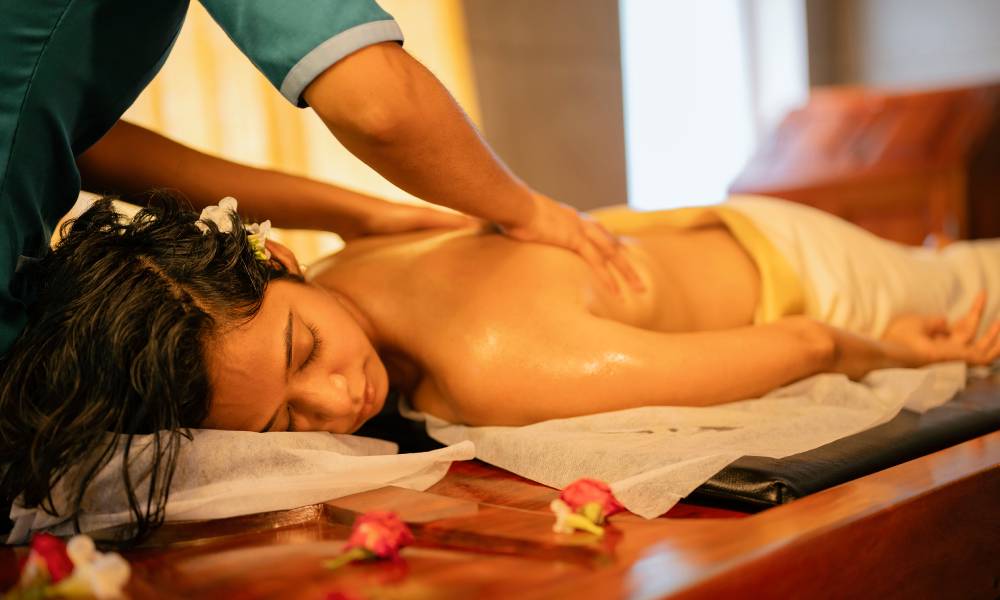
Abhyanga massage is a traditional Ayurvedic full-body oil therapy that uses warm herbal oils to nourish the skin, improve circulation, calm the nervous system, and balance the body’s doshas. Known as an important daily wellness practice in Ayurveda, Abhyanga supports relaxation, detoxification, joint health, and overall well-being. It is also widely used as a preparatory therapy in Panchakarma treatments.
Abhyanga massage is one of the most celebrated therapies in Ayurveda. At Sitaram Beach Retreat, this traditional treatment combines warm medicated oils, skilled therapeutic touch, and authentic Ayurvedic principles to promote deep relaxation and holistic wellness. As an integral part of abhyanga in Ayurveda, this therapy helps restore balance between the body, mind, and spirit.
What Is Abhyanga Massage?
In Ayurveda, touch is considered one of the most powerful healing modalities. Abhyangam is a therapeutic oil massage that involves the rhythmic application of warm herbal oils over the entire body using specialized massage techniques.
The Sanskrit word “Abhyanga” means “to massage the body with oil.” While many people think of it as a relaxation treatment, abhyangam therapy is much more than a conventional massage. It is a holistic Ayurvedic practice designed to support the body’s natural healing mechanisms, nourish tissues, improve circulation, and maintain balance among the three doshas—Vata, Pitta, and Kapha.
For thousands of years, Ayurvedic physicians have recommended abhyanga therapy as part of a healthy daily routine known as Dinacharya. Regular practice is believed to enhance vitality, support longevity, and help maintain optimal health throughout different stages of life.
The Importance of Abhyanga in Ayurveda
The significance of abhyanga in Ayurveda extends beyond physical relaxation. Ayurvedic philosophy views the human body as an interconnected system where the mind, body, and spirit influence one another. When this balance is disturbed, discomfort and disease may develop.
Abhyanga is considered one of Ayurveda’s most effective preventive therapies because it helps maintain harmony within the body before imbalances become more serious. The warm oils used during treatment not only nourish the skin but also help support muscles, joints, nerves, and deeper tissues.
According to Ayurvedic texts, regular Abhyanga may help:
- Support healthy aging
- Promote strength and stamina
- Improve flexibility and mobility
- Enhance skin health
- Encourage restful sleep
- Support mental clarity
- Maintain dosha balance
This is one reason why abhyangam in Ayurveda continues to be widely practiced in Ayurvedic wellness centers and Panchakarma programs today.
Read More: Discover another core healing touch ritual and its targeted restorative properties in our guide on Takradhara Treatment in Ayurveda & Its Benefits.
How Abhyanga Therapy Works
The effectiveness of abhyanga treatment comes from the combination of medicinal oils and therapeutic massage techniques.
According to Ayurveda, the skin serves as an important pathway through which herbal oils can nourish the body. During an abhyanga full body massage, warm oils are gently worked into the skin using synchronized and rhythmic strokes. These movements help stimulate circulation while encouraging relaxation and tissue nourishment.
The therapy originates from the Ayurvedic concept of Snehana, which refers to oleation or lubrication therapy.
Internal Snehana (Sneha Pana)
This involves consuming medicated oils or ghee under professional Ayurvedic supervision to prepare the body for cleansing therapies.
External Snehana (Abhyanga)
This involves applying medicated herbal oils externally through massage techniques. External Snehana helps soften tissues, improve circulation, and prepare the body for detoxification therapies.
As part of Panchakarma, abhyanga treatment is often used before purification procedures to help move accumulated toxins and imbalanced doshas from deeper tissues toward the digestive tract, where they can be eliminated more effectively.
Choosing the Right Oil for Your Dosha
The effectiveness of abhyanga massage depends greatly on selecting oils that suit an individual’s constitution or Prakriti.
For Vata Dosha
- Sesame Oil
- Bala Tailam
- Mahanarayana Tailam
- These oils provide warmth, nourishment, and grounding.
For Pitta Dosha
- Chandanadi Tailam
- Cooling oils help soothe excess heat and support emotional calmness.
For Kapha Dosha
- Marichadi Tailam
- Karpasasthyadi Tailam
- Sahacharadi Tailam
- These oils help stimulate circulation and promote lightness in the body.
Benefits of Abhyanga Massage
Regular abhyanga therapy offers a wide range of physical and mental wellness benefits.
- Deeply Nourishes the Skin: Warm herbal oils moisturize the skin and support a healthy natural glow.
- Supports Healthy Circulation: The rhythmic massage strokes encourage healthy blood flow and oxygen delivery throughout the body.
- Promotes Relaxation and Stress Relief: Abhyangam is known for calming the nervous system and supporting emotional well-being.
- Helps Support Detoxification: The therapy stimulates lymphatic circulation, helping the body’s natural cleansing processes.
- Improves Joint and Muscle Comfort: Regular sessions may help ease stiffness and promote flexibility.
- Encourages Restful Sleep: Many individuals experience deeper relaxation and improved sleep quality after treatment.
- Supports Dosha Balance: One of the primary goals of abhyanga in Ayurveda is maintaining harmony among Vata, Pitta, and Kapha.
- Enhances Overall Well-Being: The combination of therapeutic oils and mindful touch promotes a sense of rejuvenation and vitality.
The 7 Positions of Abhyanga
A traditional abhyanga full body massage follows a systematic sequence to ensure complete coverage of the body. These are commonly referred to as the abhyanga 7 positions.
- Sitting Position: Massage begins with the head, scalp, neck, and face.
- Supine Position: The front of the body, including the chest, abdomen, arms, and legs, is massaged.
- Left Lateral Position: Focus shifts to the left side of the body.
- Prone Position: The back, shoulders, spine, and back of the legs are treated.
- Right Lateral Position: The right side receives the same therapeutic attention.
- Supine Position (Repeat): Additional oil application and balancing strokes are performed.
- Sitting Position (Repeat): The therapy concludes with calming strokes around the head, neck, and shoulders.
Many people search for the 27 position of abhyanga, but classical Ayurvedic practice generally follows the recognized abhyanga 7 positions sequence to ensure balanced treatment and optimal oil absorption.
Who Should Consider Abhyanga Treatment?
Abhyanga treatment may be suitable for individuals seeking:
- Stress management
- Relaxation and rejuvenation
- Improved sleep quality
- Better skin nourishment
- Enhanced circulation
- Joint and muscle comfort
- Preventive Ayurvedic wellness care
- Panchakarma preparation
An Ayurvedic consultation helps determine the most suitable oil and treatment approach based on individual needs.
Experience Authentic Abhyangam Therapy at Sitaram Beach Retreat
At Sitaram Beach Retreat, abhyanga massage is performed by experienced Ayurvedic therapists using carefully selected medicated oils and traditional techniques. Set amidst Kerala’s serene coastal environment, our retreat offers an ideal space to experience the restorative benefits of authentic abhyangam therapy.
Whether you are seeking relaxation, rejuvenation, or a deeper Ayurvedic wellness experience, Abhyanga remains one of the most effective and nurturing therapies in Ayurveda.
Frequently Asked Questions (FAQs)
Q1. What is Abhyanga Massage? Abhyanga massage is a traditional Ayurvedic oil massage that uses warm herbal oils and rhythmic strokes to promote relaxation, nourishment, and dosha balance.
Q2. What is the difference between Abhyanga and Abhyangam? There is no significant difference. Abhyanga and Abhyangam refer to the same Ayurvedic oil massage therapy.
Q3. How does Abhyanga therapy work? Abhyanga therapy works by applying warm medicated oils to the body, helping nourish tissues, improve circulation, and support overall well-being.
Q4. How often should I get an Abhyanga massage? The frequency depends on individual health goals and Ayurvedic recommendations. Many people benefit from regular weekly or monthly sessions.
Q5. Can Abhyanga help reduce stress? Yes. Abhyanga is widely known for its calming effects on the nervous system and its ability to promote relaxation and emotional balance.
Q6. Can Abhyanga be part of Panchakarma? Yes. Abhyanga is commonly used as a preparatory therapy before Panchakarma cleansing procedures.
Q7. Is Abhyanga a full-body massage? Yes. An abhyanga full body massage typically covers the entire body from the scalp to the soles of the feet using medicated oils.
Q8. Why are different oils used in Abhyanga? Ayurveda selects oils based on an individual’s dosha constitution to maximize therapeutic benefits and support balance within the body.
“`html “`TABLE OF CONTENTS
- What Is Abhyanga Massage?
- The Importance of Abhyanga in Ayurveda
- How Abhyanga Therapy Works
- Choosing the Right Oil for Your Dosha
- Benefits of Abhyanga Massage
- The 7 Positions of Abhyanga
- Who Should Consider Abhyanga Treatment?
- Experience Authentic Abhyangam Therapy at Sitaram Beach Retreat
- Frequently Asked Questions (FAQs)