retreat@sitaramayurveda.com
 +91 813 8888 912

Udwarthanam Meaning: Benefits, Procedure and Uses of This Traditional Ayurvedic Massage

By Vignesh Devraj
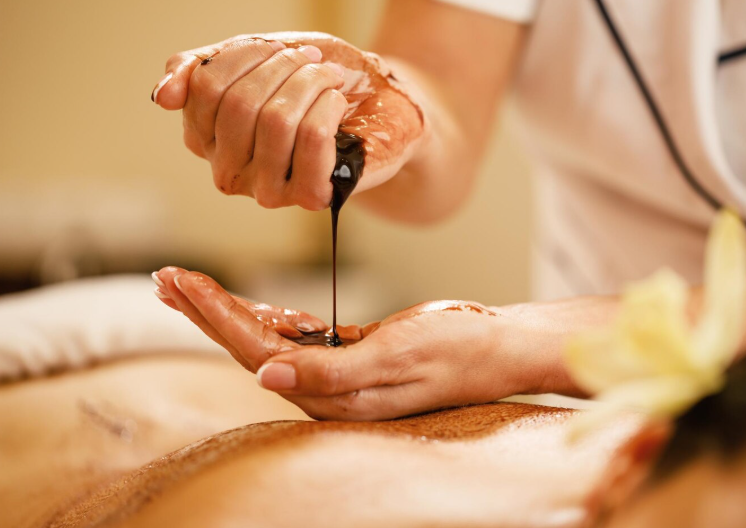
Udwarthanam meaning refers to a traditional Ayurvedic massage performed using medicated herbal powders applied with firm, upward strokes. Also known as Ayurvedic dry powder massage, this therapy is traditionally used to manage excess Kapha, exfoliate the skin, support circulation, and promote a feeling of lightness as part of a personalised wellness programme. You can also explore the Udwarthanam therapy offered at Sitaram Retreat.
Udwarthanam meaning goes beyond a traditional powder massage. Rooted in Ayurveda, this therapy combines herbal formulations with specific massage techniques to support physical well-being. At Sitaram Retreat, Udwarthanam is approached through personalised Ayurvedic care, where treatment choices reflect individual needs, body constitution, and health goals. Understanding its principles is the first step towards exploring this traditional therapy.
What Is the Meaning of Udwarthanam in Ayurveda?
The word Udwarthanam (also written as Udvarthanam or Udvartana) refers to an Ayurvedic massage technique involving the application of herbal powders through firm, upward strokes. It is traditionally associated with stimulating the skin, managing excess Kapha dosha and supporting the body’s natural balance.
Unlike conventional oil massages, which generally involve the application of oils and flowing massage movements, this therapy primarily uses medicated herbal powders. The friction created during the massage helps exfoliate dead skin cells and leaves the skin feeling refreshed.
In Ayurveda, Udwarthanam is commonly incorporated into wellness and treatment programmes, particularly where Kapha-related concerns and feelings of heaviness are addressed.
What Are the Different Types of Udwarthanam?
Ayurveda describes different approaches to this therapy depending on the ingredients used and the individual’s requirements.
1. Ruksha Udwarthanam (Dry Powder Massage)
Ruksha Udwarthanam uses dry herbal powders applied directly to the body. The therapist uses firm, upward strokes to create friction across the skin.
This approach is traditionally associated with managing excess Kapha and addressing qualities such as heaviness and excess oiliness.
2. Snigdha Udwarthanam (Oily Powder Massage)
Snigdha Udwarthanam involves combining herbal powders with suitable oils or other prescribed ingredients. This creates a different texture and application method compared with dry powder massage.
The choice between these approaches depends on an individual’s body constitution, skin condition and therapeutic requirements. An Ayurvedic physician determines which technique is appropriate.
What Are the Benefits of Udwarthanam?
The traditional benefits of this therapy relate to skin care, Kapha management, and overall physical wellness. Its effects depend on the ingredients, massage technique, and individual suitability. For a detailed look, read our guide on the benefits of Udwarthanam.
1. Supports Traditional Kapha Management
In Ayurveda, excess Kapha is associated with heaviness, sluggishness, and excessive oiliness. Udwarthanam is traditionally used to address these qualities through stimulating massage movements and herbal powders.
2. Helps Exfoliate the Skin
The friction produced by herbal powder massage helps loosen and remove surface dead skin cells. This can leave the skin feeling smoother and cleaner.
3. Supports Blood Circulation
The massage involves repetitive, firm movements across different body areas. These movements provide physical stimulation and may temporarily increase local blood flow.
4. Supports Healthy Weight Management
Udwarthanam has a traditional place in Ayurvedic weight-management programmes. It is often considered alongside dietary guidance, physical activity, and other personalised therapies.
However, massage alone does not guarantee weight loss or reduce body fat. Another traditional therapy often discussed in this context is Dhanyamla Dhara for weight loss.
5. Helps Reduce the Feeling of Body Heaviness
One of its traditional applications is addressing the feeling of heaviness associated with aggravated Kapha. The stimulating nature of the massage may also leave individuals feeling refreshed.
6. Promotes Skin Health
Herbal powder massage provides mechanical exfoliation, helping remove surface impurities and dead skin cells. The choice of herbs should depend on individual skin sensitivity.
How Is Udwarthanam Performed? Understanding the Procedure
A traditional Ayurvedic powder massage follows a systematic process. The exact technique, herbal formulation, and treatment duration depend on the physician’s assessment.
Step 1: Ayurvedic Consultation
Before treatment, an Ayurvedic physician evaluates the individual’s Prakriti (body constitution), health history, and treatment requirements. This helps determine whether the therapy is suitable.
Step 2: Preparation of Herbal Powders
The therapist prepares the prescribed herbal formulation. Different powders may be selected depending on the intended therapeutic approach.
Step 3: Application of Herbal Powder
The herbal powder is applied systematically over the body. The quantity and formulation depend on the individual’s needs and the treatment protocol.
Step 4: Upward Massage Strokes
The therapist uses firm, repetitive upward strokes across different body areas. The massage generally follows a structured sequence and involves changing body positions to ensure appropriate application.
Step 5: Post-Treatment Care
After the massage, the remaining powder is removed according to the treatment protocol. Bathing, rest, and other aftercare recommendations are provided by the therapist.
At Sitaram Retreat, treatment planning considers the individual’s constitution and wellness requirements rather than following an identical approach for everyone.
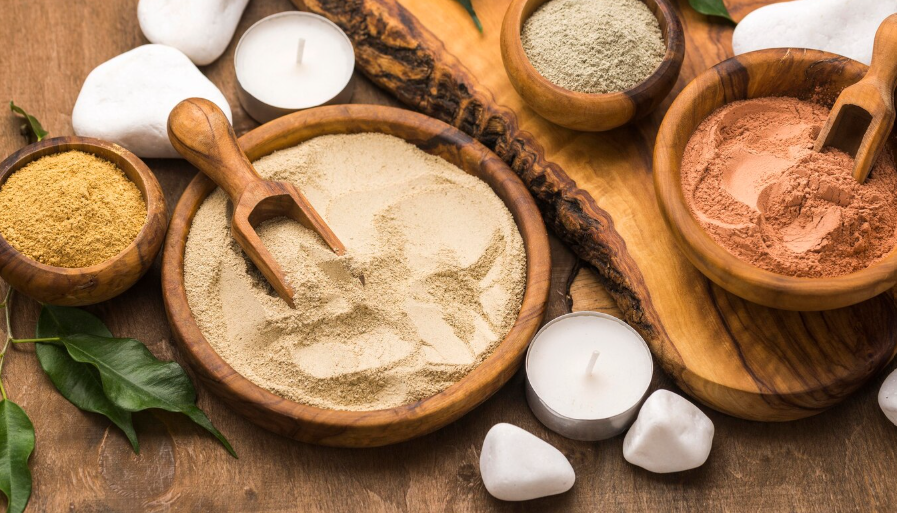
Which Herbal Powders Are Used in Udwarthanam?
Herbal formulations play an important role in this Ayurvedic treatment. The ingredients are selected according to the individual’s constitution and therapeutic objectives.
Commonly used Ayurvedic ingredients and formulations may include:
- Triphala: A traditional combination of three fruits used in several Ayurvedic preparations.
- Horse gram: Traditionally used in certain Ayurvedic formulations associated with Kapha management.
- Turmeric: Valued in Ayurveda for its traditional skin-care and wellness applications.
- Dried ginger: Traditionally associated with warming qualities and Kapha management.
Not every formulation contains all these ingredients. The selection depends on the prescribed treatment, skin sensitivity, and individual requirements.
Who Can Benefit from Udwarthanam Therapy?
Udwarthanam may be recommended as part of a personalised Ayurvedic programme for individuals whose health requirements align with its traditional applications.
It may be considered for:
- Individuals experiencing a feeling of heaviness or sluggishness.
- People interested in traditional Ayurvedic body-care practices.
- Individuals seeking skin exfoliation through herbal massage.
- People undergoing supervised Ayurvedic weight-management programmes.
- Individuals whose Ayurvedic practitioner recommends Kapha-balancing therapies.
However, suitability should always be assessed by a qualified practitioner. It is not a substitute for medical treatment or a guaranteed solution for weight-related or mobility concerns.
Who Should Avoid Udwarthanam? Precautions to Know
Although this therapy is traditionally used in Ayurvedic wellness programmes, it may not be appropriate for everyone.
Professional assessment is particularly important for people with:
- Open wounds, skin infections, or active skin irritation.
- Sensitive skin or known allergies to herbal ingredients.
- Acute inflammation or unexplained body pain.
- Certain circulatory or medical conditions.
- Pregnancy or other health circumstances requiring additional precautions.
The vigorous nature of dry powder massage can irritate sensitive or damaged skin. Always disclose existing health conditions and medications before beginning treatment.
Udwarthanam vs Abhyanga: What Is the Difference?
Both are traditional Ayurvedic massage therapies, but their application methods and purposes differ.
Udwarthanam primarily uses herbal powders and firm upward strokes. It is traditionally associated with Kapha management, exfoliation, and addressing feelings of heaviness.
Abhyanga uses warm, medicated oils applied through systematic massage movements. It is traditionally associated with nourishment, relaxation, and Vata management. To learn more, read about Abhyanga, the Ayurvedic oil massage.
The appropriate treatment depends on individual constitution, health status, and therapeutic goals. An Ayurvedic physician can recommend the most suitable approach.
Experience Traditional Udwarthanam Therapy at Sitaram Retreat
Understanding Udwarthanam meaning is only the beginning of exploring this traditional Ayurvedic therapy. Its application requires an understanding of individual body constitution, suitable herbal formulations and appropriate massage techniques.
At Sitaram Retreat, Ayurveda is approached as a personalised system of care rather than a collection of isolated treatments. With a legacy dating back to 1921, Sitaram combines traditional Ayurvedic knowledge with physician-guided wellness programmes.
Whether you choose the Beach Retreat in Thalikulam, Thrissur, or the Mountain Retreat in Munnar, the focus remains on individual assessment and thoughtfully planned care.
If you are considering Udwarthanam, consult the Ayurvedic team to understand whether this therapy aligns with your health requirements and wellness goals.
Explore Udwarthanam Therapy at Sitaram Retreat and take the next step towards a personalised Ayurvedic wellness experience.
Frequently Asked Questions
Q1. How Is Udwarthanam Different from Regular Massage?
Udwarthanam uses medicated herbal powders and firm upward strokes, whereas regular oil massage generally involves oils and flowing movements. Its traditional purpose and application technique are different.
Q2. Can Udwarthanam Help with Weight Management?
It is traditionally included in Ayurvedic weight-management programmes. However, it should be combined with appropriate dietary and lifestyle guidance rather than considered a standalone weight-loss treatment.
Q3. Is Udwarthanam a Dry Powder Massage?
Yes. Ruksha Udwarthanam is the dry powder form of this Ayurvedic therapy. Another variation, Snigdha Udwarthanam, uses herbal powders combined with suitable oils or other ingredients.
Q4. Will Udwarthanam Improve Skin Texture?
The friction created by herbal powder massage helps exfoliate surface dead skin cells, which may leave the skin feeling smoother. Results depend on skin condition, ingredients and technique.
Q5. What Is the Udwarthanam Meaning in Ayurveda?
Udwarthanam refers to an Ayurvedic massage performed with herbal powders using upward strokes. It is traditionally associated with Kapha management, skin exfoliation and physical stimulation.
Q6. Why Is Udwarthanam Performed in Ayurveda?
It is traditionally performed to address excess Kapha, support skin cleansing and promote a feeling of lightness. Its application depends on individual health requirements.
Q7. Can Everyone Undergo Udwarthanam Therapy?
No. People with sensitive or damaged skin, certain medical conditions, infections or other health concerns may need to avoid it. A qualified Ayurvedic physician should assess suitability.
Q8. What Is the Difference Between Ruksha and Snigdha Udwarthanam?
Ruksha Udwarthanam uses dry herbal powders, while Snigdha Udwarthanam combines herbal powders with suitable oils or other ingredients. The choice depends on individual needs and practitioner recommendations.
TABLE OF CONTENTS
- What Is the Meaning of Udwarthanam in Ayurveda?
- What Are the Different Types of Udwarthanam?
- What Are the Benefits of Udwarthanam?
- How Is Udwarthanam Performed? Understanding the Procedure
- Which Herbal Powders Are Used in Udwarthanam?
- Who Can Benefit from Udwarthanam Therapy?
- Who Should Avoid Udwarthanam? Precautions to Know
- Udwarthanam vs Abhyanga: What Is the Difference?
- Experience Traditional Udwarthanam Therapy at Sitaram Retreat
- Frequently Asked Questions