retreat@sitaramayurveda.com
 +91 813 8888 912

Udwarthanam Powder Ingredients: Ayurvedic Herbs, Benefits and Uses

By Vignesh Devraj
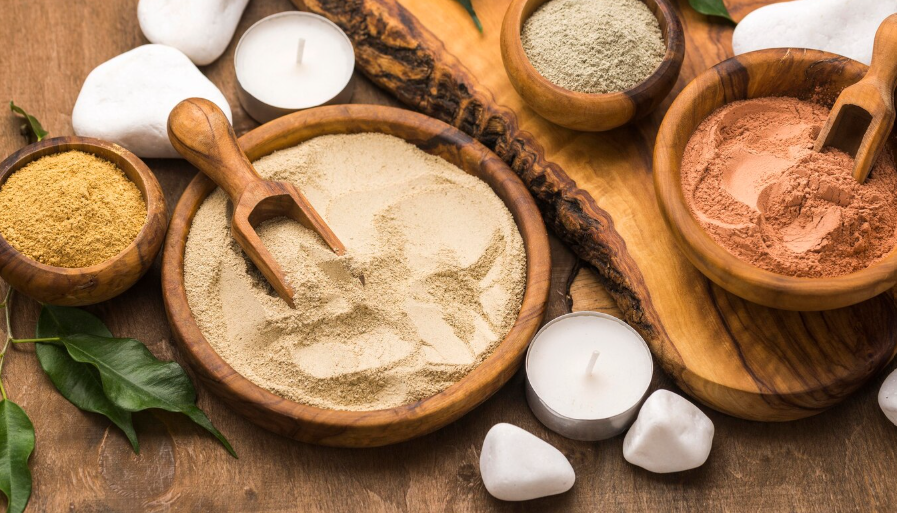
Udwarthanam powder ingredients commonly include horse gram, Triphala, turmeric, barley and ginger. These herbal ingredients are used in different Ayurvedic formulations for dry powder massage. Their selection depends on the treatment approach, individual skin sensitivity and Ayurvedic assessment. Not every formulation contains the same herbs. To know more about the treatment itself, explore the Udwarthanam therapy at Sitaram Retreat.
Udwarthanam is a traditional Ayurvedic dry powder massage that uses herbal blends and firm upward strokes. At Sitaram Retreat, this therapy forms part of a holistic approach to Ayurvedic wellness. Understanding the herbs, their traditional properties and how they are selected helps you appreciate why the right formulation matters. So, what goes into this distinctive Ayurvedic treatment?
What Is Udwarthanam Powder in Ayurveda?
Udwarthanam is a traditional Ayurvedic massage in which herbal powders are rubbed over the body using upward strokes. Unlike Abhyanga, which primarily uses medicated oils, this treatment generally uses dry or specially prepared herbal powders.
The word Udwarthanam refers to an upward movement, reflecting the direction of the massage strokes. Ayurveda traditionally associates this therapy with Kapha management and the reduction of excess heaviness in the body.
The powders have a slightly coarse texture that creates friction during massage. This helps exfoliate the skin’s surface while stimulating the treated areas.
The formulation is an important part of the treatment. Different herbs have different textures and traditional properties, so an Ayurvedic practitioner considers individual requirements before selecting a suitable blend. You can also read what Udwarthanam massage involves from start to finish.
What Are the Main Udwarthanam Powder Ingredients?
The composition of Udwarthanam herbal powder varies depending on the Ayurvedic formulation and treatment purpose. Some commonly used ingredients include:
1. Horse Gram (Kulatha)
Horse gram is a traditional ingredient in several Ayurvedic preparations. Its powdered form provides a slightly coarse texture, making it suitable for certain dry massage formulations.
In Ayurveda, horse gram is associated with Kapha-balancing properties. It is traditionally used in preparations intended to address excess heaviness and support a feeling of lightness.
2. Triphala
Triphala is a classical Ayurvedic herbal combination made from three fruits:
- Amalaki: Also known as Indian gooseberry.
- Haritaki: Traditionally valued for digestive and cleansing properties.
- Bibhitaki: Used in various Ayurvedic formulations.
Triphala is widely recognised in Ayurveda for its traditional cleansing properties. When included in selected herbal powder preparations, it contributes to the overall formulation.
3. Turmeric (Haridra)
Turmeric is a familiar Ayurvedic herb used in traditional skin care and herbal preparations. It contains curcumin, a naturally occurring compound studied for its antioxidant and anti-inflammatory properties.
In Udwarthanam formulations, turmeric may be included for its traditional skin-care applications. Its suitability depends on the formulation and individual skin sensitivity.
4. Barley (Yava)
Barley is known as Yava in Ayurveda and is traditionally associated with Kapha-balancing dietary and therapeutic approaches.
Its powdered form can contribute texture to herbal massage preparations. Barley-based formulations are traditionally used in certain treatments intended to address heaviness and support skin cleansing.
5. Ginger (Shunthi)
Dried ginger, known as Shunthi, is valued in Ayurveda for its warming properties.
It may be included in selected herbal blends because of its traditional association with Kapha management. However, warming ingredients may not suit every individual, particularly those with sensitive or irritated skin.
6. Other Herbal Ingredients
Depending on the formulation, other plant-based ingredients may also be used, including selected aromatic herbs and medicinal powders.
The exact composition is not universal. An Ayurvedic practitioner considers the individual’s constitution, skin condition and treatment requirements before recommending a preparation.
Which Ayurvedic Herbal Formulations Are Used for Udwarthanam?
Apart from individual herbs, Ayurveda uses prepared herbal combinations for different therapeutic applications. One recognised formulation is Kolakulathadi Churnam, a traditional herbal powder used in Ayurvedic external therapies.
The formulation contains a combination of medicinal plants selected for their traditional therapeutic properties. Its ingredients and preparation make it distinct from simple single-herb powders.
Other preparations may include Triphala-based blends or powders containing ingredients such as horse gram and barley.
The choice of formulation depends on:
- The individual’s Ayurvedic constitution (Prakriti).
- The treatment objective.
- Skin type and sensitivity.
- The practitioner’s assessment.
- The nature of the herbal preparation.
There is no single universal recipe for Udwarthanam. A professionally selected formulation is more appropriate than using a random combination of herbs.
How Do Udwarthanam Powder Ingredients Work During Massage?
The effectiveness of an Ayurvedic powder massage depends on the combination of herbal ingredients and the physical technique used during treatment.
Here is how the different elements contribute:
- Physical exfoliation: The texture of herbal powders creates gentle friction, helping remove dead skin cells from the skin’s surface.
- Traditional Kapha management: Dry and warming formulations are traditionally associated with balancing excess Kapha according to Ayurvedic principles.
- Skin stimulation: Upward massage strokes stimulate the treated areas and create a warming sensation.
- Herbal properties: Individual herbs contribute different traditional properties to the formulation.
It is important to distinguish traditional Ayurvedic explanations from clinically established outcomes. The massage itself provides physical stimulation, while claims about detoxification and fat reduction require more scientific evidence.
What Are the Traditional Benefits of Udwarthanam Herbal Powder?
Udwarthanam is traditionally included in Ayurvedic wellness programmes for several purposes. Its benefits depend on the formulation, massage technique and individual suitability.
Some commonly associated benefits include:
- Skin exfoliation: Helps remove surface dead skin cells and improve the feel of the skin.
- Skin cleansing: The friction created during massage supports the removal of surface impurities.
- Kapha management: Traditionally used in Ayurvedic approaches to excess Kapha and bodily heaviness.
- Body stimulation: Massage movements stimulate the treated areas and create a feeling of warmth.
- Weight-management support: Included in some Ayurvedic wellness programmes alongside dietary and lifestyle guidance.
- Joint and body movement: Massage may support relaxation and ease the sensation of muscular stiffness.
Although Udwarthanam is traditionally associated with reducing excess body fat and cellulite, massage alone is not an established treatment for weight loss. It should be considered part of a broader wellness approach. Another therapy often discussed for this goal is Dhanyamla Dhara for weight loss.
What Is the Difference Between Ruksha and Snigdha Udwarthanam?
Ayurvedic powder massage can be performed using different approaches depending on the preparation and treatment requirements.
Ruksha Udwarthanam (Dry Powder Massage)
- Uses dry herbal powders.
- Creates friction through massage movements.
- Traditionally associated with Kapha-balancing treatments.
- May be unsuitable for excessively dry or sensitive skin.
Snigdha Udwarthanam (Oily Powder Massage)
- Uses herbal powders combined with a suitable oily medium.
- Creates a different texture during application.
- Offers a less dry approach than conventional powder massage.
- Is selected according to individual treatment requirements.
An Ayurvedic practitioner determines which approach is appropriate after considering the person’s constitution and skin condition.
How Is Udwarthanam Powder Used During the Treatment?
Udwarthanam is performed through a structured massage process. The practitioner selects an appropriate herbal formulation and applies it using specific movements.
The general procedure involves:
- Initial consultation: The practitioner assesses the individual’s health, Ayurvedic constitution and treatment suitability.
- Powder selection: A suitable herbal formulation is chosen according to individual requirements.
- Preparation: The treatment area is prepared before the massage begins.
- Powder application: Herbal powder is applied to the body.
- Upward massage strokes: The practitioner massages the body using firm, rhythmic movements in an upward direction.
- Post-treatment care: Excess powder is removed, followed by appropriate cleansing and aftercare.
At Sitaram Retreat, Udwarthanam is offered as part of its traditional Ayurvedic therapy approach. Treatment details and suitability can be discussed with the Ayurvedic team.
How Are Udwarthanam Powder Ingredients Selected for Different Body Types?
Ayurveda considers individual constitution when selecting herbs and therapies. This means the same herbal formulation may not be suitable for everyone.
A practitioner may consider:
- Vata constitution: Dryness and sensitivity may influence the choice of powder and massage technique.
- Pitta constitution: Skin sensitivity and heat-related discomfort may require particular attention.
- Kapha constitution: Dry herbal preparations are traditionally considered in certain Kapha-oriented treatments.
Skin type, allergies, existing health conditions and treatment goals also influence the decision.
This individual assessment helps avoid unnecessary irritation and ensures that the treatment approach is appropriate for the person.
Can You Make Udwarthanam Powder at Home?
Individual herbal powders such as turmeric, barley and horse gram are readily available, but preparing a suitable Udwarthanam blend requires more than mixing ingredients.
The quality, cleanliness, particle size and proportions of the herbs all matter. Some ingredients may cause irritation, especially when applied with vigorous friction.
A homemade mixture may also lack the appropriate formulation for an individual’s skin type or Ayurvedic constitution.
Professional guidance is therefore preferable, particularly for first-time users.
Are There Any Side Effects of Udwarthanam Powder?
Although Udwarthanam is a traditional Ayurvedic therapy, it may not be suitable for everyone.
Possible concerns include:
- Temporary redness caused by friction.
- Skin dryness or irritation.
- Allergic reactions to particular herbs.
- Discomfort from vigorous massage.
- Increased irritation on damaged or inflamed skin.
People with sensitive skin, active skin conditions, allergies or underlying medical concerns should seek professional advice before treatment. Pregnancy and other specific health circumstances also require individual assessment.
Why Choose Sitaram Retreat for Udwarthanam Therapy?
Understanding Udwarthanam powder ingredients is only one part of experiencing this traditional Ayurvedic treatment. The selection of herbs, preparation and massage technique are equally important.
At Sitaram Retreat, Ayurveda is approached as a holistic system of well-being. The retreat offers traditional Ayurvedic therapies in its healing environments in Thrissur and Munnar.
With an emphasis on Ayurvedic consultation and individual treatment requirements, Sitaram Retreat provides an opportunity to explore traditional therapies in a dedicated retreat setting.
If you are considering herbal powder massage, understanding your needs and choosing appropriate professional guidance are important first steps.
Explore Udwarthanam Therapy at Sitaram Retreat to learn more about the treatment and begin your Ayurvedic wellness journey.
Frequently Asked Questions
Q1. How is Udwarthanam powder applied?
Udwarthanam powder is applied to the body and massaged using firm, rhythmic upward strokes. The treatment generally uses dry herbal powders, although some formulations include an oily medium.
Q2. Can Udwarthanam powder help with weight loss?
Udwarthanam is traditionally included in Ayurvedic weight-management programmes. However, massage alone is not proven to cause significant or sustained weight loss. Diet, physical activity and overall lifestyle remain important.
Q3. Is Udwarthanam powder suitable for sensitive skin?
Not every formulation suits sensitive skin. Some herbs and vigorous massage movements may cause irritation or dryness. A qualified practitioner should assess skin sensitivity before recommending treatment.
Q4. Will Udwarthanam remove dead skin cells?
Yes. The physical friction created by herbal powder massage can help exfoliate surface dead skin cells. However, the intensity should be adjusted to avoid excessive irritation.
Q5. What are the main Udwarthanam powder ingredients?
Common ingredients include horse gram, Triphala, turmeric, barley and dried ginger. The exact composition varies according to the Ayurvedic formulation and treatment requirements.
Q6. Why is horse gram used in Udwarthanam powder?
Horse gram is traditionally valued for its Kapha-balancing properties in Ayurveda. Its powdered texture also makes it suitable for selected dry herbal massage preparations.
Q7. What is the difference between Udwarthanam and Abhyanga?
Udwarthanam primarily uses herbal powders and upward massage strokes, whereas Abhyanga uses medicated oils applied through massage. Both are traditional Ayurvedic therapies with different methods and applications. To learn more about the oil-based therapy, read about Abhyanga, the Ayurvedic oil massage.
Q8. How often should Udwarthanam be performed?
The recommended frequency depends on individual health, skin condition, treatment goals and practitioner assessment. There is no universal schedule suitable for everyone.
TABLE OF CONTENTS
- What Is Udwarthanam Powder in Ayurveda?
- What Are the Main Udwarthanam Powder Ingredients?
- Which Ayurvedic Herbal Formulations Are Used for Udwarthanam?
- How Do Udwarthanam Powder Ingredients Work During Massage?
- What Are the Traditional Benefits of Udwarthanam Herbal Powder?
- What Is the Difference Between Ruksha and Snigdha Udwarthanam?
- How Is Udwarthanam Powder Used During the Treatment?
- How Are Udwarthanam Powder Ingredients Selected for Different Body Types?
- Can You Make Udwarthanam Powder at Home?
- Are There Any Side Effects of Udwarthanam Powder?
- Why Choose Sitaram Retreat for Udwarthanam Therapy?
- Frequently Asked Questions