retreat@sitaramayurveda.com
 +91 813 8888 912

Udwarthanam Massage: Benefits, Procedure, Udwarthanam Powder Massage & What to Expect

By Vignesh Devraj
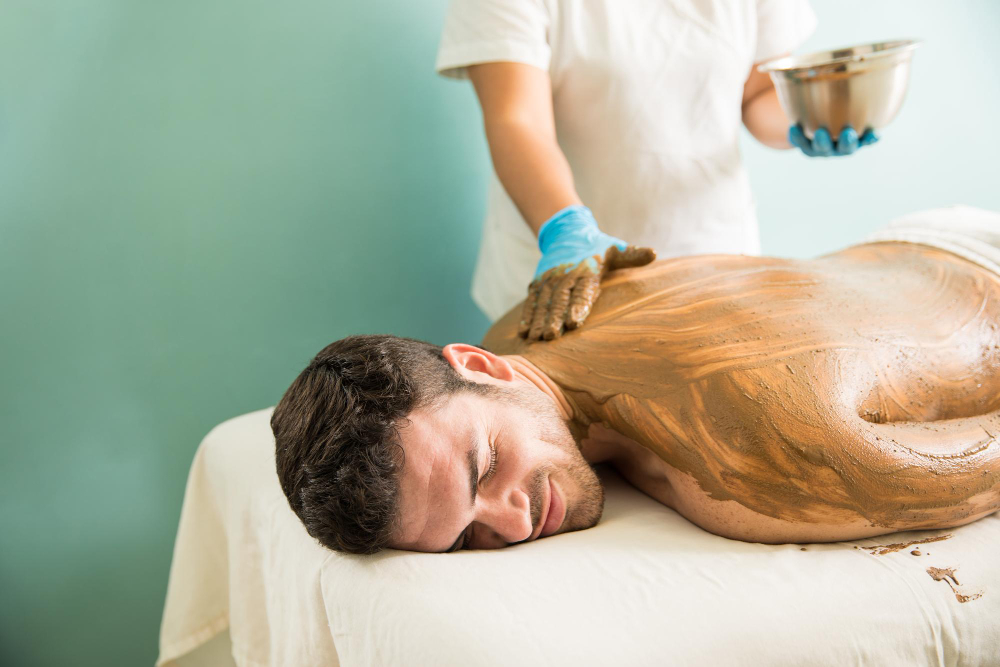
Udwarthanam massage is a traditional Ayurvedic dry powder therapy in which medicated herbal powder is applied and rubbed over the body, generally using upward strokes. It is traditionally used for skin cleansing, supporting circulation, managing excess Kapha, and addressing concerns related to subcutaneous fat and body heaviness.
Udwarthanam massage is a traditional Ayurvedic therapy performed with medicated herbal powder rather than oil. The powder is vigorously applied using upward strokes and may be included in personalised wellness or weight-management programmes. At Sitaram Retreat, it forms part of a broader Ayurvedic approach guided by individual needs. But what actually happens during this therapy, and what can you realistically expect?
What Is Udwarthanam Massage?
Udwarthanam is an Ayurvedic powder-based body therapy traditionally associated with cleansing, stimulation and the management of excess Kapha and meda (adipose tissue). Unlike Abhyanga, which uses oil, the treatment uses a dry or appropriately prepared herbal powder that creates friction against the skin.
Sitaram Retreat describes the therapy as a medicated herbal powder treatment applied vigorously over the body in an upward direction. The procedure is performed in different positions, similar to Abhyangam.
The therapy is also known by related terms such as:
- Udwarthana
- Udvartana
- Ayurvedic powder massage
- Herbal dry massage
- Udwarthanam powder massage
The exact formulation and application method may vary according to the individual’s Ayurvedic assessment.
What Is Udwarthanam Powder Massage?
Udwarthanam powder massage uses specially selected herbal powders rather than conventional massage oil. During treatment, the powder is spread over the body and rubbed with firm, generally upward movements.
The friction created during the massage gives the therapy a distinctive dry, stimulating feel. It is traditionally used to support:
- Skin cleansing and exfoliation
- Circulation
- Management of excess Kapha
- Reduction of feelings of heaviness
- Body toning as part of an Ayurvedic programme
- Support for healthy weight-management goals
The powder should not be considered a one-size-fits-all ingredient. Ayurveda emphasises individual assessment, so the formulation and treatment approach may depend on a person’s constitution, condition and therapeutic goals.
How Does Udwarthanam Massage Work?
From an Ayurvedic perspective, Udwarthanam is commonly associated with Kapha and excess meda. The upward application and friction are traditionally considered stimulating and drying, making the therapy particularly relevant when an Ayurvedic practitioner identifies excess heaviness or Kapha-related imbalance.
From a physical perspective, the rubbing action stimulates the skin and creates friction. It can also provide an exfoliating sensation and leave the skin feeling refreshed.
It is important, however, to distinguish traditional Ayurvedic explanations from modern clinical evidence. Udwarthanam should not be presented as a guaranteed method of burning body fat or treating a medical condition independently. A qualified practitioner can determine whether it is appropriate and whether it should be combined with other therapies, nutrition and lifestyle measures.
What Are the Benefits of Udwarthanam Massage?
The potential benefits depend on the individual and the way the therapy is incorporated into an Ayurvedic programme. Sitaram Retreat associates the treatment with skin cleansing, reduced retained fluid, increased fat metabolism and reduced cellulite.
Commonly discussed benefits include:
1. Supports Skin Cleansing
The powder and friction can help remove surface impurities and dead skin cells, leaving the skin feeling smoother.
2. Promotes a Stimulating Massage Experience
Unlike a gentle oil massage, the dry rubbing technique provides more friction and stimulation.
3. May Support Circulation
The physical movement involved in the massage can stimulate local blood flow and create a feeling of warmth.
4. Supports Ayurvedic Weight-Management Programmes
Udwarthanam may be included as one component of a broader weight-management plan. Sitaram Retreat places it alongside dietary guidance and other Ayurvedic therapies rather than treating it as an isolated quick fix.
5. May Improve the Appearance of Cellulite
Sitaram Retreat lists cellulite reduction among the traditional benefits associated with this therapy.
6. Helps Address Feelings of Heaviness
In Ayurvedic practice, Udwarthanam is particularly associated with approaches aimed at excess Kapha and heaviness.
Is Udwarthanam Massage Good for Weight Loss?
Udwarthanam massage may be used as part of an Ayurvedic weight-management programme, but it should not be viewed as a standalone guaranteed weight-loss treatment.
At Sitaram Retreat, Udwarthanam is presented as a dry powder therapy within a wider approach that can include personalised diet, lifestyle guidance and other Ayurvedic therapies. The retreat’s weight-management programme describes Udwarthanam as a therapy intended to support areas such as subcutaneous fat, circulation, cellulite and Kapha balance.
Sustainable weight management involves much more than a massage. Nutrition, physical activity, sleep, digestion, stress and individual health factors all matter. This is why an Ayurvedic practitioner should assess the person rather than prescribing the same treatment for everyone.
Explore, ayurvedic treatment for sleep improvement for better relaxation, restful sleep, and overall well-being.
How Is Udwarthanam Massage Performed?
The exact protocol can differ between individuals, but a professional session generally follows a structured process.
1. Ayurvedic Assessment
A practitioner considers the person’s constitution, current concerns and treatment goals before recommending the therapy.
2. Herbal Powder Selection
A suitable medicated herbal powder or formulation is selected according to the treatment plan rather than simply choosing a popular online recipe.
3. Powder Application
The herbal powder is applied to the body before the massage begins.
4. Upward Massage Movements
The therapist vigorously rubs the powder over the body using upward movements. Sitaram Retreat specifically describes this upward technique as part of the therapy.
5. Different Body Positions
The treatment is performed in different positions, similar to Abhyangam, allowing the therapist to work systematically over the body.
6. Post-Treatment Care
After treatment, the practitioner may recommend cleansing, rest, hydration or other measures depending on the overall programme.
Professional supervision is particularly useful because pressure, powder selection and treatment frequency can all be adapted to the individual.
Explore, Ayurvedic treatment for stress for a more balanced approach to relaxation and overall well-being.
How Many Udwarthanam Sessions Are Needed?
There is no universally correct number of sessions. Frequency depends on the person’s Ayurvedic assessment, goals and whether Udwarthanam is being used alone or alongside other therapies.
For someone pursuing weight management, a practitioner may integrate the therapy into a larger programme rather than recommending repeated sessions without assessment.
This personalised approach is consistent with Sitaram Retreat’s broader philosophy of combining therapies, diet and lifestyle according to individual needs.
Can You Do Udwarthanam Powder Massage at Home?
It is possible to find instructions online for home powder massage, but professional treatment offers important advantages.
A trained therapist can:
- Select an appropriate formulation
- Adjust pressure and technique
- Identify when treatment should be avoided
- Follow a structured treatment protocol
- Coordinate the therapy with other Ayurvedic treatments
For this reason, people seeking Udwarthanam for a specific health or weight-management concern should consult an appropriately qualified Ayurvedic practitioner before attempting intensive treatment at home.
Udwarthanam vs Abhyanga: What Is the Difference?
| Feature | Udwarthanam | Abhyanga |
| Main medium | Herbal powder | Herbal or medicated oil |
| Massage feel | Dry and friction-based | Oil-rich and smoother |
| Traditional focus | Stimulation, cleansing and Kapha-focused care | Nourishment, relaxation and oil therapy |
| Application | Generally vigorous upward strokes | Technique varies by treatment |
| Skin experience | Exfoliating and stimulating | Moisturising and oil-based |
Both therapies have different traditional purposes, so one should not automatically be considered better than the other.
Discover, abhyanga benefits for relaxation, nourishment, improved circulation, and overall Ayurvedic wellness.
Who May Consider Udwarthanam Massage?
Udwarthanam may be considered by people seeking an Ayurvedic approach to:
- Skin cleansing and exfoliation
- Feelings of heaviness
- Kapha-focused wellness
- Body-care routines
- Supportive weight-management programmes
However, suitability depends on the individual. A practitioner should consider existing health concerns, skin condition, medications and other relevant factors before recommending treatment.
Explore, what is panchakarma treatment to understand its traditional Ayurvedic approach and how it is used to support cleansing, balance, and overall well-being.
Who Should Avoid Udwarthanam?
Udwarthanam is not automatically suitable for everyone. People with irritated or damaged skin, active skin problems, acute illness or other health concerns should seek professional advice before undergoing the therapy.
Pregnancy and certain medical conditions may also require specific precautions.
Rather than relying on a generic online list of contraindications, discuss your circumstances with a qualified Ayurvedic practitioner. This is especially important when Udwarthanam is being considered as part of a therapeutic programme.
Learn, the panchakarma meaning to understand its traditional Ayurvedic principles and role in promoting balance and overall well-being.
What Can You Expect After Udwarthanam?
The experience varies from person to person. Because the treatment uses vigorous powder application, the skin may feel stimulated, warm or exfoliated afterwards.
Depending on the formulation and individual sensitivity, some people may experience temporary skin redness or irritation. Following the therapist’s post-treatment recommendations can help maintain comfort.
Most importantly, expectations should remain realistic. A single session should not be treated as proof of permanent fat loss or a substitute for a comprehensive approach to health.
Explore, Shirodhara massage to learn about this traditional Ayurvedic therapy and its potential benefits.
Why Choose a Professional Ayurvedic Setting for Udwarthanam?
Udwarthanam becomes more meaningful when it is considered within the wider Ayurvedic approach rather than as an isolated massage.
At Sitaram Retreat, the therapy is part of a broader treatment environment that includes Ayurvedic physicians, therapeutic programmes, nutrition and lifestyle support. Its weight-management approach combines Udwarthanam with other therapies where appropriate and emphasises personalised care rather than quick fixes.
This matters because the right therapy, formulation and treatment intensity can differ from one person to another.
Experience Udwarthanam at Sitaram Retreat
If you are considering Udwarthanam massage as part of an Ayurvedic wellness or weight-management journey, Sitaram Retreat offers a setting where the therapy can be incorporated into a personalised programme.
Sitaram Retreat’s Udwarthanam therapy uses medicated herbal powder with vigorous upward application and is presented as part of its wider Ayurvedic healing approach. Its weight-management programme also combines Udwarthanam with other therapies, personalised nutrition and lifestyle guidance when appropriate.
Rather than choosing a treatment based solely on a list of online benefits, start with an assessment and understand what is appropriate for your individual needs.
Ready to explore Ayurvedic care for your wellness goals? Connect with Sitaram Retreat and discover whether Udwarthanam can be part of your personalised Ayurvedic journey.
Frequently Asked Questions
Q1. How is Udwarthanam massage performed?
Medicated herbal powder is applied to the body and vigorously rubbed using generally upward strokes. The treatment is performed systematically across different body positions.
Q2. Can Udwarthanam help with weight loss?
It may be included in an Ayurvedic weight-management programme, but it should not be considered a standalone or guaranteed weight-loss treatment.
Q3. Is Udwarthanam the same as Abhyanga?
No. Udwarthanam primarily uses herbal powder, while Abhyanga is an oil-based Ayurvedic massage. Their techniques and traditional purposes differ.
Q4. What powder is used for Udwarthanam?
Udwarthanam uses medicated herbal powders, but the specific formulation can vary according to the person’s needs and practitioner-guided treatment plan.
Q5. Will Udwarthanam reduce cellulite?
Udwarthanam is traditionally associated with improving the appearance of cellulite, and Sitaram Retreat lists cellulite reduction among its stated benefits.
Q6. What does Udwarthanam feel like?
It generally feels drier, more vigorous, and friction-based than an oil massage. The skin may feel warm and exfoliated afterwards.
Q7. Why is Udwarthanam performed with upward strokes?
Upward strokes are a characteristic part of the traditional technique. Sitaram Retreat describes the upward application as part of the procedure.
Q8. Is Udwarthanam safe for everyone?
No. Suitability depends on individual health, skin condition and treatment goals. Professional Ayurvedic assessment is recommended before undergoing the therapy.
TABLE OF CONTENTS
- What Is Udwarthanam Massage?
- What Is Udwarthanam Powder Massage?
- How Does Udwarthanam Massage Work?
- What Are the Benefits of Udwarthanam Massage?
- Is Udwarthanam Massage Good for Weight Loss?
- How Is Udwarthanam Massage Performed?
- How Many Udwarthanam Sessions Are Needed?
- Can You Do Udwarthanam Powder Massage at Home?
- Udwarthanam vs Abhyanga: What Is the Difference?
- Who May Consider Udwarthanam Massage?
- Who Should Avoid Udwarthanam?
- What Can You Expect After Udwarthanam?
- Why Choose a Professional Ayurvedic Setting for Udwarthanam?
- Experience Udwarthanam at Sitaram Retreat
- Frequently Asked Questions