retreat@sitaramayurveda.com
 +91 813 8888 912

Thalapothichil Procedure: Step-by-Step Guide, Benefits, Ingredients & What to Expect

By Vignesh Devraj
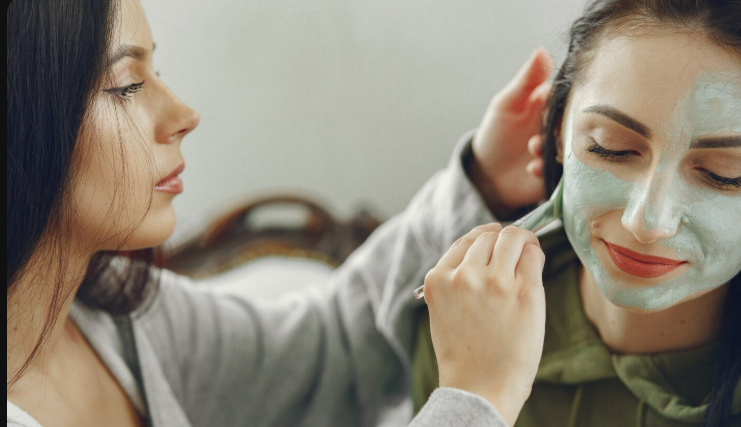
The thalapothichil procedure is a traditional Ayurvedic therapy that involves applying a specially prepared herbal paste to the head and retaining it for a prescribed period, typically around 20–40 minutes. The ingredients and duration may vary based on individual requirements.
In Ayurveda, thalapothichil is performed by preparing a medicinal paste using selected herbs and other ingredients, such as gooseberry and buttermilk. The paste is carefully applied over the head and secured with a covering of leaves to maintain its position during the therapy. The process is traditionally tailored to the individual’s Ayurvedic needs and forms part of a broader personalised wellness approach at Sitaram Retreat. Explore our Thalapothichil therapy and discover a deeper approach to traditional wellness.
What Is Thalapothichil?
Thalapothichil is a traditional Ayurvedic therapy focused on the head. The word combines Thala, meaning head, and Pothichil, referring to the process of covering or wrapping.
During the therapy, a medicinal herbal paste is prepared and applied over the head. The head is then covered with leaves to hold the preparation in place for a prescribed duration.
The treatment is selected according to the individual’s constitution, condition, and wellness requirements. Rather than using the same formulation for everyone, Ayurveda considers the person as a whole when deciding which herbs and supporting therapies are appropriate.
This makes Thalapothichil different from a simple herbal hair or scalp application. It is a structured Ayurvedic therapy performed under professional guidance. Explore what is panchakarma treatment to understand this traditional Ayurvedic detoxification approach and its role in supporting overall wellness.
Thalapothichil Procedure: How Is It Performed?
Understanding each stage helps you know what to expect during an Ayurvedic treatment session.
1. Ayurvedic Assessment
The treatment begins with an assessment by an Ayurvedic practitioner. The individual’s health concerns, body constitution, symptoms, and treatment objectives are considered before the therapy is planned.
This step helps determine the appropriate herbal formulation and duration.
2. Preparation of the Herbal Paste
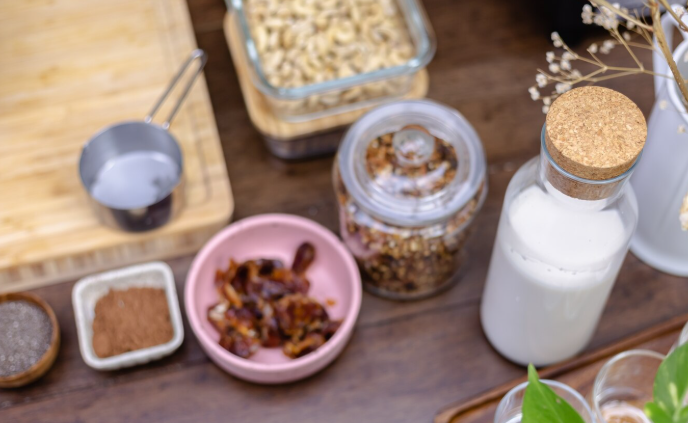
The herbal paste is prepared using selected ingredients suited to the individual’s requirements. Gooseberry and buttermilk are among the ingredients traditionally used in the treatment.
Other herbs may be incorporated depending on the intended therapeutic approach. The formulation is not necessarily identical for every person.
3. Application Over the Head
The prepared medicinal paste is carefully applied over the head. The application is carried out by a trained therapist to ensure that the herbal preparation is distributed appropriately.
The objective is to maintain an even herbal covering while keeping the person comfortable throughout the therapy.
4. Covering the Head
Leaves are used to wrap and cover the herbal paste. This traditional method helps keep the preparation securely positioned over the head during the treatment.
The covering also forms an important part of the traditional presentation of Thalapothichil.
5. Retaining the Herbal Pack
The paste remains on the head for a prescribed period. At Sitaram Retreat, the duration is generally around 20–40 minutes, depending on the individual’s condition and the herbs selected.
The therapist follows the treatment plan rather than applying a fixed duration to every person.
6. Removal and Post-Treatment Care
Once the prescribed duration is complete, the herbal preparation is removed. Any further care is determined according to the individual’s treatment plan.
Following the practitioner’s recommendations after an Ayurvedic therapy helps maintain consistency with the overall wellness programme. Discover panchakarma benefits to learn about the traditional wellness benefits associated with this Ayurvedic therapy.
Thalapothichil Ingredients: What Is Used?
The ingredients used in a Thalapothichil herbal pack can vary according to the treatment objective and individual requirements.
Commonly used ingredients include:
- Gooseberry (Amla): A traditional Ayurvedic ingredient valued for its nourishing properties.
- Buttermilk: Used as part of selected herbal preparations.
- Medicinal herbs: Additional herbs are chosen according to the individual’s Ayurvedic assessment.
- Herbal combinations: Formulations can be adjusted to suit specific therapeutic requirements.
The exact combination matters because Ayurvedic therapies are personalised. A practitioner determines the appropriate ingredients rather than relying on a universal recipe. Explore ayurvedic treatment for hair fall to learn about traditional Ayurvedic approaches to scalp care and healthier-looking hair.
Thalapothichil Procedure and Its Traditional Benefits
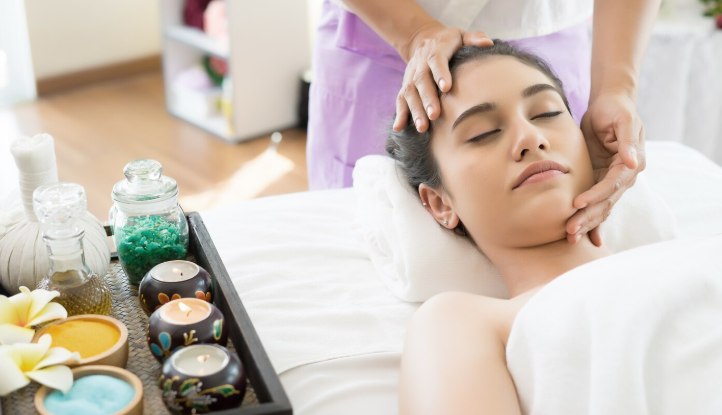
The thalapothichil procedure is traditionally used as part of Ayurvedic wellness and therapeutic programmes. Its application over the head makes it particularly relevant to therapies designed around relaxation and head-focused care.
The benefits associated with this Ayurvedic therapy include:
- Supporting a sense of relaxation
- Promoting restful sleep as part of a broader wellness plan
- Supporting scalp and hair wellness
- Complementing stress-management programmes
- Providing a traditional herbal approach to head care
- Supporting overall Ayurvedic rejuvenation
The experience and outcome can vary between individuals. Ayurveda therefore places importance on personal assessment rather than treating every person with an identical protocol. Discover ayurvedic treatment for stress to learn about traditional Ayurvedic practices that may support relaxation, stress management, and emotional well-being.
How Does Thalapothichil Support Stress and Sleep?
The head has an important place in traditional Ayurvedic care, and several Ayurvedic therapies focus on promoting relaxation and balance.
Thalapothichil can be incorporated into a wider wellness programme for people seeking support for stress and sleep-related concerns. Its role is best understood alongside other elements of Ayurvedic care, including appropriate diet, yoga, meditation, daily routines and practitioner-guided therapies.
A complete approach can address lifestyle factors instead of focusing on a single treatment in isolation. Explore ayurvedic treatment for brain fog to learn about traditional Ayurvedic approaches to mental clarity, focus, and overall cognitive wellness.
Thalapothichil Procedure: Who Can Consider It?
The thalapothichil procedure can be considered by individuals for whom an Ayurvedic practitioner finds the therapy appropriate.
A professional assessment is particularly important when a person:
- Has an ongoing health condition
- Takes regular medication
- Is undergoing another form of treatment
- Has specific scalp or skin concerns
- Is considering Ayurveda for a therapeutic purpose
- Wants the treatment adapted to their constitution
Professional guidance ensures that the therapy is selected as part of an appropriate Ayurvedic plan. Discover abhyanga massage to learn about this traditional Ayurvedic oil massage and its role in relaxation and body care.
Is Thalapothichil Suitable for Everyone?
No single Ayurvedic therapy is automatically suitable for every person. Individual health status, constitution, current symptoms, and treatment goals all influence the choice of therapy.
An Ayurvedic consultation helps determine whether Thalapothichil is appropriate and which formulation, duration, and supporting therapies should be used.
It is also important to tell the practitioner about existing health conditions and medicines before beginning treatment. Learn what is shirodhara to understand this traditional Ayurvedic therapy and its calming approach to relaxation and well-being.
Thalapothichil Procedure vs Other Ayurvedic Head Therapies
The thalapothichil procedure is sometimes confused with other Ayurvedic head therapies because several treatments involve herbal preparations or focus on the head.
Thalapothichil vs Shirodhara
Thalapothichil involves applying and covering the head with an herbal paste, whereas Shirodhara traditionally involves a continuous stream of selected liquid over the forehead.
Thalapothichil vs Siro Pichu
Shiro Pichu generally involves placing a cloth or cotton preparation soaked with medicated oil over the head. Thalapothichil uses a herbal paste as the primary preparation.
Thalapothichil vs Talam
Talam generally refers to placing a medicinal preparation over a specific area of the head. Thalapothichil involves covering the head with a herbal paste and leaf wrapping.
Although these therapies share certain Ayurvedic principles, their techniques and applications are different.
Why Professional Guidance Matters
A key part of authentic Ayurvedic care is individualisation. The choice of herbs, preparation, duration, and supporting therapies should reflect the person’s requirements.
At Sitaram Retreat, Ayurvedic care is built around consultation and personalised treatment planning. This approach allows traditional therapies to be integrated with other aspects of wellness, including diet, yoga and meditation.
The thalapothichil procedure is therefore best experienced as part of a considered Ayurvedic programme rather than as a generic treatment applied in the same way to everyone.
Thalapothichil at Sitaram Retreat
Sitaram Retreat brings together traditional Ayurvedic therapies with a holistic approach to wellbeing. Its treatment philosophy considers the individual rather than focusing only on an isolated concern.
A Thalapothichil session can form part of a wider personalised programme that may include:
- Ayurvedic consultation
- Traditional therapies
- Personalised herbal preparations
- Ayurvedic diet guidance
- Yoga
- Meditation
- Lifestyle recommendations
- Rest and rejuvenation
Sitaram Retreat also carries a legacy of more than a century of Ayurvedic practice, creating an environment where traditional therapies can be experienced within a structured wellness setting.
Experience Thalapothichil at Sitaram Retreat
The thalapothichil procedure is more than the application of an herbal paste. It is a traditional Ayurvedic therapy that brings together carefully selected ingredients, a structured application method and personalised treatment planning.
At Sitaram Retreat, the therapy can be experienced within a broader Ayurvedic wellness programme designed around individual needs. With traditional treatments, personalised guidance, Ayurvedic food, yoga and meditation, the retreat offers a setting dedicated to holistic wellbeing.
Explore Thalapothichil at Sitaram Retreat and speak with our Ayurvedic team to understand how this traditional therapy can fit into your personalised wellness journey.
Frequently Asked Questions
Q1. How is the Thalapothichil procedure performed?
The herbal paste is prepared according to individual requirements, applied over the head and covered with leaves. It remains in place for a prescribed duration before being removed by the therapist.
Q2. What is the Thalapothichil procedure used for?
The therapy is traditionally incorporated into Ayurvedic wellness programmes for relaxation, sleep support, stress management and selected head, scalp and hair-related concerns.
Q3. Is Thalapothichil good for stress?
Thalapothichil can be included in an Ayurvedic programme designed to support relaxation and stress management. A practitioner determines whether it is suitable for an individual’s needs.
Q4. Can Thalapothichil help with sleep?
It may be used as part of a broader Ayurvedic approach to sleep and relaxation. The overall programme can also include lifestyle, diet, yoga and meditation guidance.
Q5. What ingredients are used in Thalapothichil?
Gooseberry, buttermilk and selected medicinal herbs can be used. The exact formulation varies according to the individual’s condition and treatment requirements.
Q6. Will the herbal paste remain on the head for a long time?
At Sitaram Retreat, the paste is generally retained for around 20–40 minutes. The exact duration depends on the individual’s condition and the herbs used.
Q7. Why is the head covered with leaves?
The leaves help keep the herbal preparation in position during the therapy and are part of the traditional Thalapothichil technique.
Q8. Is professional consultation necessary before Thalapothichil?
Professional guidance is recommended because the herbs, duration and treatment plan should be selected according to individual requirements and Ayurvedic assessment.
TABLE OF CONTENTS
- What Is Thalapothichil?
- Thalapothichil Procedure: How Is It Performed?
- Thalapothichil Ingredients: What Is Used?
- Thalapothichil Procedure and Its Traditional Benefits
- How Does Thalapothichil Support Stress and Sleep?
- Thalapothichil Procedure: Who Can Consider It?
- Is Thalapothichil Suitable for Everyone?
- Thalapothichil Procedure vs Other Ayurvedic Head Therapies
- Why Professional Guidance Matters
- Thalapothichil at Sitaram Retreat
- Experience Thalapothichil at Sitaram Retreat
- Frequently Asked Questions