retreat@sitaramayurveda.com
 +91 813 8888 912

Thalapothichil for Hair Loss: How This Ayurvedic Therapy Supports Hair Health

By Vignesh Devraj
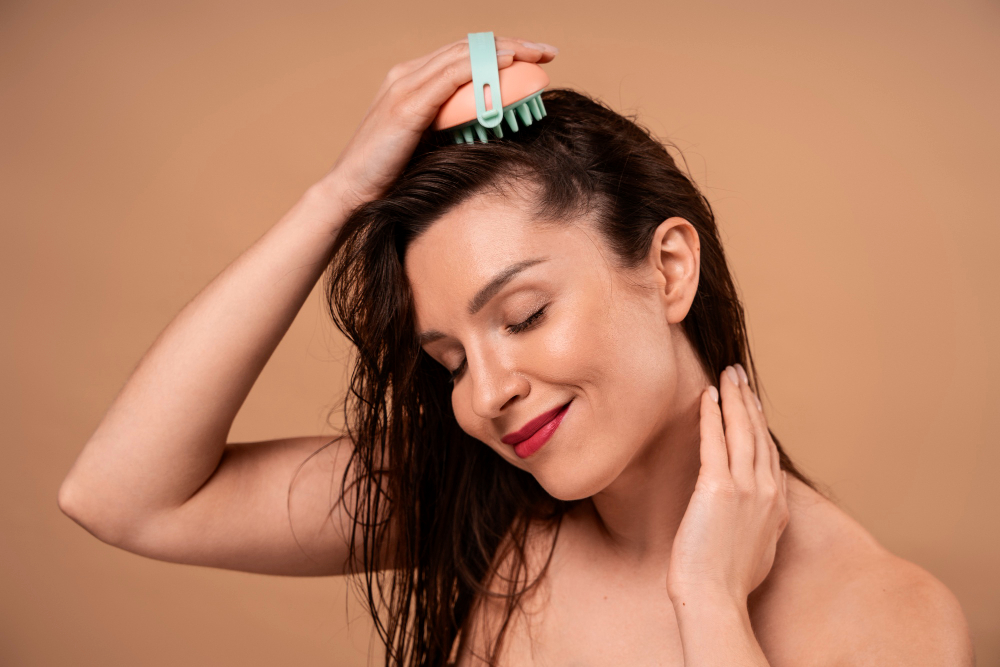
Thalapothichil for hair loss is a traditional Ayurvedic head-pack therapy in which a medicinal herbal preparation is applied over the scalp and head. It is used as part of personalised Ayurvedic care to support scalp wellness, relaxation, and overall hair health.
Hair fall can have different contributing factors, including diet, lifestyle, stress, and individual health concerns. Ayurveda takes a broader approach by considering these factors alongside scalp and hair care. Thalapothichil is one therapy that may be incorporated into an individualised Ayurvedic wellness plan, depending on the person’s needs and practitioner assessment. At Sitaram Retreat, such therapies are tailored as part of a holistic approach to wellbeing
What Is Thalapothichil?
Thalapothichil is a traditional Ayurvedic therapy in which the head is covered with a specially prepared herbal paste. The term refers to a therapeutic head-packing process that allows the herbal preparation to remain in contact with the scalp for a prescribed period.
The preparation can include medicinal herbs selected according to the individual’s condition and treatment plan. Ingredients such as gooseberry (amla) and buttermilk are traditionally used in the preparation.
Unlike a general hair mask, Thalapothichil is considered an Ayurvedic therapy that is selected and administered according to an individual’s needs.
The therapy may be incorporated into a broader wellness programme where scalp care, relaxation and overall balance are important considerations. Explore ayurvedic treatment for hair fall to learn about traditional Ayurvedic hair care practices, herbal oils, and scalp-nourishing routines that support healthier-looking hair.
How Is Thalapothichil Different From Other Ayurvedic Head Therapies?
Ayurveda includes several therapies involving the head, but each has a different method and purpose.
- Thalapothichil: Uses a medicinal herbal paste as a head pack.
- Shirodhara: Involves a continuous stream of liquid directed over the forehead.
- Shiro Abhyanga: Focuses on therapeutic head and scalp massage.
- Talam: Involves applying a herbal preparation to a specific area of the head.
The choice of therapy depends on the individual’s Ayurvedic assessment and wellness needs. Learn what is shirodhara to understand this traditional Ayurvedic therapy and its calming approach to relaxation and well-being.
How Can Thalapothichil for Hair Loss Support Hair Health?
Hair fall can be influenced by several factors, including stress, lifestyle, nutrition, hormonal changes, and scalp concerns. Ayurveda takes a broader view of hair wellness and considers the relationship between the scalp, body, and overall wellbeing.
Thalapothichil for hair loss can complement this approach through its traditional use as a herbal head therapy.
Supports Scalp Care
The herbal preparation is applied directly to the head and scalp, making scalp care an important part of the therapy. Traditional Ayurvedic herbs are selected according to the person’s specific requirements.
Supports Hair and Scalp Nourishment
Healthy-looking hair begins with a well-cared-for scalp. Ayurvedic hair care may combine external therapies with suitable herbs, nutrition and lifestyle practices to support overall hair wellness.
Encourages Relaxation
A calm state of mind is an important part of holistic wellbeing. Thalapothichil provides a quiet therapeutic period that can encourage relaxation and may be particularly valuable for people whose hair concerns occur alongside periods of stress.
Works Within Personalised Ayurvedic Care
One of the key strengths of Ayurveda is individualisation. The same therapy is not necessarily appropriate in the same way for every person. The herbs, duration and supporting therapies can be adjusted according to individual requirements.
Thalapothichil for Hair Loss Through the Ayurvedic Lens
Ayurveda views hair as part of the body’s broader system rather than treating it as an isolated concern. Traditional Ayurvedic assessment considers factors such as Prakriti, current imbalances, digestion, lifestyle, sleep, and stress.
Doshas, Vata, Pitta, and Kapha, are also considered when developing a personalised approach.
The Role of Pitta
Pitta is traditionally associated with heat and transformation within the body. In Ayurvedic hair care, maintaining balance is considered important for supporting scalp and hair wellness.
The Role of Vata
Vata is associated with movement and dryness in Ayurvedic principles. When considering hair and scalp care, Ayurvedic practitioners may assess factors associated with dryness, lifestyle and overall balance.
The Role of Kapha
Kapha is traditionally associated with stability and moisture. Its balance may also be considered when evaluating scalp characteristics and overall hair wellness.
These Ayurvedic principles provide a framework for personalising care rather than serving as a standalone explanation for every type of hair loss.
What Ingredients Are Used in Thalapothichil?
The herbal preparation used for Thalapothichil can vary depending on the individual’s condition and the treatment plan.
Gooseberry (Amla)
Amla is a traditional Ayurvedic ingredient widely used in wellness and hair-care practices. It is valued as part of traditional herbal preparations and is commonly associated with supporting healthy hair.
Buttermilk
Buttermilk forms part of traditional Thalapothichil preparations. Its inclusion contributes to the consistency and composition of the herbal head pack.
Other Medicinal Herbs
Additional herbs may be selected based on individual requirements. Personalisation is important because Ayurvedic therapies are designed according to the person’s constitution, current concerns and treatment goals.
How Is Thalapothichil Performed?
A professional Ayurvedic setting follows a structured process to ensure the therapy is appropriate for the individual.
Step 1: Ayurvedic Consultation
The process begins with an assessment of the person’s overall health and wellness needs. The practitioner considers factors such as constitution, lifestyle, scalp and hair concerns, stress, and other relevant aspects.
Step 2: Preparing the Herbal Pack
The selected herbs and other ingredients are prepared into a suitable medicinal paste.
Step 3: Applying the Pack
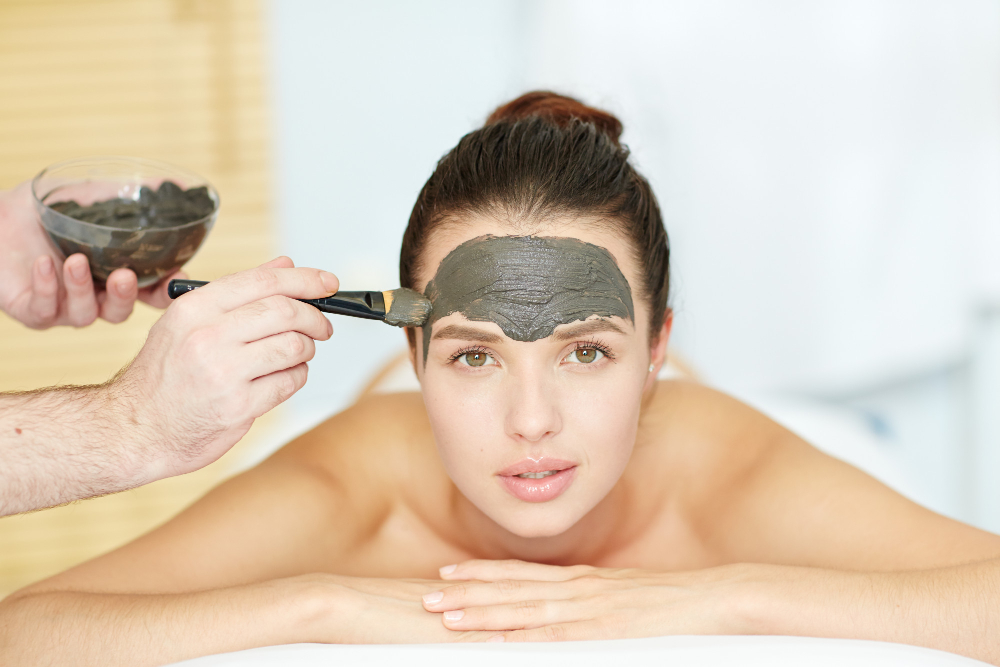
The herbal preparation is applied over the head and scalp. The head is then appropriately covered to retain the pack during the therapy.
Step 4: Resting With the Pack
The preparation remains on the head for a prescribed period. The duration can vary according to the individual’s condition and the herbs used. A typical session may last around 20–40 minutes.
Step 5: Completing the Therapy
Once the appropriate duration has passed, the pack is removed, and post-treatment care is provided according to the overall Ayurvedic plan.
What Are the Potential Benefits of Thalapothichil for Hair Loss?
When incorporated into personalised Ayurvedic care, Thalapothichil for hair loss may offer several wellness-oriented benefits:
- Supports scalp and hair wellness
- Provides a traditional herbal scalp-care experience
- Encourages relaxation
- Supports stress management
- Complements broader Ayurvedic hair-care routines
- Can be incorporated into personalised wellness programmes
- Supports an overall approach to maintaining healthy hair
It is important to understand that hair loss has many possible causes. Thalapothichil should therefore be viewed as one component of an individualised approach rather than a guaranteed solution for every type of hair loss. Discover abhyanga massage to learn about this traditional Ayurvedic oil massage and its role in relaxation and body care.
Is Thalapothichil Suitable for Everyone Experiencing Hair Loss?
Not necessarily. Hair loss can have different underlying causes, including genetics, nutritional deficiencies, hormonal changes, stress, certain health conditions, and scalp disorders.
This is why an Ayurvedic consultation is valuable before beginning Thalapothichil for hair loss. A practitioner can assess the individual’s overall condition and determine whether the therapy is appropriate.
Professional guidance is particularly important when hair loss is sudden, severe, persistent, or accompanied by other scalp or health concerns. Discover ayurvedic treatment for stress to learn about traditional Ayurvedic practices that may support relaxation, stress management, and emotional well-being.
Thalapothichil as Part of a Complete Ayurvedic Hair-Fall Approach
Ayurvedic hair care does not have to begin and end with an external therapy. A more complete approach can consider several aspects of daily wellbeing.
Depending on individual requirements, an Ayurvedic programme may include:
- Personalised consultation
- External scalp therapies
- Appropriate herbal preparations
- Dietary guidance
- Lifestyle recommendations
- Stress-management practices
- Yoga and meditation
- Other Ayurvedic therapies when considered suitable
This broader approach recognises that healthy hair is connected to overall wellbeing. Thalapothichil for hair loss can therefore be incorporated into a personalised programme rather than being treated as an isolated procedure. Explore ayurvedic treatment for brain fog to learn about traditional Ayurvedic approaches to mental clarity, focus, and overall cognitive wellness.
Why Choose Sitaram Retreat for Ayurvedic Hair and Scalp Care?
Sitaram Retreat brings together traditional Ayurveda with a holistic retreat environment. Its approach focuses on understanding individual needs before recommending therapies.
For people exploring Thalapothichil for hair loss, this personalised approach can help place the therapy within a wider wellness plan.
Sitaram Retreat’s Ayurvedic care can be complemented by:
- Individual consultations
- Traditional Ayurvedic therapies
- Personalised treatment planning
- Yoga and meditation
- Nutrition and lifestyle guidance
- A restorative retreat environment
- Holistic wellbeing practices
The focus is not simply on addressing a visible hair concern but on creating a balanced and supportive wellness routine.
Experience Personalised Ayurvedic Care at Sitaram Retreat
If you’re exploring Thalapothichil for hair loss, the right starting point is understanding what your hair, scalp and overall wellbeing need. At Sitaram Retreat, traditional Ayurvedic therapies are incorporated into personalised wellness programmes that can include consultation, lifestyle guidance, yoga, meditation and other supportive practices.
Rather than treating hair fall as an isolated concern, take a more complete approach to your wellbeing. Connect with Sitaram Retreat to explore personalised Ayurvedic care and discover whether Thalapothichil is suitable for your individual needs.
Frequently Asked Questions
Q1. How does Thalapothichil help with hair loss?
Thalapothichil for hair loss supports traditional scalp care and relaxation and can complement a personalised Ayurvedic approach to hair and overall wellness.
Q2. Can Thalapothichil stop hair fall completely?
No single therapy can guarantee that. Hair loss can have many causes, so the underlying concern should be assessed before choosing treatment.
Q3. Is Thalapothichil good for hair growth?
Thalapothichil may support scalp and hair wellness as part of Ayurvedic care, but individual results depend on the cause of hair loss and the overall treatment approach.
Q4. What is used in a Thalapothichil treatment?
The herbal preparation can contain ingredients such as amla, buttermilk and other medicinal herbs selected according to individual requirements.
Q5. Will Thalapothichil help with stress-related hair fall?
It may complement a wellness programme by promoting relaxation. Stress management, nutrition and appropriate Ayurvedic care can also be important parts of a broader approach.
Q6. What should I expect during Thalapothichil?
A medicinal herbal paste is applied to the head and scalp and retained for a prescribed period, generally around 20–40 minutes depending on the treatment plan.
Q7. Why is an Ayurvedic consultation important before Thalapothichil?
An assessment helps determine whether the therapy is appropriate and allows the treatment to be tailored to the individual’s constitution, concerns and wellness needs.
Q8. Is Thalapothichil enough to treat hair loss?
Not always. Hair loss may require a broader approach that considers nutrition, lifestyle, stress, scalp health and other underlying factors alongside suitable Ayurvedic therapies.
TABLE OF CONTENTS
- What Is Thalapothichil?
- How Can Thalapothichil for Hair Loss Support Hair Health?
- Thalapothichil for Hair Loss Through the Ayurvedic Lens
- What Ingredients Are Used in Thalapothichil?
- How Is Thalapothichil Performed?
- What Are the Potential Benefits of Thalapothichil for Hair Loss?
- Is Thalapothichil Suitable for Everyone Experiencing Hair Loss?
- Thalapothichil as Part of a Complete Ayurvedic Hair-Fall Approach
- Why Choose Sitaram Retreat for Ayurvedic Hair and Scalp Care?
- Experience Personalised Ayurvedic Care at Sitaram Retreat
- Frequently Asked Questions