retreat@sitaramayurveda.com
 +91 813 8888 912

Pichu Treatment Benefits: Procedure, Types, Uses & Ayurvedic Approach

By Vignesh Devraj
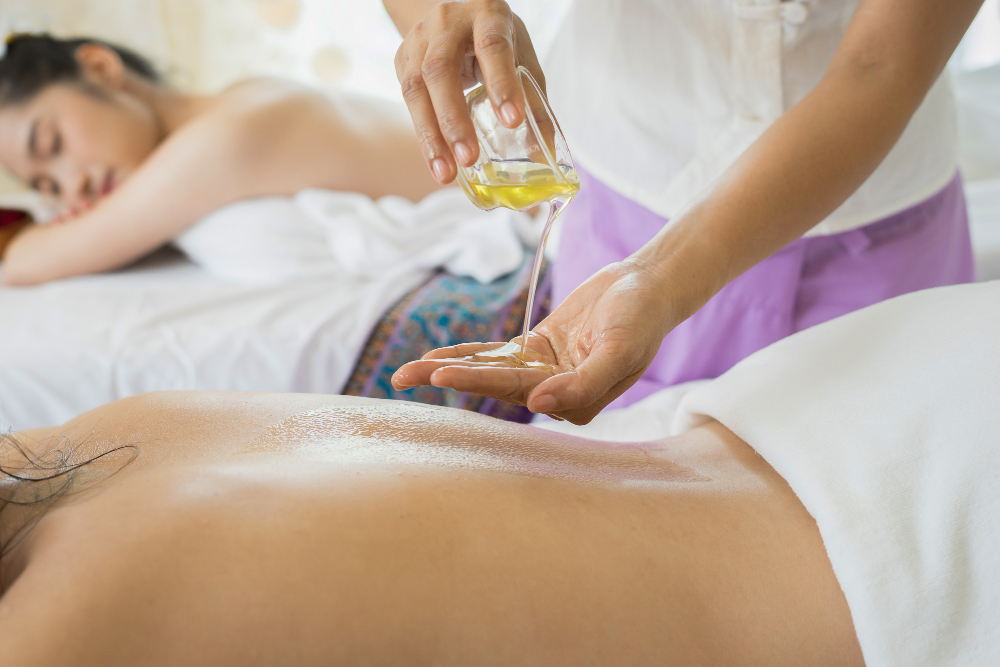
Pichu treatment benefits are traditionally associated with localized support for pain and inflammation through the sustained application of warm, medicated oil. A cotton pad soaked in oil is placed over the affected area, with warmth maintained at intervals. The treatment site, oil and duration are selected according to the individual’s condition.
Pichu treatment benefits mainly relate to localized Ayurvedic care for pain and inflammation. The therapy uses warm medicated oil held against a specific body area with a cotton pad for a prescribed period. At Sitaram Retreat, Pichu is selected as part of an individualized Ayurvedic approach rather than as a one-size-fits-all therapy. But what makes this simple-looking therapy different from an ordinary oil massage?
What Is Pichu Treatment in Ayurveda?
Pichu is a traditional Ayurvedic therapy involving the application of oil-soaked cotton over a particular area of the body. The pad remains in place for a duration determined by the treatment site and the individual’s condition. Warm oil is periodically poured over the cotton or the pad is replaced with another heated one to maintain the desired temperature.
Unlike a full-body oil massage, Pichu is a localized therapy. Its application can therefore be focused on an area that requires specific attention.
The choice of treatment is not based simply on the location of discomfort. In Ayurveda, a physician considers the person’s symptoms, physical and mental strength, body type and overall condition before deciding on a treatment plan. Oil, herbs, diet and yoga therapies may also be customized accordingly.
Explore ayurvedic treatment for weight loss to learn about traditional Ayurvedic approaches that support healthy habits, balanced routines, and overall wellness.
Pichu Treatment Benefits
Understanding the pichu treatment benefits begins with understanding its purpose: sustained, localized application of warm medicated oil.
1. Supports Localized Pain Management
Pichu is traditionally used for localized pain and discomfort. Sitaram Retreat specifically describes the therapy as being used for localized pain and inflammation.
Depending on the treatment plan, localized application may be considered for areas such as the back, neck, knee or head.
2. Supports Areas Affected by Inflammation
Another traditional application of Pichu is localized inflammation. Rather than applying oil across the entire body, the therapy concentrates the treatment on a selected area.
This makes it particularly relevant when an Ayurvedic physician determines that localized oil therapy is appropriate.
3. Provides Sustained Contact With Warm Medicated Oil
One of the defining features of Pichu is continued contact between the warm oil and the treatment area.
The cotton pad acts as a carrier for the oil, while regular application of warm oil helps maintain the temperature during the session.
4. Offers a Soothing, Localized Therapy Experience
The combination of warmth, oil and gentle application can make Pichu a calming component of an Ayurvedic treatment programme.
However, individual experiences can differ, and Pichu should be understood as a traditional Ayurvedic therapy rather than a guaranteed solution for every type of pain or inflammation.
5. Can Be Personalized to Individual Needs
Perhaps one of the most important aspects of Ayurvedic therapy is personalization. At Sitaram Retreat, treatment decisions are made following consultation and assessment rather than simply assigning the same therapy to everyone.
Discover abhyanga oil ingredients to learn about the traditional oils and herbs commonly used in Ayurvedic Abhyanga massage.
Types of Pichu Therapy
Pichu can be adapted according to the area being treated. The terminology generally combines Pichu with the relevant anatomical region.
Shiro Pichu
Shiro Pichu refers to localized Pichu application over the head. It may be incorporated into an Ayurvedic treatment plan when a practitioner considers localized head therapy appropriate.
Greeva Pichu
Greeva Pichu focuses on the neck region and may be considered for localized neck discomfort and stiffness.
Kati Pichu
Kati Pichu is directed toward the lower-back region. It may form part of an individualized Ayurvedic approach to localized back discomfort.
Janu Pichu
Janu Pichu focuses on the knee area and may be considered when localized knee care is appropriate.
Uro Pichu
Uro Pichu involves localized application over the chest region and should only be undertaken when advised by an appropriately trained Ayurvedic practitioner.
The exact therapy, oil and duration should always be determined according to the individual’s assessment rather than selected solely from the name of a condition.
Explore abhyanga massage to learn about this traditional Ayurvedic oil massage and its relaxing, nourishing approach.
How Is Pichu Treatment Performed?
The Pichu procedure is relatively simple in principle, but maintaining the appropriate temperature and applying the therapy correctly requires trained supervision.
Step 1: Ayurvedic Assessment
The process begins with consultation. The physician evaluates the individual’s condition and determines whether Pichu is suitable.
Step 2: Selection of the Medicated Oil
The appropriate oil or formulation is selected according to the treatment objective, location and individual assessment. Sitaram emphasizes that treatment choices, including oils and herbs, can be customized following consultation.
Step 3: Preparing the Cotton Pad
A piece of cotton is soaked in the selected medicated oil.
Step 4: Applying the Pichu
The oil-soaked cotton is placed over the specific body area.
Step 5: Maintaining Warmth
Warm oil is poured over the cotton pad at regular intervals, or the pad may be replaced with another heated cotton pad. This helps maintain the temperature throughout the treatment.
Step 6: Completing the Session
The pad is removed after the prescribed duration, and any further care is provided according to the practitioner’s instructions.
Discover panchakarma benefits to learn about the traditional wellness applications associated with this Ayurvedic practice.
What Oils Are Used in Pichu Treatment?
There is no single oil that should be considered appropriate for everyone.
In Ayurveda, the selection of an oil or herbal preparation can depend on:
- The treatment area
- The individual’s symptoms
- The practitioner’s assessment
- The person’s constitution and current condition
- The overall treatment objective
This individualized approach is consistent with Sitaram Retreat’s broader Ayurvedic treatment philosophy, where physicians determine the treatment course after consultation and assessment.
Therefore, choosing an oil based solely on an online list may not be appropriate.
Learn what is panchakarma treatment to understand its traditional Ayurvedic approach to cleansing, balance, and holistic wellness.
Pichu vs Other Ayurvedic Therapies
Pichu is sometimes confused with other oil-based Ayurvedic therapies. The key difference is how the oil is applied and retained.
| Therapy | Basic approach | Main distinction |
| Pichu | Warm medicated oil applied through cotton | Localized, sustained oil application |
| Abhyanga | Medicated oil massage | Massage-based application, commonly involving broader body areas |
| Kati Vasthi | Oil retained within a specially formed boundary | Localized oil pooling |
| Shirodhara | Continuous stream of liquid | Controlled flow over the forehead/head |
These therapies are not interchangeable. An Ayurvedic physician can determine which approach is more suitable for an individual’s needs.
Discover ayurvedic treatment for stress to learn about traditional Ayurvedic approaches that support relaxation, balance, and overall well-being.
How Long Does Pichu Treatment Take?
There is no universal duration for every Pichu session.
According to Sitaram Retreat, the period for which the cotton pad is placed depends on the site and condition being treated.
The number and frequency of sessions can also vary according to the overall treatment programme. For this reason, it is better to follow the duration recommended by the treating physician rather than relying on a fixed schedule found online.
Explore ayurvedic treatment for back pain to learn about traditional Ayurvedic approaches that may support back comfort, mobility, and overall well-being.
Who May Benefit From Pichu Treatment?
Pichu may be considered as part of an Ayurvedic treatment plan for people experiencing localized pain or inflammation, which are the primary uses identified by Sitaram Retreat.
A practitioner may assess factors such as:
- The location and nature of discomfort
- Duration of symptoms
- Overall health
- Physical strength
- Body constitution
- Existing treatments
- The individual’s broader Ayurvedic goals
This assessment is important because the same symptom can have different underlying considerations for different people.
Is Pichu Treatment Safe?
When performed appropriately, Pichu is a professionally supervised Ayurvedic therapy. However, safe application depends on correct temperature, appropriate oil selection, proper technique and individual suitability.
People should inform their Ayurvedic physician about existing health conditions, medications and significant symptoms before treatment.
Pichu should also not be used to delay appropriate medical evaluation for severe, sudden or unexplained pain, swelling or other concerning symptoms.
Sitaram’s approach emphasizes physician-led assessment before selecting therapies, with treatment choices customized to the individual’s condition.
What to Expect During a Pichu Therapy Session
Knowing what happens beforehand can make the experience more comfortable.
Before treatment:
- Consultation and assessment
- Identification of the treatment area
- Selection of an appropriate formulation
- Discussion of the treatment plan
During treatment:
- Warm medicated oil is applied to cotton
- The cotton pad is placed over the selected area
- Warmth is maintained at regular intervals
- The therapy is supervised by trained practitioners
After treatment:
- The practitioner may provide specific post-treatment instructions
- Further Ayurvedic therapies may be recommended where appropriate
- Diet, yoga or lifestyle guidance may form part of a wider treatment programme
Sitaram’s treatment model integrates Ayurvedic therapies with personalized guidance, including diet and yoga where appropriate.
Why Personalized Ayurvedic Care Matters
Pichu is only one therapy within the wider Ayurvedic system. Its usefulness depends on whether it is appropriate for the individual’s current condition.
At Sitaram Retreat, Ayurvedic physicians assess the person before deciding on a treatment course. The retreat’s physician team includes practitioners with experience across areas such as chronic and lifestyle-related conditions, musculoskeletal concerns and Panchakarma.
The retreat also describes its approach as integrating traditional Ayurvedic therapies with individualized treatment planning. This means that two people with similar symptoms may not necessarily receive the same combination of therapies.
That distinction matters when considering pichu treatment benefits: the therapy should be viewed within the context of an individualized Ayurvedic programme, rather than as a standalone remedy for every condition.
Pichu Treatment Benefits: A Quick Summary
The main pichu treatment benefits traditionally associated with this localized therapy include:
- Supporting localized pain management
- Supporting areas affected by inflammation
- Providing sustained contact with warm medicated oil
- Offering a soothing localized treatment experience
- Allowing treatment to be adapted to a specific body area
- Becoming part of a broader personalized Ayurvedic programme
The therapy is simple in its basic method, but its appropriate application depends on professional assessment.
Experience Personalized Pichu Therapy at Sitaram Retreat
The most meaningful way to explore pichu treatment benefits is through an assessment that considers you, not simply the symptom you are experiencing.
At Sitaram Retreat, Ayurvedic therapies are selected after physician consultation and careful evaluation of the individual’s condition, body type, and physical and mental strength. The retreat’s approach can bring together therapies, customized oils and herbs, Ayurvedic nutrition, yoga, and lifestyle guidance as appropriate.
With a heritage spanning more than a century and a physician-led approach to Ayurvedic care, Sitaram offers an environment where traditional therapies can be experienced as part of a broader wellness journey. Our physician team includes experienced Ayurvedic practitioners, including fourth-generation Ayurvedic healer and founder Dr. Vignesh Devraj.
Considering Pichu for localized pain or inflammation? Rather than choosing a therapy based on a symptom checklist, speak with the Sitaram Retreat team to understand whether Pichu is appropriate for your individual Ayurvedic treatment plan.
Explore Pichu Therapy at Sitaram Retreat and take the first step toward a personalized Ayurvedic healing journey.
Frequently Asked Questions
Q1. How is Pichu treatment performed?
A cotton pad is soaked in medicated oil and placed over a specific body area. Warm oil is periodically added or the pad is replaced to maintain the desired temperature.
Q2. Can Pichu help with localized pain?
Yes. Pichu is traditionally used for localized pain and inflammation, although suitability depends on the individual’s condition and professional assessment.
Q3. Can Pichu be used for back pain?
Pichu may be considered for localized back discomfort when an Ayurvedic physician finds it appropriate. It should not be self-prescribed based only on symptoms.
Q4. Is Pichu the same as an Ayurvedic massage?
No. Pichu involves sustained localized application of warm medicated oil through cotton, whereas Abhyanga is an oil massage involving manual application.
Q5. Is Pichu treatment safe?
Pichu should be performed under appropriate professional supervision, with suitable oil, temperature and duration selected for the individual.
Q6. Will Pichu treatment work for everyone?
No therapy works identically for everyone. Ayurvedic physicians assess the individual’s condition before determining whether Pichu is appropriate.
Q7. What is the difference between Pichu and Shiro Pichu?
Pichu is the broader localized therapy, while Shiro Pichu specifically refers to its application over the head.
Q8. Why is warm oil used in Pichu?
Warmth is maintained because the Pichu procedure involves applying warm medicated oil over the cotton pad at intervals. The exact temperature and method should be controlled by a trained practitioner.
TABLE OF CONTENTS
- What Is Pichu Treatment in Ayurveda?
- Pichu Treatment Benefits
- Types of Pichu Therapy
- How Is Pichu Treatment Performed?
- What Oils Are Used in Pichu Treatment?
- Pichu vs Other Ayurvedic Therapies
- How Long Does Pichu Treatment Take?
- Who May Benefit From Pichu Treatment?
- Is Pichu Treatment Safe?
- What to Expect During a Pichu Therapy Session
- Why Personalized Ayurvedic Care Matters
- Pichu Treatment Benefits: A Quick Summary
- Experience Personalized Pichu Therapy at Sitaram Retreat
- Frequently Asked Questions