retreat@sitaramayurveda.com
 +91 813 8888 912

Panchakarma Procedure: A Complete Guide to Ayurvedic Detox, Benefits, Process, and What to Expect

By Vignesh Devraj
The panchakarma procedure is a classical Ayurvedic detox and rejuvenation system that removes toxins from the body through three stages: preparation, cleansing, and recovery. It is personalized according to your body type and is best performed under expert supervision to ensure safe, effective, and lasting results.
The panchakarma procedure is one of Ayurveda’s most respected methods for deep cleansing and restoring balance in the body. Rooted in centuries of practice and refined at authentic wellness spaces such as Sitaram Retreat, it goes beyond a simple detox to support long-term physical and mental wellbeing.
In essence, the panchakarma procedure works by preparing the body, eliminating toxins, and rebuilding strength. It is particularly relevant today, when stress, poor diet, and environmental factors often disrupt natural balance. Understanding how this process works can help you make an informed decision about your health journey.
What is Panchakarma in Ayurveda
Meaning and Origin
Panchakarma is derived from two Sanskrit words. Pancha means five, and Karma means actions or therapies. Together, they refer to five therapeutic processes designed to cleanse the body and restore harmony. Understanding what is Panchakarma treatment before exploring the full detoxification process.
This system is described in ancient Ayurvedic texts and has been practiced for generations as a preventive as well as curative approach. Unlike modern quick fixes, it focuses on identifying the root cause of imbalance rather than just treating symptoms.
Why Detox is Necessary in Ayurveda
According to Ayurveda, toxins known as ama accumulate in the body due to improper digestion, stress, unhealthy habits, and environmental exposure. Over time, this buildup interferes with the body’s natural functioning and may lead to chronic issues.
The panchakarma procedure aims to remove these toxins in a controlled and systematic way. It also strengthens digestion, improves circulation, and restores the balance of the three doshas, Vata, Pitta, and Kapha.
Panchakarma Procedure Explained Step by Step
The panchakarma procedure is divided into three well-defined stages. Each stage plays a crucial role in ensuring that detoxification is both safe and effective.
Stage One: Purvakarma Preparation Phase
This is the preparatory phase where the body is readied for detoxification.
Key therapies include:
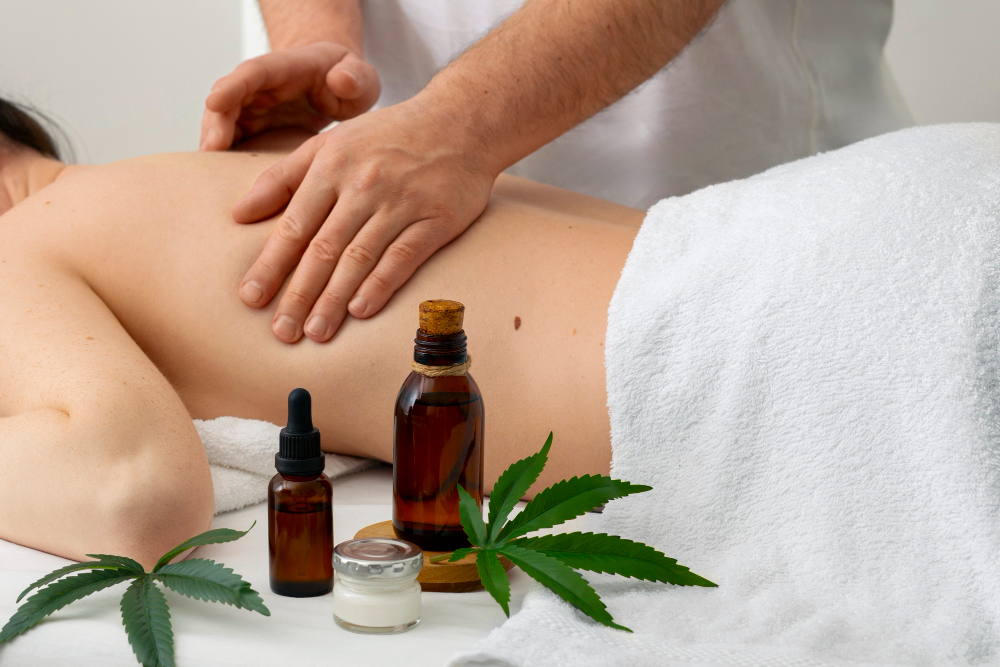
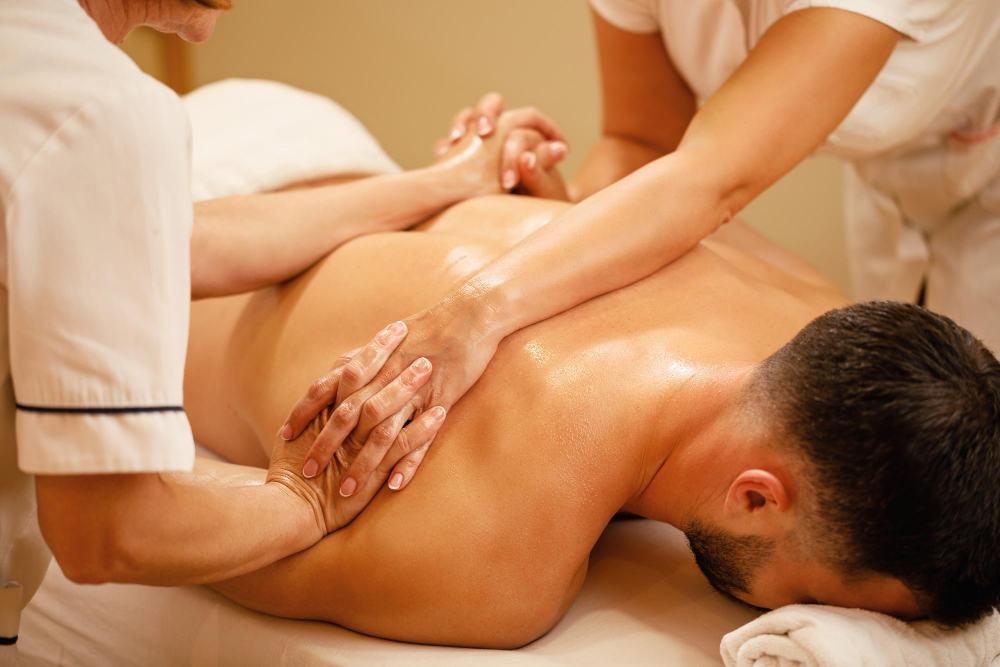
- Snehana, which involves the internal and external application of medicated oils to loosen toxins
- Swedana, which uses herbal steam and other heat application to open pores and mobilize impurities
The goal of this stage is to bring toxins from deep tissues into the digestive tract so they can be eliminated easily. Without proper preparation, the cleansing process may not be effective.
Stage Two: Pradhanakarma Main Detox Phase
This is the core stage of the panchakarma procedure where toxins are actively eliminated.
The main therapies include:
- Vamana, which induces controlled vomiting to clear excess mucus and respiratory toxins
- Virechana, which involves therapeutic purgation to cleanse the liver and intestines
- Basti, which uses medicated enemas to detoxify the colon and support the nervous system
- Nasya, which administers herbal oils through the nose to clear the head and sinuses
- Raktamokshana, which is a specialized blood purification technique used in select cases
Each therapy is selected based on the individual’s body constitution and health condition. Not everyone undergoes all five therapies.
Stage Three: Paschatkarma Recovery Phase
After detoxification, the body needs time to rebuild and regain strength.
This stage includes:
- A gradual dietary progression starting from light foods to regular meals
- Herbal support to stabilize digestion and immunity
- Lifestyle guidance to maintain the benefits of the treatment
This phase is often overlooked but is essential for long-term results. It helps the body adapt to its new balanced state.
Benefits of Panchakarma Procedure
Physical Benefits
The panchakarma procedure supports the body in multiple ways.
- Improves digestion and nutrient absorption
- Enhances metabolism and energy levels
- Strengthens the immune system
- Supports detoxification of vital organs
Many people explore detailed Panchakarma benefits to understand how detoxification contributes to overall wellness.
Mental and Emotional Benefits
The process also has a profound effect on mental wellbeing.
- Reduces stress and anxiety
- Improves sleep patterns
- Enhances mental clarity and focus
Panchakarma is often recommended alongside Ayurvedic treatment for anxiety and Ayurvedic treatment for stress because of its calming effect on the nervous system.
Long-Term Health Benefits
When done correctly, the benefits extend beyond immediate relief.
- Helps prevent lifestyle diseases
- Promotes hormonal balance
- Supports healthy aging
Individuals dealing with chronic pain and fatigue may also benefit from supportive therapies used in Ayurvedic treatment for fibromyalgia.
Who Should Consider Panchakarma
The panchakarma procedure is suitable for a wide range of individuals.
Suitable for:
- People experiencing digestive issues or fatigue
- Individuals dealing with stress or burnout
- Those looking for preventive healthcare
Not suitable for:
- Pregnant women
- Individuals with acute infections
- People who are extremely weak without medical supervision
A proper consultation is essential before starting the treatment.
Is Panchakarma Safe
The panchakarma procedure is safe when conducted under trained Ayurvedic professionals. Since it involves powerful detoxification methods, it should never be attempted without guidance.
Supervision ensures that:
- Therapies are chosen correctly
- The body responds well to treatment
- Any discomfort is managed promptly
Safety and personalization are key to achieving the desired results.
Why Panchakarma Should Be Done at a Certified Retreat
The environment in which Panchakarma is performed plays a significant role in its effectiveness. A certified retreat provides structure, expertise, and a healing atmosphere.
Benefits include:
- Personalized treatment plans based on individual constitution
- Continuous supervision by experienced practitioners
- Access to authentic therapies and herbal preparations
- A peaceful setting that supports mental relaxation
At places like Sitaram Retreat, the focus is on creating a holistic healing experience rather than just administering treatments.
What to Expect During a Panchakarma Retreat
Daily Routine
A typical day is structured to support healing.
- Early morning yoga and breathing practices
- Scheduled therapies throughout the day
- Time for rest and reflection
Diet and Lifestyle
Diet plays a central role in the panchakarma procedure.
- Simple, freshly prepared meals are provided
- Food is tailored to your digestive capacity
- External distractions are minimized to support mental calm
Duration of Treatment
The duration varies depending on individual needs.
- Short programs may last around one week
- Standard treatments range from two to three weeks
- Longer programs are designed for deeper healing
Real Healing Experience
The panchakarma procedure is not just a physical cleanse. It is a comprehensive reset that affects the body, mind, and lifestyle.
Being in a calm and natural environment allows the body to slow down and focus on healing. Many people report feeling lighter, more energetic, and mentally clear after completing the process.
This holistic transformation is what sets Panchakarma apart from other detox methods. Exploring the long-term Panchakarma treatment benefits can help individuals better understand its impact on preventive and restorative health.
Final Thoughts
The panchakarma procedure is a time-tested approach to restoring balance and improving overall health. It combines detoxification with rejuvenation, offering benefits that go far beyond short-term relief.
When done correctly, it can help you reconnect with your body, reset your lifestyle, and build a strong foundation for long-term wellbeing.
Begin Your Panchakarma Journey with Experts
Choosing the right place for your treatment makes all the difference. At Sitaram Retreat, the panchakarma procedure is conducted with a deep commitment to authenticity and personalized care.
You receive:
- Individualized treatment plans based on Ayurvedic diagnosis
- Guidance from experienced practitioners
- A supportive environment that integrates yoga meditation and mindful living
- A peaceful, natural setting designed for complete healing
The retreat may also support circulatory wellness through complementary approaches such as Ayurvedic treatment for varicose veins.
If you are ready to experience true transformation, this is where your journey can begin.
Disclaimer: This content is for informational purposes only and is not a substitute for professional medical advice. Always consult your healthcare provider.
Frequently Asked Questions
Q1. How does the panchakarma procedure work?
It works by preparing the body for detox, eliminating toxins through specific therapies, and then restoring strength through diet and lifestyle changes.
Q2. Can anyone undergo the panchakarma procedure?
Most people can benefit from it, but it should always be done after a consultation to ensure it is suitable for your condition.
Q3. Is the panchakarma procedure painful?
The therapies are generally gentle, although some may feel intense. Any discomfort is temporary and managed under supervision.
Q4. Will Panchakarma improve digestion?
Yes, one of the primary benefits is improved digestion and better nutrient absorption.
Q5. What is the ideal duration of Panchakarma?
The duration typically ranges from 7 to 21 days, depending on the individual’s needs.
Q6. Why is Panchakarma done in stages?
Each stage prepares, cleanses, and restores the body, ensuring that detoxification is safe and effective.
Q7. How often should Panchakarma be done?
It is usually recommended once or twice a year for maintenance and prevention.
Q8. Is Panchakarma backed by modern science?
While it originates from traditional medicine, some aspects are supported by research related to detoxification and gut health, though more studies are still ongoing.
TABLE OF CONTENTS
- What is Panchakarma in Ayurveda
- Panchakarma Procedure Explained Step by Step
- Benefits of Panchakarma Procedure
- Who Should Consider Panchakarma
- Is Panchakarma Safe
- Why Panchakarma Should Be Done at a Certified Retreat
- What to Expect During a Panchakarma Retreat
- Real Healing Experience
- Final Thoughts
- Begin Your Panchakarma Journey with Experts
- Frequently Asked Questions