retreat@sitaramayurveda.com
 +91 813 8888 912


Avagaham Procedure: A Step-by-Step Guide to This Ayurvedic Therapy

By Vignesh Devraj
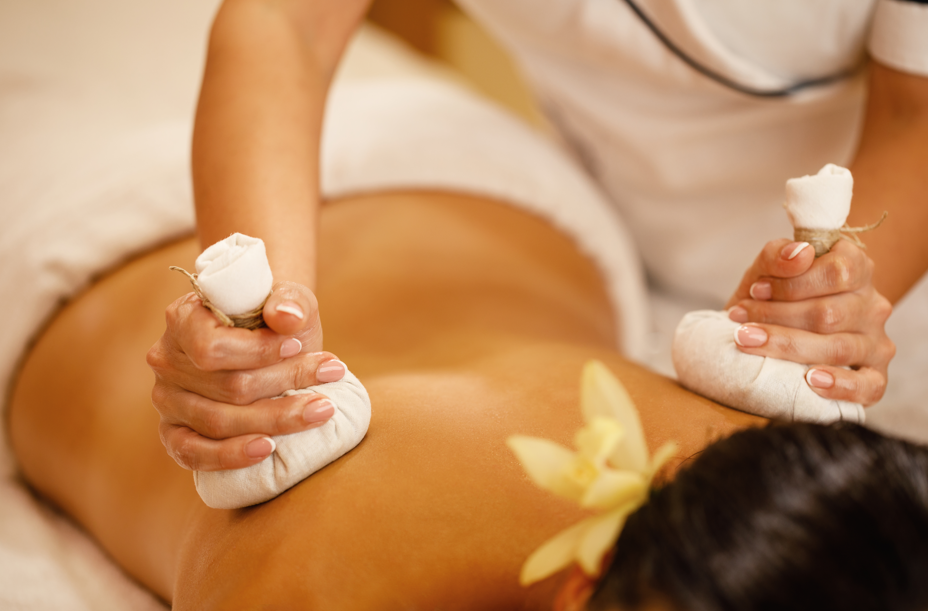
The Avagaham procedure is a traditional Ayurvedic therapy in which a person sits in a tub containing a prescribed medicated herbal decoction for a specific period. At Sitaram Retreat, the therapy is generally described as lasting 15–20 minutes, with the decoction maintained above the level of the umbilicus. The exact treatment is determined according to individual needs.
The avagaham procedure involves sitting immersed in a prescribed medicated decoction for a prescribed duration. Traditionally, it is used as a therapeutic approach for concerns such as lower back pain, arthritis, neurological conditions and certain gastrointestinal and gynaecological disorders. At Sitaram Retreat, this therapy is offered as part of a broader personalised Ayurvedic treatment approach. But what actually happens during an Avagaham session? Let’s take a closer look.
What Is Avagaham in Ayurveda?
Avagaham is a traditional Ayurvedic therapy that involves sitting immersed in a prescribed medicated decoction. Unlike an ordinary bath, the treatment is planned for a therapeutic purpose, with the ingredients, duration and method selected according to the individual’s condition and the practitioner’s assessment.
The term refers to immersion, and the therapy is generally performed using a tub filled with a prepared herbal decoction. Sitaram Retreat describes Avagaham as a special traditional Ayurvedic treatment associated with conditions including neurological disorders, lower back pain, arthritis, gastrointestinal problems and various gynaecological disorders.
It is important to understand that Ayurvedic therapies are not necessarily identical for every person. Sitaram’s broader treatment approach states that an Ayurvedic physician evaluates factors such as symptoms, physical strength, mental strength and body type before deciding on a treatment course. Oils, herbs, diet and other therapies may then be customised accordingly.
What Is the Avagaham Procedure?
The avagaham procedure typically involves sitting in a tub containing a prescribed medicated decoction for a set period. According to Sitaram Retreat, the decoction is maintained above the level of the umbilicus, and the immersion generally lasts 15 to 20 minutes.
While the process sounds simple, therapeutic Avagaham should not be confused with taking a regular herbal bath at home. The formulation, temperature, duration and suitability of the treatment should be determined according to professional guidance.
Step 1: Ayurvedic Consultation
The first step is understanding why the therapy is being considered.
An Ayurvedic practitioner may assess:
- Current symptoms and complaints
- General physical condition
- Physical strength
- Mental wellbeing
- Body constitution
- The intended therapeutic objective
- Other treatments being undertaken
This assessment helps determine whether Avagaham is appropriate and how it should be incorporated into an individual’s treatment plan.
Step 2: Preparation of the Medicated Decoction
A medicated herbal decoction is prepared specifically for the treatment. The ingredients are not necessarily the same for everyone because Ayurvedic treatment is traditionally individualised.
The practitioner may determine the formulation based on the person’s condition and the purpose of treatment. The decoction is then prepared and brought to an appropriate temperature before the session begins.
Step 3: Preparing for Immersion
Before the actual immersion, the treatment area and tub are prepared. The patient is positioned comfortably so that the therapy can be carried out safely.
Depending on the overall treatment plan, Avagaham may be accompanied by other Ayurvedic therapies or preparatory measures. However, these should not be assumed to be necessary for every person.
Step 4: Immersion in the Decoction
This is the central part of the avagaham procedure.
The patient sits in a tub containing the prescribed medicated decoction. Sitaram Retreat specifies that the decoction level should be above the umbilicus. The person remains immersed for the duration recommended by the practitioner, which Sitaram describes as usually 15–20 minutes.
During the session, the patient should remain comfortable and communicate any unusual discomfort to the therapist.
Step 5: Completing the Session
Once the prescribed duration is complete, the patient carefully leaves the tub and follows the therapist’s post-treatment instructions.
Depending on the individual’s programme, this may include:
- Resting after the therapy
- Following dietary recommendations
- Maintaining adequate hydration as advised
- Avoiding strenuous activity when instructed
- Continuing other prescribed Ayurvedic therapies
The purpose is to make the treatment part of a structured wellness or therapeutic programme rather than treating one session as an isolated cure.
How Long Does the Avagaham Procedure Take?
The treatment itself is generally short. Sitaram Retreat states that an Avagaham session usually lasts 15–20 minutes.
However, the duration of an individual session should not be confused with the length of an Ayurvedic retreat or treatment programme.
Sitaram’s broader treatment plans may include a preparation phase of 3–5 days, a main cleansing phase of 5–7 days, and a rejuvenation phase of 5–7 days. Avagaham is included in the relevant phase based on the individual’s requirements, as assessed by the physician. These treatment phases represent broader programme categories and should not be interpreted as a fixed schedule for every Avagaham session or patient.
What Is Used in Avagaham?
The central component is a medicated herbal decoction prepared for therapeutic use.
The exact ingredients may differ according to the treatment objective and the individual’s Ayurvedic assessment. This is an important distinction because there is no single universal Avagaham formulation that should be assumed to work identically for everyone.
A qualified practitioner may consider:
- The condition being addressed
- The person’s constitution
- Present symptoms
- Overall strength
- Other therapies in the treatment plan
- The desired therapeutic effect
This personalised approach is consistent with Sitaram’s broader explanation that its Ayurvedic treatment plans are customised after evaluating an individual’s condition.
What Are the Traditional Benefits of Avagaham?
The traditional avagaham procedure is associated with several therapeutic applications in Ayurveda. Sitaram Retreat specifically lists neurological disorders, lower back pain, arthritis, gastrointestinal problems and various gynaecological disorders among the conditions addressed through this therapy.
The potential areas of traditional application include:
Support for Lower Back Complaints
Avagaham may be incorporated into an Ayurvedic treatment programme for selected lower-back complaints. The exact therapy plan depends on the practitioner’s assessment.
Support for Joint and Musculoskeletal Concerns
The therapy is traditionally associated with conditions such as arthritis and may form part of a broader approach for people experiencing certain joint-related complaints.
Traditional Use in Neurological Conditions
Sitaram lists neurological disorders among the conditions for which Avagaham may be used. This does not mean the therapy independently treats every neurological disorder; professional assessment is essential.
Traditional Gastrointestinal Applications
Gastrointestinal problems are also included among the traditional applications listed by Sitaram Retreat.
Traditional Gynaecological Applications
Various gynaecological disorders are another category mentioned on Sitaram’s Avagaham page. The appropriateness of the therapy should be assessed individually, particularly during pregnancy or other significant reproductive health circumstances.
Who May Be Recommended Avagaham?
Avagaham may be considered for an individual when an Ayurvedic practitioner believes that medicated immersion is appropriate for the person’s condition and treatment goals.
It may be explored as part of a personalised programme for people experiencing certain:
- Musculoskeletal complaints
- Lower-back problems
- Joint-related concerns
- Neurological conditions
- Gastrointestinal concerns
- Gynaecological conditions
The important point is that being listed as a traditional indication does not automatically mean the therapy is suitable for every person with that condition. A consultation should come before treatment.
Who Should Take Precautions With Avagaham?
Avagaham should be approached as a professional therapeutic procedure rather than a generic wellness bath.
People who are pregnant, acutely unwell, unusually weak, experiencing significant skin problems or wounds, or who have medical conditions that could make heat or immersion unsuitable should seek appropriate professional advice before undergoing treatment.
Anyone taking medication or receiving treatment for an existing medical condition should also inform the Ayurvedic practitioner and their healthcare professional where appropriate.
If you experience dizziness, unusual pain, breathing difficulty or significant discomfort during a therapy session, the treatment should be stopped and medical advice sought.
What Should You Expect During an Avagaham Session?
Knowing what happens beforehand can make the experience more comfortable.
| Stage | What to Expect |
|---|---|
| Consultation | Your condition and treatment needs are assessed |
| Preparation | The prescribed decoction and treatment area are prepared |
| Positioning | You sit comfortably in the treatment tub |
| Immersion | The body is immersed in the medicated decoction |
| Duration | Usually around 15–20 minutes at Sitaram Retreat |
| Completion | You leave the tub carefully after the prescribed duration |
| Aftercare | Follow personalised rest, diet and lifestyle guidance |
The exact process can vary according to the treatment plan.
Avagaham vs a Regular Bath: What Is the Difference?
Although both involve water or liquid immersion, their purposes are very different.
| Avagaham | Regular Bath |
|---|---|
| Therapeutic Ayurvedic procedure | Personal hygiene routine |
| Uses a prescribed medicated decoction | Usually uses plain water |
| Conducted according to a treatment plan | Usually self-directed |
| Duration is prescribed | Duration is flexible |
| May be combined with other therapies | Generally not part of a therapeutic programme |
This distinction matters because preparing an arbitrary herbal mixture at home does not replicate a professionally prescribed Ayurvedic treatment.
Is Avagaham Part of Panchakarma?
Avagaham is listed by Sitaram Retreat within its Ayurvedic Therapies section alongside treatments such as Abhyangam, Swedhana, Kadeevasthi, Januvasthi, Shirodhara and other therapies.
However, it is better not to assume that every Avagaham session is automatically a Panchakarma procedure. Panchakarma is a broader therapeutic framework with its own procedures and treatment planning. Whether Avagaham forms part of an individual’s Panchakarma programme depends on the practitioner’s assessment and prescribed course.
What Happens After the Avagaham Procedure?
After completing the avagaham procedure, the patient generally follows the instructions provided by the treating team.
Post-treatment guidance may include:
- Taking adequate rest
- Following the recommended diet
- Staying hydrated as advised
- Avoiding strenuous activities when instructed
- Continuing the prescribed treatment programme
- Attending follow-up consultations where necessary
Because Ayurvedic programmes are individualised, aftercare should also be personalised rather than copied from someone else’s treatment plan.
For those exploring how a structured Panchakarma programme is planned, the Panchakarma for beginners provides further context.
Experience Personalised Ayurvedic Care at Sitaram Retreat
Understanding the avagaham procedure is only the first step. The more important question is whether this traditional therapy is appropriate for you and how it should fit into a wider treatment plan.
At Sitaram Retreat, Ayurvedic treatment begins with an evaluation of the individual’s condition, with treatment choices, herbs, diet and supporting therapies customised according to the person’s needs.
Sitaram’s Ayurvedic ecosystem includes a wide range of traditional therapies, from Avagaham and Abhyangam to Swedhana, Shirodhara, Kadeevasthi and Panchakarma procedures. The retreat currently offers Ayurvedic experiences across its Beach Retreat in Thrissur, Mountain Retreat in Munnar and Sitaram X The Postcard Goa.
If you are considering Avagaham for back discomfort, joint concerns, neurological conditions or another health goal, speak with the Sitaram team before choosing a therapy. A professional consultation can help determine whether Avagaham belongs in your personalised Ayurvedic programme.
Ready to explore a personalised Ayurvedic healing journey? Connect with Sitaram Retreat to consult with the team and discover an appropriate treatment approach for your needs.
Frequently Asked Questions
Q1. How is the Avagaham procedure performed?
The patient sits in a tub filled with a prescribed medicated decoction. The decoction is maintained above the umbilicus, and the patient remains immersed for the recommended period. Sitaram Retreat describes the usual duration as 15–20 minutes.
Q2. Can Avagaham help with back pain?
Avagaham is traditionally used for selected lower-back complaints, and Sitaram Retreat lists lower back pain among its applications. Whether it is appropriate depends on the individual’s condition and Ayurvedic assessment.
Q3. Is Avagaham suitable for everyone?
No. The therapy should be recommended after considering an individual’s symptoms, physical condition and treatment requirements. Sitaram’s broader Ayurvedic approach emphasises personalised assessment before treatment selection.
Q4. Will Avagaham cure arthritis?
Avagaham should not be described as a guaranteed cure for arthritis. Sitaram lists arthritis among the conditions for which the therapy may be used traditionally, but treatment suitability and expected outcomes vary between individuals.
Q5. What is used during Avagaham?
A prescribed medicated herbal decoction is used. Its composition may vary according to the person’s condition and therapeutic requirements rather than following one universal formulation.
Q6. Why is the decoction kept above the umbilicus?
Sitaram Retreat’s procedure specifically states that the decoction level should remain above the umbilicus during the treatment. This is part of the described traditional method.
Q7. How long does Avagaham take?
An Avagaham session at Sitaram Retreat is generally described as lasting 15–20 minutes. The exact duration may be determined according to the prescribed treatment plan.
Q8. What should I do after Avagaham?
Follow the treating practitioner’s advice regarding rest, diet, hydration and activity. If you experience unusual or persistent symptoms after treatment, seek appropriate medical advice.
TABLE OF CONTENTS
- What Is Avagaham in Ayurveda?
- What Is the Avagaham Procedure?
- How Long Does the Avagaham Procedure Take?
- What Is Used in Avagaham?
- What Are the Traditional Benefits of Avagaham?
- Who May Be Recommended Avagaham?
- Who Should Take Precautions With Avagaham?
- What Should You Expect During an Avagaham Session?
- Avagaham vs a Regular Bath: What Is the Difference?
- Is Avagaham Part of Panchakarma?
- What Happens After the Avagaham Procedure?
- Experience Personalised Ayurvedic Care at Sitaram Retreat
- Frequently Asked Questions