retreat@sitaramayurveda.com
 +91 813 8888 912

Ayurveda Udwarthanam: Benefits, Procedure, Uses & What to Expect

By Vignesh Devraj
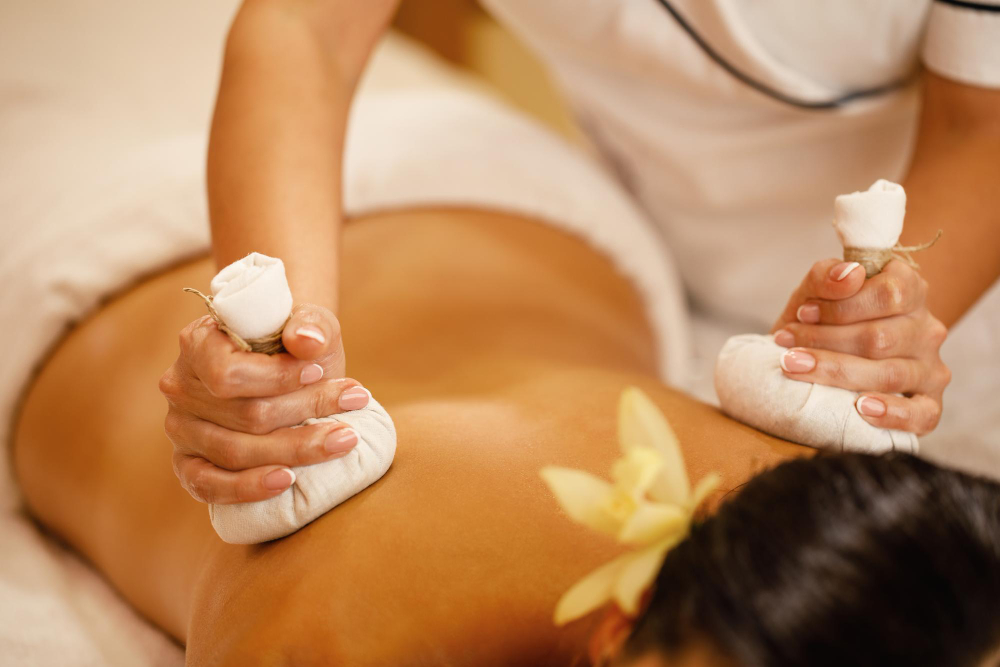
Ayurveda Udwarthanam is a traditional Ayurvedic powder massage in which selected herbal powders are applied and rubbed over the body, usually with upward strokes. It is traditionally used for cleansing the skin and supporting approaches to excess fat, heaviness, and fluid retention. Treatment should be personalised after an Ayurvedic assessment.
Ayurveda Udwarthanam is a traditional dry powder therapy designed to support skin cleansing and Ayurvedic approaches to body weight and excess Kapha. At Sitaram Retreat, it is offered as part of a broader, personalised Ayurvedic approach, while Sitaram’s Ayurveda products can support everyday wellness beyond the retreat. There is more to this therapy than vigorous massage.
What Is Ayurveda Udwarthanam?
Udwarthanam, also spelled Udwarthana or Udvartana, is a dry Ayurvedic body treatment that uses medicated herbal powders rather than massage oil. The powder is applied to the body and rubbed firmly, traditionally in an upward direction. Sitaram Retreat describes the therapy as a powder massage intended to cleanse the skin and reduce subcutaneous fat.
The experience is different from an oil-based Abhyanga. Instead of leaving the skin coated in oil, the dry texture creates friction and an exfoliating sensation. The exact herbs, technique and treatment plan can vary according to the person’s needs.
How Does Ayurveda Udwarthanam Work?
From an Ayurvedic perspective, Udwarthanam is commonly associated with Kapha and Meda, the tissues and qualities linked with heaviness, excess and accumulation. The treatment’s firm, directional strokes are traditionally used to stimulate the skin and support circulation and movement.
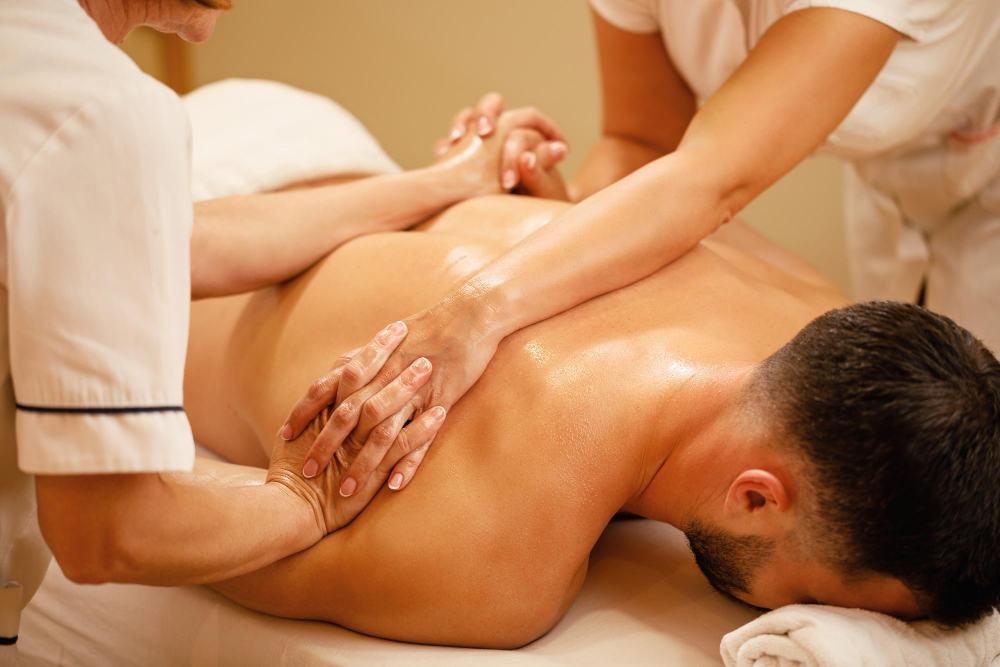
At Sitaram Retreat, the therapist applies medicated herbal powder and works in an upward motion; the procedure is performed in different body positions, similar to Abhyangam.
It is important to separate traditional Ayurvedic rationale from modern medical claims. Udwarthanam should not be presented as a guaranteed fat-burning procedure or a substitute for evidence-based obesity treatment. Its role is better understood as one component that may be selected within an individual’s broader Ayurvedic care plan.
Discover, abhyanga benefits for relaxation, nourishment, improved circulation, and overall Ayurvedic wellness.
Benefits of Udwarthanam
The potential benefits depend on the person, the herbs used and the reason for treatment. Traditionally, Udwarthanam may be used to:
- Cleanse and exfoliate the skin
- Support a feeling of lightness
- Assist Ayurvedic approaches to excess body fat and fluid retention
- Support circulation through vigorous massage
- Improve the feel and appearance of the skin
- Complement a broader Ayurvedic weight-management programme
Sitaram Retreat specifically lists reduction of subcutaneous fat, retained fluid and cellulite among the intended benefits of its Udwarthanam therapy. It also describes the treatment in relation to weight and fat metabolism.
Udwarthanam for Weight Loss: What Does Ayurveda Say?
Ayurveda Udwarthanam is often searched for in connection with weight loss, but it is important to set realistic expectations. Ayurveda views weight and body composition through an individual lens, considering factors such as body type, digestion, lifestyle and the balance of doshas.
A powder massage alone cannot guarantee meaningful or lasting weight loss. Sustainable weight management usually requires an integrated plan involving appropriate nutrition, physical activity, sleep, behavioural habits and, where necessary, medical care. Within Ayurvedic practice, Udwarthanam may be recommended alongside diet, yoga or other therapies when an Ayurvedic physician considers it appropriate.
Sitaram Retreat follows this personalised principle: its Ayurvedic therapy information states that treatment is selected after consultation and evaluation of the person’s condition, physical and mental strength and body type. Oils, herbs, diet and yoga therapies can then be customised accordingly.
Explore ayurvedic treatment for sleep improvement for better relaxation, restful sleep, and overall well-being.
How Is Ayurveda Udwarthanam Performed?
A professional session generally follows a structured process:
- Assessment: An Ayurvedic practitioner evaluates the person’s condition and treatment goals.
- Powder selection: Suitable medicated herbal powders are selected according to the treatment plan.
- Preparation: The person is positioned appropriately for the therapy.
- Application: The herbal powder is applied across the body.
- Massage: The therapist rubs the powder vigorously, generally using upward strokes.
- Completion: Post-treatment care is provided according to the individual’s programme.
Sitaram’s therapy page confirms the use of medicated herbal powder, vigorous rubbing, upward movement and multiple body positions during the procedure.
Explore, Ayurvedic treatment for stress to support relaxation, emotional balance, and overall well-being.
What Powders Are Used in Udwarthanam?
There is no single powder that is universally suitable for everyone. Ayurvedic formulations can contain different herbs and combinations, selected according to the intended purpose and the individual’s assessment.
This is one reason professional guidance matters. Choosing a powder solely because it is marketed for “weight loss” may overlook allergies, skin sensitivity, constitution, current health concerns or interactions with an existing treatment plan. If you are considering a home version, discuss the ingredients and technique with a qualified practitioner first.
Explore, Shirodhara massage to learn about this traditional Ayurvedic therapy and its potential benefits.
Udwarthanam vs Abhyanga: What Is the Difference?
The simplest distinction is the medium and treatment experience:
| Factor | Udwarthanam | Abhyanga |
| Medium | Herbal powder | Medicated oil |
| Massage feel | Dry and friction-based | Oily and soothing |
| Traditional application | Often upward and vigorous | Oil massage with individualised techniques |
| Common Ayurvedic context | Kapha, heaviness and excess Meda-related applications | Nourishment, relaxation and dosha-specific care |
Neither therapy is automatically “better.” The appropriate choice depends on the person’s condition and treatment objectives. Sitaram Retreat emphasises that Ayurvedic therapies are selected after consultation rather than using one standard protocol for every guest.
Who May Benefit From Udwarthanam?
Udwarthanam may be considered for people seeking a traditional Ayurvedic dry massage, particularly when an Ayurvedic practitioner identifies indications related to heaviness, excess Kapha or body-fat management. It may also appeal to people who prefer a vigorous, exfoliating treatment rather than an oil-based massage.
However, suitability is individual. Pregnancy, skin problems, acute illness, significant medical conditions or other circumstances may require modification or avoidance. A qualified practitioner should assess the situation before treatment.
Are There Any Side Effects or Precautions?
Because Udwarthanam involves vigorous rubbing, some people may experience temporary redness, dryness, sensitivity or discomfort, particularly if the powder or pressure is unsuitable for their skin.
Before treatment:
- Tell the practitioner about relevant health conditions, allergies and medications.
- Mention any active skin irritation, wounds or unusual sensitivity.
- Follow any dietary or preparation instructions given for your programme.
After treatment:
- Follow the practitioner’s aftercare guidance.
- Avoid introducing new topical products immediately if the skin feels sensitive.
- Seek professional advice if persistent irritation or unusual symptoms occur.
How Often Should Udwarthanam Be Done?
There is no single frequency that applies to everyone. The number and timing of sessions depend on the purpose of treatment, the individual’s condition and whether the therapy is part of a wider Ayurvedic programme.
Sitaram Retreat describes Ayurvedic treatment as a process determined after consultation, with therapies, herbs, diet and yoga tailored to the individual. That approach is preferable to following a fixed online schedule without assessment.
Can Udwarthanam Be Done at Home?
A simple dry powder massage may be performed at home, but professional Udwarthanam involves more than rubbing powder onto the skin. Technique, pressure, direction, ingredients and suitability all matter.
For people with sensitive skin, ongoing health concerns or a specific therapeutic goal, supervised treatment is the safer choice. If you are unsure whether a home routine is appropriate, consult an Ayurvedic practitioner before trying it.
Is Udwarthanam Part of Panchakarma?
Udwarthanam is an Ayurvedic external therapy and may be included within a broader treatment programme, but it should not automatically be described as one of the five principal Panchakarma procedures. Whether it is used alongside Panchakarma depends on the individual’s assessment and treatment plan.
Sitaram Retreat presents Udwarthanam among its Ayurvedic therapies and separately describes preparation, cleansing and rejuvenation phases in its treatment programmes.
Learn, the panchakarma meaning to understand its traditional Ayurvedic principles and role in promoting balance and overall well-being.
Why Choose Sitaram Retreat for Ayurveda Udwarthanam?
A traditional therapy is most meaningful when it is delivered within an appropriate clinical and wellness framework. Sitaram Retreat’s approach is built around Ayurvedic consultation and individualised treatment. Its therapy information notes that an Ayurvedic physician evaluates the person’s condition, physical and mental strength, and body type before deciding on a course; herbs, oils, diet, and yoga can then be customised.
For someone exploring Udwarthanam, that means the focus is not simply on a massage session. The treatment can be considered in relation to the person’s broader wellbeing, lifestyle and Ayurvedic goals.
Sitaram Retreat also offers a wider setting for Ayurvedic care, with treatment centres, Ayurvedic cuisine, yoga, meditation and a range of therapies listed across its website.
Explore, what is panchakarma treatment to understand its traditional Ayurvedic approach and how it is used to support cleansing, balance, and overall well-being.
Experience Ayurveda Udwarthanam at Sitaram Retreat
If you want to explore Udwarthanam as part of a thoughtful Ayurvedic wellness journey, Sitaram Retreat offers physician-guided care rather than a one-size-fits-all treatment. Its approach brings together traditional therapies with personalised diet, yoga and lifestyle support.
Explore Sitaram Retreat’s Ayurvedic therapies and speak with its team to understand whether Udwarthanam is appropriate for your needs. For everyday wellness beyond the retreat, you can also explore Sitaram’s Ayurveda products. Your Ayurvedic journey should begin with understanding what your body needs, not simply choosing a treatment because it is trending.
Frequently Asked Questions
Q1. How is Udwarthanam performed?
A therapist applies selected herbal powder to the body and massages it firmly, traditionally using upward strokes. The technique, pressure and powder can be adapted according to the individual’s Ayurvedic assessment.
Q2. Can Udwarthanam reduce belly fat?
Udwarthanam is traditionally used in Ayurvedic approaches involving excess Meda and body weight, but it cannot guarantee spot reduction of belly fat. Sustainable weight management requires a broader, individualised approach.
Q3. Is Udwarthanam painful?
It can feel vigorous because the powder is rubbed firmly over the skin. It should not be unnecessarily painful. Pressure and technique should be adjusted if the person experiences significant discomfort or irritation.
Q4. Will Udwarthanam cause weight loss?
Udwarthanam may be included in an Ayurvedic weight-management programme, but it should not be treated as a guaranteed weight-loss method. Results depend on the overall plan, individual factors, diet, activity and health status.
Q5. What powder is used for Udwarthanam?
The powder depends on the person’s treatment goals and Ayurvedic assessment. There is no single formulation that is ideal for everyone, so herbal selection is best guided by a qualified practitioner.
Q6. Why is Udwarthanam done with upward strokes?
Upward strokes are a traditional feature of the therapy. Sitaram Retreat describes the therapist working upward while rubbing the medicated herbal powder to support the treatment’s intended effects.
Q7. What is the difference between Udwarthanam and Abhyanga?
Udwarthanam is a dry herbal powder massage, while Abhyanga is an oil-based Ayurvedic massage. The two have different techniques, textures and traditional applications, and either may be selected according to individual needs.
Q8. How often should Udwarthanam be done?
Frequency varies by person and purpose. An Ayurvedic practitioner can recommend an appropriate schedule after considering the individual’s condition, treatment goals and whether Udwarthanam forms part of a larger programme.
TABLE OF CONTENTS
- What Is Ayurveda Udwarthanam?
- How Does Ayurveda Udwarthanam Work?
- Benefits of Udwarthanam
- Udwarthanam for Weight Loss: What Does Ayurveda Say?
- How Is Ayurveda Udwarthanam Performed?
- What Powders Are Used in Udwarthanam?
- Udwarthanam vs Abhyanga: What Is the Difference?
- Who May Benefit From Udwarthanam?
- Are There Any Side Effects or Precautions?
- How Often Should Udwarthanam Be Done?
- Can Udwarthanam Be Done at Home?
- Is Udwarthanam Part of Panchakarma?
- Why Choose Sitaram Retreat for Ayurveda Udwarthanam?
- Experience Ayurveda Udwarthanam at Sitaram Retreat
- Frequently Asked Questions