retreat@sitaramayurveda.com
 +91 813 8888 912


When Should You Do Panchakarma? Best Season, Age & Health Conditions

By Vignesh Devraj
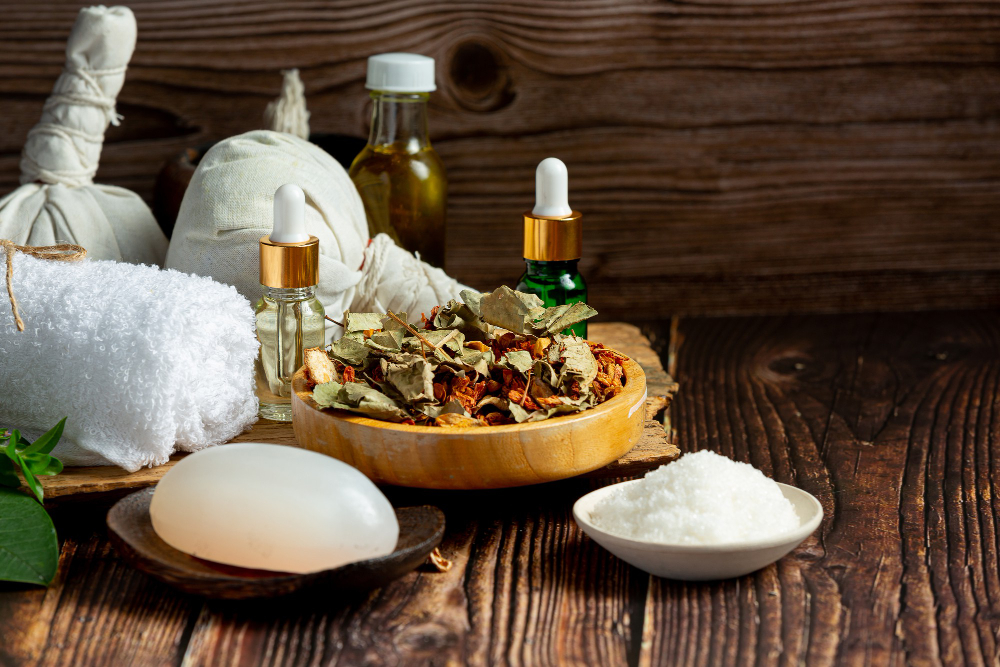
The right time for Panchakarma depends on your age, health, body constitution and treatment needs. Monsoon is traditionally considered a favourable season in Ayurveda, but spring, autumn and other periods may also be suitable. An Ayurvedic physician should assess your health before recommending the timing and therapies.
Panchakarma is best planned when your body is ready for the treatment, not simply when a particular season arrives. Ayurveda considers seasonal changes, digestion, age, physical strength and individual health before recommending this traditional cleansing approach.
At Sitaram Retreat, Panchakarma is approached as a personalised healing journey, guided by qualified Ayurvedic physicians. Understanding the right timing is the first step towards planning your treatment. Discover panchakarma for infertility to understand traditional Ayurvedic approaches to reproductive wellness and their role alongside appropriate medical care.
Panchakarma: When to Do It for the Best Results?
In Ayurveda, Panchakarma is not a one-size-fits-all treatment. Its timing depends on an individual’s Prakriti (body constitution), Vikriti (current imbalance), digestive strength and overall health.
Traditionally, seasonal changes are considered important because they influence the body’s natural rhythms. Monsoon receives particular attention in classical Ayurvedic practice, although other seasons may also be appropriate depending on the treatment prescribed.
An Ayurvedic physician considers several factors before recommending a programme:
- Your current health and medical history.
- Age and physical strength.
- Digestive capacity and appetite.
- Existing health concerns and medications.
- Seasonal conditions and local climate.
- Ability to follow the prescribed diet and rest routine.
The objective is to select a suitable treatment plan rather than follow a fixed calendar. Explore panchakarma for pcos to learn about traditional Ayurvedic therapies, their potential role in hormonal wellness, and the importance of personalised professional guidance.
What Is the Best Season for Panchakarma?
Ayurveda follows the principle of Ritucharya, which refers to adapting food, lifestyle and daily routines according to seasonal changes. These seasonal patterns also influence how Ayurvedic treatments are planned.
Here is how different seasons are traditionally considered when discussing Panchakarma.
1. Monsoon: A Traditionally Preferred Season
Monsoon is widely recognised in Ayurveda as a favourable period for certain Panchakarma procedure. Changes in humidity, temperature and digestion are considered when planning seasonal treatments.
The traditional Ayurvedic understanding associates the rainy season with increased Vata sensitivity and changes in digestive strength. This makes seasonal assessment particularly important.
However, monsoon is not automatically suitable for everyone. A person’s physical condition, digestion and medical history must be considered before beginning treatment.
2. Spring: A Season of Seasonal Transition
Spring is traditionally associated with Kapha accumulation and changes in the body’s seasonal balance.
An Ayurvedic physician may consider suitable therapies during this period based on the individual’s constitution and health requirements. Diet, activity and digestive capacity also influence treatment planning.
3. Summer: Consider Your Strength and Hydration
Hot weather can affect appetite, hydration and physical comfort. Therefore, Panchakarma during summer requires careful consideration of the person’s strength and the intensity of the proposed therapies.
An appropriate treatment may be planned when the physician considers the individual suitable. Summer should not be treated as an automatic restriction or recommendation.
4. Autumn: An Important Period in Ayurvedic Seasonal Care
Autumn follows the rainy season and is traditionally associated with Pitta-related seasonal changes.
Ayurveda considers this transition when recommending appropriate therapies and routines. The physician may evaluate the individual’s current condition before deciding whether a Panchakarma programme is suitable.
5. Winter: Is Panchakarma Suitable?
Winter can also be considered for selected Ayurvedic treatments. However, suitability depends on the person’s health, digestive capacity, physical strength and the specific procedures recommended.
There is no universal rule that Panchakarma must only be performed during monsoon. The right season is the one that aligns with the individual’s treatment requirements.
Does Age Matter When Deciding When to Do Panchakarma?
Age is an important consideration, but it does not independently determine whether someone can undergo Panchakarma.
An individual’s physical strength, health history, digestion and ability to tolerate the prescribed procedures are equally important.
- Young adults: Treatment suitability depends on health, lifestyle and specific requirements rather than age alone.
- Adults in their 30s and 40s: Work-related stress, irregular routines and existing health concerns may prompt people to explore Ayurvedic care. A physician must assess whether Panchakarma is appropriate.
- Adults above 50: Medical history, mobility, strength and ongoing medication require careful evaluation before treatment.
- Older adults: Age-related weakness and existing medical conditions may affect treatment suitability. Gentle alternatives may be considered when intensive procedures are inappropriate.
There is no single age at which everyone should begin Panchakarma. A professional assessment is essential at every stage of life.
When to Do Panchakarma Based on Your Health Conditions?
Your present health matters more than the month in which you plan treatment. Certain health concerns may lead someone to explore Panchakarma, but having a condition does not automatically make the treatment appropriate.
An Ayurvedic physician should review your symptoms, diagnosis, medications and medical history before making a recommendation.
Digestive Concerns
People experiencing digestive discomfort, irregular appetite or bloating may seek Ayurvedic guidance. The physician first evaluates the underlying concern and digestive capacity before considering suitable therapies.
Stress and Lifestyle-Related Fatigue
Irregular sleep, demanding schedules and prolonged stress can affect overall well-being. Some individuals explore Ayurvedic retreats to establish healthier routines and prioritise rest.
However, Panchakarma is not a substitute for mental healthcare or medical treatment when these are needed.
Joint Discomfort and Reduced Mobility
People experiencing joint discomfort or stiffness may enquire about Ayurvedic therapies. The appropriate approach depends on the diagnosis, severity of symptoms and physical condition.
Metabolic and Chronic Health Conditions
Individuals with diabetes, hypertension, cardiovascular conditions or other chronic illnesses require particular care. Their medications and overall health must be reviewed before any intensive Ayurvedic procedure is considered.
Panchakarma should never replace prescribed medication or necessary medical care.
Who Should Avoid or Postpone Panchakarma?
Panchakarma involves specific procedures that may not be suitable during every health condition or stage of life.
A physician may postpone intensive treatment or recommend an alternative for individuals experiencing:
- Acute fever or active infection.
- Severe physical weakness or dehydration.
- Unstable chronic medical conditions.
- Pregnancy or the immediate postpartum period.
- Significant nutritional deficiency or frailty.
- Other conditions that make intensive procedures unsuitable.
This list is not exhaustive. Treatment suitability must be established through individual medical assessment.
How to Prepare for Panchakarma at the Right Time
Choosing the timing is only one part of the panchakarma process. Proper preparation and post-treatment care are also important.
Depending on the prescribed programme, preparation may involve:
- Initial consultation: Discuss your medical history, current symptoms and treatment expectations.
- Dietary guidance: Follow the food recommendations provided by your Ayurvedic physician.
- Lifestyle adjustments: Maintain a suitable sleep schedule and avoid unnecessary physical exertion.
- Medication review: Inform the physician about all prescribed medicines and supplements. Never stop medication without medical advice.
- Time for recovery: Plan your schedule to accommodate treatment sessions, rest and post-treatment dietary instructions.
At Sitaram, Panchakarma is designed around individual requirements, with daily consultations with qualified Ayurvedic doctors. The treatment journey considers the different stages of care rather than treating every guest with an identical programme.
Why Choose Sitaram Retreat for Panchakarma?
Panchakarma requires more than selecting a convenient treatment date. The experience, medical supervision and surrounding environment also matter.
Sitaram brings together a legacy of over 100 years in Ayurveda, refined traditional formulations and personalised treatment planning. Its Panchakarma experience includes daily consultations with qualified Ayurvedic physicians.
Guests can explore two distinctive retreat settings:
- Sitaram Beach Retreat, Thrissur: Located along the Arabian Sea, the retreat offers a peaceful coastal setting for an Ayurvedic stay.
- Sitaram Mountain Retreat, Munnar: Surrounded by lush tea plantations, the mountain retreat provides a quieter setting amid nature.
The Panchakarma programme includes therapies selected according to individual assessment. Its treatment offerings include Vamanam, Virechanam, Basti, Nasyam and Raktamokshana, where clinically appropriate.
At Sitaram, the focus is on combining traditional Ayurvedic knowledge, physician guidance and a restorative retreat environment.
Plan Your Panchakarma Journey at Sitaram Retreat
The right time for Panchakarma is not determined by a calendar alone. Your age, physical strength, health conditions, body constitution and seasonal changes all play a role in deciding whether treatment is appropriate.
At Sitaram Retreat, traditional Ayurvedic practices are brought together with personalised physician consultations and peaceful natural surroundings. Whether you prefer the coastal setting of Thrissur or the mountain landscape of Munnar, your journey begins with understanding your individual needs.
Take the first step towards a thoughtfully planned Ayurvedic experience. Explore Sitaram’s Panchakarma programme and book a consultation to discuss the right treatment and timing with our Ayurvedic team.
Frequently Asked Questions
Q1. How often should you do Panchakarma?
There is no universal frequency. An Ayurvedic physician determines whether treatment is needed and how often it may be appropriate based on individual health.
Q2. Can Panchakarma be done throughout the year?
Yes, selected Panchakarma treatments may be planned in different seasons. The timing and procedures depend on individual assessment and seasonal suitability.
Q3. Is monsoon the best season for Panchakarma?
Monsoon is traditionally considered favourable for certain Panchakarma procedures in Ayurveda. However, it is not the best choice for every individual.
Q4. Will age affect Panchakarma treatment?
Age influences treatment planning, but overall health, physical strength, medical history and the type of procedure are equally important.
Q5. What health conditions should be assessed before Panchakarma?
Digestive concerns, diabetes, hypertension, cardiovascular conditions, infections and other chronic illnesses should be discussed with the physician before treatment.
Q6. Why is a consultation important before Panchakarma?
A consultation helps assess treatment suitability, identify possible risks, review medications and determine the appropriate procedures and duration.
Q7. How many days should you plan for Panchakarma?
The duration varies according to the treatment plan, individual health and recovery requirements. Your Ayurvedic physician can recommend an appropriate schedule.
Q8. Can you undergo Panchakarma without any health problems?
Panchakarma may be explored for wellness purposes, but it is not automatically necessary for healthy individuals. A physician should determine whether it is appropriate.
TABLE OF CONTENTS
- Panchakarma: When to Do It for the Best Results?
- What Is the Best Season for Panchakarma?
- Does Age Matter When Deciding When to Do Panchakarma?
- When to Do Panchakarma Based on Your Health Conditions?
- Who Should Avoid or Postpone Panchakarma?
- How to Prepare for Panchakarma at the Right Time
- Why Choose Sitaram Retreat for Panchakarma?
- Plan Your Panchakarma Journey at Sitaram Retreat
- Frequently Asked Questions