retreat@sitaramayurveda.com
 +91 813 8888 912

Udwarthanam Procedure: A Step-by-Step Guide to Ayurvedic Powder Massage

By Vignesh Devraj
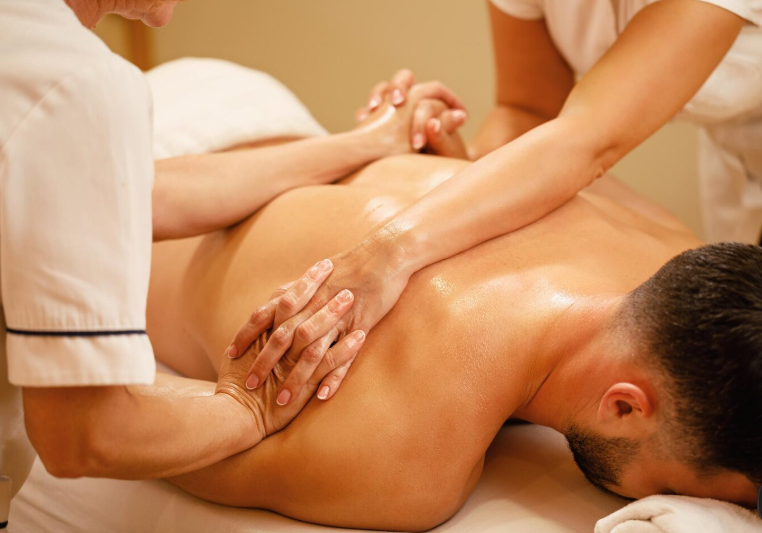
The Udwarthanam procedure is a traditional Ayurvedic powder massage in which medicated herbal powders are applied to the body using firm, vigorous upward strokes. The treatment is traditionally associated with skin cleansing, exfoliation, fluid balance and weight-management programmes. Its technique and herbal formulation are selected according to individual requirements.
The Udwarthanam procedure combines herbal powder application with rhythmic upward massage movements to create a stimulating Ayurvedic treatment experience. At Sitaram Retreat, this therapy is offered as part of a traditional Ayurvedic wellness approach. Understanding its steps, preparation and aftercare can help you know what to expect before considering the treatment.
Since the Udwarthanam procedure is often compared with oil-based therapies, it helps to know how the two approaches feel and work differently. If you want to understand the oil-based side of this comparison, our article on Abhyanga oil massage explains the technique and its traditional purpose.
What Is the Udwarthanam Procedure in Ayurveda?
Udwarthanam is a traditional Ayurvedic therapy that involves massaging the body with medicated herbal powders instead of conventional massage oils. The word is associated with upward movements, which describe the direction of the strokes used during the treatment.
Unlike Abhyanga, which primarily uses medicated oils and flowing massage techniques, this therapy creates friction through the application of herbal powders. The therapist works across different body areas using firm, repetitive movements.
In Ayurveda, Udwarthanam is traditionally associated with managing excess Kapha and Medas (adipose tissue). It is also used for skin cleansing and exfoliation and may form part of a broader Ayurvedic weight-management programme.
At Sitaram Retreat, the treatment involves applying medicated herbal powder and rubbing it vigorously over the body in an upward direction. The therapist performs the procedure in different positions, similar to Abhyangam.
The formulation, pressure and treatment approach may vary according to an individual’s constitution, skin condition and therapeutic requirements.
Many people consider this therapy as part of an Ayurvedic weight-management routine, particularly when excess Kapha and Medas are relevant. To see how another traditional therapy is used for this purpose, you can read our guide on Dhanyamla Dhara for weight loss.
What Are the Different Types of Udwarthanam?
Ayurvedic powder massage can involve different approaches depending on the ingredients, preparation and intended therapeutic application.
1. Ruksha Udwarthanam (Dry Powder Massage)
Ruksha Udwarthanam uses dry herbal powders that are rubbed directly over the body using firm upward strokes.
Its characteristic features include:
- Application of dry medicated herbal powders.
- Vigorous rubbing movements that create friction.
- A stimulating and exfoliating massage experience.
- Traditional association with managing excess Kapha.
This approach may not suit people with excessively dry or sensitive skin, making professional assessment important before treatment.
2. Snigdha Udwarthanam (Oily Powder Massage)
Snigdha Udwarthanam involves combining herbal powders with suitable oils or other prescribed ingredients. This creates a different texture and application method compared with dry powder massage.
The selection between these approaches depends on individual Ayurvedic assessment, skin condition and treatment requirements.
Powder-based treatments are not limited to Udwarthanam, and Ayurveda includes other body therapies that are chosen according to individual needs. One related option is Utsadanam, a traditional herbal body therapy that is also used in selected wellness plans.
How Is the Udwarthanam Procedure Performed?
The treatment follows a systematic approach involving herbal powder preparation, application and massage. Each stage contributes to the overall experience, while the technique and intensity are adjusted according to individual suitability.
Step 1: Initial Ayurvedic Consultation
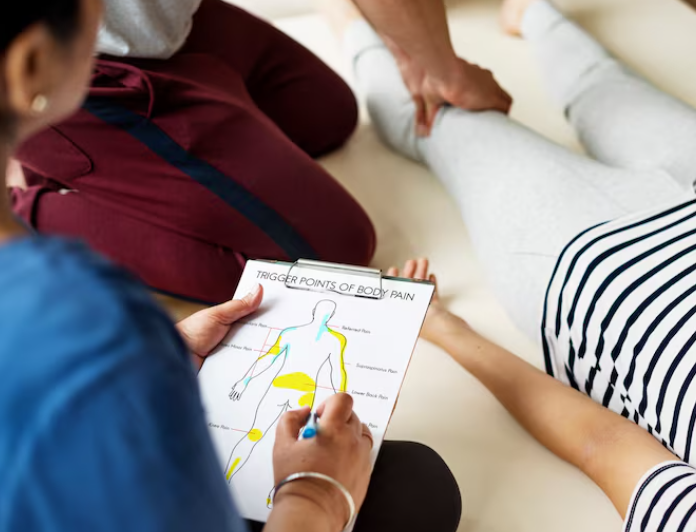
Before beginning the treatment, the practitioner evaluates the individual’s health condition and therapeutic requirements.
This assessment may consider:
- Body constitution (Prakriti).
- Physical strength and general health.
- Skin condition and sensitivity.
- Existing health concerns.
- Treatment goals and suitability.
This consultation helps determine whether the therapy is appropriate and which treatment approach should be followed.
Step 2: Selection of Medicated Herbal Powder
The herbal formulation is an important part of the treatment. Different Ayurvedic preparations contain different ingredients, and the appropriate combination depends on the individual’s requirements.
The practitioner considers factors such as skin sensitivity, body constitution and the intended treatment approach before selecting the powder.
The formulation should not be treated as a universal mixture because not every ingredient is suitable for every person.
Step 3: Application of Herbal Powder
Once the preparation is ready, the medicated herbal powder is applied to the appropriate body areas.
The therapist distributes it across the skin to prepare for the massage movements. The amount and application technique may vary according to the formulation and treatment plan.
Step 4: Performing Firm Upward Massage Strokes
This is the central stage of the treatment.
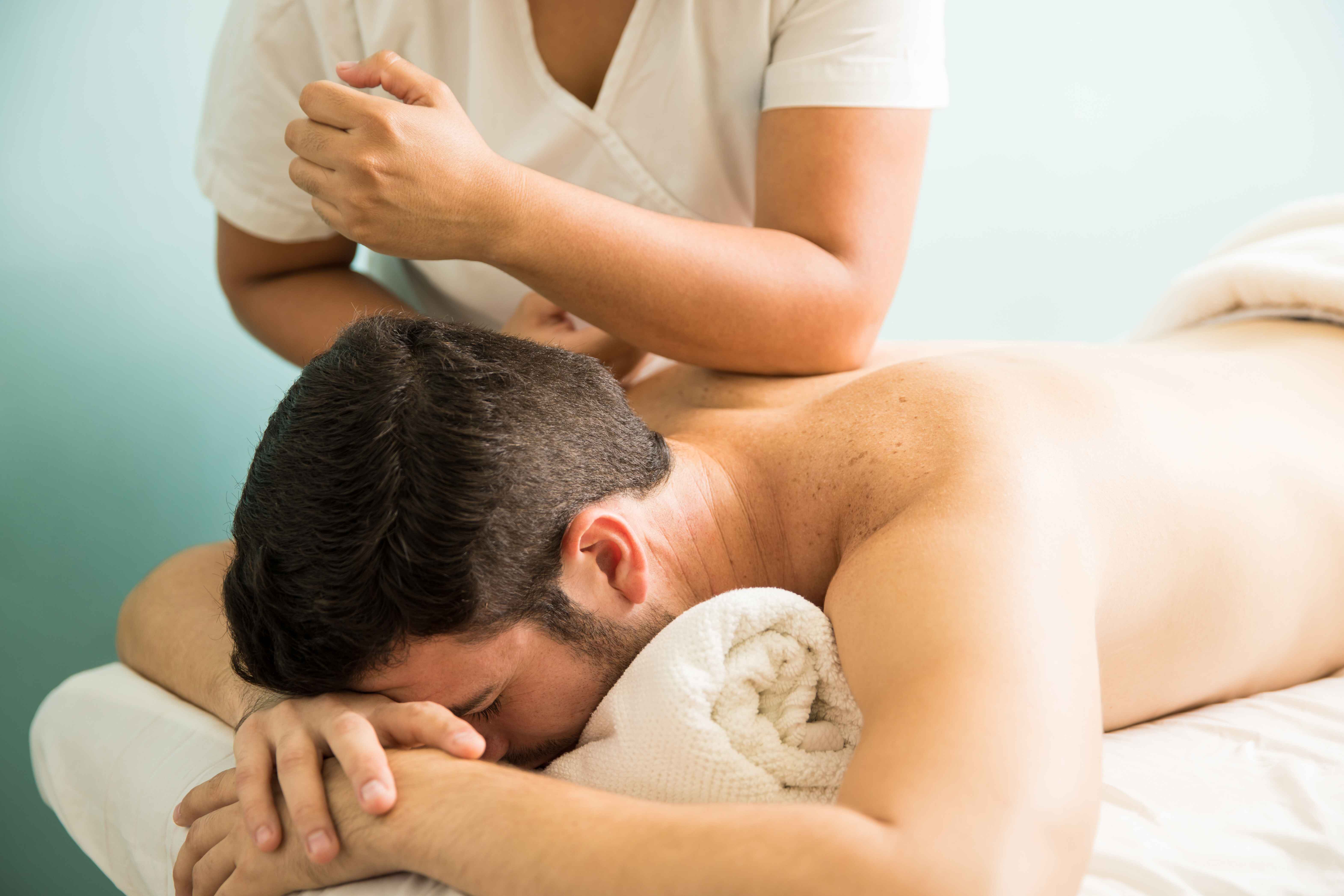
The therapist rubs the herbal powder over the body using vigorous, rhythmic movements, generally working in an upward direction.
The technique involves:
- Applying consistent, controlled pressure.
- Using repetitive upward strokes.
- Working systematically across different body areas.
- Adjusting massage intensity according to individual tolerance.
- Changing body positions to access the required areas.
At Sitaram Retreat, the treatment is performed in different positions, similar to Abhyangam. The upward rubbing technique is a defining feature of this traditional Ayurvedic massage.
Step 5: Removal of Herbal Powder and Cleansing
After the massage, excess herbal powder is removed from the body. The therapist may recommend appropriate cleansing or bathing based on the treatment protocol.
Post-treatment instructions should be followed carefully, particularly if the skin feels dry or sensitive after the massage.
If you would like to know how this treatment is offered after a physician’s assessment, you can visit our Udwarthanam therapy page to learn more about it at Sitaram Retreat.
What Are the Benefits of Udwarthanam?
Udwarthanam has several traditional applications in Ayurvedic wellness. Its benefits are generally associated with the herbal ingredients, massage technique and individual treatment requirements.
1. Supports Traditional Weight-Management Approaches
In Ayurveda, this therapy is traditionally associated with managing excess Kapha and Medas. It may be included in supervised weight-management programmes alongside appropriate dietary and lifestyle recommendations.
However, massage alone should not be considered a proven method of significant or sustained weight loss.
2. Helps Exfoliate the Skin
The friction created by herbal powder massage can help remove surface dead skin cells. This mechanical exfoliation may leave the skin feeling smoother and refreshed.
3. Supports Skin Cleansing
The application and removal of herbal powder provide a cleansing experience. The treatment is traditionally used to support skin hygiene and surface cleansing.
4. Traditionally Used for Fluid Balance
Ayurvedic practice associates this therapy with addressing excess fluid retention. However, it should not replace medical evaluation or treatment for unexplained swelling or fluid accumulation.
5. May Improve the Appearance of Cellulite
Sitaram Retreat lists cellulite reduction among the stated benefits of its therapy. However, individual cosmetic outcomes can vary, and massage should not be presented as a guaranteed method of removing cellulite or body fat.
What Is the Role of Herbal Powders in the Treatment?
Medicated herbal powders are central to this Ayurvedic therapy. Their texture and composition contribute to the treatment’s distinctive friction-based massage experience.
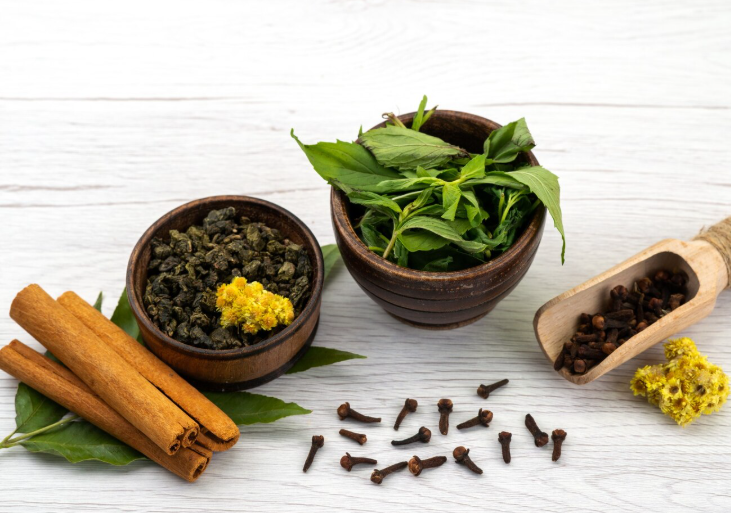
Common ingredients found in some traditional formulations include:
- Triphala: A traditional Ayurvedic herbal combination.
- Turmeric: Commonly used in Ayurvedic skin-care preparations.
- Horse gram: Used in selected traditional herbal powder formulations.
- Barley: Included in certain Ayurvedic preparations.
- Ginger: Used in traditional herbal formulations.
Not every preparation contains these ingredients. The selection depends on the specific formulation and individual requirements. Herbal ingredients can also cause skin reactions, so allergies and sensitivities should be discussed before treatment.
How Long Does an Udwarthanam Treatment Take?
The duration of an individual massage session depends on the treatment plan and the practitioner’s recommendations.
Sitaram Retreat also describes a broader Ayurvedic programme involving three phases:
| Treatment phase | Duration |
| Preparation phase | 3–5 days |
| Main cleansing phase | 5–7 days |
| Rejuvenation phase | 5–7 days |
These durations refer to the wider programme, not to one individual massage session. The complete treatment schedule depends on personal assessment.
What Should You Do Before and After the Treatment?
Following suitable preparation and aftercare instructions can help make the treatment experience more comfortable.
Before treatment:
- Discuss your medical history with the practitioner.
- Inform the therapist about herbal allergies or skin sensitivity.
- Follow the recommended preparation instructions.
- Wear comfortable clothing.
- Avoid starting treatment without professional assessment.
After treatment:
- Follow the recommended cleansing and bathing instructions.
- Allow yourself time to rest if advised.
- Follow any prescribed dietary and lifestyle recommendations.
- Report unusual irritation, discomfort or skin reactions.
- Avoid repeating vigorous exfoliation immediately if your skin feels sensitive.
Who Should Avoid or Take Precautions Before Udwarthanam?
Although this is a traditional Ayurvedic therapy, it may not be appropriate for everyone. Vigorous rubbing and herbal ingredients can irritate certain skin conditions.
Professional assessment is particularly important for people with:
- Open wounds or active skin infections.
- Severe skin sensitivity or known herbal allergies.
- Acute inflammation or unexplained body pain.
- Certain circulatory or medical conditions.
- Pregnancy or other circumstances requiring additional precautions.
People managing ongoing medical conditions should discuss the treatment with their healthcare professional before proceeding. A qualified Ayurvedic practitioner can assess suitability and recommend an appropriate approach.
Udwarthanam vs Abhyanga: What Is the Difference?
Both are traditional Ayurvedic massage therapies, but their application methods and treatment approaches differ.
| Feature | Udwarthanam | Abhyanga |
| Main medium | Medicated herbal powder | Medicated Ayurvedic oil |
| Application | Firm rubbing movements | Flowing massage movements |
| Direction | Generally upward strokes | Depends on the massage technique |
| Texture | Dry or prepared herbal powder | Oil-based |
| Traditional association | Kapha management | Vata management |
| Massage experience | Stimulating and exfoliating | Nourishing and relaxing |
Neither treatment is universally better. The appropriate therapy depends on individual health requirements, body constitution and professional Ayurvedic recommendations.
Can Udwarthanam Help With Weight Loss?
Udwarthanam is traditionally included in Ayurvedic weight-management programmes, particularly in approaches concerned with excess Kapha and Medas.
The treatment uses herbal powder and vigorous massage movements, but it should not be considered a standalone weight-loss solution. Sustainable weight management involves several factors, including:
- Balanced dietary habits.
- Regular physical activity.
- Appropriate sleep and rest.
- Consistent lifestyle changes.
- Professional guidance where required.
An Ayurvedic practitioner can determine whether this therapy is suitable as part of a broader wellness programme.
Experience Traditional Udwarthanam Therapy at Sitaram Retreat
Understanding the treatment technique is important, but choosing the right therapeutic approach matters just as much. The herbal formulation, massage intensity and overall treatment plan should reflect individual requirements.
At Sitaram Retreat, Udwarthanam is offered as part of its traditional Ayurvedic therapies. The treatment involves medicated herbal powder, vigorous upward movements and different body positions similar to Abhyangam.
The retreat also follows a broader Ayurvedic approach that considers individual health, physical strength, mental strength and body constitution when planning treatments.
If you are interested in experiencing this traditional Ayurvedic powder massage, consult the Ayurvedic team at Sitaram Retreat to understand its suitability for your needs.
Explore Udwarthanam Therapy at Sitaram Retreat and take the next step towards a personalised Ayurvedic wellness experience.
Frequently Asked Questions
Q1. How is the Udwarthanam procedure performed?
Medicated herbal powder is applied to the body and vigorously rubbed using firm upward strokes. The therapist works across different body positions according to the treatment plan.
Q2. Can Udwarthanam help with weight loss?
It may be included in an Ayurvedic weight-management programme, but massage alone is not a proven method of significant or sustained weight loss.
Q3. Is Udwarthanam a dry powder massage?
Yes. Ruksha Udwarthanam is the dry powder variation. Snigdha Udwarthanam uses herbal powders combined with suitable oils or other ingredients.
Q4. Will Udwarthanam improve skin texture?
The friction created by herbal powder massage can help exfoliate surface dead skin cells, potentially leaving the skin feeling smoother. Results vary according to skin condition and treatment technique.
Q5. What powder is used in Udwarthanam?
The treatment uses medicated herbal powders. Ingredients and formulations vary depending on individual requirements and the practitioner’s recommendations.
Q6. Why is Udwarthanam performed with upward strokes?
Upward movements are a defining feature of the traditional technique. They form part of the vigorous rubbing method used during the massage.
Q7. How long does a Udwarthanam session take?
The duration varies according to the treatment protocol and individual requirements. A practitioner can recommend an appropriate session duration after assessment.
Q8. What is the difference between Udwarthanam and Abhyanga?
Udwarthanam primarily uses medicated herbal powders and upward rubbing movements, whereas Abhyanga uses Ayurvedic oils and flowing massage techniques. Both have different traditional applications.
TABLE OF CONTENTS
- What Is the Udwarthanam Procedure in Ayurveda?
- What Are the Different Types of Udwarthanam?
- How Is the Udwarthanam Procedure Performed?
- What Are the Benefits of Udwarthanam?
- What Is the Role of Herbal Powders in the Treatment?
- How Long Does an Udwarthanam Treatment Take?
- What Should You Do Before and After the Treatment?
- Who Should Avoid or Take Precautions Before Udwarthanam?
- Udwarthanam vs Abhyanga: What Is the Difference?
- Can Udwarthanam Help With Weight Loss?
- Experience Traditional Udwarthanam Therapy at Sitaram Retreat
- Frequently Asked Questions