retreat@sitaramayurveda.com
 +91 813 8888 912

Panchakarma Types: A Complete Guide to the 5 Ayurvedic Detox Therapies

By Vignesh Devraj
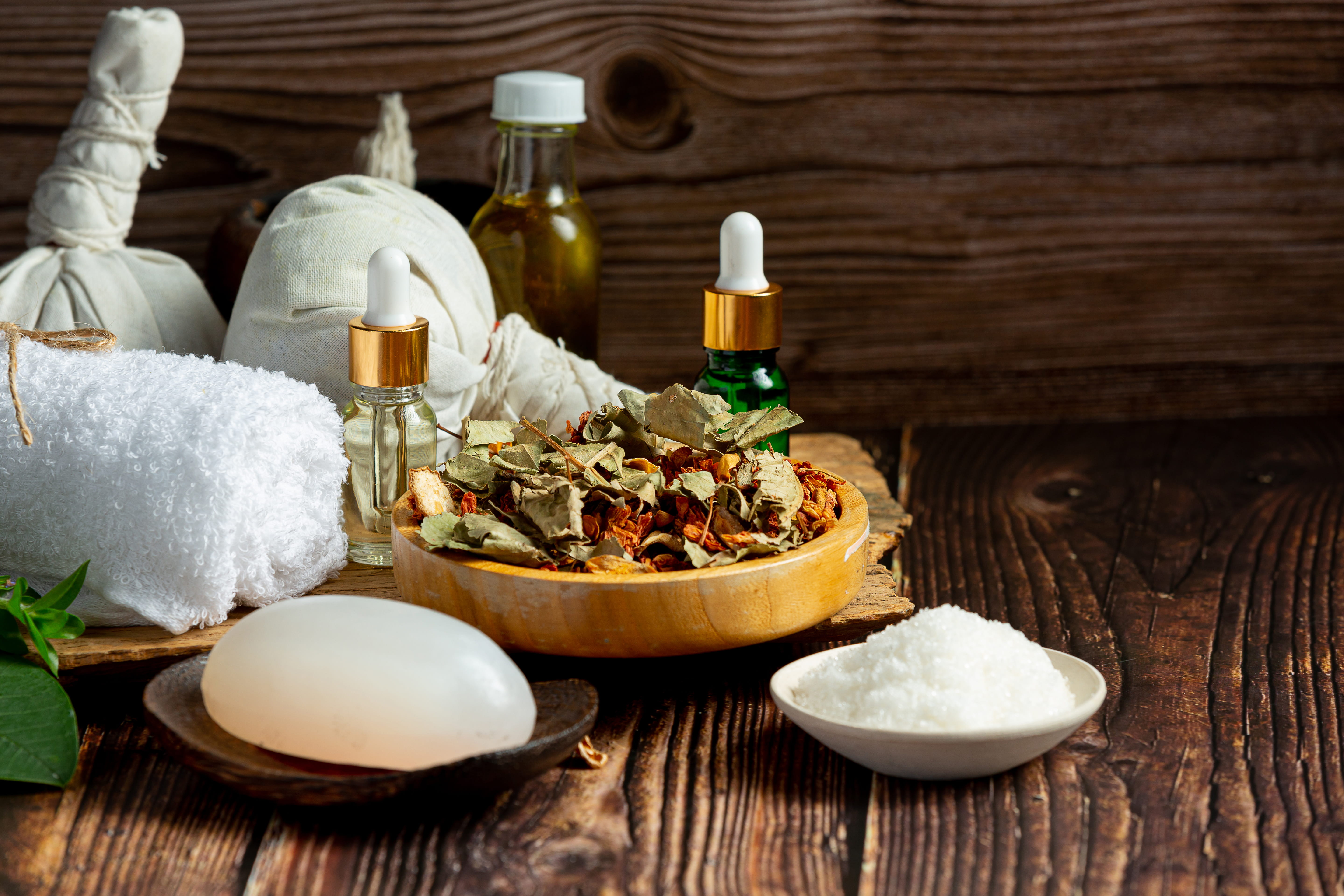
Panchakarma types are five classical Ayurvedic detox therapies designed to eliminate toxins and restore balance in the body. Each therapy targets specific health concerns or dosha imbalances and must be chosen based on individual needs. When performed under expert supervision, Panchakarma supports digestion, immunity, and overall long-term wellness.
Understanding panchakarma types is essential if you are considering Ayurvedic detox for long-term health. At Sitaram Retreat, these therapies are approached as personalised healing processes rather than generic treatments. Panchakarma is not simply about cleansing the body. It is a structured method of restoring balance by addressing the root cause of disease. By learning how each therapy works, you can make informed decisions and experience Ayurveda in its most authentic form.
What is Panchakarma in Ayurveda
Panchakarma is one of the most respected therapeutic approaches in Ayurveda. The word itself means five actions, referring to five distinct detoxification procedures. These therapies are designed to remove deeply accumulated toxins known as Ama and restore harmony between the body and mind. Ayurvedic journey often explore what is Panchakarma treatment to better understand the foundation of these therapies.
In Ayurveda, health is defined as a balance between three doshas. These are Vata, which governs movement, Pitta, which controls metabolism, and Kapha, which provides structure and stability. When these doshas become imbalanced due to diet, stress, or lifestyle, toxins begin to accumulate.
Panchakarma works by loosening, mobilising, and eliminating these toxins from the body. Unlike surface-level detox methods, it reaches deeper tissues and supports the body’s natural healing intelligence.
Why Understanding Panchakarma Types Matters
Each of the five panchakarma types serves a unique purpose. Choosing the wrong therapy can disturb the body instead of healing it. That is why Ayurveda emphasises individual assessment before beginning treatment.
The right therapy depends on several factors. These include your natural body constitution, your current imbalance, your digestion, and your overall strength. For example, a therapy that benefits someone with a Kapha imbalance may not be suitable for someone with dominant Vata.
Understanding these differences ensures that Panchakarma becomes a safe and transformative experience rather than a trial-and-error process. Learning about the broader Panchakarma benefits can also help individuals understand how these therapies support long-term wellness.
The 5 Main Panchakarma Types Explained
1. Vamana Therapy
Vamana is a controlled therapeutic process that eliminates excess Kapha from the body. It primarily works through induced vomiting under medical supervision.
This therapy is often recommended for individuals experiencing respiratory congestion, chronic allergies, or metabolic heaviness. It helps clear mucus accumulation and improves breathing capacity.
Vamana is not a harsh procedure when done correctly. It is carefully prepared and monitored to ensure that only toxins are expelled while preserving strength.
2. Virechana Therapy
Virechana focuses on cleansing the digestive tract and liver. It is especially beneficial for Pitta-related conditions.
This therapy uses herbal formulations to induce controlled purgation. It removes toxins associated with heat and inflammation from the body.
It is commonly recommended for skin disorders, acidity, liver imbalance, and digestive disturbances. After Virechana, many individuals experience lighter digestion, clearer skin, and improved energy levels.
3. Basti Therapy
Basti is widely regarded as the most powerful among all panchakarma types. It targets Vata dosha, which influences many bodily functions including the nervous system.
This therapy involves the administration of medicated oils or herbal decoctions through the rectum. It nourishes tissues while also removing toxins from the colon.
Types of Basti include:
- Oil-based Basti, which lubricates and strengthens the body
- Herbal decoction Basti, which cleanses and detoxifies
Basti is especially helpful for joint pain, arthritis, neurological conditions, and chronic dryness. It is often included as supportive care in Ayurvedic treatment for fibromyalgia because of its role in balancing Vata and reducing pain.
4. Nasya Therapy
Nasya is a therapy that involves the administration of herbal oils through the nasal passages. It is designed to cleanse the head and neck region.
This therapy is beneficial for sinus congestion, headaches, mental fog, and sleep disturbances. It also enhances clarity and concentration.
Nasya is gentle yet highly effective, particularly for individuals who experience stress-related issues or frequent respiratory discomfort. It may also complement therapies focused on emotional wellness, such as Ayurvedic treatment for anxiety and Ayurvedic treatment for stress.
5. Raktamokshana Therapy
Raktamokshana is a specialised detox therapy aimed at purifying the blood. It is less commonly used but holds great importance in classical Ayurveda.
This therapy is recommended for certain skin conditions, chronic inflammation, and toxin accumulation in the bloodstream.
When performed by skilled practitioners, it can bring significant relief in conditions that do not respond to other treatments. It may also support circulatory health alongside therapies like Ayurvedic treatment for varicose veins.
Pre and Post Panchakarma Phases
Preparation Phase
Before the main therapies begin, the body is prepared through specific techniques.
These include:
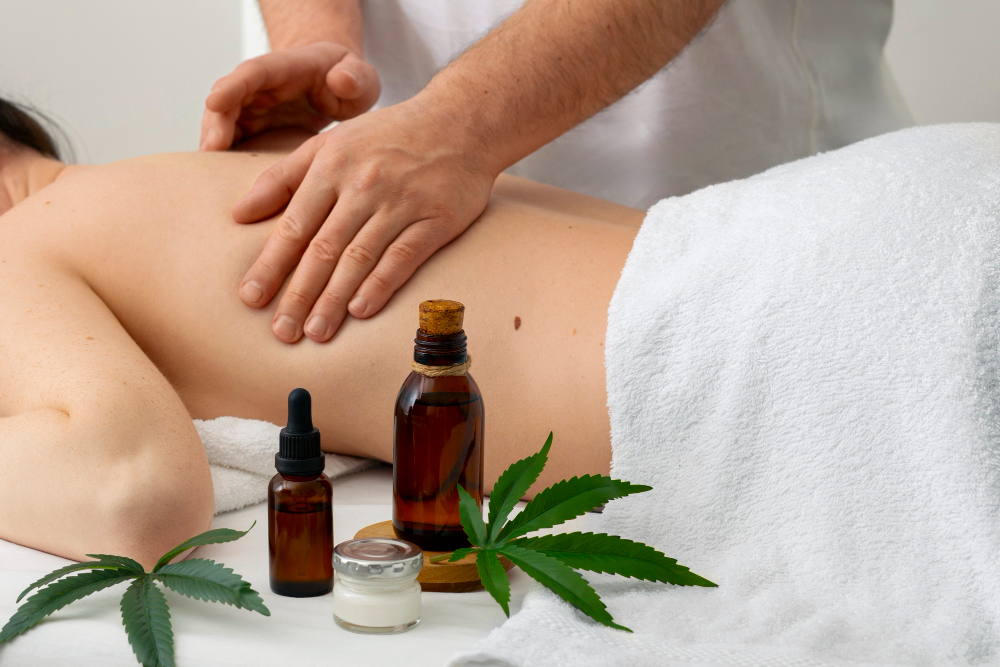
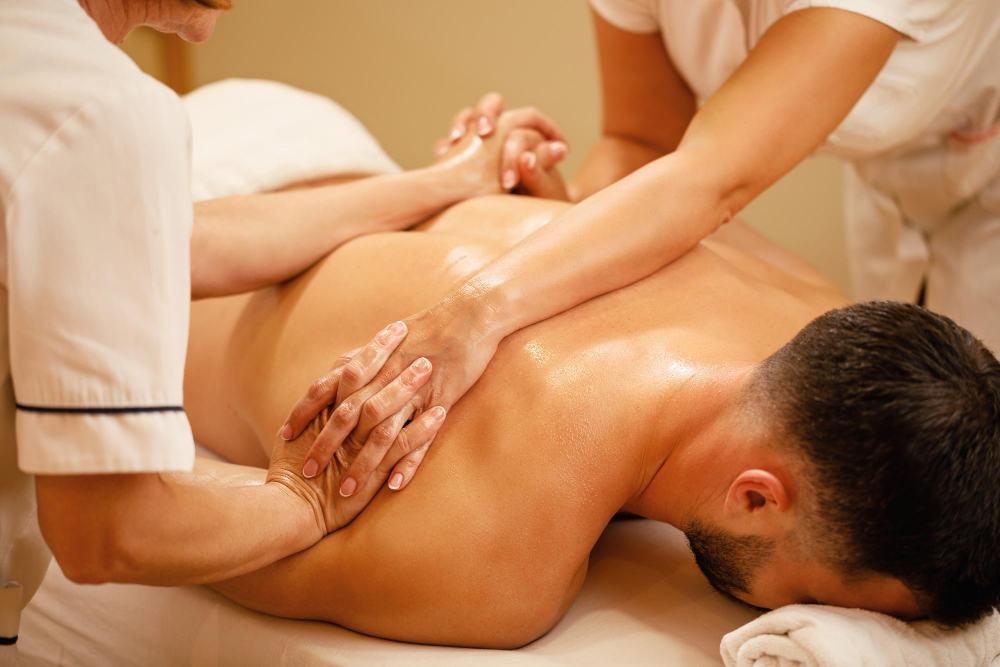
- Oil and herbal massages, which helps loosen toxins
- Steam and other heating therapy, which opens the channels
This stage ensures that toxins are mobilised effectively.
Main Detox Phase
During this stage, one or more panchakarma types are administered based on individual diagnosis.
The therapies are carried out with precision and care, ensuring that the body eliminates toxins without strain.
Recovery Phase
After detox, the body requires nourishment and rest.
This includes:
- Light and easily digestible meals
- Gradual return to normal routine
- Lifestyle adjustments to maintain balance
This phase is essential for rebuilding strength and sustaining the benefits of Panchakarma.
Benefits of Panchakarma Treatments
Panchakarma offers a wide range of benefits when performed correctly.
These include:
- Deep detoxification at a cellular level
- Improved digestion and metabolism
- Better mental clarity and emotional balance
- Relief from chronic conditions
- Restoration of natural energy levels
It is not just a physical cleanse but a complete reset for the body and mind. Many individuals also explore detailed Panchakarma treatment benefits to understand how these therapies contribute to long-term preventive health.
How to Choose the Right Panchakarma Type
Selecting the appropriate therapy requires proper Ayurvedic evaluation.
An experienced practitioner will assess:
- Your dosha imbalance
- Your current symptoms
- Your digestion and lifestyle
Self-diagnosis can lead to incorrect choices and may aggravate existing issues. Professional guidance ensures that the therapy is both safe and effective.
Why Kerala is Ideal for Panchakarma
Kerala is considered one of the best destinations for authentic Panchakarma treatments.
The region offers:
- A climate that supports detoxification
- Access to fresh medicinal herbs
- A long-standing tradition of Ayurvedic practice
The natural surroundings also enhance relaxation and healing, making the entire process more effective.
What to Expect During a Panchakarma Retreat
A Panchakarma retreat is designed to support healing in a structured environment.
A typical day may include:
- Morning yoga and breathing practices
- Consultation with your doctor
- Personalised therapies
- Time for rest and reflection
- Balanced Ayurvedic meals
The experience goes beyond physical treatment. It encourages mindfulness, discipline, and a deeper connection with your body.
Experience Authentic Panchakarma at Sitaram Retreat
For those seeking a deeply authentic and guided experience, Sitaram Retreat offers a setting rooted in traditional Ayurvedic wisdom.
With personalized treatment plans, experienced practitioners, and a peaceful healing environment, it provides the ideal space to experience Panchakarma safely and effectively.
Begin your journey toward balance and renewal with expert care and a time-honored approach to wellness.
Final Thoughts
Panchakarma is a profound healing system that requires understanding, patience, and proper guidance. Learning about different panchakarma types allows you to approach this process with clarity and confidence. When done correctly, it can lead to lasting improvements in both physical and mental wellbeing.
Disclaimer: This content is for informational purposes only and is not a substitute for professional medical advice. Always consult your healthcare provider.
Frequently Asked Questions
Q1. How do I know which Panchakarma type is right for me?
A qualified Ayurvedic practitioner evaluates your body type, symptoms, and lifestyle before recommending a specific therapy. Personalisation is essential for safe results.
Q2. Can Panchakarma be done at home?
Basic preparatory practices can be done at home, but the main therapies should always be performed under professional supervision to avoid complications.
Q3. Is Panchakarma safe for everyone?
It is generally safe when guided by experts. However, people with certain medical conditions should consult a doctor before starting treatment.
Q4. Will Panchakarma help improve digestion?
Yes, Panchakarma removes toxins that interfere with digestion and helps restore balance in the digestive system.
Q5. What is the most effective Panchakarma therapy?
Basti is often considered the most effective because it directly balances Vata, which influences many functions in the body.
Q6. Why is preparation necessary before Panchakarma?
Preparation helps loosen toxins and bring them into circulation so they can be eliminated effectively during treatment.
Q7. How long does Panchakarma treatment usually take?
The duration can vary depending on individual needs. It may last from a few days to several weeks.
Q8. Can Panchakarma be used for preventive health?
Yes, many people undergo Panchakarma to maintain balance, prevent disease, and support overall wellness.
TABLE OF CONTENTS
- What is Panchakarma in Ayurveda
- Why Understanding Panchakarma Types Matters
- The 5 Main Panchakarma Types Explained
- Pre and Post Panchakarma Phases
- Benefits of Panchakarma Treatments
- How to Choose the Right Panchakarma Type
- Why Kerala is Ideal for Panchakarma
- What to Expect During a Panchakarma Retreat
- Experience Authentic Panchakarma at Sitaram Retreat
- Final Thoughts
- Frequently Asked Questions