retreat@sitaramayurveda.com
 +91 813 8888 912


How Panchakarma Is Done: Step-by-Step (Purvakarma → Pradhanakarma → Paschatkarma)

By Vignesh Devraj
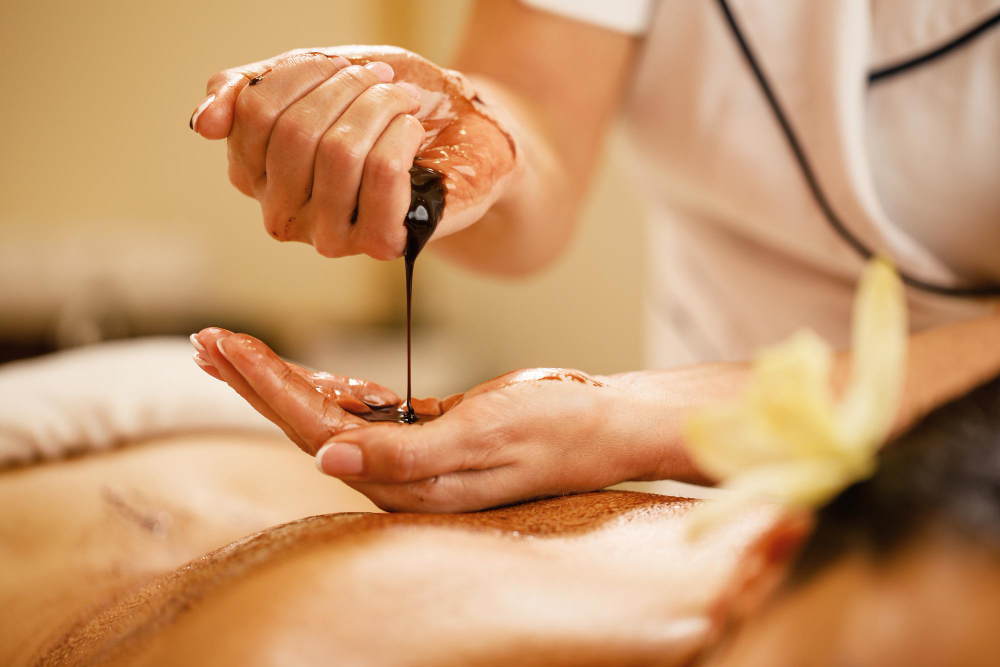
Panchakarma is done in three stages: Purvakarma (preparation), Pradhanakarma (main treatment) and Paschatkarma (recovery). An Ayurvedic physician first assesses the individual’s health and determines suitable therapies. The panchakarma process may involve oil treatments, herbal preparations, selected cleansing procedures, dietary guidance and post-treatment care.
Understanding how Panchakarma is done helps you know what to expect before beginning this traditional Ayurvedic treatment. At Sitaram Retreat, Panchakarma follows an individualised approach guided by Ayurvedic principles, with attention to therapies, nutrition and recovery. But what actually happens during each stage, and why is every step important?
What Is Panchakarma Treatment?
Panchakarma is a traditional Ayurvedic treatment approach involving specialised procedures intended to address imbalances in the body’s doshas: Vata, Pitta and Kapha. The Sanskrit word Panchakarma means “five actions”, referring to five principal therapeutic procedures described in Ayurveda.
Unlike a regular oil massage or relaxation therapy, Panchakarma follows a planned process that includes preparation, selected treatments and post-treatment care.
Its five traditional procedures are:
- Vamana: Therapeutic emesis, traditionally used for Kapha-related imbalances.
- Virechana: Therapeutic purgation, traditionally associated with Pitta management.
- Basti: Medicated enema therapy, commonly associated with Vata management.
- Nasya: Administration of prescribed medicines through the nasal route.
- Raktamokshana: A specialised bloodletting procedure described in classical Ayurveda.
Not everyone requires all five procedures. The Ayurvedic physician selects appropriate treatments after considering the individual’s constitution, health history, age and overall condition. Explore panchakarma for pcos to learn about traditional Ayurvedic therapies, their potential role in hormonal wellness, and the importance of personalised professional guidance.
Why Is Panchakarma Treatment Done?
According to traditional Ayurveda, Panchakarma is performed to address specific doshic imbalances and support the body’s natural functions through individualised therapeutic procedures.
People may consider Panchakarma for several reasons:
- To address imbalances in Vata, Pitta or Kapha.
- To support digestive health and metabolic balance within the Ayurvedic framework.
- To complement an individualised Ayurvedic wellness programme.
- To support traditional rejuvenation and restorative practices.
- To follow a structured approach to managing certain health concerns.
Why Panchakarma treatment is recommended depends on the individual’s assessment rather than a single universal purpose. It is not a guaranteed cure or a substitute for necessary medical treatment. A qualified practitioner should determine whether the procedures are appropriate. Discover panchakarma for infertility to understand traditional Ayurvedic approaches to reproductive wellness and their role alongside appropriate medical care.
How Is Panchakarma Done? Understanding the Three Stages
The Panchakarma process traditionally follows three stages: Purvakarma, Pradhanakarma and Paschatkarma. Each stage has a distinct purpose, and the physician determines the therapies and duration according to individual requirements.
1. Purvakarma: Preparing the Body for Treatment
Purvakarma is the preparatory stage. Its purpose is to prepare the individual for the main procedures through selected dietary measures and Ayurvedic therapies.
It generally involves the following practices:
Deepana and Pachana
These preparatory practices traditionally aim to support digestive capacity. Ayurvedic physicians may prescribe specific herbal preparations and dietary adjustments depending on the individual’s condition.
Snehana (Oleation Therapy)
Snehana involves the therapeutic use of oils or ghee. It can include:
- Internal oleation (Snehapanam), using prescribed amounts of medicated ghee or oil.
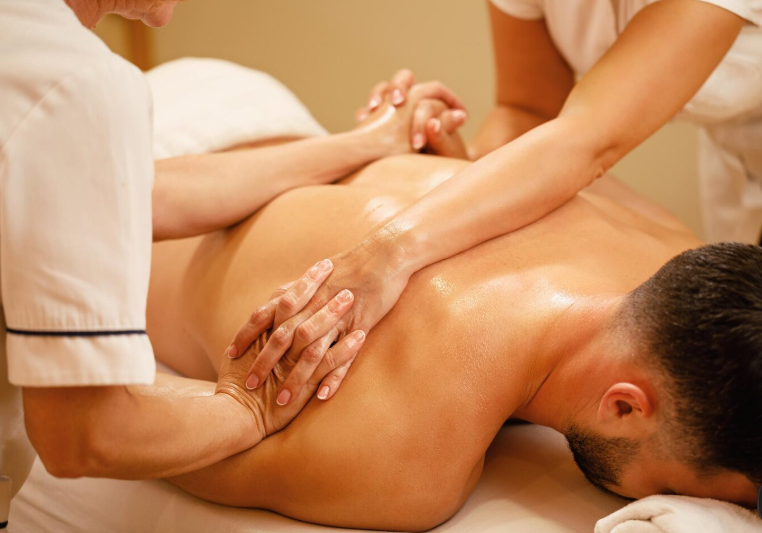
- External oleation (Abhyanga), involving the application of warm herbal oils through massage.
The choice of oils and method depends on the prescribed treatment plan.
Swedana (Sudation Therapy)
Swedana involves therapeutic sweating, commonly through controlled steam or heat treatments. It is often performed after oleation as part of the preparatory process.
Together, these practices prepare the individual for the selected main therapies. Their suitability and sequence are determined by the Ayurvedic physician.
2. Pradhanakarma: The Main Panchakarma Procedures
Pradhanakarma is the principal treatment stage. This is when the physician administers the selected Panchakarma procedure based on the individual’s needs.
The five traditional procedures include:
Vamana (Therapeutic Emesis)
Vamana is a physician-supervised procedure involving induced therapeutic vomiting using prescribed preparations. In traditional Ayurveda, it is primarily associated with managing Kapha-related imbalances.
Virechana (Therapeutic Purgation)
Virechana involves the administration of prescribed medicines to induce controlled bowel evacuation. It is traditionally associated with Pitta-related imbalances.
Basti (Medicated Enema)
Basti involves administering prescribed herbal oils or decoctions through the rectal route. Ayurveda traditionally considers it an important therapy for Vata-related imbalances.
Nasya (Nasal Therapy)
Nasya involves administering prescribed oils, herbal preparations or other medicines through the nasal passages. Its selection depends on the practitioner’s assessment.
Raktamokshana (Bloodletting)
Raktamokshana is a specialised procedure described in classical Ayurveda. It involves controlled bloodletting and requires appropriate clinical assessment, sterile conditions and trained supervision.
An important point: Although Panchakarma is associated with five procedures, every individual does not undergo all five. The physician chooses suitable therapies according to health status, treatment objectives and individual suitability.
3. Paschatkarma: Recovery and Rejuvenation
Paschatkarma is the final stage of Panchakarma. It focuses on helping the individual return to a regular diet and daily routine gradually after the main procedures.
This stage is important because the body may require time to adjust following intensive therapies.
Samsarjana Krama (Gradual Dietary Rehabilitation)
The physician may recommend a progressive dietary routine that begins with easily digestible foods and gradually introduces more substantial meals.
Common recommendations may include:
- Light rice preparations and soups.
- Easily digestible, freshly prepared meals.
- Adequate fluids as advised.
- Gradual return to regular eating habits.
Rasayana (Rejuvenation Support)
Rasayana refers to traditional Ayurvedic rejuvenation practices. Depending on the individual’s condition, the physician may recommend specific herbal preparations, dietary measures or supportive therapies.
Lifestyle and Rest
Post-treatment guidance may include:
- Getting sufficient sleep and rest.
- Avoiding strenuous physical activity initially.
- Following the prescribed dietary routine.
- Maintaining a regular daily schedule.
- Attending follow-up consultations.
Paschatkarma completes the treatment journey by providing guidance for recovery and continued wellbeing.
What Happens During a Typical Day of Panchakarma?
A typical day varies according to the prescribed programme and treatment stage. At an Ayurvedic retreat, the routine may include:
- Morning consultation: The physician reviews progress and discusses any concerns.
- Prescribed therapies: Selected oil treatments, massage or other procedures are administered.
- Ayurvedic meals: Food is prepared according to the individual’s dietary requirements.
- Rest and recovery: Adequate relaxation is incorporated between treatments.
- Supportive activities: Gentle yoga, breathing exercises or meditation may be included when appropriate.
At Sitaram Retreat, personalised therapies, Ayurvedic nutrition and supportive wellness practices form part of its retreat approach.
How Long Does Panchakarma Treatment Take?
The duration depends on the individual’s health, treatment objectives, selected procedures and recovery requirements. Some programmes involve several days of preparation and treatment, followed by additional recovery guidance.
A physician determines the appropriate duration after assessment. Panchakarma should not be rushed to fit a fixed schedule.
What Should You Eat Before, During and After Panchakarma?
Food plays an important role in traditional Ayurvedic treatment. Dietary recommendations may change throughout the three stages.
- Before treatment: Follow the physician’s prescribed preparation diet.
- During treatment: Eat freshly prepared, easily digestible meals according to the treatment plan.
- After treatment: Gradually reintroduce regular foods as advised.
Sitaram Retreat incorporates Ayurvedic dietary guidance into its wellness approach, recognising that nutrition and recovery are closely connected.
Who Should Consider Panchakarma Treatment?
Panchakarma may be considered by individuals seeking physician-guided Ayurvedic care for specific health concerns or traditional wellness and rejuvenation programmes.
However, suitability depends on several factors, including age, physical strength, medical history and existing conditions.
People who are pregnant, acutely unwell, significantly debilitated or managing serious medical conditions require particular assessment. Some procedures may be unsuitable.
Always consult a qualified Ayurvedic physician before beginning treatment, and do not discontinue prescribed medication without consulting your treating doctor.
Experience Traditional Panchakarma Care at Sitaram Retreat
Understanding how Panchakarma is done is the first step towards making an informed decision about Ayurvedic treatment. At Sitaram Retreat, traditional Ayurvedic practices are complemented by personalised therapies, physician guidance, nourishing meals and a peaceful natural environment.
With over 100 years of Ayurvedic heritage, Sitaram offers wellness experiences at its Beach Retreat in Thalikulam and Mountain Retreat in Munnar.
If you are exploring how Panchakarma is done and want to understand which therapies may suit your needs, connect with the Ayurvedic team at Sitaram Retreat. Discuss your health concerns, receive professional guidance, and explore a personalised Panchakarma programme.
Begin your Ayurvedic wellness journey with Sitaram Retreat.
Frequently Asked Questions
Q1. How is Panchakarma done step by step?
Panchakarma follows three stages: Purvakarma for preparation, Pradhanakarma for selected main procedures and Paschatkarma for recovery and dietary rehabilitation.
Q2. Can everyone undergo all five Panchakarma therapies?
No. The Ayurvedic physician selects appropriate procedures according to individual health, constitution, strength and treatment requirements.
Q3. Is Panchakarma a painful treatment?
Experiences vary depending on the procedure. Some therapies may cause discomfort, while others are generally relaxing. Professional supervision is essential.
Q4. Will Panchakarma require a special diet?
Yes, dietary guidance is generally part of the treatment process. The physician may recommend easily digestible meals and a gradual return to regular food.
Q5. What happens after completing Panchakarma?
The Paschatkarma stage guides diet, rest and lifestyle adjustments, along with follow-up recommendations where needed.
Q6. Why is Panchakarma treatment done?
In traditional Ayurveda, Panchakarma is used to address specific doshic imbalances and support individualised therapeutic and rejuvenation programmes.
Q7. How long does Panchakarma treatment take?
There is no universal duration. It depends on the selected therapies, preparation requirements, individual health and recovery plan.
Q8. Can Panchakarma be done without medical supervision?
No. Procedures such as therapeutic emesis and purgation require qualified supervision, appropriate assessment and monitoring.
TABLE OF CONTENTS
- What Is Panchakarma Treatment?
- Why Is Panchakarma Treatment Done?
- How Is Panchakarma Done? Understanding the Three Stages
- What Happens During a Typical Day of Panchakarma?
- How Long Does Panchakarma Treatment Take?
- What Should You Eat Before, During and After Panchakarma?
- Who Should Consider Panchakarma Treatment?
- Experience Traditional Panchakarma Care at Sitaram Retreat
- Frequently Asked Questions