retreat@sitaramayurveda.com
 +91 813 8888 912

What Does NABH Accreditation Mean and Why It Matters for Your Retreat

By Vignesh Devraj

NABH accreditation is India’s highest quality certification for healthcare organizations, ensuring they meet rigorous standards for patient safety, clinical care, hygiene, ethical practices, and continuous improvement. When choosing an Ayurveda retreat, NABH accreditation offers confidence that treatments are delivered under standardized protocols by qualified professionals, creating a safer and more reliable healing experience.
NABH accreditation is a trusted indicator that an Ayurveda retreat follows nationally recognized standards for quality healthcare and patient safety. If you’re planning a wellness journey, choosing an accredited retreat can make a meaningful difference in your overall experience. At Sitaram Retreat, authentic Ayurveda is supported by internationally recognized quality practices, helping guests heal with confidence. Read on to discover why accreditation matters before you book your retreat.
What Is NABH Accreditation?
The National Accreditation Board for Hospitals & Healthcare Providers (NABH) is a constituent board of the Quality Council of India (QCI). It establishes comprehensive standards that healthcare organizations must meet to deliver safe, ethical, and high-quality patient care.
Unlike a basic license that permits a healthcare facility to operate, NABH accreditation is awarded only after a thorough evaluation of clinical processes, patient safety measures, infrastructure, documentation, staff qualifications, and quality management systems. Accredited organizations undergo regular assessments to ensure these standards continue to be maintained.
For guests visiting an Ayurveda retreat, this means greater confidence that every stage of their wellness journey is supported by structured processes designed to protect their health while enhancing the effectiveness of treatment.
What Does NABH Accreditation Mean for an Ayurveda Retreat?
Ayurveda is deeply personalized, but delivering personalized care also requires consistency, safety, and accountability. NABH accreditation helps ensure these qualities are embedded into every aspect of an Ayurvedic healthcare facility.
Standardized Clinical Care
Every guest undergoes a systematic medical evaluation before treatment begins. Physicians follow established protocols while tailoring therapies according to each person’s Prakriti (body constitution), health concerns, and treatment goals.
Qualified Ayurvedic Doctors
Accredited retreats employ qualified Ayurvedic physicians whose credentials, training, and professional practices are regularly reviewed. This helps maintain a consistently high standard of medical expertise.
Safe Panchakarma Procedures
Panchakarma therapies involve specialized detoxification treatments that require close supervision. Standardized operating procedures help ensure every Panchakarma procedure is delivered safely, with continuous monitoring throughout the healing process.
Quality-Assured Medicines
Authentic Ayurvedic medicines play a central role in treatment. Accredited facilities maintain strict systems for procurement, storage, dispensing, and inventory management to preserve medicine quality and effectiveness.
Hygiene and Infection Control
Although Ayurveda uses natural therapies, maintaining a hygienic treatment environment remains essential. NABH standards include protocols for sanitation, sterilization, housekeeping, waste management, and infection prevention to protect both patients and staff.
Why NABH Accreditation Matters to Every Guest
When choosing an Ayurveda retreat, beautiful surroundings and luxurious accommodations are important, but they should never outweigh the quality of healthcare provided.
Here are several reasons accreditation matters.
Better Patient Safety
From admission to discharge, standardized safety protocols help reduce risks and create a secure treatment environment.
Transparent Treatment Process
Guests receive clear explanations about recommended therapies, expected outcomes, possible precautions, and informed consent before treatments begin.
Accurate Medical Documentation
Comprehensive records allow physicians to monitor progress, make informed adjustments, and ensure continuity of care throughout the wellness journey.
Emergency Preparedness
Even in wellness settings, emergencies can occur. Accredited facilities maintain emergency response procedures, trained staff, and appropriate medical support whenever needed.
Continuous Quality Improvement
Healthcare standards continue evolving, and accredited organizations regularly evaluate their systems to improve patient outcomes and service quality.
Greater Confidence for International Guests
Many international travelers seeking Ayurvedic retreat centers in India: a complete guide to authentic healing, detox, and rejuvenation are unfamiliar with local healthcare standards. Accreditation provides reassurance that the retreat follows nationally recognized quality benchmarks.
How NABH Accreditation Enhances the Ayurvedic Healing Experience
Some people assume standardized healthcare protocols might reduce Ayurveda’s personalized approach. In reality, the opposite is true.
Standardized systems create a safe framework within which individualized Ayurvedic care can flourish.
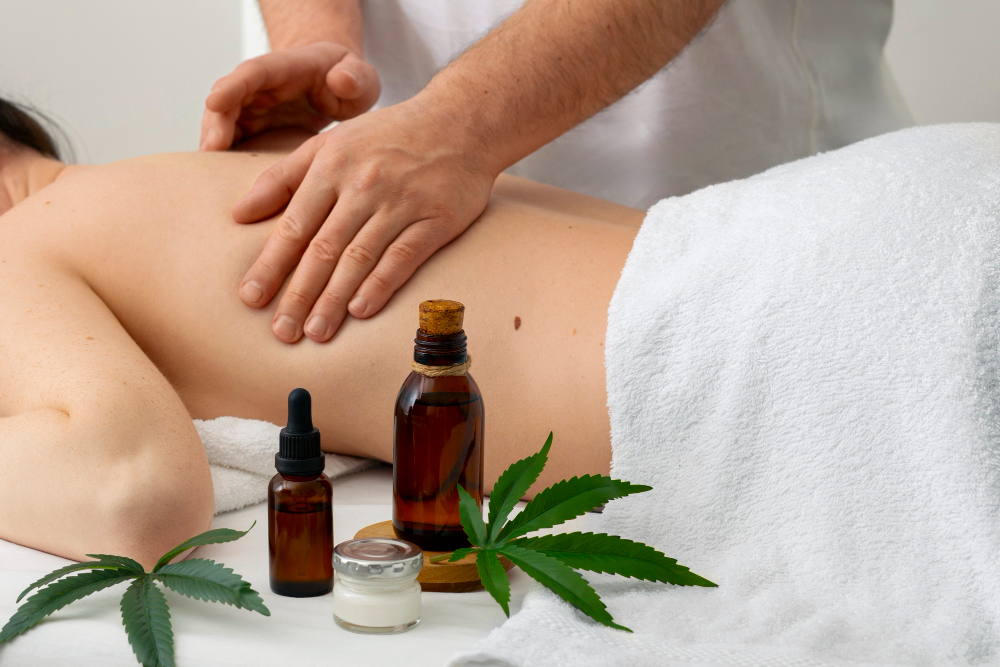
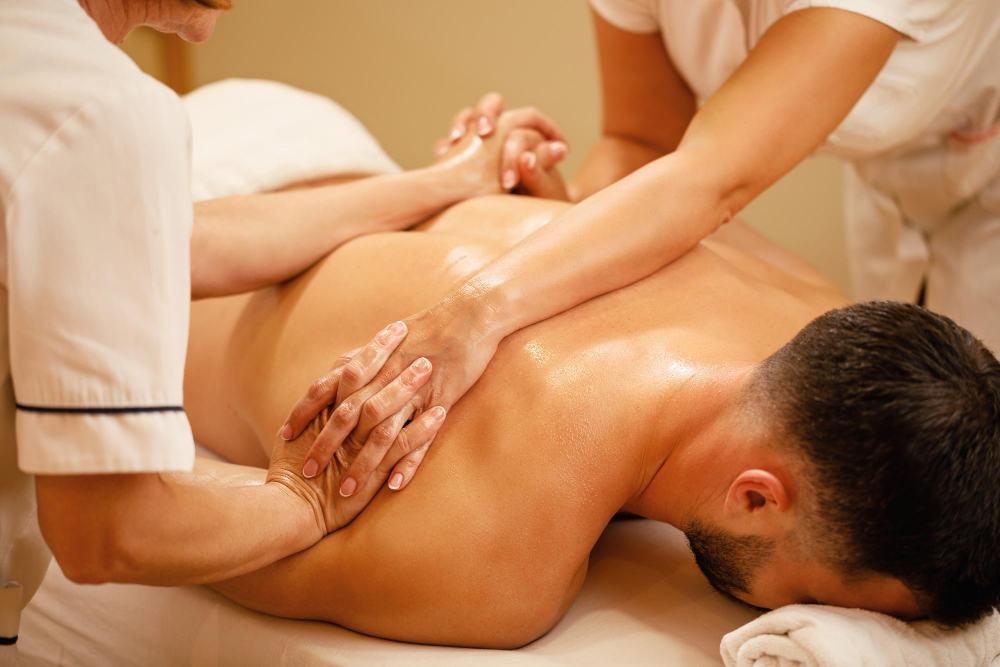
Every guest receives a detailed consultation, including an assessment of their Dosha balance, medical history, lifestyle, dietary habits, and wellness goals. Based on this evaluation, physicians create customized treatment plans that may include Panchakarma in Ayurveda, herbal medicines, therapeutic massages, yoga, meditation, and dietary recommendations.
Because every step is documented and monitored, physicians can carefully evaluate progress and adjust therapies whenever required. This combination of personalized Ayurveda and structured quality management creates a more consistent and reassuring healing experience.
NABH-Accredited Retreat vs. a Regular Wellness Resort
| NABH-Accredited Retreat | Regular Wellness Resort |
| Qualified medical supervision | Wellness or spa-focused services |
| Standardized treatment protocols | Procedures may vary |
| Strict hygiene and infection control | Hygiene practices differ by facility |
| Verified physician credentials | Medical oversight may be limited |
| Comprehensive patient documentation | Limited clinical record keeping |
| Emergency response systems | Emergency preparedness varies |
| Continuous quality monitoring | Quality systems may not be independently assessed |
This comparison highlights why accreditation matters when selecting a destination focused on long-term health rather than short-term relaxation.
Questions to Ask Before Booking an Ayurveda Retreat
Before confirming your stay, consider asking these important questions:
- Is the retreat NABH accredited?
- Who will supervise my treatment?
- Are Panchakarma therapies customized to individual health conditions?
- How are Ayurvedic medicines sourced and stored?
- What infection control and hygiene measures are followed?
- Are treatment records maintained throughout my stay?
- Is emergency medical care available if required?
- How are treatment outcomes monitored?
The answers to these questions can help you choose a retreat that prioritizes both authentic Ayurveda and patient safety.
Why Sitaram Retreat Chooses NABH Standards
For nearly a century, Sitaram has been dedicated to preserving authentic Ayurvedic traditions while embracing modern standards of healthcare excellence.
At Sitaram Retreat, NABH standards support every stage of the guest experience—from physician consultations and treatment planning to medicine management, patient documentation, infection control, staff training, and quality improvement initiatives.
Rather than changing the essence of Ayurveda, these standards strengthen it by ensuring every guest receives personalized care within a structured, transparent, and safe clinical environment.
Whether you’re visiting for what is Panchakarma treatment, preventive wellness, stress management, or holistic rejuvenation, Sitaram Retreat combines time-tested Ayurvedic wisdom with internationally respected healthcare practices.
Who Benefits Most from Choosing an NABH-Accredited Ayurveda Retreat?
Accredited retreats are especially valuable for:
- Guests planning comprehensive Panchakarma programs to gain long-term Panchakarma treatment benefits
- International wellness travelers
- Individuals managing lifestyle-related health concerns
- People seeking preventive healthcare or specialized care like Ayurvedic treatment for general detox
- Professionals experiencing stress and burnout
- Older adults requiring supervised therapies
- Guests interested in long-duration healing programs
For these visitors, accreditation offers additional reassurance that their wellness journey is supported by recognized healthcare standards.
Conclusion
Choosing an Ayurveda retreat is ultimately a decision about your health, safety, and long-term well-being. While location, facilities, and ambience certainly matter, the quality systems behind the experience are equally important.
NABH accreditation demonstrates that a healthcare organization has met rigorous standards for patient care, clinical excellence, safety, hygiene, and continuous improvement. It provides peace of mind that your treatments are delivered within a structured environment where quality is consistently monitored.
At Sitaram Retreat, this commitment complements nearly 100 years of authentic Ayurvedic expertise. If you’re looking for a retreat that combines traditional healing with recognized healthcare standards, Sitaram Retreat offers a trusted environment where your wellness journey begins with confidence. Explore Sitaram Retreat today and take the first step toward holistic healing guided by experienced Ayurvedic physicians and quality-focused care.
Frequently Asked Questions
Q1. What is NABH accreditation?
NABH accreditation is a nationally recognized quality certification that confirms a healthcare organization meets established standards for patient safety, clinical care, hygiene, and quality management.
Q2. Why is NABH accreditation important for an Ayurveda retreat?
It assures guests that treatments are delivered by qualified professionals using standardized protocols that prioritize safety, quality, and ethical healthcare practices.
Q3. Why should international guests prefer accredited retreats?
Accreditation provides confidence that the retreat follows recognized healthcare standards, making it easier for international visitors to choose a trusted wellness destination.
Q4. How can I verify whether an Ayurveda retreat is NABH accredited?
You can check the retreat’s official website or verify its accreditation status through the NABH directory maintained by the Quality Council of India.
Q5. How does NABH accreditation improve patient safety?
It requires healthcare organizations to follow structured procedures for clinical care, infection prevention, emergency preparedness, documentation, and continuous quality improvement.
Q6. Can an Ayurveda retreat offer personalized treatments while following NABH standards?
Yes. Accreditation supports standardized safety and quality systems while allowing physicians to customize treatments according to each guest’s health condition and Ayurvedic constitution.
Q7. Is NABH accreditation mandatory for Ayurveda retreats?
No. It is voluntary, but accredited organizations demonstrate a stronger commitment to quality healthcare, patient safety, and continuous improvement.
Q8. Will choosing an NABH-accredited retreat guarantee better treatment outcomes?
No accreditation can guarantee specific outcomes, but it does indicate that the retreat follows recognized standards that support safer care, qualified medical supervision, and consistent quality throughout the healing journey.
TABLE OF CONTENTS
- What Is NABH Accreditation?
- What Does NABH Accreditation Mean for an Ayurveda Retreat?
- Why NABH Accreditation Matters to Every Guest
- How NABH Accreditation Enhances the Ayurvedic Healing Experience
- NABH-Accredited Retreat vs. a Regular Wellness Resort
- Questions to Ask Before Booking an Ayurveda Retreat
- Why Sitaram Retreat Chooses NABH Standards
- Who Benefits Most from Choosing an NABH-Accredited Ayurveda Retreat?
- Conclusion
- Frequently Asked Questions