retreat@sitaramayurveda.com
 +91 813 8888 912

What Is Abhyanga Massage? Benefits, Technique, Oils & Ayurvedic Healing Guide

By Vignesh Devraj
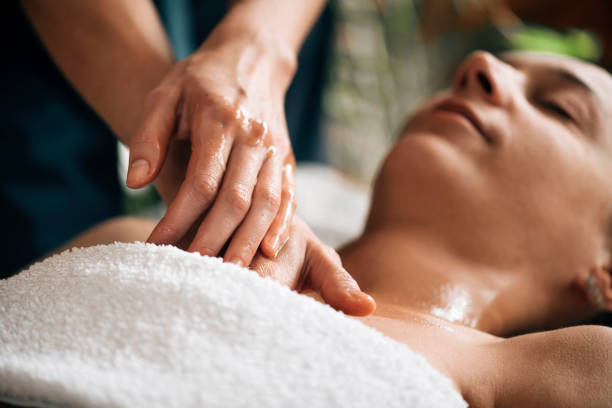
Abhyanga massage is a traditional Ayurvedic oil massage that uses warm herbal oils selected according to an individual’s body constitution (dosha). It is designed to nourish the skin, improve circulation, relax muscles, calm the nervous system, and support overall physical and mental well-being when practiced regularly or performed by trained Ayurvedic therapists.
If you’re wondering what is abhyanga massage, it is one of Ayurveda’s oldest and most valued healing therapies. Originating thousands of years ago, Abhyanga involves applying warm herbal oils to the body using specific massage techniques that promote relaxation and balance. At Sitaram Retreat, this time-honoured therapy is performed as part of personalized Ayurvedic wellness programs under the guidance of experienced Ayurvedic physicians, ensuring every treatment is tailored to the individual’s unique health needs.
What Is Abhyanga Massage in Ayurveda?
To understand what is abhyanga massage, it’s helpful to know its roots in Ayurveda. The word Abhyanga comes from Sanskrit and refers to the practice of anointing the body with warm oil using rhythmic massage strokes. To fully comprehend how this technique fits into ancient medical disciplines, you can explore the eight branches (Ashtanga) of classical Ayurveda.
Unlike a conventional spa massage that primarily focuses on muscle relaxation, Abhyanga is considered a therapeutic practice aimed at balancing the body’s three doshas—Vata, Pitta, and Kapha. According to Ayurvedic principles, maintaining this balance supports overall wellness and helps the body function optimally.
Abhyanga is also an important part of Dinacharya, the Ayurvedic daily routine that encourages preventive healthcare through consistent self-care practices.
How Is Abhyanga Different from a Regular Oil Massage?
Although both therapies involve massage oils, they differ significantly in purpose and technique.
Traditional Abhyanga includes:
- Warm herbal oils selected according to your dosha
- Rhythmic massage strokes following Ayurvedic principles
- Gentle stimulation of energy channels (srotas)
- Focus on balancing body and mind rather than simply relieving muscle tension
- A holistic approach that complements a healthy lifestyle
Understanding what is abhyanga massage means recognizing that it is both a wellness ritual and a therapeutic Ayurvedic practice rather than simply a relaxation massage. For a more intensive fluid-flow therapy focused specifically on cooling the mind and calming the nervous system, Ayurveda frequently utilizes Takradhara treatment and its distinct benefits.
The Ayurvedic Principles Behind Abhyanga
Ayurveda views every individual as unique. An Ayurvedic physician assesses your body constitution before recommending suitable herbal oils and therapies.
Warm medicated oils play an important role because they help nourish the skin while supporting relaxation. Depending on your constitution, oils may contain herbs traditionally used in Ayurveda to support healthy joints, muscles, circulation, or skin.
Abhyanga aims to:
- Promote balance among the doshas
- Support healthy circulation
- Encourage relaxation
- Nourish body tissues
- Improve overall vitality
How Does Abhyanga Massage Work?
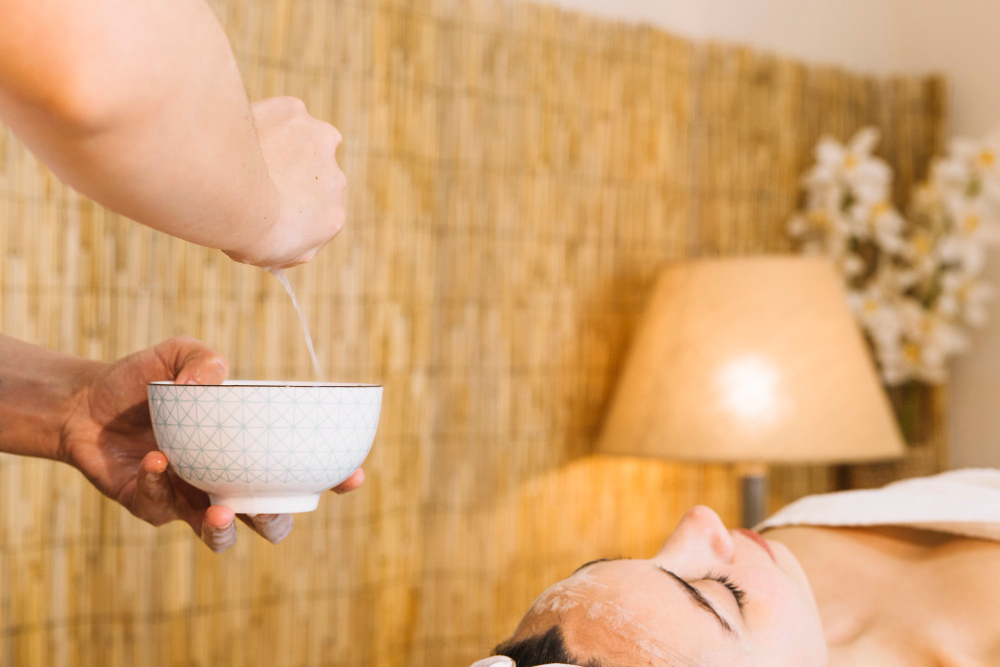
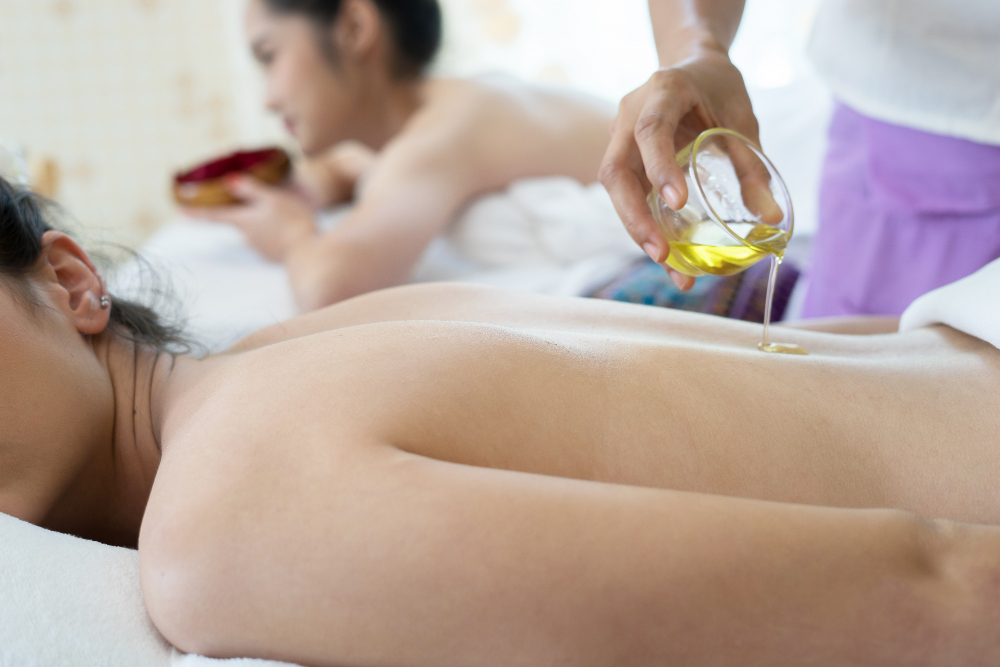
A professional Abhyanga session usually begins with gently warmed herbal oils applied systematically across the skin.
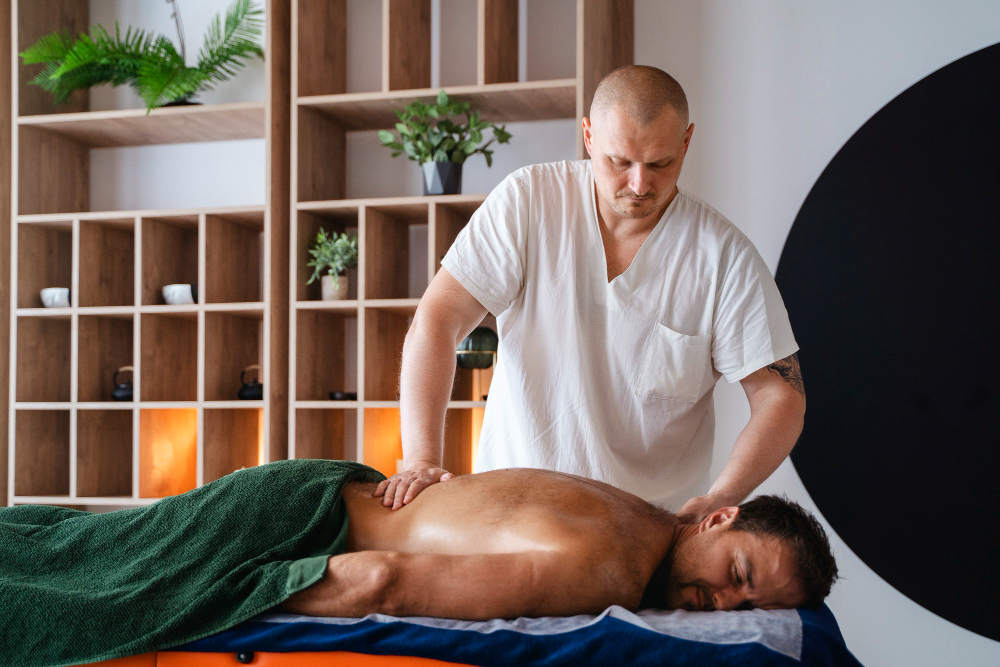
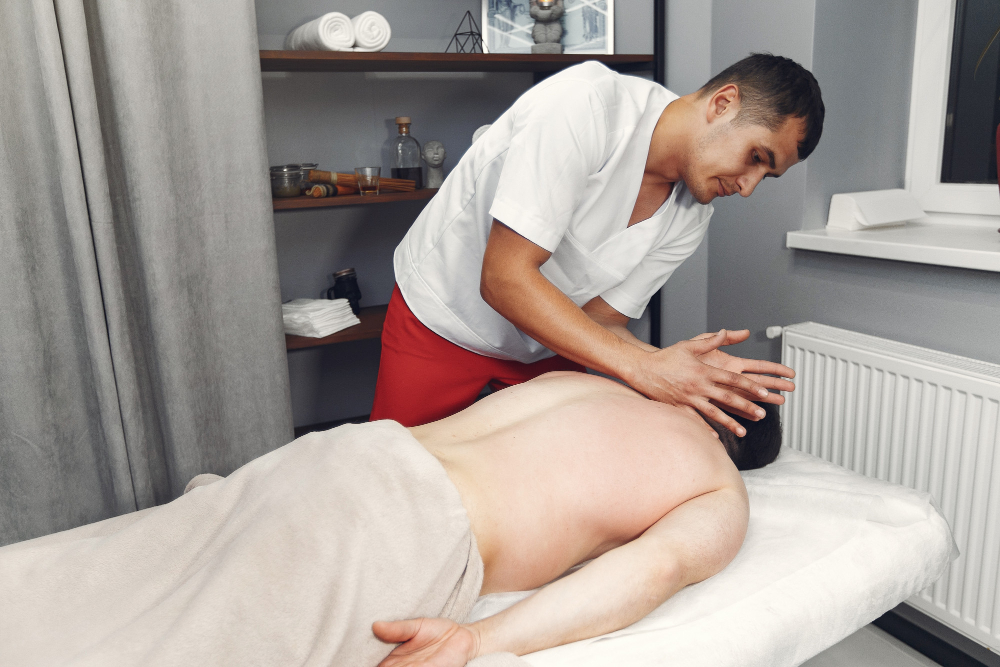
During the session, the therapist applies the oil using long strokes over the limbs and circular movements around the joints. The massage generally progresses in a highly systematic order, helping distribute the oil evenly while encouraging relaxation. This specific process helps pacify aggravated doshas, particularly Vata, which is often associated with physical dryness, structural stiffness, and irregular routines. If you find yourself experiencing high mental strain, it can be helpful to look at how a comprehensive Ayurvedic treatment for stress can bring your body back into equilibrium.
The warm oil remains on the body for a short period before bathing or a steam therapy, allowing better absorption and leaving the skin soft and nourished. When people ask what is abhyanga massage, this combination of therapeutic oils and structured massage techniques is what makes it unique.
Benefits of Abhyanga Massage
Many people choose Abhyanga because it supports both physical and emotional well-being. While individual experiences vary, regular practice may offer several wellness benefits.
Helps Reduce Stress
The rhythmic massage movements create a calming experience that supports emotional grounding, acting as a supportive Ayurvedic treatment for anxiety.
Supports Better Sleep
Many individuals report improved sleep quality after regular Abhyanga sessions due to its soothing effect on the nervous system.
Improves Circulation
Massage naturally stimulates blood flow, helping deliver oxygen and nutrients throughout the body.
Nourishes the Skin
Warm herbal oils moisturize the skin and may improve its softness and natural glow.
Relaxes Muscles and Joints
Abhyanga helps ease muscle stiffness while supporting flexibility and comfortable movement. This localized and systemic relief is fundamental when designing an Ayurvedic treatment for back pain or reducing systemic joint inflammation during rheumatoid arthritis treatment in Ayurveda.
Encourages Healthy Lymphatic Flow
The massage techniques may assist the body’s natural lymphatic circulation, which plays an important role in overall wellness.
Promotes Mindful Self-Care
Setting aside time for Abhyanga encourages mindfulness and helps establish a healthy daily wellness routine.
What Does Science Say About Abhyanga?
Although more research is needed specifically on Ayurvedic therapies, studies on massage therapy suggest that massage can support relaxation, reduce stress, improve circulation, and promote better sleep quality.
Some preliminary research on Ayurvedic oil massage also indicates positive effects on overall well-being. However, Abhyanga should be viewed as a complementary wellness practice rather than a replacement for professional medical care when treating health conditions.
How to Do Abhyanga Massage at Home
If you’re interested in experiencing Abhyanga yourself, following a simple routine can help.
Step 1: Choose an Appropriate Oil
Sesame oil is traditionally recommended for many people, while coconut oil may be preferred during warmer seasons. Herbal Ayurvedic oils can also be selected according to your dosha after consulting an Ayurvedic practitioner.
Step 2: Warm the Oil
Slightly warm the oil until it feels comfortably warm—not hot.
Step 3: Massage the Body
Begin with the scalp, then move to the face, neck, shoulders, arms, chest, abdomen, back, legs, and finally the feet.
Use:
- Long strokes on long bones
- Circular motions around joints
- Gentle pressure throughout
Step 4: Allow the Oil to Absorb
Relax for about 15–20 minutes before taking a warm shower or bath.
For those searching what is abhyanga massage, practicing it at home is an excellent introduction, while professional sessions provide a more personalized therapeutic experience.
Which Oil Is Best for Abhyanga Massage?
The ideal oil depends on your Ayurvedic body constitution.
Common options include:
- Sesame oil – traditionally recommended for Vata balance
- Coconut oil – cooling and often preferred for Pitta constitutions
- Mustard oil – warming and occasionally used in colder climates
- Medicated Ayurvedic oils – customized by Ayurvedic physicians for specific wellness goals
Using oils suited to your constitution enhances the overall effectiveness of the therapy.
Professional Abhyanga vs Self-Abhyanga
Self-Abhyanga is an excellent daily wellness habit, but professional Ayurvedic treatments offer additional benefits.
During professional sessions, experienced therapists follow physician-prescribed techniques using medicated oils selected specifically for your constitution and wellness needs. These treatments are often integrated with other Ayurvedic therapies for a more comprehensive healing experience.
Who Can Benefit from Abhyanga Massage?
Abhyanga may be suitable for:
- Busy professionals experiencing daily stress
- Individuals seeking better relaxation
- Older adults looking to support joint comfort
- Athletes after physical activity
- People with dry skin
- Anyone interested in preventive wellness through Ayurveda
If you have an underlying medical condition, consult both your healthcare provider and a qualified Ayurvedic physician before beginning any new therapy.
Experience Authentic Abhyanga at Sitaram Retreat
Learning what is abhyanga massage is only the first step. Experiencing it under expert guidance allows you to appreciate its full therapeutic potential.
At Sitaram Retreat, Abhyanga is delivered by experienced therapists under the supervision of qualified Ayurvedic physicians. Every treatment is personalized after a detailed consultation and may be incorporated into comprehensive wellness or Panchakarma programs based on your individual constitution and health goals.
With more than a century of Ayurvedic heritage, Sitaram Retreat combines authentic Kerala Ayurvedic traditions with personalized care, nourishing herbal formulations, yoga, mindful nutrition, and serene natural surroundings. Whether you’re looking to relax, restore balance, or embark on a holistic wellness journey, the retreat provides an environment where traditional healing and modern comfort come together.
If you’re ready to experience authentic Ayurvedic healing, explore the personalized wellness programs at Sitaram Retreat and discover how professionally guided Abhyanga can become an important part of your long-term health and well-being.
Frequently Asked Questions
Q1. How is Abhyanga massage performed?
Abhyanga massage is performed using warm herbal oils applied with long, rhythmic strokes over the body and circular movements around the joints. The treatment follows Ayurvedic principles and is customized according to an individual’s body constitution.
Q2. Can I do Abhyanga massage every day?
Yes. Ayurveda considers daily self-Abhyanga a beneficial wellness practice for many people. However, the oil and routine should ideally be suited to your dosha and overall health.
Q3. Is Abhyanga massage suitable for everyone?
While many healthy adults can benefit from Abhyanga, people with fever, open wounds, certain skin infections, or acute illnesses should consult a qualified healthcare professional before receiving treatment.
Q4. Will Abhyanga massage help reduce stress?
Many people experience relaxation and reduced stress after Abhyanga massage. Massage therapy may also support nervous system relaxation and improve overall well-being.
Q5. What is abhyanga massage used for?
It is traditionally practiced to promote relaxation, nourish the skin, improve circulation, support joint comfort, and encourage balance according to Ayurvedic principles.
Q6. Why are warm herbal oils used during Abhyanga?
Warm oils help improve comfort during the massage while nourishing the skin. In Ayurveda, medicated herbal oils are selected to complement an individual’s dosha and wellness goals.
Q7. How long should an Abhyanga massage last?
A professional Abhyanga session typically lasts between 45 and 60 minutes, while a self-massage routine usually takes about 15–20 minutes.
Q8. Can Abhyanga be included in Panchakarma therapy?
Yes. Abhyanga is commonly used as a preparatory therapy in Panchakarma programs to support the body’s cleansing process before other Ayurvedic treatments.
TABLE OF CONTENTS
- What Is Abhyanga Massage in Ayurveda?
- How Is Abhyanga Different from a Regular Oil Massage?
- The Ayurvedic Principles Behind Abhyanga
- How Does Abhyanga Massage Work?
- Benefits of Abhyanga Massage
- What Does Science Say About Abhyanga?
- How to Do Abhyanga Massage at Home
- Which Oil Is Best for Abhyanga Massage?
- Professional Abhyanga vs Self-Abhyanga
- Who Can Benefit from Abhyanga Massage?
- Experience Authentic Abhyanga at Sitaram Retreat
- Frequently Asked Questions