

 retreat@sitaramayurveda.com
 +91 813 8888 912

Ayurvedic Treatment for High Uric Acid
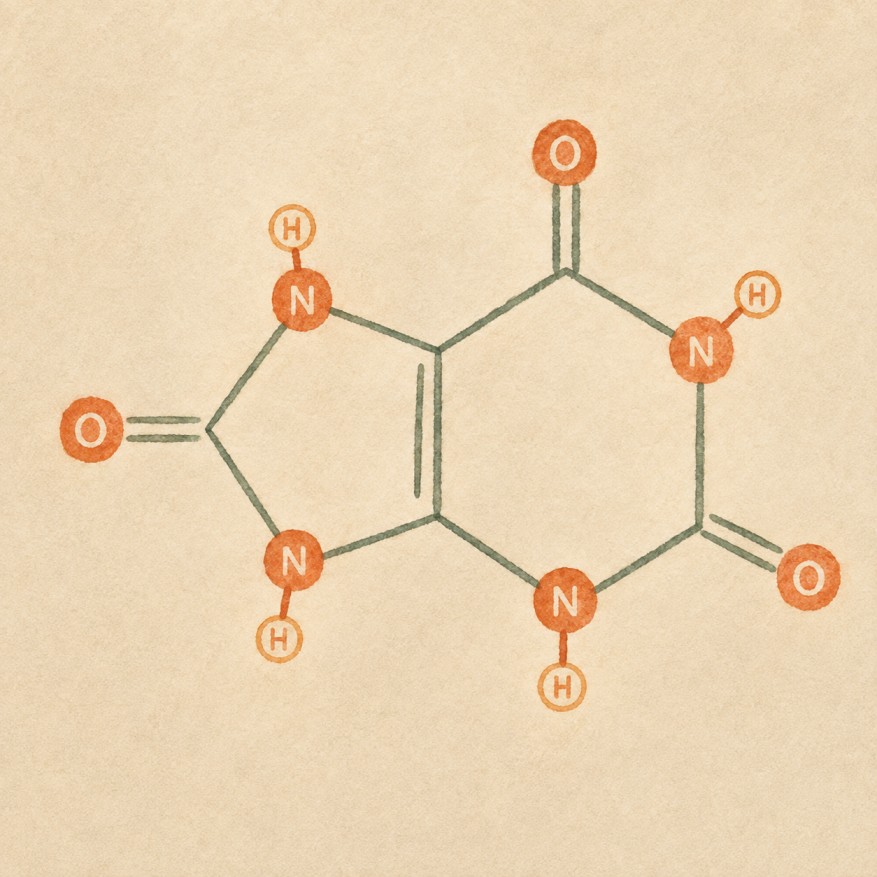
High uric acid is a metabolic condition that occurs when the body produces excessive uric acid or is unable to eliminate it effectively through the kidneys. Over time, excess uric acid can form crystals that deposit in the joints and surrounding tissues, causing pain, swelling, inflammation, and restricted movement. When this condition progresses, it often manifests as gout, a painful form of inflammatory arthritis that can significantly impact daily life.
The most common symptoms of high uric acid include sudden and severe joint pain, redness, tenderness, swelling, stiffness, and difficulty moving the affected joint. While the big toe is frequently affected, symptoms may also occur in the ankles, knees, elbows, wrists, and fingers. Factors such as obesity, poor dietary habits, sedentary lifestyle, diabetes, hypertension, family history, menopause, certain medications, and chronic kidney disorders can increase the risk of developing high uric acid levels.
Ayurvedic Treatment for High Uric Acid Through the Lens of Ayurveda
According to Ayurveda, high uric acid and gout can be correlated with a condition known as Vatarakta. Classical Ayurvedic texts describe Vatarakta as a disorder caused by the vitiation of Vata Dosha and Rakta Dhatu. Improper dietary habits, incompatible food combinations, irregular routines, and lifestyle imbalances disturb the body’s natural functioning, eventually leading to pain, inflammation, and joint disorders.
At Sitaram Retreat, our physicians conduct a comprehensive Ayurvedic assessment to understand the patient’s doshic constitution, digestive strength, disease progression, lifestyle patterns, and overall health status. Based on this evaluation, a personalised Ayurvedic treatment for high uric acid protocol is designed to address the root cause rather than merely suppress symptoms.
This philosophy of individualised healing has been the foundation of the Sitaram Ayurveda tradition for over a century. Our Ayurvedic treatment for high uric acid programmes combines authentic Ayurvedic wisdom with a structured clinical approach, offering guests a healing experience that supports both physical recovery and long-term wellness.
Not sure where to start?
Our physicians can help you identify the right approach for your condition.
Our Personalised Ayurvedic Approach
The management of high uric acid at Sitaram Retreat is centred on restoring doshic balance, improving metabolism, supporting healthy elimination, and reducing the accumulation of toxins that contribute to inflammation and joint discomfort.
Depending on the condition of the individual, treatment may include:
The exact treatment plan varies according to the stage of the condition, the doshic involvement, and the overall health of the guest.
Who Can Benefit from This Treatment?
Our Ayurvedic treatment programmes may be beneficial for individuals who:
Whether the condition is recent or long-standing, our physicians develop a personalised roadmap tailored to the individual’s healing needs.
Ready to begin your treatment plan?
Reserve your stay at Sitaram Retreat and start your healing journey.
What Results Can You Expect?
Ayurveda views healing as a gradual process that focuses on restoring balance within the body. The results depend on factors such as the duration of the condition, severity of symptoms, dietary habits, and adherence to the treatment programme.
Many guests report:
Our objective is not only to help manage symptoms but also to support lasting improvements in quality of life through comprehensive Ayurvedic care.
Why Choose Sitaram Retreat?
Sitaram Retreat is rooted in the legacy of Sitaram Ayurveda, a trusted name in Ayurvedic healthcare for more than 100 years. Our retreat combines authentic healing traditions with modern standards of patient care in a tranquil coastal setting in Kerala.
What sets us apart:
100+ Years Healing Heritage
More than a century of Ayurvedic heritage with authentic practices.
Physician-Led Expert Care
NABH-accredited standards of care with experienced Ayurvedic physicians and therapists.
Healing Environments
Tranquil coastal setting in Kerala designed to support recovery and rejuvenation.
Integrated Approach
Holistic integration of Ayurveda, yoga, diet, and lifestyle guidance for root-cause healing.
Frequently Asked Questions
Begin Your Healing Journey at Sitaram Retreat
At Sitaram Retreat, every treatment programme is carefully crafted to help guests achieve sustainable health through authentic Ayurveda. Connect with our experts today.
