retreat@sitaramayurveda.com
 +91 813 8888 912


Sirovasthi Treatment Uses: Benefits, Procedure & Ayurvedic Approach

By Vignesh Devraj

Sirovasthi treatment uses include traditional Ayurvedic applications for certain head-related concerns, nervous-system-related conditions, selected psychosomatic concerns, dryness of the nostrils and throat, certain headaches, and support for mental functioning. The therapy uses warm medicated oil retained over the head and is selected after individual Ayurvedic assessment rather than as a one-size-fits-all treatment.
Sirovasthi treatment uses vary according to an individual’s Ayurvedic needs, constitution and condition. At Sitaram Retreat, this traditional head therapy is offered as part of personalised Ayurvedic care, with physician assessment guiding whether it is appropriate. If you are exploring this therapy, discover what makes this traditional practice so distinctive.
What Is Sirovasthi Treatment?
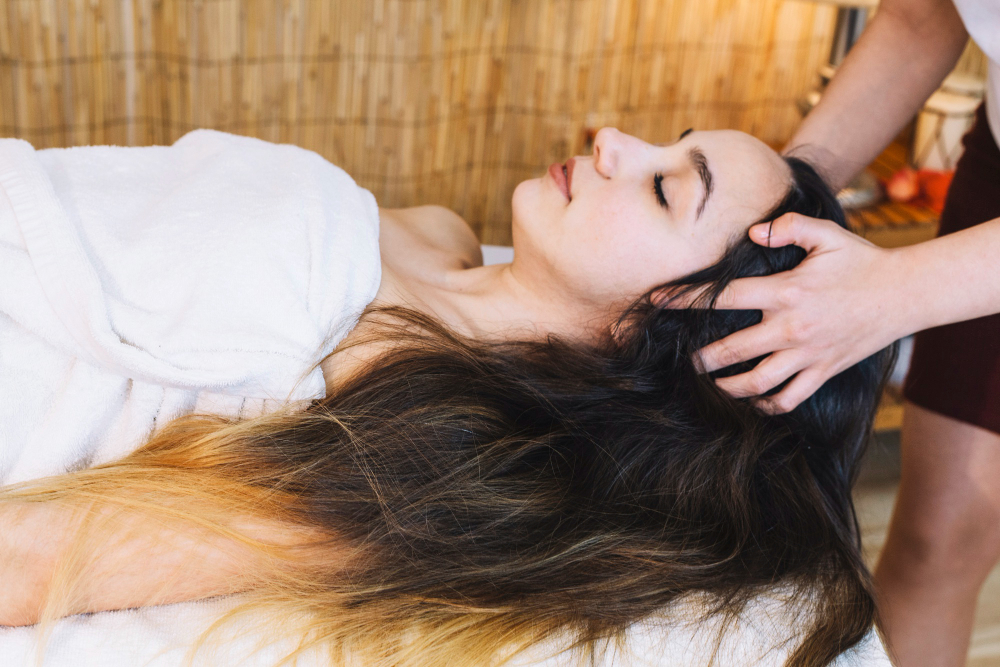
Sirovasthi is a traditional Ayurvedic therapy in which warm, medicated oil is retained over the head inside a specially prepared enclosure for a prescribed period. The name refers to the head and a pool or container, reflecting the central feature of the therapy: creating a contained space in which oil can remain gently over the head.
The therapy is distinctly different from routine scalp oiling because the oil is intentionally retained over the head within a prepared enclosure for a defined period under professional supervision.
At Sitaram Retreat, the therapy is not treated as a generic spa ritual. An Ayurvedic physician considers the individual’s condition and treatment requirements before selecting the therapy. Sitaram’s wider Ayurvedic framework also considers symptoms, physical and mental strength, and body type when developing treatment plans.
Sirovasthi Treatment Uses
The traditional applications of Sirovasthi centre on the head and related areas. The range of sirovasthi treatment uses should always be considered within the individual Ayurvedic context.
Sitaram Retreat describes its use for certain nervous disorders, psychosomatic concerns, facial paralysis, multiple sclerosis, selected concerns involving the head, ears, eyes and nose, dryness of the nostrils and throat, certain varieties of cataracts, headaches, and support for mental functioning.
Sirovasthi Treatment Uses for Head-Related Concerns
One of the central sirovasthi treatment uses is its traditional application for concerns affecting the head. The therapy keeps warm medicated oil in contact with the head for a defined period, making it distinct from ordinary scalp oiling.
Sirovasthi for Certain Headaches
Sirovasthi is traditionally used for certain types of headaches. However, headaches can have many causes, so persistent, severe or unusual headaches require appropriate medical evaluation. An Ayurvedic physician can determine whether this therapy has a place within an individual Ayurvedic plan.
Sirovasthi for Nervous-System-Related Concerns
Traditional Ayurveda includes Sirovasthi among therapies used for selected nervous-system-related concerns. Sitaram Retreat describes this application within its broader personalised approach rather than presenting the therapy as appropriate for every person with a neurological condition.
Sirovasthi for Psychosomatic Concerns and Mental Wellbeing
Another area associated with sirovasthi treatment uses is selected psychosomatic concerns and support for mental functioning. The therapy can be considered within an Ayurvedic programme where relaxation, routine, diet, yoga and other therapies form part of a broader plan.
Sirovasthi Treatment Benefits
Understanding sirovasthi treatment uses is important because traditional applications are different from broad wellness claims.
When discussing Sirovasthi benefits, it is useful to separate traditional Ayurvedic applications from general wellness claims. The therapy’s potential role depends on the individual treatment plan.
Traditional applications may include:
- Supporting head and neck relaxation
- Supporting mental relaxation and overall wellbeing
- Addressing certain types of headaches within an Ayurvedic plan
- Supporting care for selected head, ear, eye and nose concerns
- Supporting selected nervous-system-related concerns
- Supporting selected psychosomatic concerns
- Supporting mental functioning
The emphasis is on personalised care. Sirovasthi is not intended to replace urgent medical assessment or conventional treatment when those are needed. Learn the panchakarma meaning to understand the principles of this traditional Ayurvedic practice and its role in supporting overall wellness.
How Is Sirovasthi Performed?
The sirovasthi treatment uses a carefully prepared oil-retention process rather than simply applying oil to the scalp. At Sitaram Retreat, the procedure follows several steps.
- Comfortable positioning: The guest sits comfortably for the therapy.
- Head, neck, and shoulder massage: A gentle massage prepares the treatment area.
- Preparation of the enclosure: The therapist creates a crown-like structure around the head using a rexine sheet and dough.
- Creation of the oil reservoir: The structure forms a contained space that allows the warm medicated oil to remain over the head.
- Oil retention: Warm medicated oil is poured into the enclosure and retained for approximately 30–45 minutes.
- Completion: The therapy concludes according to the physician’s instructions and the individual Ayurvedic care plan.
Sitaram’s current therapy page describes the same core process, including the head, neck, and shoulder massage, preparation of the enclosure, and approximately 30–45 minutes of oil retention. Explore ayurvedic treatment for brain fog to learn about traditional Ayurvedic herbs, dietary habits, and lifestyle practices that may support mental clarity, focus, and cognitive well-being.
How Long Does Sirovasthi Take?
The oil-retention portion of a Sirovasthi session generally lasts around 30–45 minutes at Sitaram Retreat. The complete experience can take longer because preparation, massage, and post-treatment steps are separate from the oil-retention period.
Is Sirovasthi Suitable for Everyone?
No single Ayurvedic therapy is appropriate for everyone. The appropriate sirovasthi treatment uses should be determined after an individual assessment, particularly when a person has an existing medical condition, is taking medication, or is receiving treatment for a neurological, eye, ear, or other health concern.
Sitaram’s Ayurvedic framework considers factors such as symptoms, physical strength, mental strength, and body type when choosing treatments. This personalised approach helps determine whether Sirovasthi belongs in a particular care plan.
Sirovasthi vs Shirodhara: What Is the Difference?
Sirovasthi and Shirodhara are both traditional Ayurvedic head therapies, but their procedures are different.
| Feature | Sirovasthi | Shirodhara |
| Main method | Warm medicated oil is retained over the head | A liquid is poured in a continuous stream over the forehead |
| Structure | Uses a prepared enclosure to hold the oil | Uses a vessel and controlled stream |
| Treatment focus | Head-focused oil retention | Continuous forehead oil-flow therapy |
| Selection | Based on individual Ayurvedic assessment | Based on individual Ayurvedic assessment |
Both therapies form part of Sitaram Retreat’s wider Ayurvedic therapy offering. Discover what is shirodhara to learn about this traditional Ayurvedic therapy, its procedure, and its potential role in relaxation and stress management.
Why Choose Sitaram Retreat for Sirovasthi?
Sitaram Retreat brings more than a century of Ayurvedic heritage, beginning in 1921 as Sitaram Anglo Ayurveda Pharmacy. Today, its retreat approach combines traditional Ayurvedic therapies with physician-led care, personalised treatment, Ayurvedic cuisine, yoga and meditation.
Sitaram offers treatment environments at its Beach Retreat in Thrissur and Mountain Retreat in Munnar. Its Beach Retreat is also a NABH-accredited hospital, providing an established clinical setting alongside the retreat experience.
Most importantly, Ayurvedic therapies at Sitaram are selected following consultation and assessment. Factors such as symptoms, physical and mental strength, and individual constitution help shape the treatment plan.
Experience Personalised Sirovasthi Care at Sitaram Retreat
If you are considering Sirovasthi, the next step is understanding whether the therapy is appropriate for your individual needs. At Sitaram Retreat, Ayurvedic physicians assess each guest before selecting therapies and can place Sirovasthi within a broader, personalised approach to wellbeing.
Explore Sitaram Retreat’s Sirovasthi therapy and speak with the Ayurvedic team to understand how this traditional treatment may fit into your care plan.
Frequently Asked Questions
Q1. How is Sirovasthi performed?
Sirovasthi begins with a gentle head, neck, and shoulder massage. A crown-like enclosure is secured around the head, warm medicated oil is placed inside it, and the oil is retained for about 30–45 minutes.
Q2. How long does Sirovasthi take?
The oil-retention portion generally lasts around 30–45 minutes. The full session may take longer because preparation and massage are also part of the process.
Q3. Can Sirovasthi help with headaches?
Sirovasthi is traditionally used for certain types of headaches. An Ayurvedic physician should assess whether the therapy is appropriate for your condition.
Q4. Can Sirovasthi be part of a broader Ayurvedic programme?
Yes. Sirovasthi can be incorporated into a personalised Ayurvedic programme alongside other therapies, dietary guidance, yoga or supportive practices when considered appropriate by the physician.
Q5. Is Sirovasthi the same as Shirodhara?
No. Sirovasthi retains warm medicated oil over the head inside an enclosure, while Shirodhara involves a controlled stream of liquid over the forehead.
Q6. Will Sirovasthi be recommended for everyone?
No. An Ayurvedic physician considers the individual’s condition, constitution, strength and treatment requirements before recommending the therapy.
Q7. What are the main Sirovasthi treatment uses?
Traditional applications include certain head-related concerns, selected nervous-system and psychosomatic concerns, certain headaches, dryness of the nostrils and throat, and support for mental functioning.
Q8. Why are warm medicated oils used in Sirovasthi?
Warm medicated oil is retained over the head as the central part of this traditional Ayurvedic therapy. The specific oil is selected according to the individual’s treatment plan rather than being the same for everyone.
TABLE OF CONTENTS
- What Is Sirovasthi Treatment?
- Sirovasthi Treatment Uses
- Sirovasthi Treatment Benefits
- How Is Sirovasthi Performed?
- How Long Does Sirovasthi Take?
- Is Sirovasthi Suitable for Everyone?
- Sirovasthi vs Shirodhara: What Is the Difference?
- Why Choose Sitaram Retreat for Sirovasthi?
- Experience Personalised Sirovasthi Care at Sitaram Retreat
- Frequently Asked Questions