retreat@sitaramayurveda.com
 +91 813 8888 912

Talam Procedure: A Step-by-Step Guide to This Ayurvedic Therapy

By Vignesh Devraj
The talam procedure is a traditional Ayurvedic therapy in which a medicated paste made from herbal powder combined with oil or a decoction is applied to a specific point on the scalp. The paste is typically kept in place for 1–2 hours, depending on the individual’s condition and treatment plan. Explore ayurvedic treatment for mental health to understand traditional Ayurvedic approaches to emotional balance and overall mental wellness.
Talam is a traditional Ayurvedic head therapy involving the application of a specially prepared medicated paste to the scalp. At Sitaram Retreat, the treatment is selected as part of an individual Ayurvedic approach rather than as a one-size-fits-all therapy. Understanding each step helps you know what to expect before experiencing it.
What Is Talam Treatment in Ayurveda?
Talam is an Ayurvedic therapy in which a medicated herbal paste is applied to a specific point on the head. The paste is prepared by combining herbal powder with oil or a suitable decoction, with the formulation selected according to the treatment approach.
Unlike a conventional head massage, the focus of Talam is the application and retention of the medicated paste. The treatment is therefore centred around a specific area of the scalp rather than involving continuous massage of the entire head.
In traditional Ayurveda, Talam is associated with head-focused care and is used within broader therapeutic programmes according to individual requirements. Explore ayurvedic treatment for hair fall to learn about traditional Ayurvedic hair care practices, herbal oils, and scalp-nourishing routines that support healthier-looking hair.
At Sitaram Retreat, Ayurvedic therapies are selected after consultation and evaluation. Factors such as body type, physical strength, mental strength and the individual’s condition help determine the appropriate treatment approach. Oils, herbs, diet and other therapies can also be customised accordingly.
What Is the Talam Procedure?
The talam procedure follows a simple sequence, but the preparation and choice of materials can be personalised.
1. Ayurvedic Assessment
The process begins with understanding the individual’s needs. Ayurveda takes an individualised approach, so the same therapy or formulation may not be appropriate for everyone.
An Ayurvedic physician considers factors such as:
- Current symptoms and concerns
- Body constitution
- Physical and mental strength
- Lifestyle patterns
- Overall health
- Specific therapeutic goals
This assessment helps determine whether Talam is suitable and how it should be incorporated into the broader treatment plan.
2. Preparation of the Medicated Paste
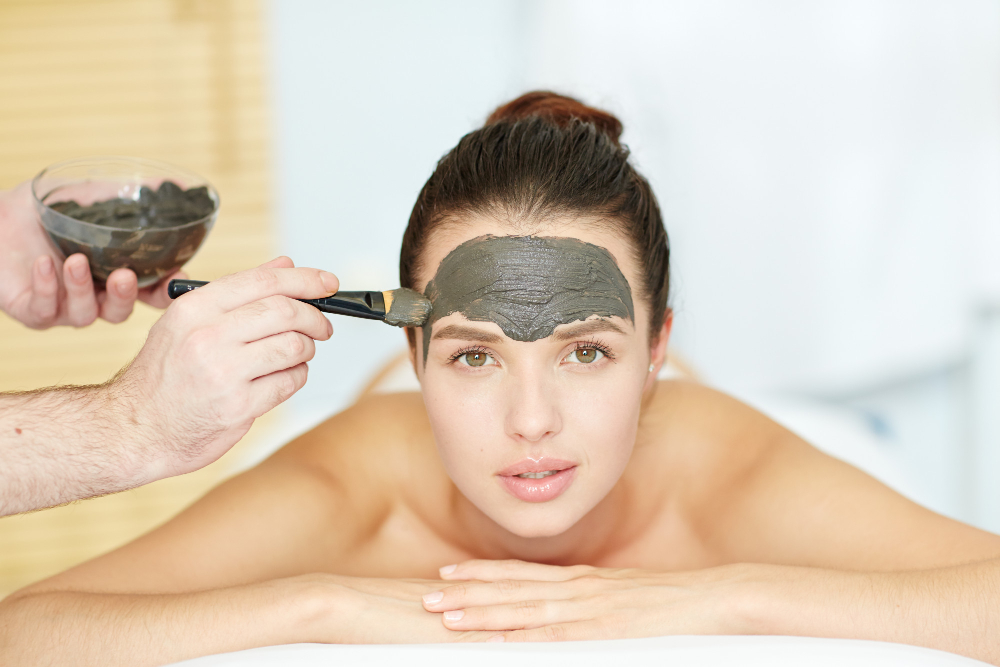
The therapist prepares the paste using herbal powder combined with oil or a decoction. The ingredients used can vary depending on the intended Ayurvedic approach.
This is an important part of Ayurvedic talam treatment because the formulation is not necessarily identical for every individual.
3. Application to the Scalp
Once prepared, the herbal paste is applied to a specific point on the scalp.
The application is performed by a trained therapist, ensuring that the paste remains appropriately positioned throughout the treatment.
4. Retaining the Paste
The paste remains on the scalp for a prescribed period. At Sitaram Retreat, the Talam procedure generally involves keeping the paste in place for 1–2 hours, depending on the condition.
This period allows the treatment to be completed without the need for continuous manipulation of the scalp.
5. Completing the Therapy
After the prescribed duration, the paste is removed and the treatment is completed according to the therapist’s instructions.
Any additional therapies, dietary recommendations or lifestyle guidance depend on the individual’s overall Ayurvedic programme. Learn the panchakarma meaning to understand the principles of this traditional Ayurvedic practice and its role in supporting overall well-being.
How Long Does the Talam Procedure Take?
The paste is generally left on the scalp for 1–2 hours, depending on the individual’s condition.
The complete appointment can involve additional time for preparation, application and removal, so the total experience may vary.
It is also useful to distinguish Talam from other Ayurvedic head therapies. For example, Thalapothichil involves covering the entire head with a medicinal paste and retaining the pack for around 20–40 minutes, making its procedure quite different from Talam.
What Are the Traditional Benefits of Talam?
Talam has traditionally been used within Ayurveda for several head- and mind-related concerns. Sitaram Retreat’s therapy description associates it with insomnia, depression, irritability and supporting brain function. Depending on the herbs selected, it is also traditionally used for concerns such as sinusitis, cold and cervical pain.
These traditional uses should be understood within the context of Ayurvedic practice rather than as guarantees of medical outcomes.
Supports a Relaxing Treatment Experience
The quiet, stationary nature of the therapy makes Talam a calming addition to an Ayurvedic wellness programme.
Traditionally Used for Sleep-Related Concerns
Talam is traditionally associated with insomnia and may be incorporated into an Ayurvedic programme where sleep and relaxation are part of the individual’s concerns.
Traditionally Used for Mental and Emotional Balance
Ayurvedic practice associates Talam with concerns such as irritability and mental restlessness.
Head and Scalp-Focused Care
Because the medicated paste is applied directly to the scalp, Talam provides a focused form of Ayurvedic head therapy.
The exact approach depends on the individual’s assessment and the herbs selected for the treatment.
What Is Used in the Talam Procedure?
There is no single universal Talam formulation.
The basic preparation described by Sitaram Retreat consists of:
- Herbal powder
- Oil or herbal decoction
- A prepared medicated paste
- Application to a specific scalp point
The herbs and medium used can be adapted according to the individual’s condition and Ayurvedic treatment plan. This personalised approach is consistent with Sitaram Retreat’s wider Ayurvedic philosophy, where treatment choices, oils, herbs, diet and yoga therapies are customised following consultation.
Talam Procedure vs Other Ayurvedic Head Therapies
Ayurveda includes several therapies that focus on the head, but their procedures are not interchangeable.
Talam vs Shirodhara
Talam involves applying a medicated paste to a specific point on the scalp. Shirodhara uses a controlled stream of liquid poured over the forehead or head area. Discover what is shirodhara to learn about this traditional Ayurvedic therapy and its calming approach to relaxation and wellness.
The materials, technique, and treatment experience are therefore different.
Talam vs Thalapothichil
Thalapothichil means a medicinal head pack, with the entire head covered with herbal paste. Sitaram Retreat describes a paste made with ingredients such as gooseberry, buttermilk, and other herbs, followed by wrapping the head with leaves.
Talam, in contrast, involves applying medicated paste over a specific point on the scalp.
Talam vs Sirovasthi
Sirovasthi is another specialised Ayurvedic head therapy and has a different application method. The choice between therapies should be based on professional Ayurvedic assessment rather than personal preference alone.
What to Expect During a Talam Treatment
Knowing what happens during a treatment can make the experience more comfortable.
Before the Treatment
You can expect an Ayurvedic consultation or assessment to understand your individual requirements. The practitioner determines the appropriate therapy and treatment approach.
During the Treatment
The therapist:
- Prepares the selected herbal formulation.
- Positions you comfortably.
- Applies the medicated paste to the specific scalp point.
- Allows the paste to remain in place for the prescribed duration.
After the Treatment
Once the treatment period is complete, the paste is removed. Your practitioner may then recommend additional therapies, dietary measures, rest or lifestyle practices depending on your overall programme.
At Sitaram Retreat, Ayurvedic treatment is designed around individual assessment rather than identical therapies for every guest.
Is Talam Suitable for Everyone?
Talam should be considered as part of an individual Ayurvedic treatment plan rather than a therapy that automatically suits everyone.
Before receiving the treatment, discuss relevant health conditions, allergies, skin or scalp sensitivities, medications, and other concerns with your Ayurvedic physician.
A professional assessment is particularly important when Talam is being considered as part of a larger therapeutic programme.
Talam is also not a substitute for necessary medical diagnosis or treatment. If you have a persistent or serious health concern, seek appropriate medical care alongside any complementary wellness practice.
Why Is the Talam Procedure Personalised?
Ayurveda is based on individual assessment. Two people with similar concerns may have different constitutions, lifestyles and health circumstances, so their treatment plans may differ.
At Sitaram Retreat, the treatment course is determined following consultation and evaluation. The individual’s symptoms, physical and mental strength, and body type can influence the therapies selected, while oils, herbs, diet, and yoga may be customised as part of the programme.
This is why understanding the talam procedure does not mean that every person will receive exactly the same formulation or treatment experience.
Experience Talam at Sitaram Retreat
The right Ayurvedic therapy begins with understanding the individual, not simply choosing a treatment from a list. At Sitaram Retreat, Ayurvedic therapies are selected following consultation and assessment, with treatment plans adapted to individual needs. The retreat’s wider approach brings together traditional therapies, personalised care and a holistic Ayurvedic experience.
If you want to understand whether Talam is appropriate for your Ayurvedic journey, explore the therapy with Sitaram Retreat and speak with the team about your individual requirements.
Explore Talam Therapy at Sitaram Retreat Explore Talam Therapy
Frequently Asked Questions
Q1. How is Talam treatment done?
Talam is performed by preparing a medicated paste from herbal powder with oil or a decoction and applying it to a specific point on the scalp. The paste is then retained for the prescribed period before being removed.
Q2. Can Talam be used for sleep concerns?
Yes. Talam is traditionally used in Ayurveda for insomnia and may be included in a personalised Ayurvedic programme when sleep-related concerns are part of an individual’s treatment needs.
Q3. Is Talam the same as Shirodhara?
No. Talam uses a medicated herbal paste applied to a specific scalp point, while Shirodhara involves a controlled stream of liquid. They are distinct Ayurvedic therapies with different procedures.
Q4. Will the Talam procedure be the same for everyone?
Not necessarily. The herbs, oil or decoction and overall treatment approach can be adapted according to an individual’s Ayurvedic assessment and condition.
Q5. What is used during Talam treatment?
The treatment uses herbal powder combined with oil or a decoction to create a medicated paste. The specific formulation can vary according to the individual’s treatment plan.
Q6. Why is the paste kept on the scalp for 1–2 hours?
The paste is retained for the prescribed duration as part of the traditional treatment procedure. At Sitaram Retreat, the duration is generally 1–2 hours depending on the individual’s condition.
Q7. Can Talam be combined with other Ayurvedic therapies?
Yes. Talam can form part of a broader Ayurvedic treatment programme when recommended by a physician. Sitaram Retreat offers a range of Ayurvedic therapies, with treatment choices customised following consultation.
Q8. Is Talam a traditional Ayurvedic therapy?
Yes. Talam is a traditional Ayurvedic therapy involving the application of medicated paste to the head. It is one of the specialised therapies included in Sitaram Retreat’s Ayurvedic therapy programme.
TABLE OF CONTENTS
- What Is Talam Treatment in Ayurveda?
- What Is the Talam Procedure?
- How Long Does the Talam Procedure Take?
- What Are the Traditional Benefits of Talam?
- What Is Used in the Talam Procedure?
- Talam Procedure vs Other Ayurvedic Head Therapies
- What to Expect During a Talam Treatment
- Is Talam Suitable for Everyone?
- Why Is the Talam Procedure Personalised?
- Experience Talam at Sitaram Retreat
- Frequently Asked Questions